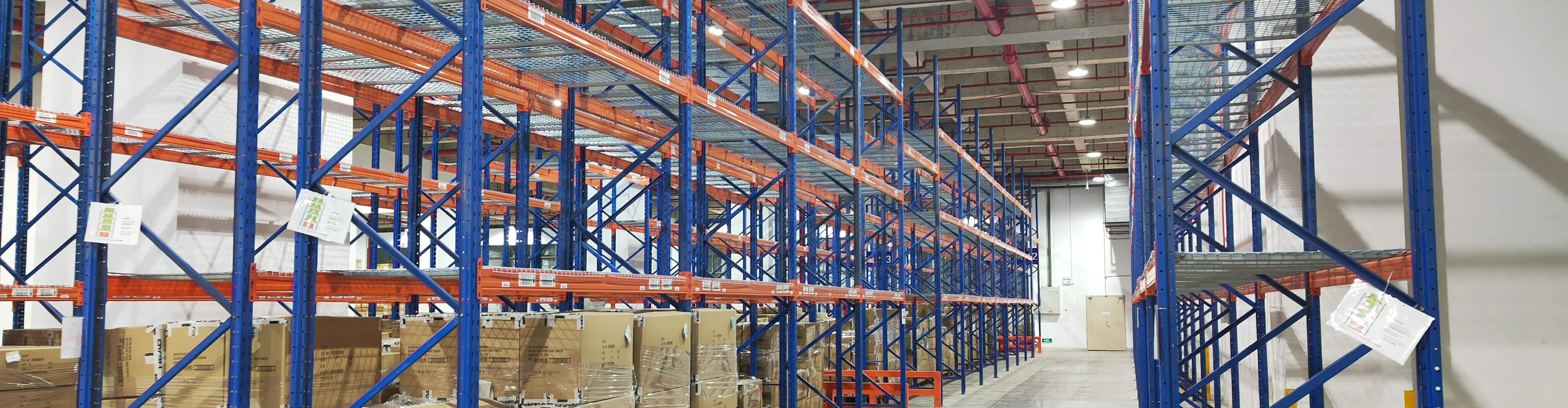
For large cartons, oversized parts, irregular stock, and bulky hand-loaded goods, the right heavy duty metal shelving is the option that carries the load safely, uses vertical space efficiently, and still allows practical access for picking and replenishment. The best choice is rarely about one product being universally superior. It depends on unit load, shelf span, item dimensions, access method, floor condition, and whether the shelving will support reserve storage, active picking, or both.
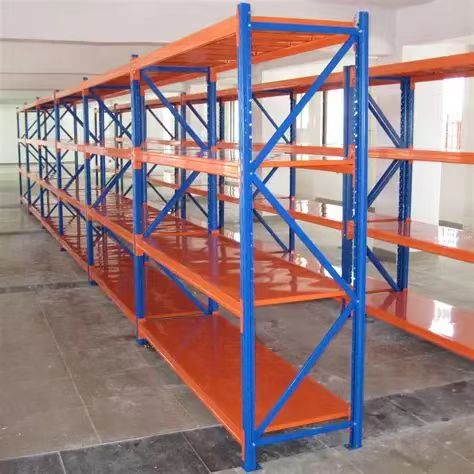
If you are evaluating heavy duty metal shelving for bulky inventory, start with three questions: how heavy each shelf level needs to carry, how staff will access the stock, and how much flexibility you need as SKU sizes change. Those points usually determine whether standard longspan shelving, reinforced steel shelving, wide-span shelf racks, or a mixed shelving-and-racking layout will be the better fit.
What makes heavy duty metal shelving suitable for large and bulky inventory?
Heavy duty metal shelving is designed for higher shelf loads, wider bays, and more demanding warehouse use than light commercial shelving. In practical terms, that means stronger uprights, more robust beams or shelf supports, and shelf levels that can handle heavier cartons, components, tools, containers, or awkward stock without excessive deflection.
For bulky inventory, the main advantage is accessibility. Unlike pallet racking, where goods are usually stored on pallets and handled by forklift, heavy duty metal shelving is often used for hand-loaded items, split-case picking, maintenance stock, spare parts, archive boxes, and medium-to-large products that need direct shelf access.
It is often a strong fit when:
- Items are too large for light shelving but do not justify pallet storage
- Stock is picked by hand rather than exclusively by forklift
- SKU count is moderate to high and direct visibility matters
- Cartons, bins, or loose goods vary in size and need adjustable shelf levels
- The operation needs a simpler picking face than pallet racking provides
It may be less suitable when every load is palletized, when forklift handling is the primary access method, or when storage density matters more than individual item accessibility.
Types of heavy duty metal shelving commonly used for bulky stock
Longspan shelving
Longspan shelving is one of the most common forms of heavy duty metal shelving for warehouses and back-of-house operations. It uses upright frames and horizontal beams to create wider shelf openings than standard boltless shelving. This makes it useful for large cartons, plastic totes, spare parts, and medium-weight bulky items.
Its main strength is flexibility. Shelf levels can usually be adjusted to suit different item heights, and bays can often be configured for hand-picking, reserve stock, or a combination of both. For operations with changing SKU profiles, longspan shelving is often easier to adapt than fixed-format storage.
However, longspan shelving still needs disciplined load planning. A wide shelf opening is useful for bulky goods, but if the real load exceeds the intended shelf capacity, the system becomes a safety issue rather than a storage solution.
Wide-span steel shelving
Wide-span steel shelving is closely related to longspan systems and is often selected when stored items are physically large, awkward to handle, or packed in oversized cartons. It can work well for automotive parts, industrial components, hardware stock, maintenance supplies, and non-palletized reserve inventory.
This type of heavy duty metal shelving is helpful when operators need open access across the full bay width. It is less helpful when inventory is highly standardized on pallets, because pallet racking generally uses space more efficiently for forklift-based operations.
Reinforced shelf systems for dense hand-loaded stock
Some environments require stronger shelf decks, additional shelf supports, or steel panel shelves to handle concentrated loads. This matters when bulky items are not only large but also unexpectedly heavy for their footprint, such as metal parts, tooling, motor components, or dense packaged goods.
In these cases, the best heavy duty metal shelving is not simply the widest bay. It is the system that matches the true load pattern. A shelf filled with dense small items can stress the structure differently from one carrying lighter but larger cartons.
How to choose the best heavy duty metal shelving
Choosing heavy duty metal shelving for large and bulky inventory is mainly a suitability exercise. Buyers should look beyond basic dimensions and focus on how the shelving will actually be used during receiving, storage, picking, and replenishment.
1. Check the real load per shelf level
This is the first decision point. Do not estimate shelf load based only on the heaviest single item. Consider the maximum realistic load on each level, including cartons stacked side by side, overflow stock, and any tendency for staff to place extra items on partially full shelves.
If bulky inventory is also heavy, shelf support design matters just as much as upright strength. Overlooking this is a common buying mistake.
2. Match bay width to item dimensions
A common reason shelving performs poorly is that bay width looks efficient on paper but does not suit the actual stock. If cartons overhang shelf edges or staff have to force products into openings, the layout will create damage, poor picking speed, and housekeeping problems.
Good heavy duty metal shelving design allows enough clearance for easy placement and removal without wasting too much horizontal space.
3. Review shelf depth carefully
Deep shelves can improve storage volume, but they are not always better. If stock is hand-picked, excessive depth can hide items, reduce visibility, and encourage double-stacking or unstable placement. For large and bulky inventory, shelf depth should support the product footprint while keeping access practical.
4. Consider picking method and handling equipment
Will staff pick directly by hand? Use step ladders? Use order pickers? Handle goods from trolleys? The best heavy duty metal shelving layout depends on how operators move around the area and how often they access upper levels.
If bulky items are stored above comfortable reach height, picking speed drops and manual handling risk increases. In some cases, combining shelving for lower-level picking with pallet racking above for reserve stock is more practical than building an all-shelving layout.
5. Check aisle width against real movement patterns
Bulky items need more turning room. Narrow aisles may look space-efficient, but they can slow replenishment, increase product contact damage, and create congestion if staff use carts or handling aids. Aisle planning should reflect not just access, but how items are carried and staged.
6. Plan for SKU change and future expansion
Many buyers choose heavy duty metal shelving based on current stock only. That can be shortsighted. If product sizes, carton formats, or order profiles are likely to change, a more adjustable system may save rework later. Expansion potential also matters if the current shelving area is expected to grow into adjacent floor space or upward into a multi-tier arrangement.
When heavy duty metal shelving works well
Heavy duty metal shelving is usually a strong option in the following situations:
- Bulky inventory is hand-loaded and hand-picked
- Items need direct visual access rather than palletized storage
- SKU variety is too high for simple block or pallet storage
- Cartons, bins, or loose products vary in dimensions
- The operation needs flexible shelf adjustment over time
- Lower levels support active picking and upper levels support slower-moving reserve stock
It is especially useful in spare parts stores, industrial supply rooms, e-commerce back stock, maintenance operations, wholesale parts distribution, and warehouse zones where stock is too heavy for light shelving but too mixed or too accessible for standard pallet racking alone.
When heavy duty metal shelving may not be the best fit
Not every bulky inventory application should use heavy duty metal shelving. In some operations, another system will be more efficient or safer.
- If goods are stored and moved only on pallets, pallet racking is usually more suitable
- If inventory is very long or awkward, cantilever racking may handle the load better
- If storage density is the main priority, shelving may use too much aisle space
- If stock turnover is low and access is infrequent, shelf-based picking access may not justify the footprint
- If unit loads are extremely heavy, engineered rack systems may be more appropriate than shelving
A mixed system is often the better answer. Many facilities use heavy duty metal shelving for active picking and pallet racking for reserve stock above or nearby. That approach can improve accessibility without sacrificing too much density.
Operational factors buyers often overlook
Floor condition and anchoring
Even the right heavy duty metal shelving can perform poorly on uneven or damaged floors. Floor level affects frame alignment, load distribution, and long-term stability. If shelving is tall or heavily loaded, the floor condition should be reviewed early in the planning stage.
Ceiling height and vertical access
More height is not automatically better. Additional shelf levels only add value if stock can be replenished and picked safely. For bulky items, upper levels can become underused if access equipment is inconvenient or if operators avoid storing difficult loads overhead.
Product damage risk
Large cartons and irregular goods can be damaged by rough shelf edges, overhang, poor stacking, or insufficient shelf support. The best heavy duty metal shelving layout protects product as well as storing it.
Housekeeping and visibility
Bulky stock tends to create clutter when shelf openings are undersized or when overflow inventory has no designated space. Clear bay identification, sensible shelf spacing, and realistic replenishment rules matter just as much as the shelving frame itself.
Safety, inspection, and maintenance considerations
Heavy duty metal shelving should be inspected regularly for signs of misuse, overloading, impact damage, loose components, bent frames, or shelf deflection. Warehouses often focus more on racking inspections, but shelving used for bulky loads also needs routine attention.
Key points to review include:
- Visible damage to uprights, beams, braces, or shelf panels
- Loose fixings or displaced components
- Shelves carrying more weight than originally intended
- Items overhanging shelf edges or stacked unstably
- Impact marks from carts, pallet trucks, or forklifts operating nearby
- Poor housekeeping that blocks access or encourages unsafe loading
Operational discipline matters here. If teams regularly place oversized loads on the nearest empty shelf without regard to load limits or bay suitability, even good heavy duty metal shelving will become unreliable over time.
A practical buying checklist
Before buying heavy duty metal shelving, it helps to review the application against a short checklist:
- What is the maximum load per shelf level and per bay?
- What are the largest item dimensions, not just the average ones?
- Will goods be hand-picked, trolley-picked, or accessed with equipment?
- How much aisle width is needed for safe movement of bulky stock?
- Do shelf heights match real picking and replenishment methods?
- Will the SKU mix change significantly over the next few years?
- Is the floor suitable for the planned load and layout?
- Would a combination of shelving and pallet racking be more efficient?
This kind of review usually prevents the most common mistakes: underestimating shelf loads, oversizing bays without enough support, and designing a layout that looks efficient but is awkward to operate.
FAQ
Is heavy duty metal shelving better than pallet racking for bulky items?
It depends on how the items are stored and accessed. Heavy duty metal shelving is often better for hand-loaded bulky goods that need direct access. Pallet racking is generally better for palletized inventory handled by forklift.
Can heavy duty metal shelving be used for picking and reserve stock together?
Yes, in many warehouses it is used for lower-level picking and upper-level reserve stock. The layout needs to reflect safe access, shelf load limits, and practical replenishment methods.
What is the biggest mistake when selecting heavy duty metal shelving?
One of the most common mistakes is sizing the shelving for average stock instead of maximum real load and largest item dimensions. That usually leads to poor fit, unsafe loading, or early reconfiguration.
Is deeper shelving always better for large inventory?
No. Deeper shelves can increase capacity, but they can also reduce visibility and make hand-picking less efficient. The right depth should match the product footprint and access method.
Final decision points
The best heavy duty metal shelving for large and bulky inventory is the system that fits the load, the item size, and the way your team actually works. For many operations, wide-span or longspan shelving provides the right balance of strength, flexibility, and direct access. For others, shelving works best as part of a larger storage strategy alongside pallet racking or other systems.
Before making a purchase, review shelf load requirements, bay dimensions, aisle space, handling method, and future expansion needs. That practical evaluation matters more than choosing the shelving with the largest frame or the widest shelf. In warehouse storage, the right heavy duty metal shelving is the one that stays safe, usable, and efficient after daily operations begin.