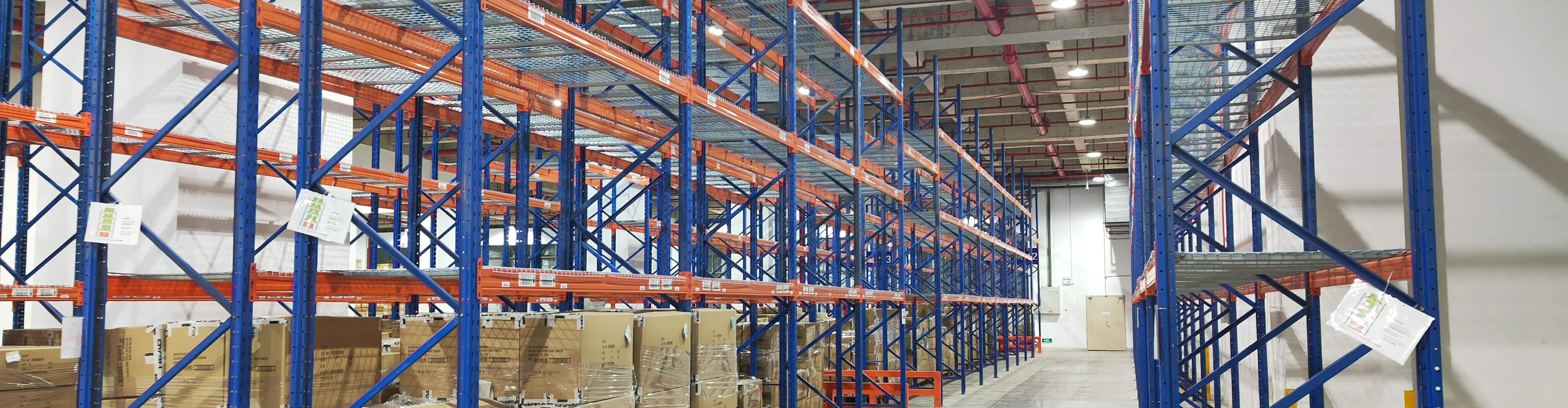
Installing heavy duty pallet racking safely starts long before the first upright is stood in place. The key steps are to verify the layout, confirm floor condition and load requirements, use the correct components and anchors, assemble frames and beams to the approved configuration, level and plumb the structure, and complete a final safety check before loading any pallets. A rushed installation can create long-term problems such as unstable bays, damaged pallets, poor forklift access, and avoidable safety risks.
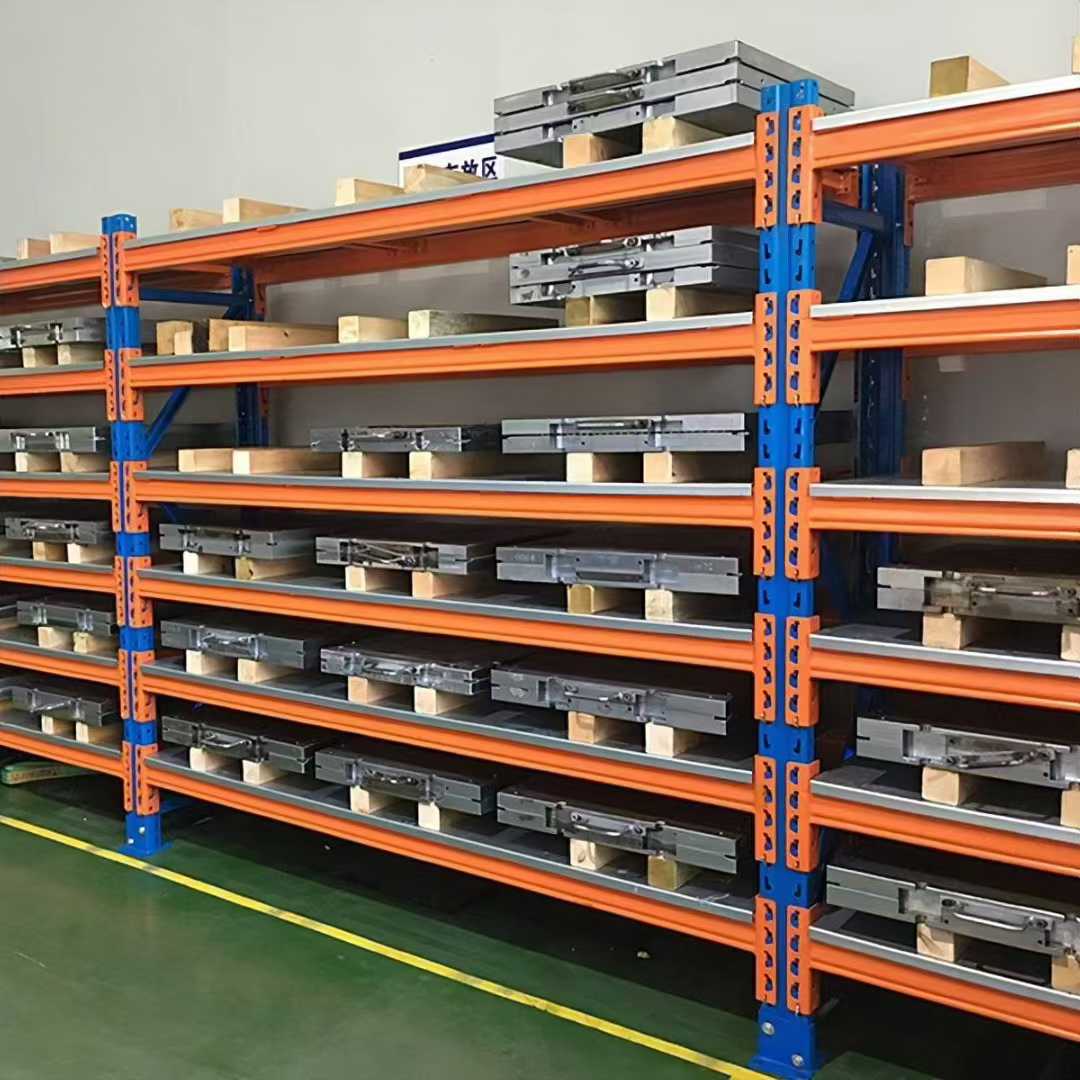
For warehouse managers, project planners, and procurement teams, safe installation is not just a fitting task. It affects storage capacity, forklift efficiency, inspection routines, and future expansion. This guide explains how to install heavy duty pallet racking in a practical, step-by-step way, with attention to real warehouse conditions.
What heavy duty pallet racking installation involves
Heavy duty pallet racking is a storage system designed to hold palletized goods on multiple beam levels, usually handled by forklifts or reach trucks. Installation involves positioning uprights, connecting beams, fixing the system to the floor, checking level and alignment, and confirming that the finished structure matches the intended load plan and operating method.
Although the basic structure may look straightforward, safe installation depends on several factors working together:
- Correct bay spacing and aisle width
- Suitable floor slab condition and flatness
- Proper beam level placement
- Compatible anchors and baseplates
- Accurate frame plumbing and bracing
- Forklift clearance for pallet placement and retrieval
- Load signage and operational controls after installation
If any of these are overlooked, the racking may be harder to use safely even if it appears complete.
Plan the installation before materials arrive
The safest heavy duty pallet racking projects are planned in detail before site work begins. Installation problems often come from layout changes made too late, unclear load assumptions, or poor coordination between the warehouse team and the installer.
Confirm the storage layout
Start with the approved layout drawing. Check bay widths, frame depths, beam elevations, aisle widths, and row lengths against the actual warehouse space. Review how the racking will interact with columns, dock areas, fire protection, doors, battery charging zones, and pedestrian routes.
A layout that works on paper may still create problems on site if the building has obstructions, uneven floor areas, or tighter forklift turning space than expected.
Review pallet and load assumptions
Do not install heavy duty pallet racking based on general assumptions such as “standard pallets” or “typical loads.” Confirm:
- Pallet dimensions and entry direction
- Maximum pallet weight
- Load overhang or non-standard packaging
- Whether pallets are uniform or mixed
- Clearance needed above each load
These details affect beam spacing, level height, frame depth, and safe handling. If pallets are inconsistent or damaged, the operational risk increases even when the racking itself is correctly installed.
Check floor condition
The floor matters as much as the steel. Before installation, inspect the slab for cracks, spalling, repairs, drainage falls, or uneven areas. Heavy duty pallet racking relies on a sound floor for anchor performance and overall stability. If the slab condition is questionable, pause and get site-specific advice before fixing the system in place.
Also check floor flatness. Uneven floors can create alignment issues, forcing excessive shimming or leaving bays out of plumb. Small deviations can become a larger issue across long runs of racking.
Prepare the site for safe installation
Good site preparation reduces delays and helps the installation team work accurately. Clear the area fully before unloading materials. Mark out the footprint of each row so frame positions and aisle widths can be checked early.
Practical preparation points include:
- Remove old storage equipment and debris
- Confirm lighting is adequate for assembly work
- Separate pedestrian traffic from the work zone
- Check access for lifting equipment and tools
- Store components in a way that prevents damage or mixing
- Verify that all parts match the installation plan
Do not start erecting heavy duty pallet racking until the component list has been checked. Missing beam locks, incorrect anchors, or mixed frame sizes can lead to unsafe substitutions on site.
Inspect components before assembly
Every upright, beam, brace, footplate, connector, and locking part should be checked before use. Installation is the wrong time to discover bent steel, damaged welds, or incompatible beam connectors.
Look for:
- Visible impact damage or twisting
- Missing locking pins or safety clips
- Corrosion or coating damage that may indicate poor storage
- Mismatched beam lengths or frame heights
- Incorrect baseplates or anchor fixings
Do not install damaged components to “keep the project moving.” Even minor upright damage can affect alignment and load performance. Segregate questionable parts for review and replacement.
Install heavy duty pallet racking step by step
1. Mark out row positions accurately
Use the approved drawing to mark the centerlines and footprint of each row. Check dimensions at both ends, not just one side. This helps avoid cumulative errors across multiple bays.
At this stage, verify aisle widths against the actual forklift type. Aisles that are too narrow can create constant impact risk, while overly wide aisles reduce storage density.
2. Assemble upright frames correctly
If frames are supplied knocked down, assemble them on the floor using the specified bracing pattern and hardware. Make sure bracing is fitted in the correct orientation and at the intended spacing. Tighten fixings consistently, but do not guess torque values if a specific requirement exists from the supplier or engineer.
Frame assembly errors are easy to overlook early and difficult to correct once full rows are standing.
3. Raise the first frame and secure temporary stability
Lift the first upright frame into position carefully using suitable handling equipment. Do not rely on manual lifting if frame size or weight makes control difficult. Temporary stability during early assembly is critical because a partly erected bay is more vulnerable to tipping than a completed row.
Install the next frame and connect beams to create the first bay. Beam safety locks or locking pins should be fitted immediately, not left until later.
4. Set beam levels to the planned elevations
Install beams at the exact elevations shown on the layout. Check that left and right beam connectors are fully seated and level. In heavy duty pallet racking, beam height affects pallet clearance, load spacing, and forklift handling. Small level errors can cause pallet interference or poor load distribution.
When the first bay is built, continue bay by bay along the row, checking dimensions regularly rather than waiting until the end.
5. Check plumb, level, and alignment
As the structure goes up, check that frames are vertical and beam levels are even. Use suitable shims where necessary to correct floor variation, but avoid excessive shimming that suggests a deeper floor problem. Long runs should be checked for straightness so that rows do not drift out of line.
Plumb and level checks are not cosmetic. They affect how loads transfer through the structure and how safely forklifts can place pallets.
6. Anchor the racking to the floor
Once bays are correctly positioned and aligned, fix the baseplates to the slab using the specified anchors. Anchoring heavy duty pallet racking is essential for stability and impact resistance. Use the correct anchor type and installation method for the floor and system design.
Common mistakes include:
- Using substitute anchors because the correct fixings are unavailable
- Drilling too close to slab edges or joints without review
- Anchoring before final alignment is confirmed
- Leaving some feet unanchored to save time
Each base location should be checked after fixing to confirm that the frame remains properly seated and aligned.
7. Fit row spacers, guards, and accessories where required
If the layout includes back-to-back rows, install row spacers at the correct spacing. Add column guards, end-of-aisle protection, mesh backing, pallet supports, or guide rails where the application requires them.
These are not optional extras in many warehouses. Protection accessories are often necessary where forklift impact risk is high, pallets are inconsistent, or pedestrian routes run close to the racking.
8. Install load notices and identification
Before the system is put into use, fit load signage showing the permitted bay and beam loads according to the approved design information. Staff should not be expected to work from memory or assumptions. Clear signage supports safer loading and easier training.
Safety checks before loading the racking
Never load newly installed heavy duty pallet racking immediately after assembly without a structured handover check. A final review should confirm that the installed system matches the planned configuration and is ready for operation.
Pre-use checklist
- Frames are plumb and rows are aligned
- All beams are fully seated and locked
- Anchors are installed at each required footplate location
- Shims are secure and appropriate
- Protection accessories are fitted where specified
- Beam levels match the approved layout
- No damaged or mixed components are present
- Load notices are visible
- The area is clean and free of packaging or drill debris
If the warehouse will use different forklift types than originally planned, check handling clearances again before first loading.
Common installation mistakes to avoid
Many problems with heavy duty pallet racking begin with avoidable installation shortcuts rather than product failure. The most common issues include:
- Ignoring floor variation: This leads to leaning bays, poor anchor seating, and pallet placement issues.
- Using the wrong aisle width: Even a structurally sound system can become unsafe if forklifts have inadequate maneuvering space.
- Mixing components: Combining beams, frames, or locks from different systems can create fit and load uncertainties.
- Skipping protection: Upright guards are often needed in busy forklift zones, especially at aisle ends.
- Installing for current loads only: If load heights or pallet weights may change, plan for realistic future use rather than the narrowest possible configuration.
- Poor handover control: Without clear signage, training, and inspection responsibility, misuse starts quickly.
Operational factors that affect safe installation
A safe installation is not just about steel assembly. It should reflect how the warehouse actually works day to day.
Forklift type and handling method
Counterbalance forklifts, reach trucks, and very narrow aisle equipment all place different demands on aisle width, pallet presentation, and impact risk. A layout that suits one truck type may be inefficient or unsafe for another.
SKU mix and pallet consistency
If the warehouse stores uniform full pallets, installation can be optimized around repeatable load sizes. If the operation handles mixed SKUs, variable pallet heights, or damaged pallets from inbound supply, more clearance and stronger operational discipline may be needed.
Expansion planning
If future expansion is likely, install heavy duty pallet racking with continuity in mind. That may mean preserving access routes, leaving room for row extensions, or standardizing beam elevations. Short-term space gains can create expensive rework later if growth was ignored.
After installation: inspection and maintenance priorities
Once the racking is in use, safe performance depends on routine checks. Installation quality can be undermined quickly by forklift impacts, overloaded beams, missing locks, or poor housekeeping.
Set up a simple inspection routine that includes:
- Regular visual checks for upright damage
- Review of anchors, footplates, and shims
- Confirmation that beam locks remain in place
- Monitoring for overloaded or unevenly loaded bays
- Checking aisle-end protection after impacts
- Prompt reporting and isolation of damaged areas
Installation is the starting point, not the end of racking safety management.
When to get specialist input
Some installations are straightforward, but others need closer technical review. Seek specialist support if the warehouse has poor floor condition, unusual pallet sizes, seismic requirements, high bay heights, narrow handling clearances, or planned modifications to an existing system. The same applies if you are relocating used heavy duty pallet racking, where hidden damage or missing parts are common concerns.
It is also sensible to get support when changing beam levels, increasing load weights, or integrating accessories that alter the original configuration.
FAQ
Can heavy duty pallet racking be installed on any warehouse floor?
No. The slab must be suitable for anchoring and capable of supporting the applied loads. Cracked, uneven, or repaired floors may need review before installation.
How much aisle space should be left during installation?
Aisle width should match the handling equipment and pallet dimensions, not just the available space. If aisles are too tight, forklift damage risk increases and productivity usually drops.
Is it safe to use second-hand racking for a new installation?
It can be, but only if all components are verified as compatible, undamaged, and suitable for the intended load and layout. Used systems often need closer inspection before assembly.
Should pallet racking be loaded immediately after installation?
Only after final checks confirm alignment, anchoring, beam locks, accessories, and load signage are all in place. A structured handover is a safer approach than loading immediately.
Conclusion
Safe installation of heavy duty pallet racking depends on planning, accurate assembly, correct anchoring, and careful final checks before use. The structure should suit the real warehouse environment, including forklift movement, pallet type, floor condition, and future operating demands. When installation is treated as part of overall warehouse safety and workflow planning, heavy duty pallet racking is easier to use, inspect, and manage over the long term.