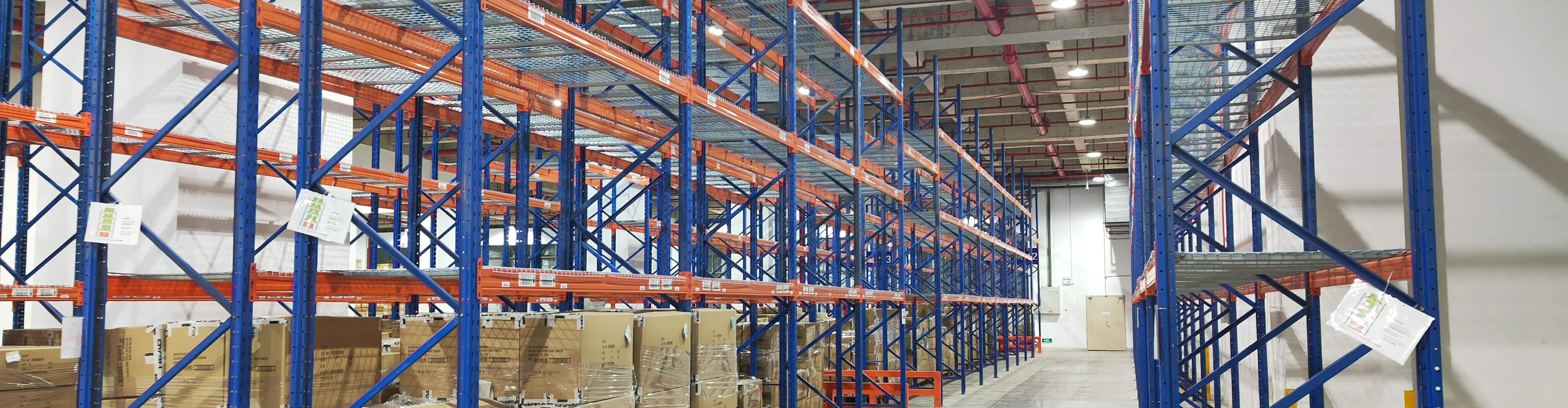
Choosing the right industrial warehouse shelving starts with one practical question: what exactly needs to be stored, picked, moved, and replenished every day? Storage efficiency is not only about fitting more stock into a building. It also depends on how quickly items can be accessed, how safely the system can be used, and whether the layout supports the real workflow of the warehouse.
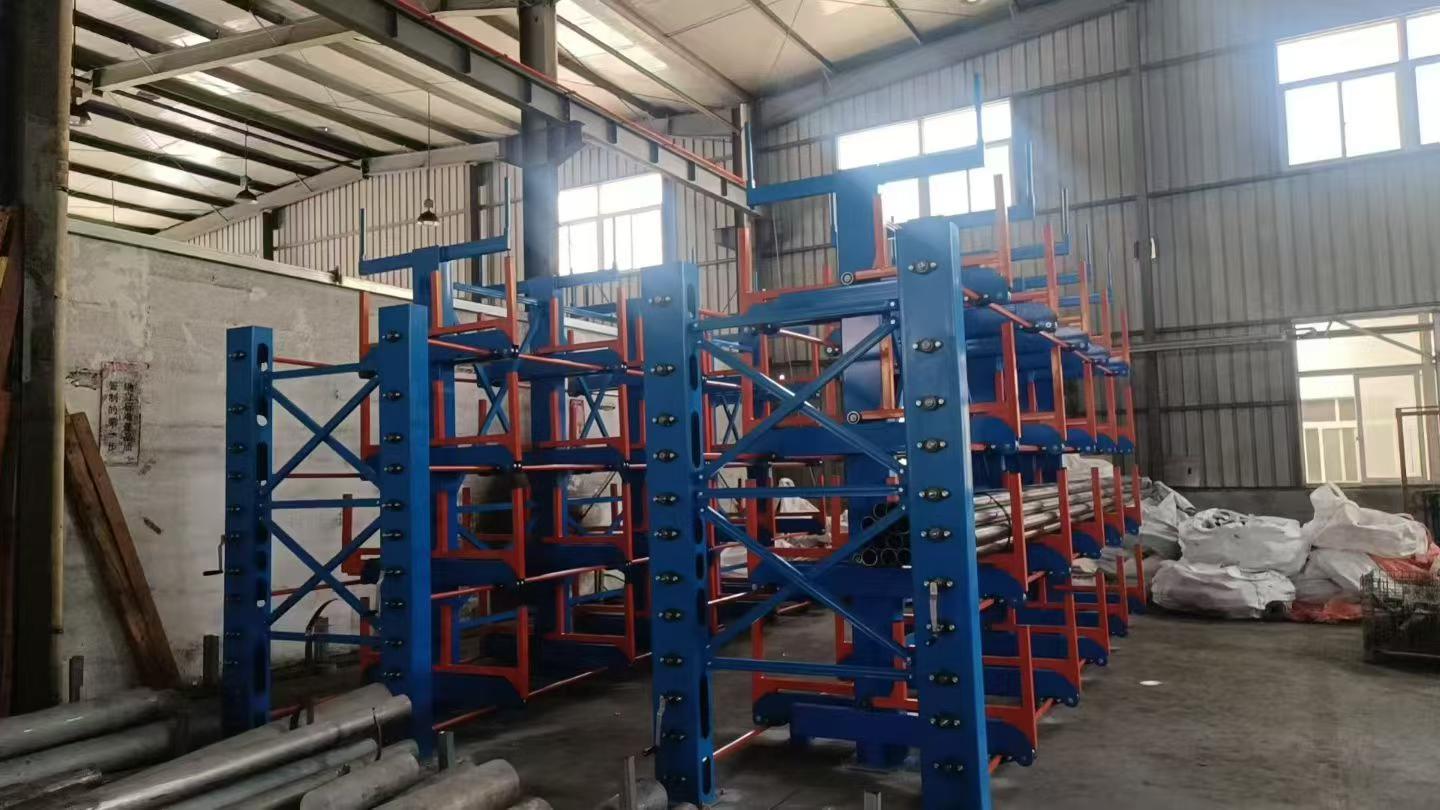
For most businesses, the right shelving decision comes down to balancing five factors: load type, SKU profile, picking method, available space, and future growth. A shelving system that improves storage density but slows down order picking may reduce overall efficiency. On the other hand, a system with excellent accessibility may use more floor area than the operation can afford. The goal is to match the shelving layout to the actual operating model rather than choosing based on capacity alone.
Why industrial warehouse shelving selection matters
Industrial warehouse shelving is often used for carton storage, small parts, hand-loaded items, archive stock, components, tools, and mixed inventory that does not suit standard pallet racking alone. In many warehouses, shelving supports picking zones, spare parts areas, maintenance stores, e-commerce operations, back-of-house inventory, and mezzanine-supported storage levels.
If the shelving is underspecified, overloaded, poorly arranged, or mismatched to the stock profile, the result is usually wasted space, slow picking, congestion, and avoidable safety risks. If it is selected properly, industrial warehouse shelving can improve location control, increase vertical storage use, reduce travel time, and support cleaner inventory management.
Start with a clear storage profile
Before comparing shelving options, define what the system will actually hold. This sounds basic, but it is where many projects go wrong. A warehouse may ask for shelving when it really needs a mix of shelving, bin storage, pallet racking, or a mezzanine-supported picking area.
Key questions to answer first
- Are the stored items hand-loaded or machine-handled?
- What are the typical item dimensions, weights, and packaging types?
- How many SKUs need individual access?
- Are items fast-moving, medium-turn, or long-term reserve stock?
- Will operators pick full cartons, split cases, or individual pieces?
- Do you need fixed shelf levels or adjustable shelf positions?
- Will the shelving support one shift or continuous daily use?
High-SKU operations usually need more selective access and clearer location identification. Bulk reserve storage may need less accessibility but stronger load support. If inventory changes often, adjustable industrial warehouse shelving is usually more practical than a rigid layout with fixed shelf spacing.
Measure the warehouse properly before choosing shelving
Storage efficiency depends as much on the building as on the shelving itself. A common mistake is to focus on shelf bay dimensions without checking the operational constraints around them.
Building factors that affect shelving choice
- Clear height: Determines how much vertical storage can be used safely and productively.
- Floor condition: Uneven or damaged floors can affect installation quality and long-run stability.
- Column positions and obstructions: Building columns, doors, fire equipment, and service routes can reduce usable layout space.
- Aisle width: Aisles must suit the handling method, whether manual picking, carts, pallet trucks, or forklift movement nearby.
- Lighting and visibility: Poorly lit shelving areas slow down picking and increase errors.
- Access routes: Replenishment paths and picking paths should not create unnecessary crossing traffic.
Where ceiling height allows, vertical expansion can improve storage efficiency significantly. However, taller industrial warehouse shelving is only useful if stock can be replenished safely and picked without creating bottlenecks.
Match industrial warehouse shelving to the picking method
One of the most important selection criteria is how the stored items will be handled in daily operation. The most efficient system on paper may perform poorly if it does not support the picking process.
Manual picking environments
For hand-loaded operations, shelving should prioritize visibility, easy reach, clear labeling, and consistent bay organization. Shelf depth should not make stock hard to see or reach. If operators need to bend, stretch, or move cartons repeatedly in awkward positions, picking speed and safety will suffer.
Carton and case picking
For carton flow or frequent split-case picking, shelf spacing and replenishment access matter more than simple storage volume. Fast-moving SKUs should be placed in high-access zones, usually between knee and shoulder height where possible. Slow-moving items can be placed higher or lower.
Mixed picking and replenishment
Many warehouses use industrial warehouse shelving for forward pick faces while reserve stock sits elsewhere. In this setup, shelf design should support easy replenishment without blocking active pick aisles. If replenishment regularly interrupts order picking, layout efficiency is being lost.
Evaluate load capacity realistically
Load capacity should be assessed at both shelf level and complete bay level. Buyers sometimes focus only on total stated capacity, but the real issue is whether each shelf can safely support the actual load pattern.
Ask practical questions such as:
- Will loads be evenly distributed or concentrated in one area?
- Will operators store dense metal parts, cartons, plastic bins, or irregular items?
- Could stock weight increase later due to product changes?
- Will shelves be reconfigured over time by warehouse staff?
Industrial warehouse shelving used for spare parts, tools, or dense components may require much higher shelf strength than shelving used for light cartons or archive materials. Overloading risks are not always obvious, especially when small items are heavy for their size.
It is also wise to plan for sensible operating margin rather than selecting a system that runs close to its practical limit from day one.
Choose the right shelving configuration
There is no single shelving format that suits every warehouse. The right configuration depends on stock type, picking frequency, available area, and how much flexibility the operation needs.
Open shelving
Open shelving works well where quick visual access matters. It is common in parts storage, retail backrooms, maintenance stores, and order picking environments. It supports fast identification but may offer less containment for loose or irregular items unless bins or dividers are added.
Closed shelving or side/back panel options
These configurations can help control stored items, improve presentation, and reduce stock falling from the sides or rear. They may suit cleaner storage zones or smaller item handling, but they can reduce flexibility in some applications.
Longspan shelving
Longspan industrial warehouse shelving is often chosen for bulkier hand-loaded items, archive boxes, cartons, and medium-weight goods. It offers wider shelf spans and can be practical where pallet racking is too large and standard shelving is too light-duty.
Multi-tier shelving
Multi-tier layouts are useful when the operation has many SKUs and a need to maximize building height. They can increase storage capacity within the same footprint, but only if the picking process, walking distance, and replenishment method are planned carefully. Multi-tier shelving can become inefficient if fast-moving items are spread across too many levels.
Balance storage density with accessibility
Maximum storage efficiency does not always mean maximum storage density. If a shelving layout packs in more stock but slows picking, complicates replenishment, or increases handling errors, it may reduce total warehouse efficiency.
When reviewing industrial warehouse shelving, consider these trade-offs:
- More shelves per bay can improve capacity but may reduce access for taller cartons.
- Deeper shelves can store more stock but may hide inventory and slow picking.
- Narrower aisles can free space for more shelving but may create congestion.
- Taller shelving can improve cubic utilization but may increase replenishment time.
- Higher-density layouts may work for reserve stock but not for fast-pick operations.
The most effective industrial warehouse shelving layout is usually the one that supports both stockholding and movement efficiency, not just static capacity.
Plan the layout around workflow, not only floor area
A shelving project should be treated as an operational layout decision, not just a product purchase. The same shelving system can perform very differently depending on where it is placed and how inventory flows through it.
Practical layout priorities
- Place fast-moving SKUs closer to dispatch or packing areas.
- Separate replenishment routes from high-frequency picking routes where possible.
- Allow enough aisle space for carts, ladders, and operator movement.
- Use clear bay numbering and shelf labeling from the start.
- Keep damaged, returns, or quarantine stock out of active pick faces.
- Leave room for future bays or extension rows if growth is likely.
In many facilities, poor layout planning causes more inefficiency than the shelving product itself. Even well-designed industrial warehouse shelving will underperform if operators walk too far, double-handle stock, or work in congested aisles.
Consider safety, inspection, and maintenance from the beginning
Warehouse shelving should not be selected only on capacity and price. Ongoing safe use matters just as much. Shelving that is difficult to inspect, easy to overload, or vulnerable to repeated impact may create higher long-term operating risk.
What to review before purchase
- How loads will be identified and controlled
- Whether shelf levels can be adjusted safely and correctly
- How often the area is exposed to carts, pallet trucks, or forklift traffic
- Whether upright protection or end-of-aisle protection is needed
- How housekeeping and stock discipline will be maintained
- How damaged components will be reported and replaced
Routine inspection is especially important where industrial warehouse shelving supports heavy items, mixed users, or frequent stock movement. Loose components, bent frames, overloaded shelves, missing fixings, and impact damage should be addressed early before they affect system stability or safe use.
Think about expansion and operational change
A shelving system may look efficient today but become restrictive in two years if SKU count, order volume, or product size changes. Warehouses rarely stay static for long, so flexibility should be part of the buying decision.
Ask whether the proposed industrial warehouse shelving can be extended, reconfigured, or integrated with future changes such as:
- Higher SKU count
- More picking staff
- A mezzanine installation
- Different carton sizes
- New binning methods
- Changes in replenishment frequency
- Partial automation or scanning upgrades
A low-cost shelving layout that leaves no room for growth may lead to earlier replacement, more disruption, and higher total cost later.
Common mistakes when choosing industrial warehouse shelving
Several avoidable errors appear repeatedly in shelving projects:
- Choosing based on available shelf sizes rather than actual inventory profile
- Ignoring aisle space and operator movement
- Using one shelving format for all SKUs even when stock types vary widely
- Underestimating shelf load requirements for dense items
- Failing to plan replenishment access
- Overfilling bays without clear slotting rules
- Not leaving space for growth or layout adjustment
- Treating shelving as separate from the wider warehouse workflow
Good storage efficiency comes from system fit, not just equipment quantity. More bays do not automatically mean better performance.
A practical checklist before you buy
Before selecting industrial warehouse shelving, confirm the following:
- The inventory type and weight range are clearly defined
- The picking and replenishment process is understood
- The building dimensions and floor condition have been checked
- The aisle plan supports safe and efficient movement
- The shelf configuration matches the SKU profile
- Load requirements have been reviewed realistically
- Future expansion has been considered
- Inspection and maintenance responsibilities are understood
This checklist helps reduce the risk of buying a system that looks suitable in a quotation but performs poorly in real operation.
FAQ
What is the difference between industrial warehouse shelving and pallet racking?
Industrial warehouse shelving is generally used for hand-loaded items, cartons, bins, tools, and smaller inventory units. Pallet racking is designed primarily for palletized loads handled by forklifts or similar equipment. Many warehouses use both systems together.
How do I know if shelving or longspan shelving is more suitable?
If the stored items are bulkier, wider, or heavier than standard shelf loads, longspan shelving may be more appropriate. Standard shelving is often better for smaller parts, bins, and lighter hand-picked goods. The decision should be based on item dimensions, weight, and access needs.
Can industrial warehouse shelving improve picking speed?
Yes, if the shelf heights, slotting logic, labeling, and aisle layout support the actual picking process. Poorly planned shelving can do the opposite, even if it increases storage capacity.
Should I prioritize density or accessibility?
That depends on the operation. High-SKU and fast-picking environments usually need better accessibility. Slower-moving stock may justify a denser layout. The right balance depends on how often items are picked and replenished.
Conclusion
The right industrial warehouse shelving choice comes from understanding inventory, workflow, load demands, and space limitations as one connected decision. Buyers who focus only on shelf dimensions or initial cost often miss the bigger issue: whether the system will support safe, efficient daily operation.
If you want maximum storage efficiency, choose industrial warehouse shelving that fits the SKU mix, picking method, building constraints, and growth plan of the warehouse. A well-matched system will not only store more effectively; it will also make stock easier to control, access, inspect, and expand over time.