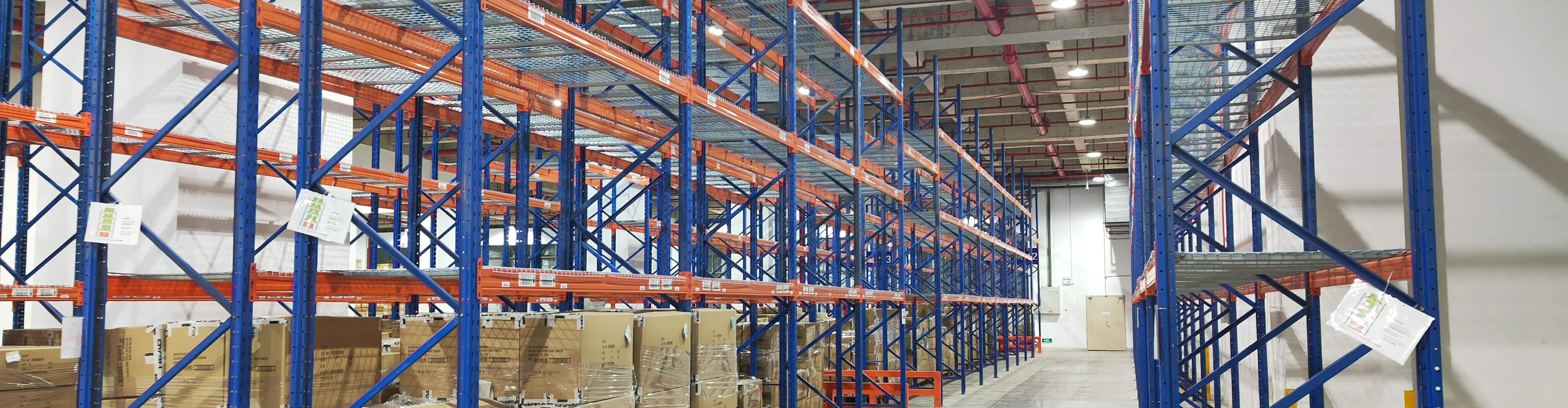
The short answer is that there is no single best industrial warehouse shelving option for every heavy-load application. The right choice depends on what you are storing, how much each level must carry, whether goods are palletized or hand-loaded, how forklifts access the system, and how much selectivity you need. For many heavy-duty applications, long span shelving, heavy-duty steel shelving, and pallet racking with shelving accessories are the most practical options. The correct system is the one that carries the required load safely, fits the workflow, and remains easy to inspect and maintain.
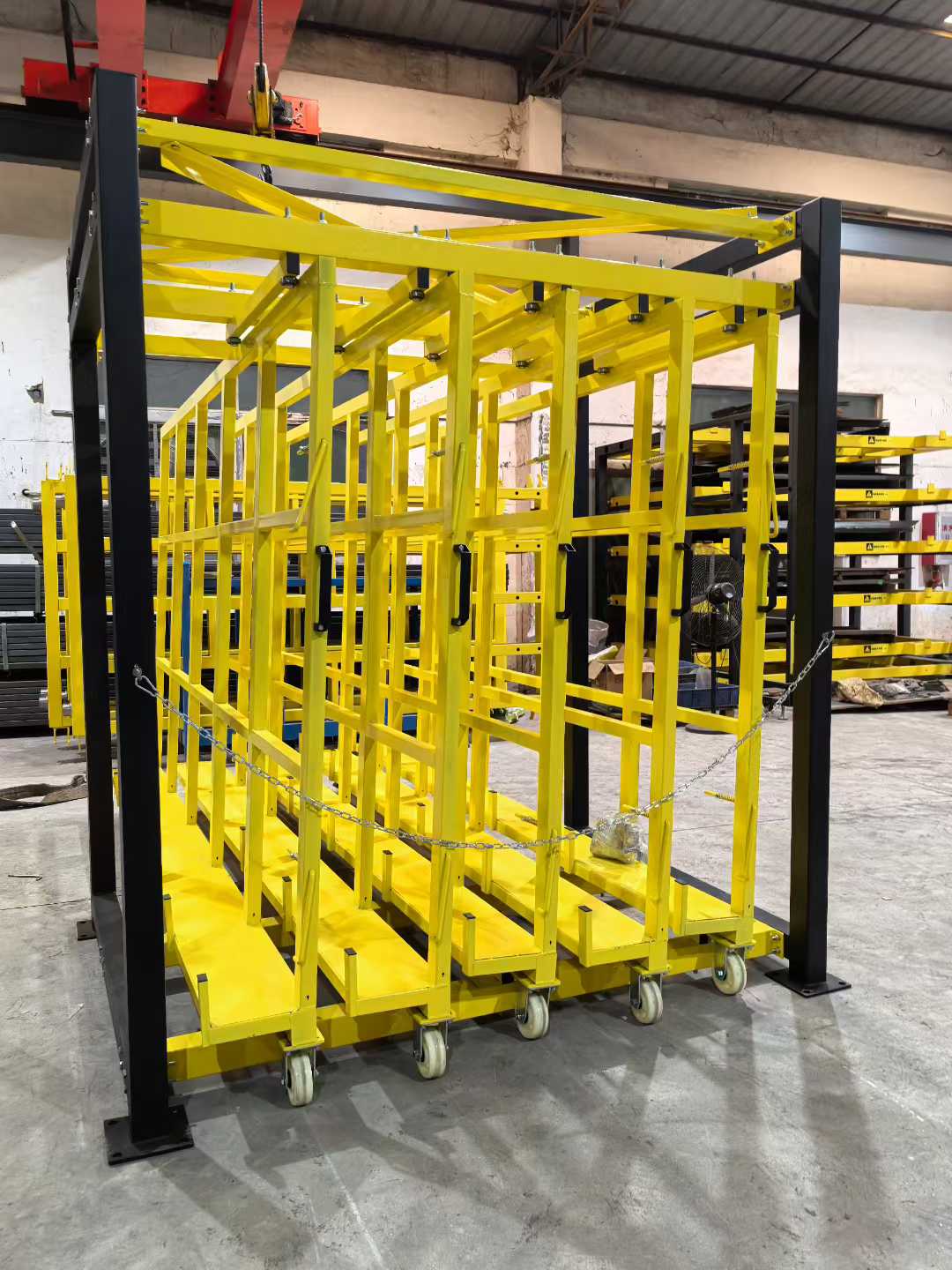
When buyers search for industrial warehouse shelving for heavy loads, they are usually trying to solve a practical problem: storing bulky or dense inventory without creating unsafe loading conditions or slowing down operations. That means the decision should be based on load capacity, access method, product dimensions, picking needs, floor conditions, and future expansion, not just on shelf count or purchase price.
How to define the best industrial warehouse shelving for heavy loads
For heavy-duty storage, the best industrial warehouse shelving is the system that balances five things:
- Load capacity at both shelf level and overall bay level
- Safe access for operators, forklifts, or order pickers
- Suitability for the stored goods, including size, weight, and handling method
- Operational efficiency for picking, replenishment, and stock visibility
- Maintenance and inspection practicality over time
A shelving system can look robust but still be a poor fit if the loads are uneven, the items overhang shelf edges, or forklift activity regularly damages frames. In heavy-load environments, selection mistakes usually come from choosing by appearance or headline capacity instead of by real warehouse use.
Most common heavy-load industrial warehouse shelving options
1. Heavy-duty steel shelving
Heavy-duty steel shelving is widely used for cartons, tools, parts, containers, and non-palletized stock that is too heavy for light shelving but still needs direct access. It is often a sensible choice when operators pick by hand and need visibility across many SKUs.
This type of industrial warehouse shelving works well when loads are heavy but relatively uniform and when each shelf level needs reliable support. It is less suitable when products are highly irregular in shape, when pallets are the primary handling unit, or when forklift loading into shelves creates impact risk.
2. Long span shelving
Long span shelving is often one of the most practical options for medium to heavy manual storage. It is designed for wider bays and heavier shelf loads than standard shelving, making it useful for bulky items, archive boxes, spare parts, components, and hand-loaded inventory.
For many warehouses, long span systems are the most flexible form of industrial warehouse shelving for heavy loads that are not stored on pallets. They allow easy adjustment of shelf levels and can support changing SKU profiles. The trade-off is that they still require disciplined load control. If users place concentrated loads on one side or exceed intended weight per level, performance and safety can be affected.
3. Pallet racking used for heavy palletized loads
If the inventory is stored mainly on pallets, pallet racking is often more appropriate than shelving. In practice, some buyers use the term industrial warehouse shelving broadly, but for heavy pallet loads, selective pallet racking is usually the correct storage category.
Pallet racking is a better fit when forklifts handle full pallets, when stock rotation matters, and when high bay storage is needed. It is a poor substitute to force standard shelving to do a racking job. If goods are palletized and heavy, using shelving instead of properly specified racking can create access problems and unsafe loading habits.
4. Shelving integrated with mezzanine levels
Where floor space is limited but ceiling height is available, multi-tier shelving or shelving integrated with a mezzanine structure can improve cubic utilization. This can be effective for dense SKU storage with manual picking.
However, this approach is only suitable when the operation truly supports hand-loaded storage. For very heavy items, repeated manual handling may reduce productivity and increase risk. It can also complicate replenishment if the upper levels are not planned carefully.
Which industrial warehouse shelving is usually best for heavy loads?
In most real warehouse settings, the answer breaks down like this:
- For heavy hand-loaded items: long span shelving or heavy-duty steel shelving is usually the most practical choice.
- For heavy palletized goods: pallet racking is usually more suitable than shelving.
- For mixed storage: a combination of pallet racking for reserve stock and industrial warehouse shelving for split-case or piece picking is often the most efficient layout.
So if the question is strictly about industrial warehouse shelving, long span and heavy-duty steel shelving are usually the strongest candidates. If the question is really about storing the heaviest warehouse loads overall, pallet racking often becomes the more suitable answer.
Key decision factors before choosing industrial warehouse shelving
Load type and weight distribution
The first question is not total warehouse tonnage. It is how the load sits on each shelf. A shelf carrying evenly distributed cartons behaves differently from one holding dense metal components in small containers. Point loading, uneven distribution, and overhanging stock can all change what system is appropriate.
When reviewing industrial warehouse shelving, buyers should confirm:
- The expected load per shelf level
- The load per bay or section
- Whether loads are uniformly distributed or concentrated
- Whether products are hand-loaded, trolley-loaded, or mechanically placed
This is where many specification errors begin. A shelving system may be suitable on paper but unsuitable once real loading patterns are considered.
Product dimensions and SKU profile
Heavy loads are not always large loads. Some warehouses store small but dense items such as metal parts, fasteners, molds, or machine components. Others store bulky but lighter cartons. Shelf depth, clear height between levels, and bay width should reflect the actual stock profile, not just a generic layout template.
If the warehouse carries many SKUs with frequent manual picking, industrial warehouse shelving should give direct visibility and access. If the operation stores fewer SKUs in larger quantities, denser systems or a racking-based approach may be more efficient.
Access method and aisle planning
The best storage system is also the one that can be used safely every day. If operators need to reach heavy stock manually, shelf heights must support safe handling. If forklifts operate nearby, aisle width, turning radius, and impact protection become important.
In heavy-load environments, poor aisle planning often leads to damaged frames, awkward replenishment, and blocked picking positions. A good industrial warehouse shelving layout should match the handling equipment, not fight against it.
Floor condition and building constraints
Heavy shelving loads transfer forces to the warehouse floor. Before installing any heavy-duty system, planners should consider slab condition, flatness, anchoring requirements, and local structural limitations. Ceiling height also matters. A low building may favor wider shelving bays with fewer levels, while a taller building may support a mixed layout with reserve storage above picking stock.
These constraints affect not only what can be installed, but also what will remain stable, accessible, and practical over time.
Future expansion and reconfiguration
Many buyers focus only on current stock. That can be a mistake if the SKU mix, throughput, or order profile is likely to change. Some industrial warehouse shelving systems are easier to re-level, extend, or reconfigure than others. Flexibility matters if the warehouse expects new product lines, seasonal inventory shifts, or a move from bulk storage to more picking activity.
When shelving is a good choice and when it is not
Good fit for heavy-duty shelving
- Non-palletized goods with substantial weight
- Manual picking from cartons, bins, or loose items
- Spare parts and maintenance inventory
- Bulky items that need wide shelf spans
- Operations that need direct access to many SKUs
Poor fit for shelving
- Very heavy palletized loads handled mainly by forklifts
- Fast-moving full-pallet operations
- Products with dimensions that create unstable overhang
- Environments with frequent vehicle impact near shelving rows
- Warehouses that need very high-density pallet storage rather than shelf picking
In these cases, forcing industrial warehouse shelving into the wrong application usually creates operational inefficiency or safety issues.
Common mistakes when selecting industrial warehouse shelving for heavy loads
- Choosing based only on nominal capacity: Real loading conditions matter more than a simple headline number.
- Ignoring handling method: A shelf suitable for hand loading may not be suitable for forklift interaction.
- Using shelving for pallet storage: Heavy palletized goods often require racking, not shelving.
- Overlooking inspection access: Crowded layouts make it harder to spot damage, loose components, or overloading.
- Planning only for current stock: Future SKU or workflow changes can quickly make a rigid layout inefficient.
- Neglecting protection: End-of-aisle and upright protection may be needed where traffic exposure is high.
Operational and safety checks that matter
Even the right industrial warehouse shelving can become a risk if it is loaded incorrectly or damaged in use. Heavy-load shelving should be reviewed regularly for:
- Visible frame damage or distortion
- Beam or shelf deflection beyond normal expectations
- Loose or missing connectors, clips, or anchors
- Corrosion in damp or harsh environments
- Signs of overloading or uneven loading
- Impact damage from forklifts or carts
- Blocked aisles and poor housekeeping around shelving rows
Warehouse teams should also make sure load notices, operating rules, and replenishment practices are clear. A well-designed system can still fail operationally if users place whatever fits onto the shelf without regard to load pattern or shelf purpose.
A practical selection framework
If you need to choose industrial warehouse shelving for heavy loads, work through the decision in this order:
Define the unit load. Identify what is actually being stored on each shelf: cartons, bins, components, loose items, or pallets.
Confirm shelf and bay load requirements. Consider both average load and worst-case loading.
Review access method. Decide whether stock is hand-picked, trolley-handled, or forklift-served.
Assess layout constraints. Check aisle width, ceiling height, floor condition, and traffic exposure.
Match the system to the workflow. High-SKU picking needs different storage logic than bulk reserve stock.
Plan for inspection and growth. Choose a system that can be checked easily and adapted if the operation changes.
For many warehouses, the final answer is not one system across the entire building. A mixed approach is often more effective: pallet racking for heavy reserve inventory and industrial warehouse shelving for accessible picking stock.
FAQ
Is long span shelving strong enough for heavy loads?
It can be, if it is properly specified for the intended shelf load, bay load, and loading pattern. It is commonly used for heavy manual storage, but it still needs to match the actual goods and handling method.
What is better for heavy goods: shelving or pallet racking?
If the goods are palletized and moved by forklift, pallet racking is usually the better choice. If the goods are hand-loaded and need direct shelf access, heavy-duty industrial warehouse shelving may be more suitable.
Can industrial warehouse shelving be used for mixed inventory?
Yes, but mixed inventory should be planned carefully. Heavy items should be stored on levels designed for them, and the layout should avoid random loading that exceeds intended shelf capacity.
What should buyers ask before purchasing heavy-duty shelving?
Ask about shelf load limits, bay load limits, load distribution assumptions, anchoring needs, adjustability, protection options, inspection access, and whether the system matches your handling equipment and SKU profile.
Conclusion
The best industrial warehouse shelving for heavy loads is the one that matches the real load, the handling method, and the warehouse workflow. For heavy hand-loaded stock, long span shelving and heavy-duty steel shelving are often the most practical options. For heavy palletized inventory, pallet racking is usually the better solution. The safest buying decision comes from evaluating load distribution, access, floor conditions, SKU profile, and future operational changes rather than trying to find one universal answer.