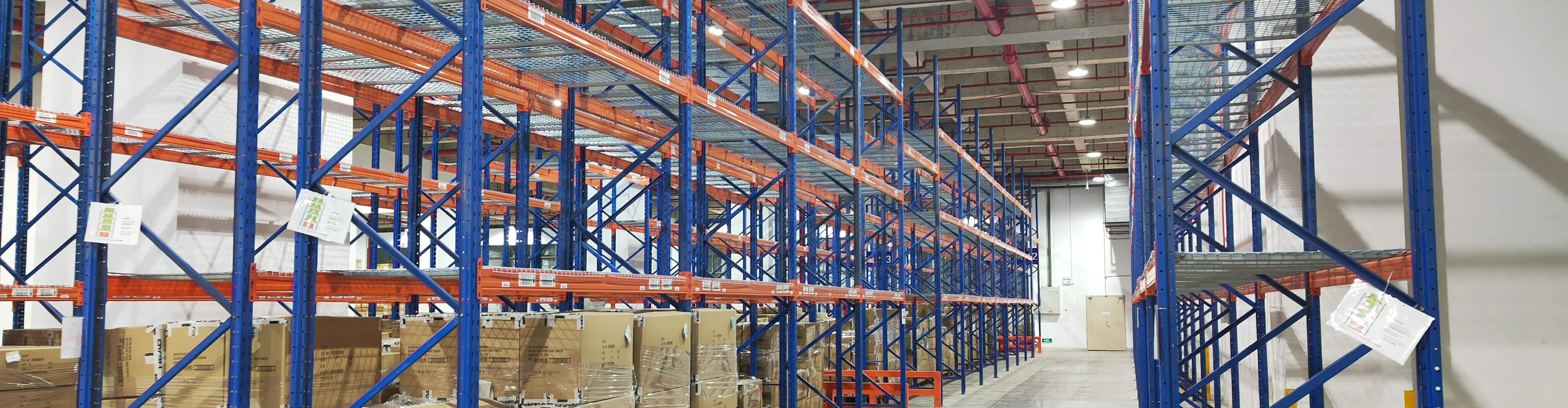
Safe maintenance of heavy duty industrial pallet racking starts with a simple rule: treat the racking as a load-bearing structure, not just warehouse furniture. A safe system depends on regular inspections, clear reporting of damage, correct loading, forklift discipline, and timely repairs using compatible components. If any part of the structure is bent, loose, overloaded, or repeatedly struck, the risk is not limited to that one bay. Damage can affect beam levels, aisle safety, pallet stability, and the overall reliability of the storage area.
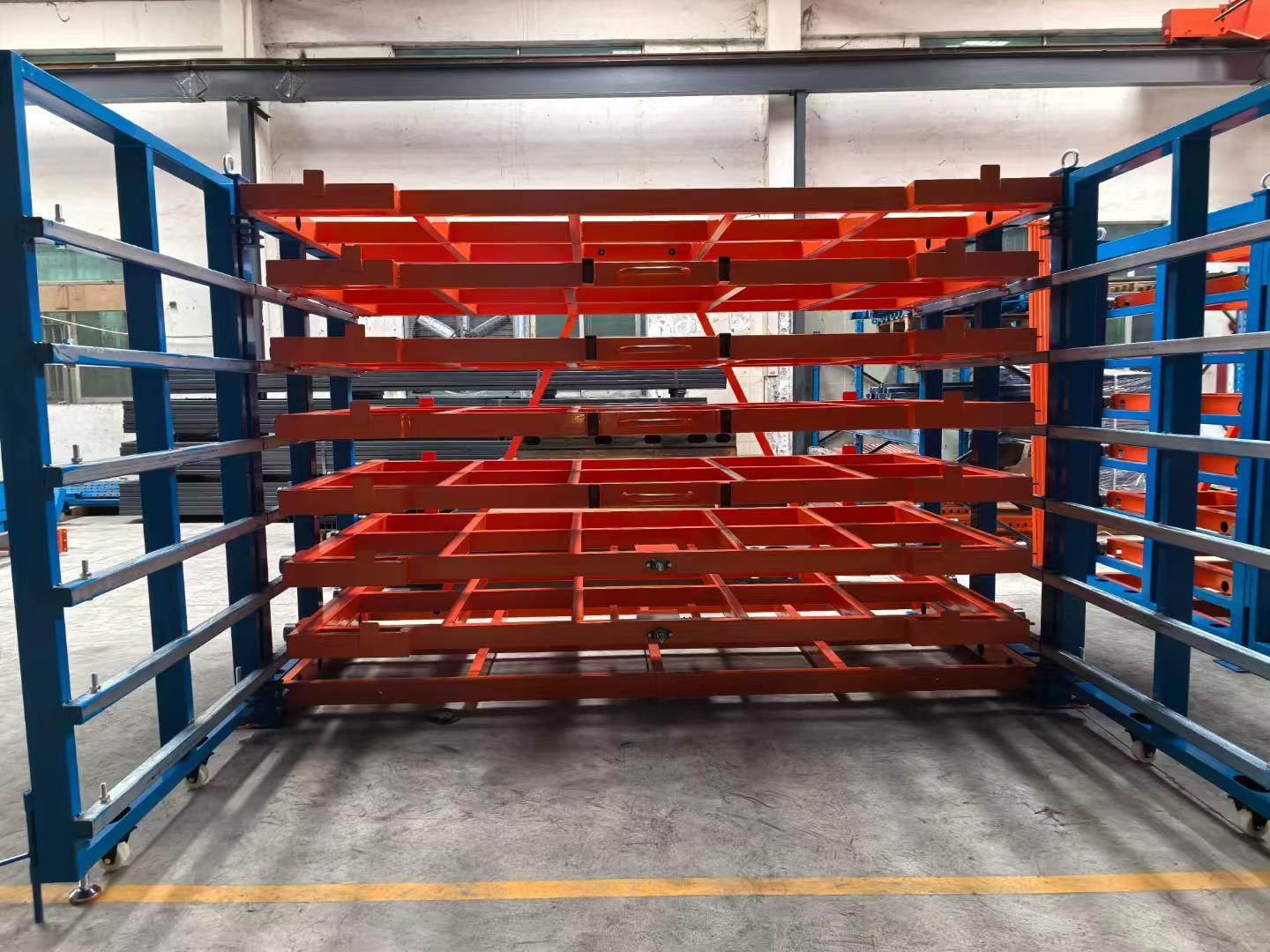
In busy warehouses, pallet racking often deteriorates gradually rather than failing all at once. Uprights get clipped by forklifts, beam connectors loosen over time, pallets overhang too far, and housekeeping issues hide early warning signs. A practical maintenance plan helps warehouse managers catch these issues early, reduce downtime, and protect both people and inventory.
Why heavy duty industrial pallet racking needs a formal maintenance routine
Heavy duty industrial pallet racking carries significant loads every day, often in environments with constant forklift traffic, shifting inventory profiles, and pressure to maximize storage density. That combination makes routine maintenance essential.
Without a defined inspection and repair process, small problems can become expensive ones. A slightly damaged upright may seem manageable until another impact weakens the frame further. A missing safety pin on a beam may go unnoticed until a pallet is placed badly or disturbed during handling. Maintenance is not only about extending service life. It is about preventing unsafe loading conditions and avoiding avoidable operational interruptions.
A structured maintenance approach is especially important in facilities with:
- High forklift movement in narrow aisles
- Frequent pallet turnover
- Mixed pallet sizes and varying load weights
- Low visibility in congested storage zones
- Seasonal peaks that increase handling speed and error rates
- Older racking that has been modified or expanded over time
What to inspect on heavy duty industrial pallet racking
Routine checks should focus on the parts most likely to be damaged, loosened, overloaded, or misused in daily operation. The goal is not to turn warehouse staff into structural engineers. The goal is to identify visible warning signs early and escalate them properly.
1. Uprights and frames
Uprights are among the most vulnerable parts of heavy duty industrial pallet racking because they are exposed to forklift impact at ground level. Even minor contact can deform the steel, especially near aisle ends and lower frame sections.
Check for:
- Bends, dents, twists, or buckling
- Damage near base plates and first beam level
- Frames leaning out of plumb
- Corrosion in damp or exposed areas
- Missing or loose bracing members
If an upright is visibly deformed, do not assume the rack can continue in service just because it is still standing. Damage at the frame level affects load transfer throughout the bay.
2. Beams and beam connectors
Beam levels should be checked for deflection, impact damage, and secure engagement with uprights. In many warehouses, beams are removed and repositioned as inventory changes. That creates opportunities for poor reinstallation or missing locking devices.
Look for:
- Visible sagging or permanent beam deflection
- Damaged beam ends or connector tabs
- Missing safety locks or locking pins
- Beams installed unevenly across a bay
- Signs that pallets are being dropped roughly onto levels
Where beam levels appear overloaded or are supporting pallets that do not sit properly, stop using that location until the loading arrangement is reviewed.
3. Base plates and anchors
The lower part of heavy duty industrial pallet racking takes repeated stress from both static loading and accidental impact. Anchors and base plates help stabilize the entire structure, so they should never be treated as minor details.
Inspect for:
- Loose, missing, or damaged anchor bolts
- Cracked or broken base plates
- Floor damage around anchor points
- Movement between the frame and floor
If the warehouse floor is uneven, cracked, or deteriorating, the racking may also be affected. Floor condition and rack condition should be reviewed together.
4. Load notices and bay labeling
One of the most common maintenance-related failures is not a broken component but misuse caused by poor communication. If load plaques are missing, damaged, or no longer reflect the current configuration, operators may load the rack incorrectly.
Confirm that:
- Load notices are present and legible
- Bay configuration matches the stated load information
- Operators understand pallet position and weight limits
- Changes in beam levels or pallet type have been formally reviewed
5. Pallets and stored loads
Unsafe conditions are often created by the load rather than the steelwork itself. Damaged pallets, uneven weight distribution, overhanging goods, or poorly wrapped loads can all increase risk.
Check for:
- Broken pallet decks or runners
- Pallets not seated fully on beams or supports
- Loads projecting into aisles
- Unstable stacked goods
- Mismatched pallet sizes used in the wrong bay layout
Heavy duty industrial pallet racking can only perform safely when the stored pallet matches the bay design and the handling method used on site.
How often should pallet racking be checked?
The right inspection frequency depends on traffic levels, damage history, warehouse layout, and how intensively the system is used. There is no single schedule that suits every operation, but a layered approach works well in most facilities.
Daily visual awareness
Forklift operators and supervisors should stay alert for obvious new damage during normal work. This is the fastest way to catch impact damage before the next loading cycle continues on a compromised bay.
Weekly or routine internal checks
A designated warehouse team member can walk the aisles and review high-risk areas such as aisle ends, lower uprights, busy pick faces, and bays storing heavier loads. This does not need to be complicated, but it should be consistent and recorded.
Periodic formal inspection
A more detailed review should be carried out at planned intervals, especially in facilities with dense storage, multiple shifts, or a history of rack strikes. This review should look at structural condition, loading practice, labels, repairs, and any pattern of recurring damage.
The key point is consistency. Heavy duty industrial pallet racking is safer when inspections are part of normal warehouse management rather than a reaction after an incident.
Common causes of damage in heavy duty industrial pallet racking
Most rack damage comes from repeatable operational issues, not random bad luck. Understanding the cause helps reduce recurrence after repairs.
Forklift impact
This is the most common source of damage. Impacts often occur because of poor visibility, rushed pallet placement, tight aisle widths, unsuitable truck selection, or operator fatigue. End-of-aisle frames and lower uprights are particularly exposed.
Overloading
When pallet weights exceed the intended capacity of a beam level or bay, the effect may not be immediately obvious. Over time, beams can deform and frames can be overstressed. Overloading also becomes more likely when inventory changes but rack configuration and load control do not.
Incorrect pallet handling
Pallets dragged across beams, dropped heavily, or placed off-center can damage both the pallet and the rack. In some operations, handling damage increases when mixed pallet sizes are stored in the same zone without clear discipline.
Poor housekeeping
Debris in aisles, broken pallets left near rack legs, and poor visibility at floor level all increase strike risk. Housekeeping is often treated separately from rack safety, but in practice they are closely linked.
Unauthorized alterations
Changing beam levels, mixing components from different systems, removing bracing, or adding accessories without review can create unsafe conditions. Any modification to heavy duty industrial pallet racking should be checked for compatibility and loading implications.
Practical steps to maintain heavy duty industrial pallet racking safely
Set clear reporting rules for damage
If operators are unsure whether to report a bent upright or missing locking pin, many issues will go unreported. Make the rule simple: if something looks damaged, loose, missing, or misaligned, report it immediately and identify the bay clearly.
Use a documented inspection checklist
A checklist helps avoid inconsistent reviews. It should cover frames, beams, anchors, locking devices, labels, pallets, and visible loading problems. It should also record location, date, issue type, and action taken.
Isolate damaged bays when needed
Do not leave questionable bays in service because the warehouse is busy. If a component appears damaged enough to affect safe use, unload the location if practical and block access until the issue is reviewed.
Repair with suitable components
Repairs should not rely on improvised steelwork, site welding without review, or incompatible spare parts. Using incorrect components can change fit, performance, and load behavior. Replacement parts should match the system design and installation requirements.
Train operators on rack-safe handling
Maintenance is not only a technical task. It is also an operating discipline. Drivers should understand pallet centering, lift height control, entry angles, and the consequences of striking lower frames. Even a well-designed heavy duty industrial pallet racking system will suffer if the handling method is poor.
Protect vulnerable areas
In high-traffic zones, frame protection, end-of-aisle barriers, and guard rails can reduce impact risk. Protection does not replace proper driving, but it can reduce damage frequency in exposed areas.
Review load changes before reconfiguring bays
When product mix changes, warehouse teams often move beams to suit new pallet heights. That may be operationally necessary, but it can also affect load distribution and safe usage. Reconfiguration should not be done casually.
Maintenance priorities in real warehouse conditions
Not every warehouse faces the same risks. A distribution center with fast pallet turnover may need stronger focus on impact damage and operator behavior. A bulk storage facility may need closer attention to load weight consistency and beam deflection. A cold or damp environment may require additional monitoring for corrosion and floor condition.
Some practical examples of where maintenance priorities change include:
- Narrow aisles: greater risk of upright impact and alignment problems
- High bay storage: more attention needed on load placement accuracy and pallet quality
- Mixed SKU operations: increased chance of wrong pallet type or poor load matching
- Older facilities: more need to review floor condition, previous repairs, and system modifications
- Seasonal peak operations: higher risk of rushed handling and reduced reporting discipline
That is why a maintenance plan for heavy duty industrial pallet racking should reflect actual warehouse use, not just a generic checklist.
When maintenance is not enough
Some problems should not be treated as routine wear. If racking shows repeated impact in the same location, widespread deformation, missing critical components, recurring overload signs, or instability linked to floor issues, the problem may be operational or structural rather than maintenance-related alone.
In those cases, it is worth reviewing:
- Aisle width versus forklift type
- Traffic flow and turning space
- Pallet quality controls
- Load weight verification
- Rack protection strategy
- Whether the current layout still suits the operation
Sometimes the right answer is not another repair. It may be a layout adjustment, a handling change, a different protection scheme, or a review of whether the current heavy duty industrial pallet racking setup still fits the business.
Simple safe-maintenance checklist
For day-to-day control, warehouse teams can use a simple checklist:
- Check lower uprights for fresh impact damage
- Confirm beams are level, seated correctly, and locked
- Look for missing anchors, loose bolts, or damaged base plates
- Review pallets for damage before storage
- Make sure loads are stable and not overhanging into aisles
- Keep rack labels and load notices visible
- Remove or isolate damaged locations quickly
- Record issues and confirm repair completion
Conclusion
Safe upkeep of heavy duty industrial pallet racking depends on routine inspection, fast damage reporting, disciplined loading, and proper repairs. The most common risks are visible if people know what to look for: bent uprights, damaged beams, loose anchors, missing locks, unstable pallets, and signs of misuse. A practical maintenance routine reduces the chance that minor damage turns into a larger safety problem.
For warehouse managers, the priority is not only to fix damaged racking but to understand why the damage happened. When maintenance, operator behavior, housekeeping, and load control work together, heavy duty industrial pallet racking stays safer, more reliable, and easier to manage over the long term.
FAQ
What is the most common damage found on pallet racking?
The most common issue is impact damage to lower uprights caused by forklifts, especially near aisle ends and busy loading positions.
Can damaged pallet racking stay in service temporarily?
If damage appears to affect safe loading or structural stability, the bay should not remain in normal use. It is safer to isolate the area and review it before further loading.
How can warehouses reduce rack damage?
Practical steps include operator training, better housekeeping, clear load control, suitable aisle widths, and protective barriers in vulnerable areas.
Does changing beam height affect rack safety?
Yes. Repositioning beams can change how loads are supported and may affect the safe use of the bay, so changes should be reviewed rather than made informally.