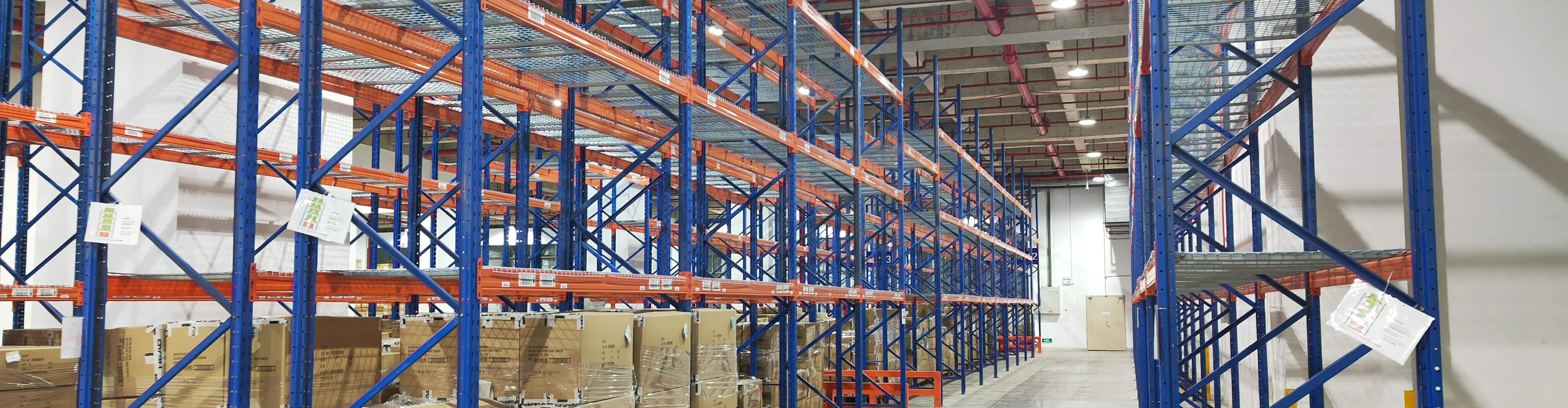
The cost of heavy duty industrial pallet racking can vary widely because the price is driven by layout, load capacity, rack height, beam length, number of levels, site conditions, and installation scope. For most buyers, the right question is not only how much heavy duty industrial pallet racking costs per bay or per pallet position, but what total system cost will be required to support safe, efficient warehouse operations.
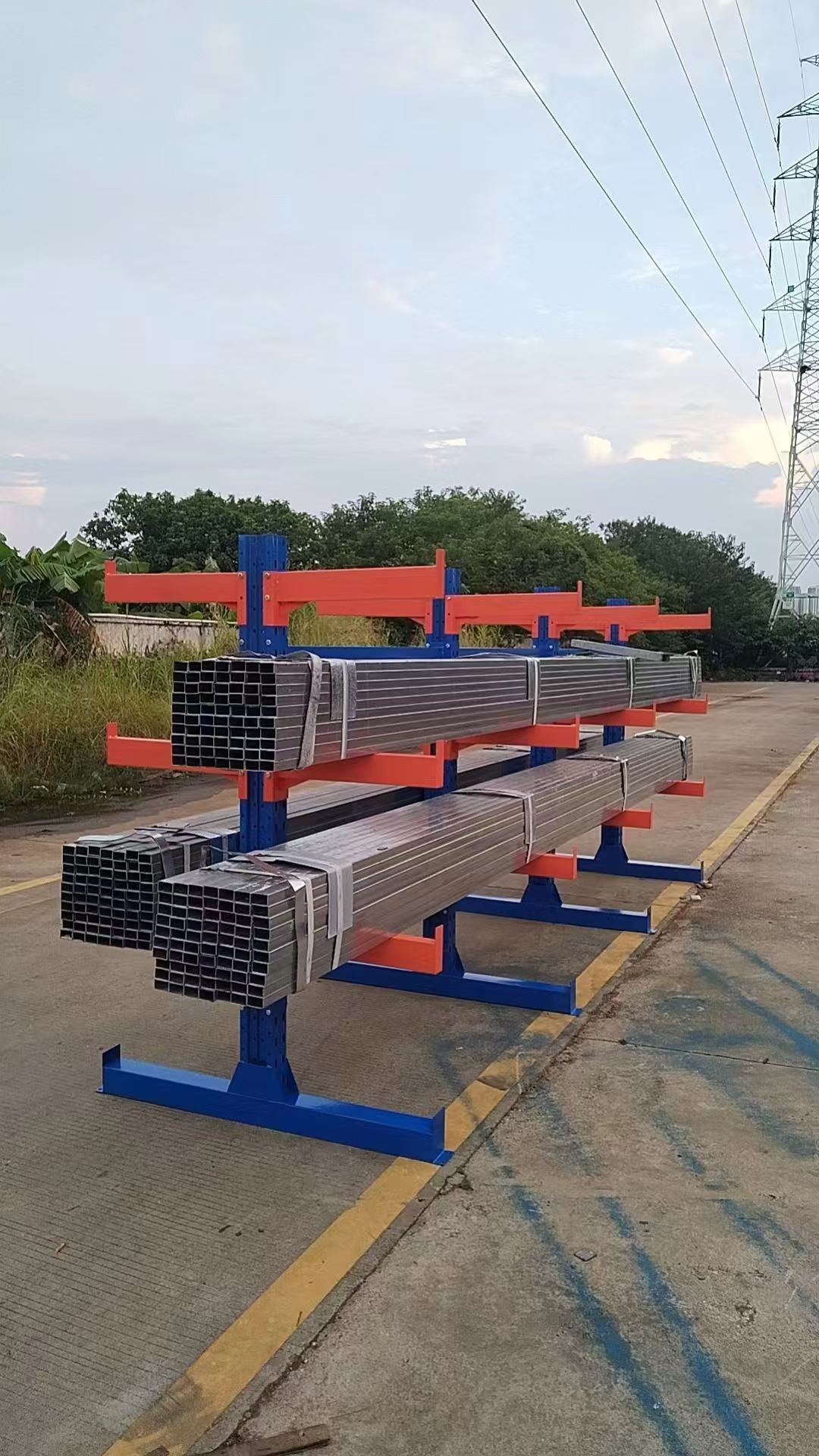
If you are planning a new warehouse fit-out or replacing an existing storage system, the most practical way to budget heavy duty industrial pallet racking is to break the project into its main cost drivers: the rack structure itself, accessories and protection, installation, freight, and any warehouse-specific constraints such as floor condition, aisle width, or special handling equipment. That approach gives a more realistic purchasing picture than looking for a single generic price.
What affects the cost of heavy duty industrial pallet racking?
Heavy duty industrial pallet racking is not a one-size-fits-all product. Two warehouses with the same floor area can end up with very different project costs because the storage requirement and operating method are different.
1. Rack height and building clear height
Taller systems usually cost more because they require larger uprights, more demanding load design, and often more planning around forklift lift height and safety clearances. A warehouse with limited clear height may use more floor area to achieve the same pallet capacity, while a taller building may reduce footprint but increase structural and installation costs.
2. Pallet load weight and beam capacity
Heavy duty industrial pallet racking designed for dense, heavy pallet loads needs stronger frames and beams than a system storing lighter goods. Buyers sometimes underestimate how much load rating changes price. If your pallets vary in weight, the design usually needs to account for the heaviest realistic load, not the average one.
3. Number of bays, levels, and pallet positions
The more pallet positions you need, the higher the total project cost. However, the cost per pallet position may improve as the system grows because end frames, delivery, and installation are spread across a larger layout. A small project can sometimes look expensive on a per-position basis for that reason.
4. Aisle layout and forklift type
A warehouse using standard counterbalance forklifts may need wider aisles than a site using reach trucks or very narrow aisle equipment. Wider aisles reduce storage density and may increase the amount of heavy duty industrial pallet racking required to hit your target capacity. The racking cost is tied closely to handling strategy, not just to square meterage.
5. Single-deep, double-deep, or higher-density configuration
Standard selective pallet racking is usually the easiest to access and manage, but it may not deliver the highest storage density. Double-deep or other higher-density layouts can reduce aisle count, yet they may require different forklift equipment and can affect stock accessibility. Lower rack quantity does not always mean lower total project cost once handling equipment and workflow changes are considered.
6. Accessories and protection
Many heavy duty industrial pallet racking projects need more than uprights and beams. Common extras include:
- Row spacers
- Mesh decking or support bars
- Column guards and end-of-aisle protection
- Safety pins and load signage
- Pallet support rails or specialty supports
- Wire mesh backing where required by the layout
These items improve safety and usability, but they also change the project budget.
7. Floor condition and anchoring
Warehouse floors are often overlooked during budgeting. If the slab is uneven, damaged, or not suitable for straightforward anchoring, installation becomes more complicated. Shimming, extra leveling work, or site preparation can add cost and time.
8. Installation and site access
Installation cost depends on project size, working hours, building access, and whether the site is empty or operating during the fit-out. A greenfield installation in an empty warehouse is usually simpler than replacing racking in a live operation where stock movement, safety barriers, and phased work are required.
How buyers usually estimate heavy duty industrial pallet racking cost
Most commercial buyers look at heavy duty industrial pallet racking pricing in one of three ways:
- Cost per bay
- Cost per pallet position
- Total installed project cost
For early budgeting, cost per pallet position is often the most useful because it links spend directly to storage capacity. For procurement and final approval, total installed project cost is more reliable because it reflects the full scope, including protection, freight, and installation.
Cost per bay can be misleading if one supplier includes only basic frames and beams while another includes protection, anchors, and installation. When comparing quotations for heavy duty industrial pallet racking, buyers should always confirm exactly what is included.
What should be included in a pallet racking quotation?
A proper quotation for heavy duty industrial pallet racking should help you compare suppliers on like-for-like terms. At minimum, check the following:
- Frame height, depth, and capacity
- Beam length and beam load rating
- Number of levels and pallet positions
- Bay layout and aisle arrangement
- Anchors, safety locks, and baseplates
- Protectors, guards, and optional accessories
- Freight or delivery charges
- Installation scope
- Any exclusions such as floor repairs, permits, unloading, or equipment hire
This matters because two heavy duty industrial pallet racking quotes can appear close in price while covering different levels of scope and risk. The lower quote is not necessarily the lower project cost if key items are excluded.
Why heavy duty industrial pallet racking costs differ between warehouses
Warehouse storage projects are shaped by real operating conditions. A system designed for full-pallet reserve storage in a stable SKU environment is usually simpler than a system supporting mixed pallet sizes, active replenishment, and frequent picking traffic.
Here are some practical examples of why heavy duty industrial pallet racking cost changes from one site to another:
- A food or consumer goods warehouse with many SKUs may prioritize direct access to each pallet, leading to more aisles and more rack structure.
- A bulk storage operation with low SKU variety may accept deeper storage configurations to increase density.
- A facility with damaged floors or restricted installation access may incur additional labor cost.
- A distribution center planning future expansion may invest in a layout that allows additional rows or higher levels later.
- A warehouse using older forklifts may need wider aisles than a site designed around newer reach trucks.
These are not minor details. They directly affect how much heavy duty industrial pallet racking is required and how efficiently the warehouse will operate after installation.
New vs used heavy duty industrial pallet racking
Some buyers consider used heavy duty industrial pallet racking to reduce capital cost. In some cases, this can be a reasonable option, but it comes with trade-offs that should be reviewed carefully.
Potential advantages of used racking
- Lower upfront purchase cost
- Shorter lead time if matching stock is available locally
- Useful for temporary expansion or lower-priority storage areas
Potential limitations of used racking
- Inconsistent component availability
- Difficulty matching frame sizes, beam lengths, and capacities
- Possible damage, corrosion, or missing accessories
- Less flexibility for future expansion if the profile is discontinued
- More time spent on inspection and sorting before installation
Used heavy duty industrial pallet racking should never be treated as a simple commodity purchase. Buyers need to verify component condition, compatibility, and suitability for the intended pallet loads and operating environment.
Cost factors buyers often overlook
When budgeting heavy duty industrial pallet racking, many teams focus on rack material and miss secondary costs that affect the real project total.
Warehouse layout redesign
If the new system changes aisle count, staging space, or picking flow, you may need to rework traffic routes, replenishment zones, or dispatch areas. The rack itself may fit the budget, but the layout may still reduce operational efficiency if these details are not planned early.
Forklift suitability
Not every forklift is suited to every rack layout. If beam levels are high or aisles are narrow, equipment limitations can affect both safety and productivity. In some projects, handling constraints shape the racking design more than the rack budget does.
Protection and damage prevention
Heavy duty industrial pallet racking in busy forklift environments is exposed to impact risk. Upright protection, end-of-aisle barriers, and clear operating discipline are part of cost control over the life of the system. A cheaper layout with poor protection can become more expensive through repairs, downtime, and reduced rack life.
Inspection and maintenance
After installation, heavy duty industrial pallet racking still needs regular inspection. Damage from forklift contact, overloaded beams, missing safety locks, or unauthorized modifications can create safety and operational problems. Buyers should consider not only purchase cost, but also how easy the system will be to inspect, maintain, and repair.
How to compare heavy duty industrial pallet racking options practically
If you are reviewing proposals, compare them in a structured way rather than choosing on unit price alone.
Ask these questions before deciding
- Does the design match our pallet size, pallet weight, and load overhang?
- Will our forklifts operate safely at the proposed height and aisle width?
- How many pallet positions are usable in daily operations, not just on paper?
- What protection is included for high-traffic areas?
- Can the system be expanded later without replacing major components?
- Is the quotation based on a clear layout drawing and defined load assumptions?
- What is excluded from supply and installation?
These questions usually reveal whether a heavy duty industrial pallet racking quote is genuinely fit for purpose or simply designed to look competitive.
When lower-cost racking can become expensive
A low initial price may not represent good value if the system creates inefficiency or future rework. Heavy duty industrial pallet racking that is under-specified, poorly protected, or badly matched to the handling method can lead to avoidable cost later.
Common examples include:
- Choosing a layout with too little aisle space, slowing forklift movement and increasing damage risk
- Using a beam level arrangement that wastes vertical cube because pallet heights were not reviewed properly
- Buying a system with limited compatibility for future expansion
- Reducing protection to save money in a high-impact environment
- Ignoring floor condition until installation starts
In practice, the best heavy duty industrial pallet racking investment is usually the one that balances storage density, accessibility, safety, and long-term operational control.
A practical budgeting approach for buyers
If you need a realistic budget for heavy duty industrial pallet racking, use this process:
Define pallet dimensions, pallet weights, SKU profile, and target pallet positions.
Confirm handling equipment type, lift height, and preferred aisle width.
Review building clear height, column positions, sprinkler constraints, and floor condition.
Decide whether the priority is direct access, density, replenishment speed, or future expansion.
Request quotations based on the same layout assumptions and inclusion list.
Compare total installed cost, not just rack material cost.
Check how the system will be inspected, protected, and maintained after handover.
This approach helps procurement teams avoid the common mistake of treating heavy duty industrial pallet racking as a simple product purchase instead of a working warehouse system.
FAQ
Is heavy duty industrial pallet racking priced per bay or per pallet position?
It can be quoted either way, but pallet position pricing is often more useful for early budgeting. Final decisions should be based on the total installed project cost and the exact scope included.
Does taller pallet racking always cost more?
Usually yes, because taller heavy duty industrial pallet racking often requires stronger components and more installation effort. However, taller storage can sometimes reduce the amount of floor area needed, which may improve overall warehouse efficiency.
Is used heavy duty industrial pallet racking worth considering?
It can be, especially for cost-sensitive or temporary applications, but it needs careful inspection for damage, compatibility, and missing parts. Buyers should be cautious about mixing components without clear suitability checks.
What is the biggest mistake when budgeting pallet racking?
One of the most common mistakes is comparing quotes without checking what is included. Freight, installation, protection, anchors, and floor-related work can materially change the real cost.
Conclusion
The cost of heavy duty industrial pallet racking depends on far more than the rack frame and beam price. Load requirements, layout efficiency, forklift access, building constraints, protection, and installation scope all shape the final budget. For most warehouses, the right decision is not the cheapest heavy duty industrial pallet racking option, but the system that delivers safe storage capacity, workable access, and manageable long-term operating cost.
If you are planning a project, the most reliable next step is to define your pallet loads, warehouse layout, and handling method clearly before requesting quotations. That makes heavy duty industrial pallet racking pricing easier to compare and much more useful for real purchasing decisions.