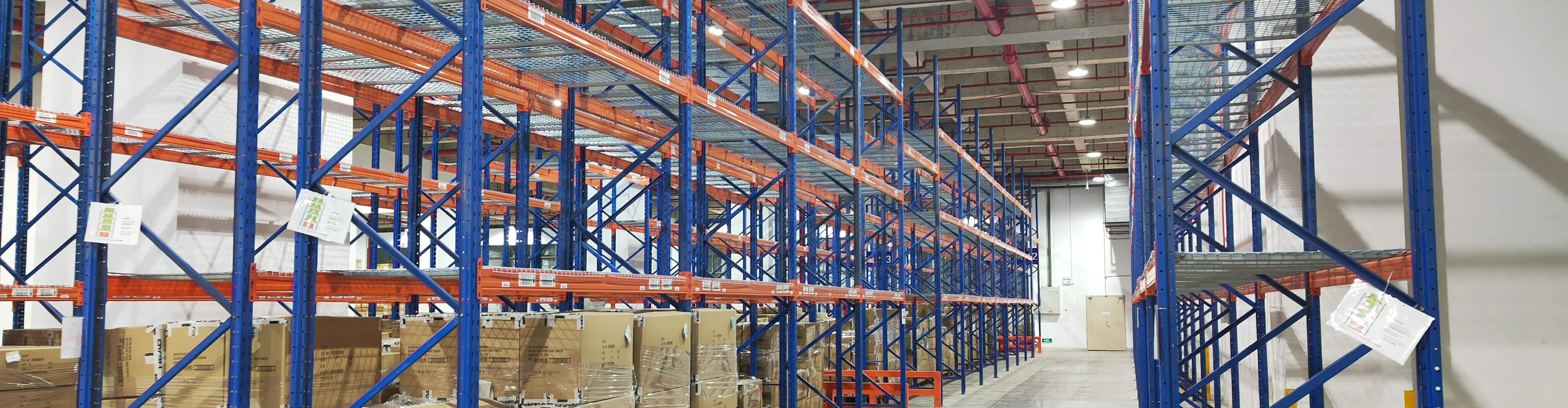
Heavy duty metal shelving helps businesses increase storage capacity by using vertical space more effectively, organizing inventory by access frequency, and reducing wasted floor area. When planned properly, it can improve picking efficiency, support safer stock control, and delay the need for a larger facility.
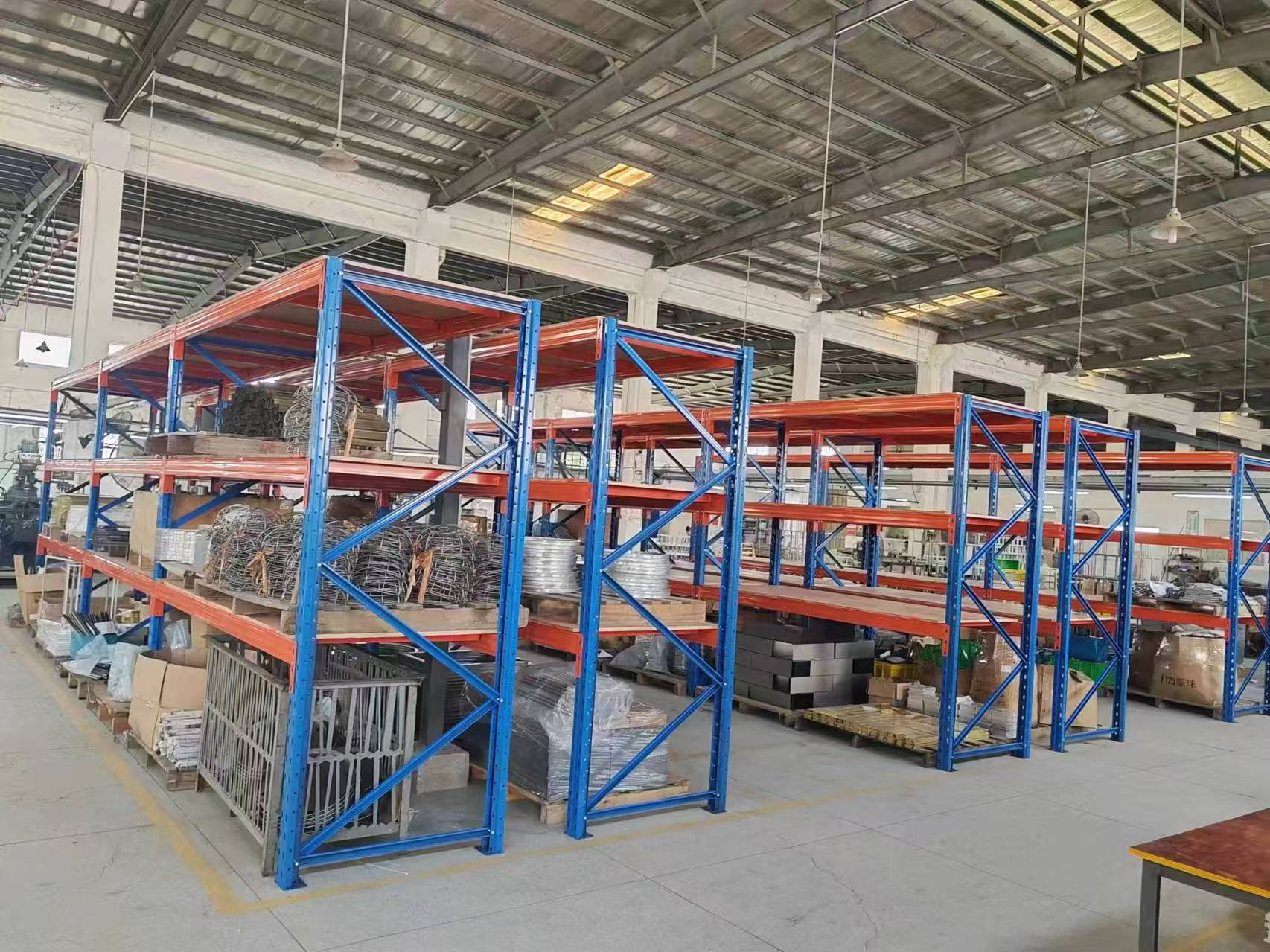
For many warehouses, workshops, back-of-house retail areas, and industrial storerooms, the real problem is not simply a lack of space. It is space that is poorly allocated. Oversized aisles, inconsistent shelf heights, unsuitable shelf depths, and mixed storage methods often leave a large amount of usable cubic space untouched. Heavy duty metal shelving is often a practical way to recover that lost capacity, especially for hand-loaded goods, cartons, bins, components, tools, and non-palletized inventory.
The key is not just installing more shelves. To maximize storage space with heavy duty metal shelving, you need to match the shelving layout to your SKU profile, handling method, load requirements, and daily workflow. A system that looks efficient on paper can create congestion, slow picking, or cause stock visibility problems if the layout does not reflect how the operation actually works.
Why heavy duty metal shelving is effective for space optimization
Heavy duty metal shelving is designed to store substantial loads while keeping goods directly accessible. Unlike pallet racking, which is optimized for forklift-handled pallet loads, heavy duty metal shelving is often better suited to operations that need frequent manual access to individual items, cartons, or parts. That makes it useful in facilities where storage density must be balanced with picking speed.
One of the main advantages of heavy duty metal shelving is vertical flexibility. Shelf levels can usually be configured to suit different product heights, which reduces the empty air space that builds up when everything is stored on the same standard pitch. In practical terms, that means more sellable or usable stock can fit into the same footprint.
It also supports cleaner inventory zoning. Fast-moving items can be placed between waist and shoulder height, slower stock can move higher or lower, and similar SKUs can be grouped in a way that shortens travel time. This is where heavy duty metal shelving contributes not only to storage capacity but also to labor efficiency.
Start with a realistic storage assessment
Before changing layouts or ordering equipment, assess what is actually being stored. This step is often skipped, and it leads to shelving that is either underused or overloaded.
Review your inventory profile
Look at the stock by size, weight, handling frequency, and packaging type. Ask practical questions such as:
- Are items stored in cartons, bins, loose units, or totes?
- Do staff pick full cases or individual pieces?
- Which SKUs move daily, weekly, or rarely?
- Are there seasonal products that temporarily increase storage demand?
- Do some items require clear segregation for safety, traceability, or batch control?
Heavy duty metal shelving works best when shelf dimensions and level spacing reflect the actual product mix. If the shelving is too deep, stock gets hidden and access becomes awkward. If it is too shallow, valuable space is wasted.
Measure the building, not just the floor area
Many facilities focus on square meters and overlook clear height, obstructions, and access limitations. To maximize storage space with heavy duty metal shelving, you need accurate information on:
- Ceiling height and clear vertical space
- Lighting positions, sprinkler clearance, and building columns
- Door openings and transfer routes
- Floor condition and levelness
- Areas used by forklifts, trolleys, or packing benches
In older buildings especially, the usable height may be less than expected once lighting, ducting, or fire protection infrastructure is considered. That affects how high heavy duty metal shelving can be installed and still remain practical for safe access.
Use vertical space properly
The most obvious way to gain capacity is to build upward, but vertical storage only works if upper levels remain usable. Heavy duty metal shelving should add capacity without creating unsafe reaching, poor visibility, or slow replenishment.
Set shelf heights around product dimensions
A common mistake is leaving too much vertical gap between shelf levels. If a carton is 300 mm high and the shelf opening is 500 mm, that extra space is repeated across every level. Across a full shelving run, the lost capacity becomes significant.
Adjust shelf spacing to the tallest product in each section, with enough operational clearance for handling. This approach usually delivers better space utilization than applying one standard shelf pitch everywhere.
Reserve prime access zones for fast movers
Not every level has equal value. The most efficient picking zone is usually between knee and shoulder height. Place fast-moving SKUs there, and move reserve stock or slower lines to higher or lower positions. This helps heavy duty metal shelving support both capacity and picking productivity.
If staff need step access for upper levels, make sure the time impact is justified. In many operations, upper shelves are best used for backup stock rather than primary pick faces.
Choose the right shelving depth and bay width
Heavy duty metal shelving is not automatically space-efficient just because it is strong. Incorrect bay sizing can reduce visibility, complicate replenishment, and waste capacity.
When deeper shelves help
Deeper shelves can increase storage volume for boxed stock, archive items, reserve inventory, or slow-moving goods that do not require constant access. They are also useful where products are stored in standardized containers.
When deeper shelves become inefficient
For high-SKU environments with frequent picking, deep shelves can create hidden stock, mixed locations, and poor rotation control. Staff may place one carton behind another, making it harder to count inventory accurately or access older stock first. In those situations, narrower or divided shelf sections may use space more intelligently, even if headline capacity looks lower.
Bay width also matters. Wider bays reduce the number of uprights and can create cleaner storage runs, but they should still suit the product dimensions and load pattern. If wide bays encourage random stacking or mixed item placement, organization usually suffers.
Reduce wasted aisle space without restricting access
Aisles consume a large share of warehouse floor area. To maximize storage space with heavy duty metal shelving, aisle width should reflect the actual handling method, not habit or guesswork.
If staff pick by hand or with small trolleys, aisles can often be narrower than in forklift-served pallet storage areas. But they should still allow safe passing, turning, replenishment, and emergency access. Over-tight aisles can damage shelving corners, slow movement, and create housekeeping issues.
In mixed-use facilities, it is often worth separating pedestrian shelving zones from forklift traffic zones. Heavy duty metal shelving performs better when pickers are not competing with pallet handling equipment in the same aisles. This can also reduce accidental impact risk.
Segment inventory by function, not just by available space
One of the fastest ways to waste shelving capacity is to place stock wherever room happens to be available. A better approach is to assign heavy duty metal shelving by inventory behavior.
Useful zoning methods
- Fast-moving picking stock: easy-access locations near packing or dispatch areas
- Slow-moving reserve stock: upper levels or less central bays
- Small parts and components: shelving with bins, dividers, or labeled compartments
- Bulky non-palletized items: wider bays with fewer shelf levels
- Returns, quarantine, or inspection stock: clearly separated bays to avoid inventory errors
This kind of zoning makes heavy duty metal shelving more effective because each section is configured for a clear purpose. It also improves counting, replenishment, and stock discipline.
Combine shelving with bins, dividers, and labeling
Space is often lost inside the shelf, not just between shelves. Loose items, mixed cartons, and unclear locations reduce practical capacity because staff need more room to keep products visible and accessible.
Heavy duty metal shelving becomes more efficient when paired with simple internal organization tools such as:
- Plastic bins for small parts
- Shelf dividers for separating SKUs
- Clear location labels
- Barcode labels for stock control
- Load signage where appropriate
These additions do not increase the physical size of the shelving, but they often increase usable storage space by reducing disorder. In many facilities, stock sprawl comes from poor slotting rather than a true shortage of shelving.
Match the shelving system to the handling method
Heavy duty metal shelving is most effective where goods are manually placed and picked. If the inventory is mainly stored on pallets, moved by forklift, or handled in full pallet quantities, pallet racking may be the better primary system. Shelving can still play an important supporting role for split-case picking, spare parts, maintenance stores, or e-commerce lines.
For operations with frequent replenishment, think about how stock will move from receiving to shelving and from shelving to dispatch. If staff constantly need to decant pallets into shelf locations, make sure there is enough staging space and a clear replenishment routine. Otherwise, aisles can become blocked and the storage gain from heavy duty metal shelving is partly lost to operational clutter.
Plan around load capacity and structural discipline
Trying to maximize storage space should never mean pushing shelving beyond its intended load limits. Heavy duty metal shelving must be selected and used according to realistic load requirements, including the weight per shelf level and the total load per bay.
Common problems arise when businesses add more stock over time without reviewing whether the shelving configuration still matches the load. Dense small items, metal components, liquids, or boxed hardware can create very high shelf loads in a relatively small area.
Good practice includes:
- Understanding expected load per level
- Keeping heavier items on lower levels where practical
- Avoiding uneven loading across bays
- Displaying load information where needed
- Checking anchors, bracing, and shelf condition during routine inspections
If the goal is to increase capacity quickly, it is especially important not to let convenience override load control.
Think about replenishment, picking, and stock rotation
Heavy duty metal shelving should make the operation easier to run, not just denser. A layout that stores more cartons but makes replenishment awkward may reduce overall productivity.
When reviewing shelving design, consider:
- How often each location needs replenishment
- Whether staff can rotate stock properly
- How easily labels can be seen
- Whether picking routes are logical
- Whether reserve stock is too far from active pick faces
For example, if high-volume SKUs are stored at the far end of the shelving area simply because space was available there, travel time increases every day. That is a poor trade if the business saves a small amount of floor space but adds ongoing labor cost.
Allow for inspection, cleaning, and maintenance access
Space optimization should not create blind corners or inaccessible storage runs. Heavy duty metal shelving needs to remain inspectable and maintainable over time. Dust buildup, damaged shelves, loose fittings, and bent components are harder to identify if the layout is overly compressed.
Leave enough access for routine cleaning, stock checks, and visual inspection. In practical warehouse use, shelving is exposed to knocks from carts, ladders, cages, and occasionally forklifts operating nearby. If damage is not spotted early, the risk increases as loads continue to build.
Periodic checks should focus on:
- Damaged uprights or shelf supports
- Loose bolts or connectors
- Shelf deflection or distortion
- Missing accessories or safety clips if used
- Corrosion in damp or harsh environments
- Blocked aisles and poor housekeeping around the shelving base
Common mistakes that reduce the value of heavy duty metal shelving
- Using one shelf layout for all products: this usually creates wasted vertical space and poor slotting.
- Ignoring SKU movement: fast-moving items end up in awkward positions, slowing picking.
- Making aisles too narrow: capacity increases on paper, but access and safety suffer.
- Overloading shelves: short-term storage gain creates long-term risk.
- Mixing unrelated stock in the same bay: visibility, counting, and replenishment become harder.
- Failing to plan for growth: the layout works initially but becomes congested as inventory expands.
These mistakes are common because businesses often treat heavy duty metal shelving as simple furniture rather than as part of the warehouse operating system.
How to decide if heavy duty metal shelving is the right solution
Heavy duty metal shelving is a strong fit when you need direct access to many SKUs, store goods manually, and want better use of vertical space without moving to a full palletized storage strategy. It is often a sensible option for spare parts, maintenance stores, pick modules, backroom inventory, tools, archives, and mixed carton storage.
It may be less suitable as the main storage solution if most inventory is palletized, if forklift handling is dominant, or if very high-density bulk storage is the priority. In those cases, pallet racking, longspan shelving, or a mixed-system layout may be more efficient.
The right decision usually comes from balancing four factors: storage density, accessibility, workflow, and load requirement. Heavy duty metal shelving works well when those four factors are aligned.
FAQ
What is the main benefit of heavy duty metal shelving in a warehouse?
The main benefit is better use of vertical and floor space while keeping individual items directly accessible for manual picking and stock control.
Can heavy duty metal shelving replace pallet racking?
Not always. Heavy duty metal shelving is usually better for hand-loaded goods and high-SKU storage. Pallet racking is generally more suitable for forklift-handled pallet loads.
How do I maximize storage without making access difficult?
Use shelf heights that match product dimensions, zone stock by movement, reduce aisle width only within safe operating limits, and avoid shelf depths that hide inventory.
What should I check before installing more shelving levels?
Review product height, handling method, safe access, load per shelf level, total bay load, and whether staff can still replenish and inspect the shelving properly.
Conclusion
To maximize storage space with heavy duty metal shelving, focus on usable capacity rather than just adding more steel. The best results come from accurate inventory analysis, disciplined slotting, practical aisle planning, safe load management, and a layout that reflects how staff actually pick and replenish stock. When heavy duty metal shelving is configured around real warehouse conditions, it can increase storage capacity, improve organization, and support more efficient daily operations without unnecessary complexity.