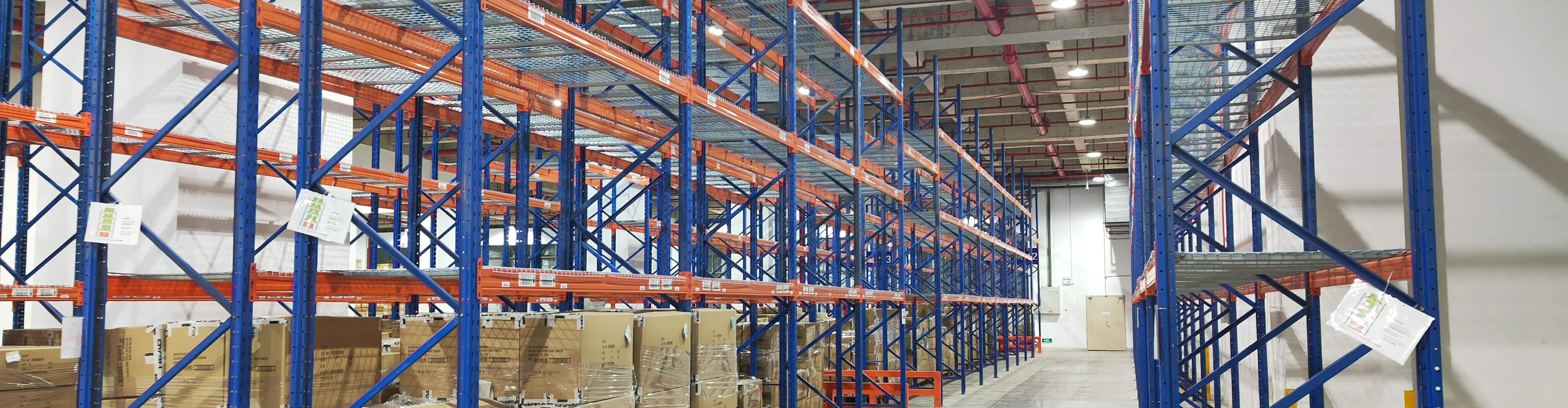
Heavy duty pallet racking can support a very wide range of loads, but there is no single universal weight figure. Capacity depends on the rack design, upright frame size, beam length, beam profile, bay configuration, floor condition, anchoring, pallet size, and how the load is distributed. In practice, some systems are built for moderate pallet loads, while others are engineered for very high per-level and per-bay capacities. The correct answer always comes from the rack load rating supplied for that exact configuration.
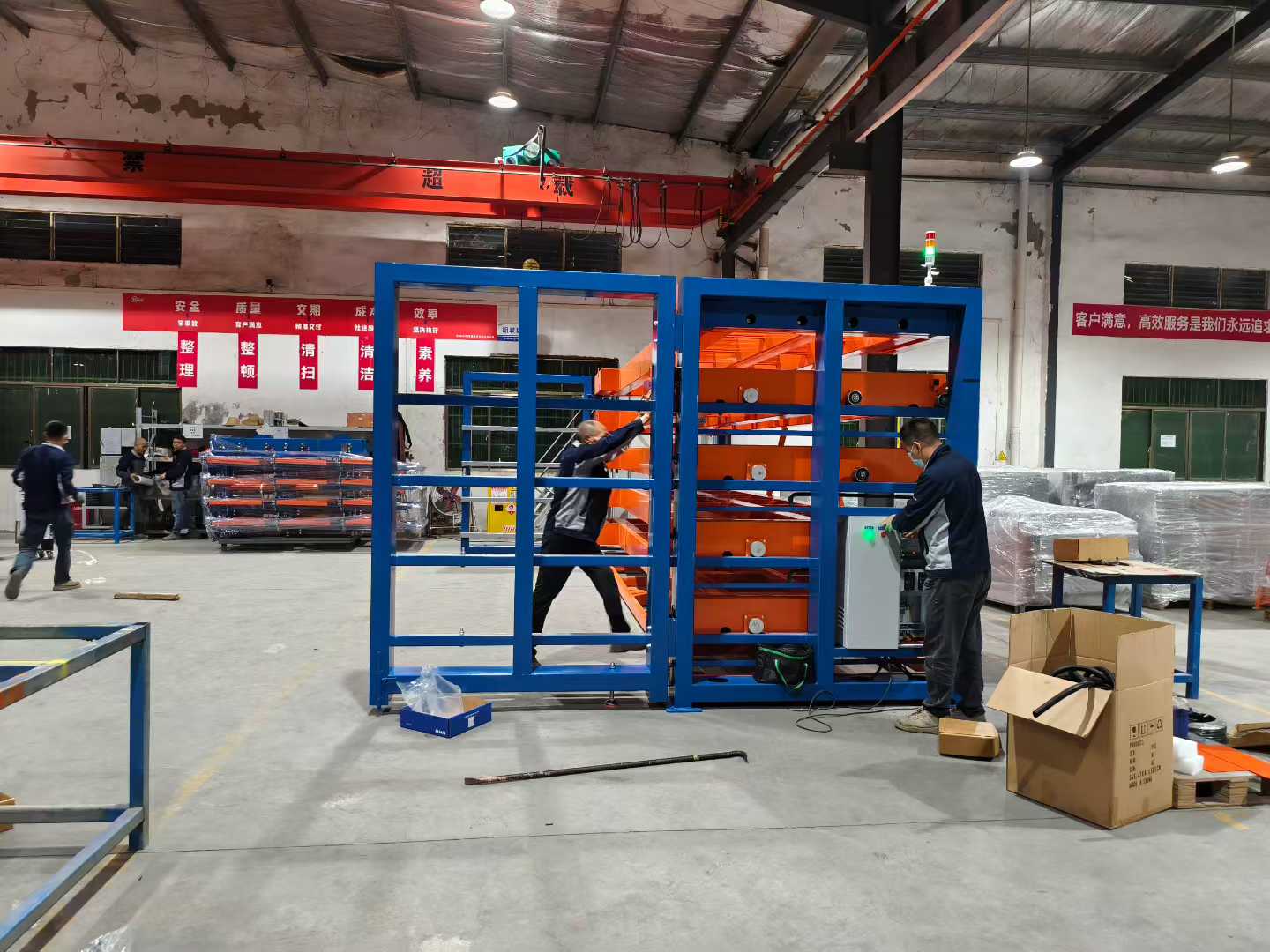
That is the most important point for warehouse managers and buyers: capacity is not based on what looks strong enough. It is based on a calculated and specified load limit for each beam level, each bay, and the overall upright frame.
What determines the load capacity of heavy duty pallet racking?
When people ask how much heavy duty pallet racking can support, they are usually thinking about the pallet weight. That matters, but it is only one part of the calculation. A racking system carries load through several connected components, and the weakest point in the system often sets the final rating.
1. Upright frame strength
The upright frames transfer the load from the beam levels down to the floor. Their capacity depends on frame height, steel section, bracing pattern, depth, and how many beam levels are installed. A taller frame with more levels usually has different limits than a shorter frame carrying the same pallet weight.
2. Beam capacity
Each beam pair has its own safe working load. This is affected by beam length, beam section, connector design, and deflection limits. Longer beams usually carry less weight than shorter beams made from the same profile because the span is greater.
3. Number of pallets per level
A beam level designed for two pallets is not automatically suitable for three pallets, even if the total bay width seems close. Pallet overhang, clear entry space, and load placement all affect performance. Overcrowding a level is a common cause of poor load distribution.
4. Load distribution
Heavy duty pallet racking performs as designed when the load is evenly distributed across the beam pair and properly seated. Point loading, uneven pallet bases, damaged pallets, or off-center placement can reduce safe performance.
5. Rack height and layout
As rack height increases, structural behavior changes. High-bay installations may need stricter design controls, more careful tolerances, and stronger protection measures. A layout with very wide aisles and standard lift trucks may have different practical load limits than a narrow aisle setup using specialized equipment.
6. Floor slab and anchors
The racking is only as reliable as the floor supporting it. Floor flatness, slab thickness, concrete condition, and anchor installation all matter. Even a properly specified heavy duty pallet racking system can become unsafe if the floor is weak, cracked, uneven, or not suitable for the imposed point loads.
Understanding rack load ratings: level load, bay load, and frame load
To judge how much heavy duty pallet racking can support, it helps to separate the main capacity terms used in warehouse planning.
- Beam level load: the maximum safe load for one pair of beams at one storage level.
- Bay load: the total allowable load for the entire bay, including all loaded beam levels within that bay.
- Frame load: the load that each upright frame can safely carry under the specified arrangement.
These ratings work together. For example, even if one beam level appears strong enough for a certain pallet load, the total number of loaded levels in the bay may still exceed the frame capacity. This is why warehouse teams should never estimate capacity based on one component alone.
Why there is no standard weight limit for every heavy duty pallet racking system
There is no fixed load capacity that applies to all heavy duty pallet racking because the category covers many different designs. Two racks may look similar from a distance but have very different ratings due to steel thickness, beam geometry, connector count, frame profile, or installation height.
This is also why mixing components from different systems can create risk. A beam from one supplier or series may not perform the same way in another frame, even if the dimensions seem compatible. For commercial operations, the safe approach is to use a complete, correctly specified system and confirm all load data before use.
Typical practical factors that reduce real-world load capacity
In a warehouse, the stated capacity of heavy duty pallet racking is only valid when the system is used as intended. Day-to-day operating conditions often reduce practical loading margins.
Damaged pallets
Broken deck boards, weak runners, or inconsistent pallet sizes can create uneven bearing points on the beams. This can cause poor seating and unstable loads, especially with heavy goods.
Forklift impact
Repeated contact with uprights or beams can weaken the structure over time. Even minor impact can matter if it affects a critical upright near the base. In busy sites with frequent truck movement, rack protection is often just as important as nominal capacity.
Incorrect pallet placement
If pallets are not centered, are pushed too far back, or are bridging incorrectly across support points, the load path changes. This is a common issue where operators handle mixed pallet types or irregular unit loads.
Changes to beam levels
Moving beam levels, adding extra levels, or changing pallet positions without recalculating capacity can invalidate the original rating. A rack configured for two high-load pallets per level may not be safe after layout changes made to fit more positions.
Unsupported overloading from growth
As inventory expands, warehouses sometimes place heavier SKUs into existing heavy duty pallet racking without reviewing the original design assumptions. That is a common planning mistake, especially after product mix changes, supplier packaging changes, or a move toward denser storage.
How to calculate the load requirement for your warehouse
Before choosing or reviewing heavy duty pallet racking, define the actual load requirement clearly. Many buying mistakes happen because the business knows its average pallet weight but not its heaviest realistic operating load.
Step 1: Identify the heaviest pallet, not the average
Use the maximum likely pallet weight in normal operations. If your stock profile changes seasonally or by supplier, account for that. The design should reflect the upper end of real use, not a comfortable average.
Step 2: Confirm pallet dimensions and overhang
Pallet width, depth, and entry direction affect beam span and support. A heavy pallet with poor support geometry may need a different configuration than a lighter but more stable load.
Step 3: Define pallets per beam level
Two pallets per level and three pallets per level produce different beam lengths and different capacities. Do not assume the bay can simply be widened later without consequences.
Step 4: Count loaded levels per bay
The total bay load matters as much as the level load. If you plan to add more vertical storage later, that future load should be considered early in the project.
Step 5: Review handling method
Forklift type, mast height, turning radius, and aisle width affect how safely pallets can be placed. A technically adequate rack can still be operationally risky if truck access is tight and impacts become frequent.
How warehouse conditions affect heavy duty pallet racking performance
The same heavy duty pallet racking design may behave very differently depending on the warehouse environment.
Ceiling height and lift clearance
Higher storage improves cube utilization, but it also raises demands on truck handling accuracy, floor tolerance, and rack protection. If top levels are difficult to access safely, the practical value of extra capacity may be lower than expected.
SKU profile and stock rotation
For operations with many SKUs and frequent picking, selective pallet racking is often chosen for accessibility. But if the warehouse stores very heavy pallets with limited SKU variety, the design focus may shift more toward load capacity and less toward pick density.
Floor condition
Uneven floors can affect rack plumbness and load transfer. In older buildings, slab condition should be reviewed before installing high-load or high-bay heavy duty pallet racking.
Cold storage or corrosive environments
Environmental conditions can influence material selection, finish, and maintenance needs. Capacity planning should not be separated from long-term durability and inspection access.
Common mistakes when assessing rack weight capacity
- Assuming all heavy duty pallet racks have similar load ratings
- Using average pallet weight instead of maximum pallet weight
- Ignoring total bay load and focusing only on one shelf level
- Adding beam levels without reviewing structural limits
- Mixing pallet types with inconsistent support conditions
- Overlooking floor slab suitability and anchor requirements
- Continuing to load damaged racks before inspection or repair
- Expanding storage height without checking truck handling and clearance
These are not minor technical details. They directly affect safety, uptime, and the service life of the racking system.
When heavy duty pallet racking may not be the right answer
Heavy duty pallet racking is widely used because it offers direct pallet access and flexible layout planning. But it is not automatically the most efficient option for every operation.
If your priority is very high storage density for a small number of SKUs, systems such as drive-in, push back, or shuttle-based storage may use space more efficiently, though they come with different access, rotation, and management trade-offs. If your operation relies heavily on case picking rather than full-pallet handling, a mixed solution using pallet racking plus shelving or picking faces may be more practical.
The right question is not only how much weight the rack can carry. It is whether the system supports the inventory profile, handling method, throughput, and future growth of the site.
How to verify the capacity of an existing heavy duty pallet racking installation
If you already have heavy duty pallet racking in place, do not rely on visual judgment or old assumptions. Capacity should be verified against the actual installed configuration.
- Check whether load notices are present and legible
- Confirm the current beam levels match the original intended setup
- Review whether pallet weights or SKU mix have changed
- Inspect for upright damage, beam deflection, missing locks, or loose anchors
- Make sure repairs, if any, were carried out with compatible components
- Seek technical review if the rack has been altered, relocated, or expanded
This is especially important after warehouse reconfiguration, product changes, forklift damage, or a move to heavier inbound loads.
Practical buying advice for new heavy duty pallet racking
When sourcing new heavy duty pallet racking, buyers should ask for more than a price per bay. The commercial value of the system depends on whether it is correctly designed for the operation.
- Specify maximum pallet weight and pallet dimensions clearly
- State the number of pallets per level and levels per bay
- Share clear warehouse dimensions, ceiling height, and aisle targets
- Confirm forklift type and handling heights
- Discuss floor condition and anchoring requirements early
- Plan for beam protectors, upright guards, and safe traffic flow where needed
- Allow for future expansion if stock volume or pallet weights may increase
A low-cost rack that is underspecified can create far higher costs later through restricted use, damage risk, or the need for premature replacement.
FAQ
Can heavy duty pallet racking hold any pallet weight if the beams look strong enough?
No. Visual appearance is not a reliable indicator of safe load capacity. Heavy duty pallet racking must be used within the stated rating for that exact configuration.
Is beam capacity the same as bay capacity?
No. Beam capacity applies to one level. Bay capacity is the combined load for all loaded levels in the bay, subject to frame limits.
Can I add extra beam levels later?
Only after confirming the revised configuration remains within allowable limits. Adding levels changes how the total load is carried by the upright frames.
What if my pallet weights vary?
Design and loading decisions should be based on the heaviest realistic pallet load, not the average. Mixed pallet weights also require clear loading discipline.
Does floor quality affect rack capacity?
Yes. The floor slab and anchors are part of the overall load path. Poor floor condition can limit safe installation and long-term performance.
Conclusion
The amount of weight heavy duty pallet racking can support depends on the full system design, not on a general category label. Beam rating, bay load, frame capacity, pallet dimensions, rack height, floor condition, and operating method all influence the final answer.
For warehouse planning, the practical rule is simple: define the heaviest real pallet load, match it to the correct rack configuration, and verify the load rating for the exact installation. That approach helps protect stock, equipment, and people while ensuring the heavy duty pallet racking system is genuinely suitable for daily operations and future growth.