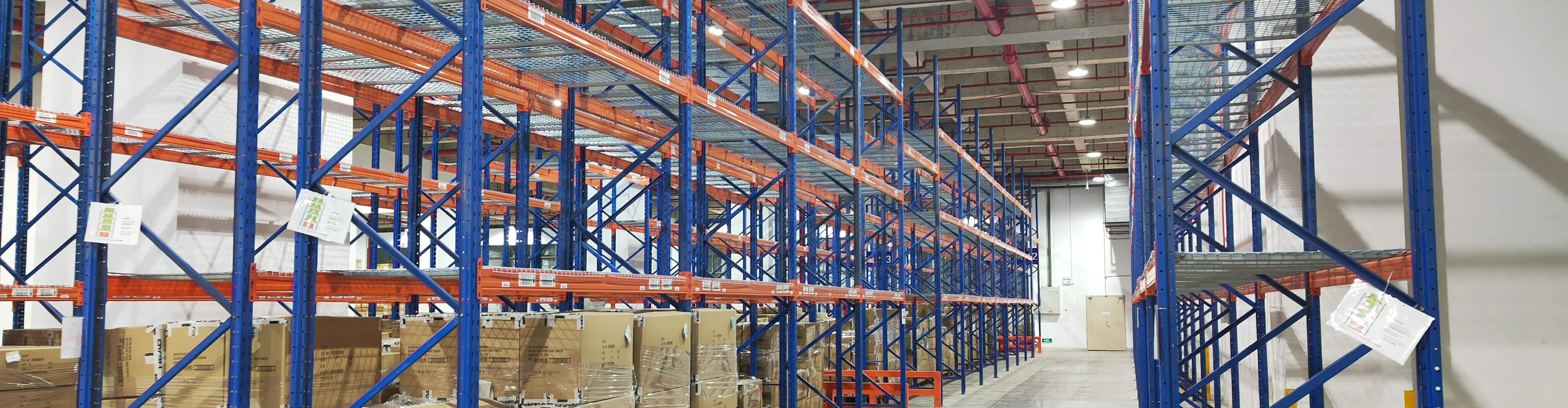
Choosing the right heavy duty racking system starts with one practical question: what do you need the rack to do every day in your warehouse? The right answer depends on pallet type, SKU mix, forklift movement, ceiling height, floor condition, stock rotation, and how quickly your operation may change. A system that works well for bulk pallet storage may be inefficient for fast picking, while a high-density layout may save floor space but slow access.
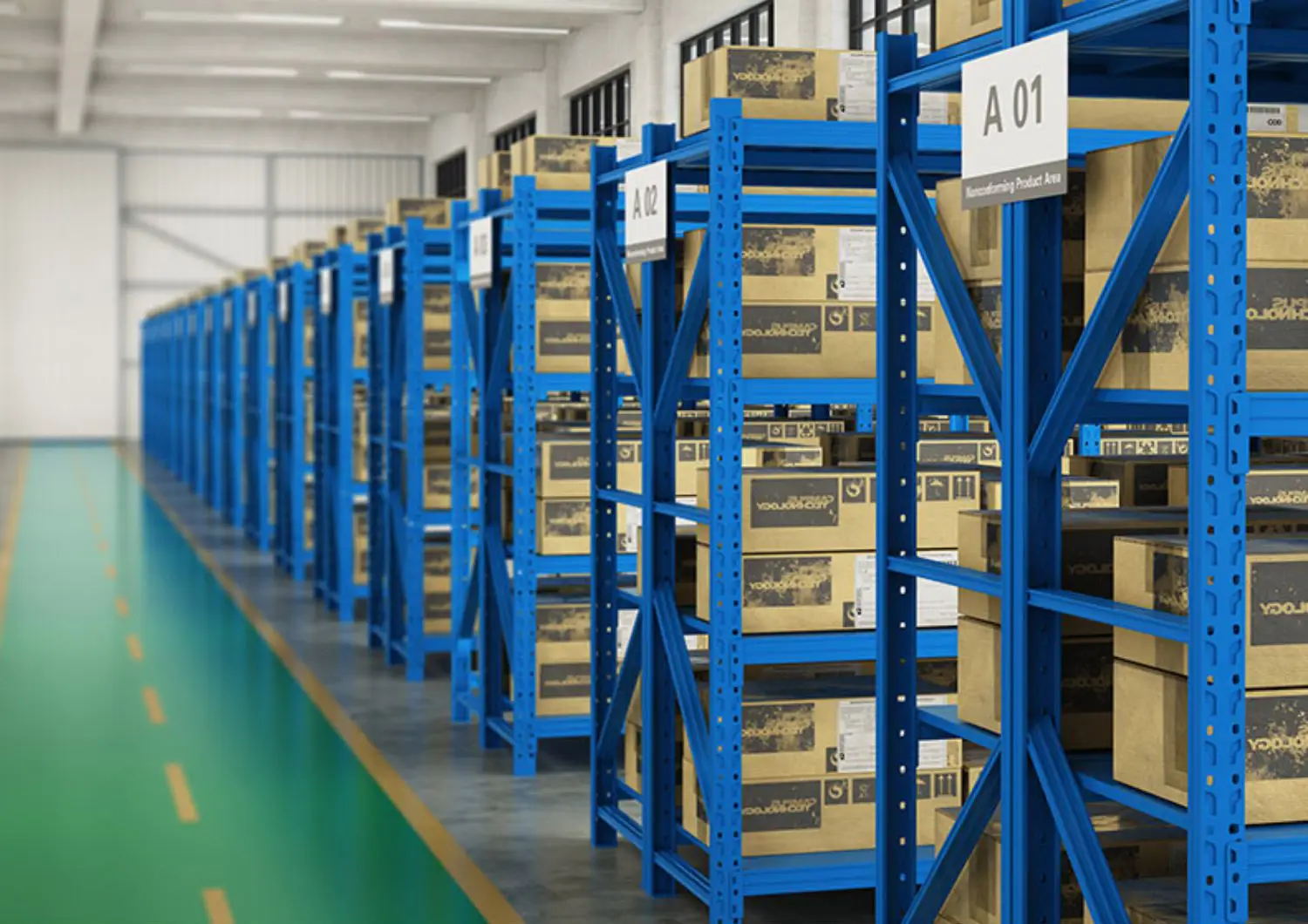
For most buyers, the selection process should focus on five areas: load requirements, accessibility, storage density, building constraints, and future flexibility. If those are defined clearly before purchase, it becomes much easier to choose a heavy duty racking system that supports both current operations and long-term warehouse efficiency.
What is a heavy duty racking system?
A heavy duty racking system is a warehouse storage structure designed to hold palletized or bulky goods at higher load capacities than light shelving. It is commonly used in manufacturing plants, distribution centers, spare parts warehouses, cold storage facilities, and general industrial storage environments.
Most heavy duty systems are built around uprights, beams, bracing, and accessories such as decking, row spacers, pallet supports, column protectors, and safety barriers. The exact layout and configuration depend on how goods are stored and handled. Some systems prioritize direct access to every pallet, while others prioritize storage density.
Start with your inventory profile
The first step in choosing a heavy duty racking system is understanding what you are storing. Many selection mistakes happen because buyers start with the rack type instead of the inventory profile.
Questions to answer before comparing systems
- Are you storing full pallets, cartons, long goods, irregular loads, or mixed items?
- What are the pallet dimensions, weight ranges, and load consistency?
- How many SKUs do you need to store?
- Do you need FIFO or LIFO stock rotation?
- How often are pallets moved in and out?
- Are goods handled mostly by pallet trucks, reach trucks, counterbalance forklifts, or VNA equipment?
If you have a high number of SKUs and need direct access to each pallet, selective pallet racking is often easier to manage. If you store large quantities of the same SKU, higher-density systems such as drive-in or push back racking may be worth considering. If stock rotation is critical, pallet flow systems may be more suitable than static rack layouts.
Match the racking system to your warehouse operation
The right heavy duty racking system should fit the way your warehouse actually works, not just the available floor area. A layout that looks efficient on paper can create bottlenecks if forklift traffic, replenishment, and picking are not considered together.
Selective pallet racking
This is the most common type of heavy duty racking system because it provides direct access to every pallet position. It is usually a practical choice for warehouses with many SKUs, mixed inventory, and frequent pallet movement.
Good fit for:
- Operations needing fast access to individual pallets
- Warehouses with varied SKU profiles
- Businesses that want a flexible and easy-to-adjust layout
Less suitable for:
- Operations where maximum storage density is the main priority
- Facilities with limited floor space and a low SKU count
Drive-in racking
Drive-in systems increase storage density by reducing aisle space. Forklifts enter the rack structure to place and retrieve pallets.
Good fit for:
- Large volumes of the same product
- Cold storage where space efficiency is valuable
- LIFO inventory handling
Less suitable for:
- High-SKU environments
- Operations that require fast, selective pallet access
- Sites with frequent rack impact risk from less experienced forklift traffic
Push back racking
Push back is a dense storage heavy duty racking system that stores pallets several positions deep on inclined carts or rails. It improves density while keeping loading and unloading on one aisle face.
Good fit for:
- Medium SKU variety with multiple pallets per SKU
- Warehouses seeking a balance between density and access
- LIFO stock handling
Less suitable for:
- Strict FIFO operations
- Very inconsistent pallet quality or dimensions
Pallet flow racking
Pallet flow uses gravity rollers to move pallets from the loading side to the picking side. It is often chosen when FIFO rotation is important.
Good fit for:
- FIFO stock rotation
- High-throughput operations
- Perishable or date-sensitive goods
Less suitable for:
- Operations with highly irregular pallet loads
- Warehouses that do not need the added complexity and cost of dynamic storage
Cantilever racking
For long, bulky, or awkward items such as pipes, timber, profiles, or sheet materials, cantilever may be more suitable than conventional pallet rack. It is still a form of heavy duty racking system, but it serves a different storage need.
Good fit for:
- Long loads and non-palletized goods
- Items that are difficult to store on standard beams
Less suitable for:
- Standard pallet storage where selective pallet racking is simpler and more economical
Check your load requirements carefully
Load capacity should never be treated as a rough estimate. The chosen heavy duty racking system must be based on actual pallet weights, load distribution, beam spans, bay configuration, and handling conditions.
Three load questions matter most:
- Maximum pallet weight: Know the heaviest load, not the average load.
- Load consistency: Stable, uniform pallets are easier to store than damaged or uneven loads.
- Level and bay load: The total weight on each beam level and the full bay matters, not just single pallet load.
Buyers should also think about load overhang, pallet quality, and whether goods are stored on timber pallets, plastic pallets, steel pallets, or stillages. These details affect beam support needs and safe pallet placement.
Consider forklift type, aisle width, and handling method
A heavy duty racking system that fits the building may still fail operationally if it does not match the material handling equipment. Forklift turning radius, lift height, mast type, and operator visibility all influence layout design.
Key handling factors
- Aisle width: Counterbalance forklifts generally need wider aisles than reach trucks or VNA trucks.
- Lift height: Higher storage can improve cube utilization, but only if equipment can reach safely and efficiently.
- Throughput: Fast-moving warehouses need layouts that reduce travel time and congestion.
- Picking method: Full pallet in/out operations need different layouts from case picking or split-case picking operations.
If your team frequently damages lower uprights, that is not only a training issue. It may also mean aisle width is too tight, visibility is poor, or the selected rack layout is too aggressive for the equipment in use.
Use your building constraints as a selection filter
Warehouse structure plays a major role in choosing a heavy duty racking system. Ceiling height, column locations, door positions, sprinkler clearance, slab condition, and loading dock flow can all limit what is practical.
Building factors to review
- Clear internal height and usable lift height
- Floor flatness and floor load-bearing condition
- Column grid and wall offsets
- Fire protection requirements and flue space considerations
- Dock access, staging area, and travel paths
- Temperature conditions, including ambient, chilled, or cold storage environments
For example, a high-density system may look attractive, but if floor tolerances are poor or traffic patterns are complex, installation and operation may become more difficult. In older buildings, slab condition and anchor suitability should be reviewed early rather than after layout decisions are made.
Balance storage density against accessibility
One of the biggest decisions in any heavy duty racking system project is how much accessibility you are willing to trade for density. There is no universal answer. The right balance depends on your stock profile and service expectations.
If every pallet needs to be available immediately, selective access usually matters more than maximum density. If you hold deep stock of the same product and retrieval speed is predictable, a denser system may improve space use and reduce building expansion pressure.
A simple rule is this: the more SKU variety and order complexity you have, the more valuable direct access becomes. The lower the SKU count and the deeper the stock holding per SKU, the more viable dense storage becomes.
Plan for safety, inspection, and maintenance
A heavy duty racking system should be selected with ongoing use in mind, not only initial installation. Some systems are easier to inspect, repair, and operate safely than others.
Practical safety and maintenance points
- Use clear load notices and make sure operators understand them
- Protect vulnerable uprights in high-traffic zones
- Check for beam dislodgement, damaged columns, loose anchors, and missing safety pins
- Inspect areas with repeated forklift impact or pallet overhang issues
- Keep aisles clear so rack damage is visible and access is not restricted
- Review any rack modifications before changing beam levels or load patterns
Dense systems can improve space utilization, but they may also make damage harder to see or access more difficult for inspection. This does not mean they are a poor choice, only that maintenance planning should be part of the buying decision.
Think about future expansion before you buy
A warehouse rarely stays static for long. Product lines change, pallet dimensions shift, order profiles evolve, and throughput often increases. That is why a heavy duty racking system should be evaluated not only for today’s storage demand but also for likely future changes.
Questions for expansion planning
- Will SKU count increase over the next few years?
- Are you likely to change pallet sizes or packaging formats?
- Do you expect to add picking zones, mezzanine areas, or automation later?
- Can the rack layout be extended without major disruption?
- Will your current forklift fleet still suit the future layout?
Highly optimized layouts can be efficient, but some leave little room for operational change. In many warehouses, a slightly less dense but more adaptable system is the better commercial decision over time.
Common mistakes when choosing a heavy duty racking system
Many buying problems come from decisions made too quickly or based on incomplete operating data. The most common mistakes include:
- Choosing by price alone without checking long-term suitability
- Using average pallet weight instead of maximum load
- Ignoring forklift aisle requirements
- Focusing on density without considering access speed
- Overlooking floor condition and building constraints
- Failing to plan for future SKU growth or layout changes
- Selecting a system that is difficult for staff to use consistently
The cheapest heavy duty racking system is not usually the lowest-cost solution if it causes slower handling, more damage, poor stock rotation, or an early redesign.
A practical selection framework
If you are comparing options, use this sequence to narrow the decision:
Define the inventory: pallet size, weight, SKU count, and turnover.
Review the operation: full pallet storage, picking activity, throughput, and stock rotation.
Check the building: height, floor, columns, fire constraints, and traffic flow.
Match handling equipment to aisle and lift requirements.
Compare system types based on access versus density.
Review safety, inspection, and maintenance implications.
Leave room for future expansion and operational change.
This process helps buyers choose a heavy duty racking system based on warehouse reality rather than brochure features.
FAQ
Which heavy duty racking system is best for most warehouses?
There is no single best option. Selective pallet racking is often the most flexible choice for mixed SKUs and direct pallet access, but dense systems may be more efficient for low-SKU, high-volume storage.
How do I know if I need a high-density racking system?
If floor space is limited and you store multiple pallets of the same SKU, a high-density heavy duty racking system may be worth evaluating. If you need access to many different SKUs at any time, dense storage may reduce efficiency.
Can I reuse an existing racking layout when my warehouse changes?
Sometimes, but not always. Changes in pallet size, handling equipment, throughput, or stock profile can make an existing layout inefficient or unsuitable. Any change should be reviewed carefully before reconfiguration.
What should I check before buying heavy duty warehouse racking?
Check pallet size and weight, forklift type, aisle width, building dimensions, floor condition, stock rotation method, and future expansion needs. These factors affect whether a heavy duty racking system will work safely and efficiently.
Conclusion
The right heavy duty racking system is the one that matches your inventory, handling method, building constraints, and growth plans without creating unnecessary operational risk. Start with how the warehouse works, not just how much space is available. When load data, access needs, forklift movement, and future flexibility are considered together, it becomes much easier to choose a system that supports efficient storage and practical day-to-day use.