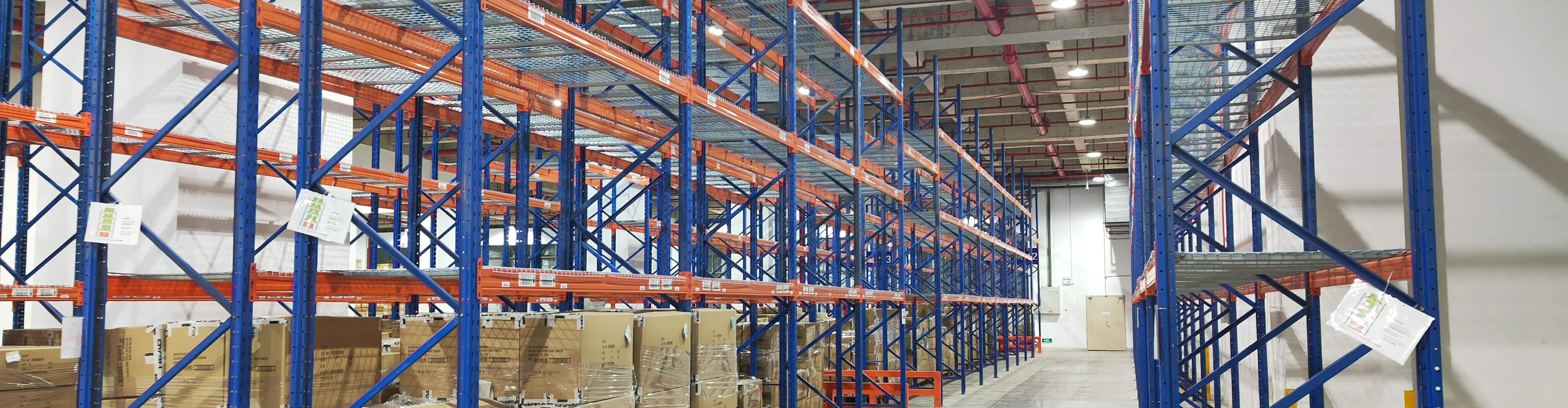
A heavy duty racking system is designed to store palletized and bulky goods safely at scale while supporting forklift handling, vertical storage, and structured warehouse workflows. In industrial warehouses, the right system is not just about adding more pallet positions. It affects access speed, aisle layout, floor loading, damage risk, picking efficiency, and future expansion.
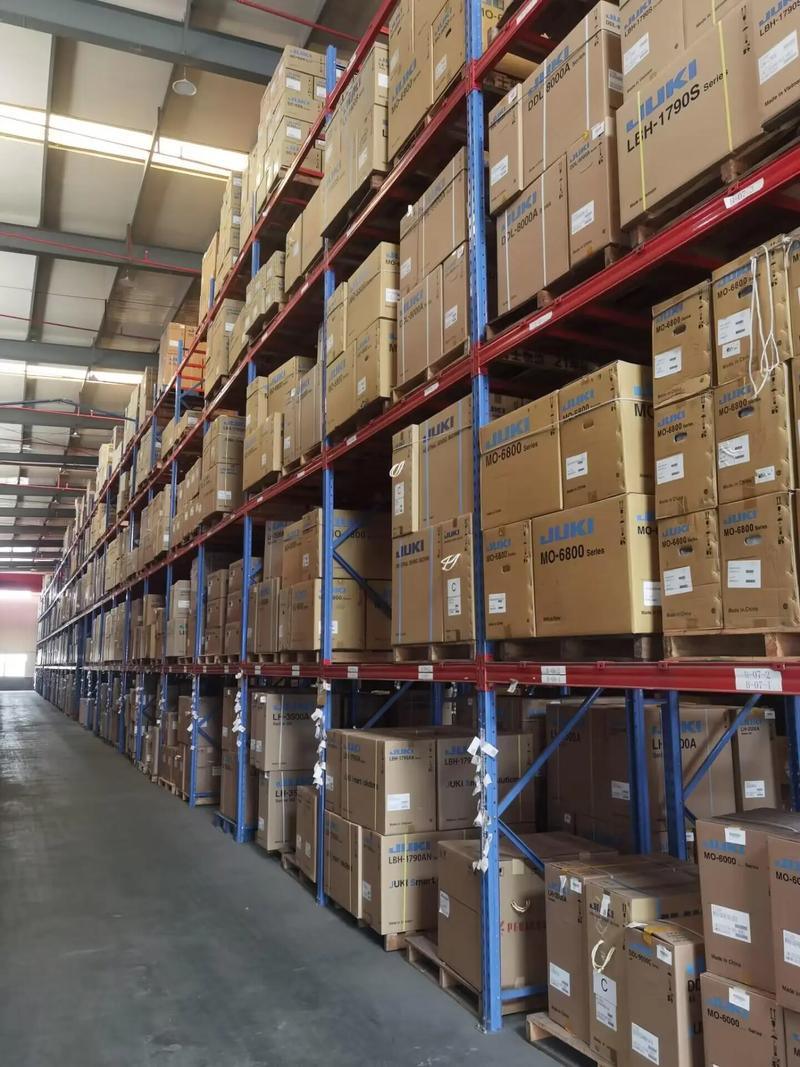
For most operations, the right heavy duty racking system solution depends on five practical factors: pallet type, stock rotation method, forklift access, available building height, and required storage density. A warehouse storing many SKUs with frequent picking will usually need a different layout from a facility focused on bulk pallet storage or batch dispatch.
What a heavy duty racking system is used for
A heavy duty racking system is a warehouse storage structure built for high load capacities and repeated industrial use. It is commonly used for palletized goods, raw materials, finished products, cartons on pallets, drums, and other large unit loads that require mechanical handling.
In practical terms, these systems help warehouses use vertical space more effectively than floor stacking. They also improve stock visibility, reduce pallet damage caused by unstable stacking, and create more disciplined storage locations for receiving, replenishment, and dispatch.
Typical applications include:
- Manufacturing warehouses storing raw materials and finished goods
- Distribution centers handling multiple pallet sizes and SKU ranges
- Third-party logistics facilities managing customer inventory by location
- Cold storage and ambient warehouses where space utilization matters
- Industrial supply warehouses with heavy or bulky pallet loads
Core types of heavy duty racking system solutions
Not every heavy duty racking system works the same way. The correct choice depends on whether the operation values direct access, storage density, stock rotation, or picking flexibility.
Selective pallet racking
Selective racking is the most common heavy duty racking system for industrial warehouses because it gives direct access to every pallet location. This makes it suitable for operations with a wide SKU mix, frequent stock movement, and a need for straightforward stock control.
It is often the most practical option when:
- Many SKUs must be accessed individually
- Stock rotation is important
- Forklift operators need simple and visible pallet access
- The business expects layout changes or future reconfiguration
The trade-off is lower storage density than compact systems because more aisles are required.
Drive-in and drive-through racking
This heavy duty racking system is built for higher density storage. Forklifts enter the rack structure to place pallets on support rails. It is often used for large volumes of similar products where selectivity is less important than space efficiency.
It can work well for batch storage, seasonal stock, or limited SKU ranges. However, it is less suitable for operations with frequent SKU changes, high picking complexity, or inconsistent pallet quality. Rack impact risk can also be higher because forklifts operate inside the structure.
Double deep racking
Double deep racking stores pallets two positions deep, reducing aisle count and increasing storage density compared with standard selective layouts. It is a useful middle ground when a warehouse wants better space use without moving fully into a compact storage system.
The limitation is reduced immediate access to every pallet. It also usually requires suitable handling equipment and disciplined stock management.
Very narrow aisle racking
Very narrow aisle configurations allow a heavy duty racking system to make better use of floor space by reducing aisle width. This can increase pallet capacity within the same building footprint, especially in taller warehouses.
That advantage comes with operational requirements. Specialized trucks, tighter floor tolerances, and careful traffic planning are often needed. It may not be the right choice for every site, especially where handling equipment is mixed or where operator discipline varies.
Push back and pallet flow systems
These options are used when a warehouse needs a denser heavy duty racking system while still maintaining structured pallet movement. Push back racks work well for LIFO storage, while pallet flow is generally used for FIFO rotation.
They can improve lane utilization and reduce aisle requirements, but they also introduce more mechanical complexity than standard selective racking. They are usually chosen when stock profile and throughput justify the additional system cost and planning detail.
How to choose the right heavy duty racking system for an industrial warehouse
Choosing a heavy duty racking system should start with warehouse reality, not catalog features. A system that looks efficient on paper may underperform if it does not match the building, forklift fleet, pallet consistency, or daily handling pattern.
1. Review pallet load characteristics
Start with the actual loads being stored. Pallet dimensions, weight distribution, pallet condition, and packaging stability all affect rack design and day-to-day safety. Warehouses that use inconsistent pallet sizes or damaged pallets often run into avoidable handling problems once the system is installed.
Questions to check include:
- Are all pallets the same size and entry type?
- Are loads stable enough for higher beam levels?
- Will loads overhang or sit fully within the bay?
- Are there unusually heavy pallets concentrated in certain SKUs?
2. Match the system to SKU profile and access needs
A high-SKU warehouse usually needs strong selectivity. A low-SKU, high-volume operation can often justify a denser heavy duty racking system. This is one of the most common decision points in industrial storage planning.
If operators need frequent access to individual pallets, selective layouts are usually easier to manage. If the warehouse stores repeated pallet lines in volume, compact systems may deliver better space efficiency.
3. Assess forklift movement and aisle width
Forklift type matters as much as the rack. Counterbalance trucks, reach trucks, and turret trucks all have different turning and handling requirements. A heavy duty racking system should be planned around real equipment dimensions, lift heights, and operator working clearances.
Ignoring this often leads to one of two problems: aisles that are too wide and waste space, or aisles that are too tight and increase rack damage risk.
4. Check clear height and beam level strategy
Industrial warehouses often have unused vertical potential. A heavy duty racking system can improve storage capacity significantly when the building allows additional beam levels. But more height is only useful if the floor, lifting equipment, sprinkler arrangement, lighting, and pallet handling standards support it.
Very high storage can increase capacity, but it can also slow handling if replenishment becomes more complex or if operators struggle with visibility at upper levels.
5. Evaluate floor condition and load distribution
Floor condition is sometimes overlooked during early planning. A heavy duty racking system transfers concentrated loads through base plates and anchors into the slab. Poor floor flatness, damage, or insufficient slab capacity can create installation and long-term performance issues.
Before finalizing any system, it is sensible to confirm that the floor condition suits the intended rack layout, height, and traffic pattern.
Operational benefits of a well-planned heavy duty racking system
A properly selected heavy duty racking system can improve warehouse performance in several practical ways:
- Better use of vertical space than block stacking
- Clearer pallet location control and stock visibility
- Safer and more stable storage for heavy unit loads
- Improved forklift travel discipline through defined aisles
- Easier cycle counting and inventory management
- More predictable replenishment and dispatch workflows
These benefits depend on layout discipline and correct use. Even a strong heavy duty racking system will not perform well if pallets are overloaded, beam levels are changed without review, or aisles are routinely obstructed.
Common planning mistakes to avoid
Many warehouse storage problems come from early assumptions rather than obvious technical faults. The following mistakes are common when specifying a heavy duty racking system:
- Choosing density over accessibility without reviewing actual picking needs
- Using rack dimensions that do not suit real pallet overhang and handling clearance
- Ignoring future SKU growth or expansion requirements
- Planning around nominal load weights instead of worst-case pallet loads
- Installing high-density systems where pallet quality is inconsistent
- Underestimating forklift impact risk in busy aisles
- Failing to plan protection for uprights in exposed traffic zones
A heavy duty racking system should support operations as they actually run, not as they are assumed to run during purchasing discussions.
Safety, inspection, and maintenance considerations
Any heavy duty racking system needs routine inspection and disciplined use. In industrial warehouses, the most common damage points are lower uprights, frame bracing near aisle impact zones, beam connections, anchors, and load notices that no longer match actual use.
Basic good practice includes:
- Checking visible damage regularly in forklift traffic areas
- Making sure beam locking devices remain in place
- Reviewing anchors, base areas, and floor condition around impact points
- Keeping rack load information current and visible
- Removing damaged pallets that can destabilize stored loads
- Training operators not to force pallets into tight positions
Where a heavy duty racking system is used heavily, inspection routines should be structured and documented. Small impact damage can become a larger safety issue if left in service without review.
When a heavy duty racking system may be less suitable
A heavy duty racking system is widely used, but it is not automatically the right answer for every warehouse. In some cases, other storage approaches may be more effective.
It may be less suitable when:
- The operation is focused on small-item picking rather than pallet storage
- Inventory turns are very low and floor stacking is operationally acceptable
- The building has severe floor or height limitations
- Load types are irregular and do not sit securely on standard pallet supports
- The warehouse needs a hybrid solution combining shelving, cantilever, mezzanine, and pallet storage
In these situations, the right solution may involve a mixed storage layout rather than relying on one heavy duty racking system across the entire facility.
Planning for expansion and long-term use
Industrial warehouses rarely stay static. SKU counts change, throughput shifts, and handling equipment gets upgraded. A heavy duty racking system should therefore be planned with some allowance for operational change.
Useful forward-planning questions include:
- Will pallet dimensions remain consistent over the next few years?
- Is additional beam level adjustment likely?
- Could a current wide aisle layout be converted later?
- Will inbound and outbound volumes require different zoning?
- Is there space for future rack runs or linked storage areas?
A system that is slightly less dense but easier to adapt can sometimes be the better commercial decision over time.
FAQ
What is the main advantage of a heavy duty racking system?
The main advantage is organized high-capacity pallet storage that uses warehouse height efficiently while improving access control and stock visibility compared with floor stacking.
Which heavy duty racking system is best for many SKUs?
Selective pallet racking is often the most practical choice for many SKUs because it provides direct access to each pallet position and is easier to manage for mixed inventory.
Is a heavy duty racking system suitable for high-density storage?
Yes, but the configuration matters. Drive-in, double deep, push back, and pallet flow options can improve density, though each involves trade-offs in access, rotation method, and handling complexity.
How often should warehouse racking be inspected?
Visual checks should be part of regular warehouse supervision, especially in busy forklift areas. More formal inspections should be scheduled based on usage intensity, damage history, and site safety procedures.
Conclusion
The right heavy duty racking system solution is the one that fits the warehouse operation, not just the available floor area. Load type, forklift access, stock rotation, SKU profile, aisle strategy, and future growth all need to be considered together.
For industrial warehouses, a heavy duty racking system can deliver strong gains in storage control, space use, and workflow efficiency when it is selected with realistic planning and maintained properly. The most reliable results usually come from matching the rack configuration to daily handling conditions, rather than choosing the densest or most familiar option by default.