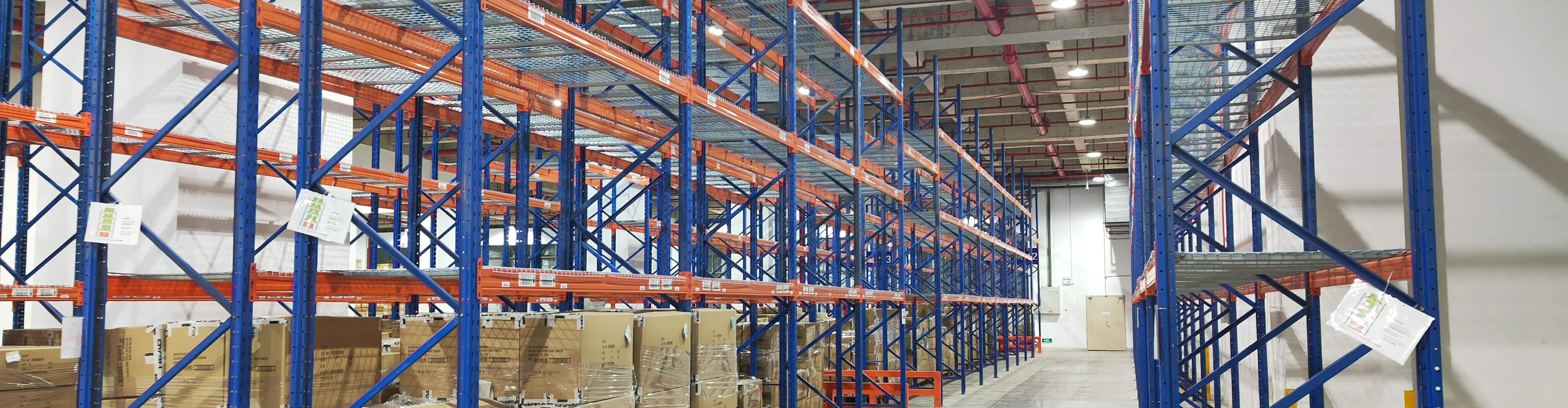
A heavy duty storage rack and a shelving system are not the same thing, even though both are used to organize inventory. The main difference is load type, handling method, and structural capacity. In most warehouses, a heavy duty storage rack is designed for palletized or bulky loads and is often accessed by forklifts, while shelving systems are usually intended for lighter, hand-loaded items and piece picking.
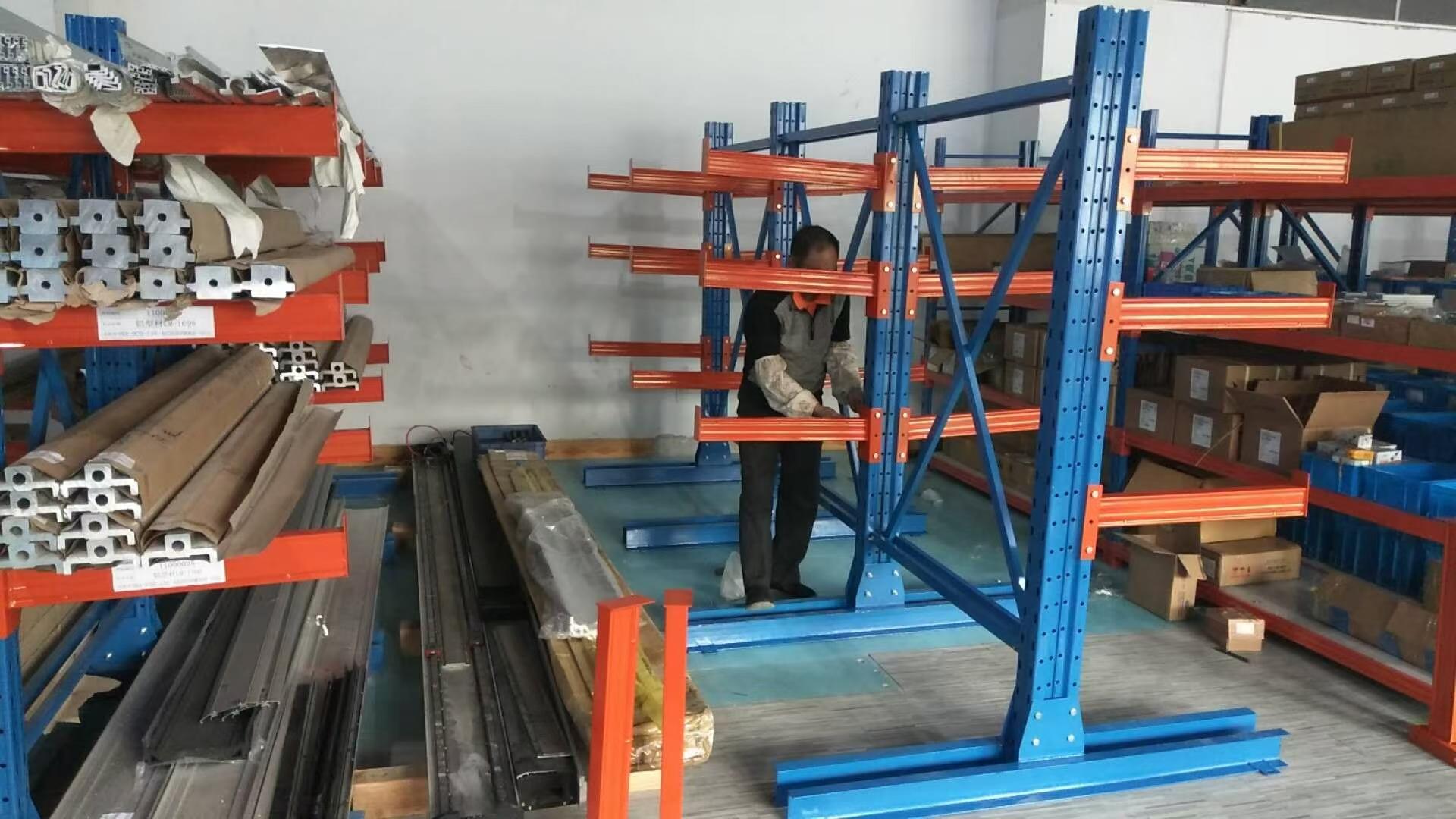
If you are planning a new storage area or upgrading an existing one, understanding this difference matters. Choosing the wrong system affects storage density, picking speed, aisle layout, safety, and future expansion. In practice, the right choice depends on what you store, how you move it, how often you pick it, and how much flexibility you need.
What Is a Heavy Duty Storage Rack?
A heavy duty storage rack is a structural storage system built to support heavier loads, larger unit loads, or palletized goods. It typically uses upright frames, horizontal beams, and accessories such as wire decking, support bars, row spacers, guards, or pallet supports depending on the application.
These systems are common in distribution centers, manufacturing plants, cold storage facilities, and industrial warehouses where goods are handled by forklifts, reach trucks, stackers, or pallet jacks. Selective pallet racking is the most familiar example, but the category can also include drive-in rack, push back rack, cantilever rack, and other industrial racking formats depending on the load profile.
A heavy duty storage rack is generally selected when the operation needs one or more of the following:
- Storage for palletized inventory
- Higher load capacity per level and per bay
- Forklift access
- Better use of building height
- Structured load management for bulk goods
- Scalable warehouse layout planning
What Is a Shelving System?
A shelving system is usually a lighter-duty storage solution intended for cartons, bins, loose parts, tools, archives, spare parts, or hand-picked inventory. Shelving may be boltless, longspan, steel shelf, or modular hand-loading storage depending on the application.
Unlike a heavy duty storage rack, shelving is normally accessed directly by workers rather than forklifts. That makes it a practical choice for operations with high SKU counts, frequent order picking, smaller item sizes, and low to medium load requirements per shelf.
Shelving systems are often used in:
- Parts rooms
- E-commerce picking zones
- Tool storage areas
- Back-of-house retail storage
- Maintenance departments
- Archive and document storage
Some longspan shelving systems can handle relatively substantial loads, but they still serve a different purpose from a heavy duty storage rack. The design logic is centered more on manual access and item visibility than on pallet storage and forklift movement.
Heavy Duty Storage Rack vs Shelving System: The Core Differences
The clearest way to compare a heavy duty storage rack with shelving is to look at how each system performs in real warehouse conditions.
1. Load Capacity
A heavy duty storage rack is built for heavier unit loads. It is intended to support pallets, large containers, long materials, or dense industrial stock. Shelving systems are usually designed for lighter hand-loaded goods, even when configured as heavy shelf storage.
If your inventory includes full pallets of finished goods, raw materials, or inbound bulk stock, shelving is usually not the correct primary system.
2. Handling Method
This is often the deciding factor. A heavy duty storage rack is typically integrated into forklift operations. Beam levels, bay width, rack depth, and aisle spacing are planned around equipment movement. Shelving systems are primarily designed for manual picking and replenishment.
If workers need to walk to locations, pick individual items, and restock by hand, shelving usually works better. If loads are moved by forklift as complete pallets, racking is the more suitable choice.
3. Storage Unit Type
A heavy duty storage rack is mainly for pallets, stillages, large bins, drums, or long/heavy products depending on rack style. Shelving is better for split-case inventory, small cartons, components, and mixed SKU storage.
This matters because many warehouses store both full pallets and picking stock. In those cases, the most efficient layout often uses a heavy duty storage rack for reserve storage and shelving for forward picking.
4. Access Pattern
Shelving provides direct hand access to each shelf position. That is useful when operators need to see and pick many SKUs quickly. A heavy duty storage rack also offers direct access in selective layouts, but the access method is different because it relies on material handling equipment and pallet positions rather than manual shelf picking.
5. Use of Vertical Space
A heavy duty storage rack usually makes better use of building height, especially in warehouses with high clear height and forklift handling capability. Shelving can also be arranged vertically, but manual access limits practical picking height unless catwalk systems or multi-tier structures are added.
6. Structural Design and Safety Risk
Racking systems face different operational risks from shelving. A heavy duty storage rack is more exposed to forklift impact, upright damage, beam displacement, anchor stress, and load placement errors. Shelving still requires safe loading and regular checks, but the risk profile is usually lower because there is less mechanical handling.
That does not mean shelving can be installed casually. Overloaded shelves, poor floor leveling, and unstable configurations still create safety issues. The difference is that a heavy duty storage rack usually demands more formal planning around load control, protection, and inspection discipline.
When a Heavy Duty Storage Rack Is the Better Choice
A heavy duty storage rack is usually the better option when your operation handles palletized inventory, heavy products, or bulk stock that should be stored structurally and accessed by equipment.
It is often the right fit when:
- You receive and dispatch full pallets
- Your warehouse uses forklifts or reach trucks
- You need to maximize vertical cube
- You store dense or heavy goods
- You need organized reserve storage behind picking areas
- You may expand rack rows or beam levels later
It may be less suitable when the operation is dominated by small-item picking, frequent SKU-level access, or environments where operators need constant hand access to many product lines. In those cases, shelving often improves picking speed and reduces unnecessary forklift movement.
When a Shelving System Makes More Sense
Shelving is usually the better choice when inventory is picked manually, stored in bins or cartons, and replenished in smaller quantities. It is especially useful for operations with many SKUs and relatively low unit weights per storage location.
A shelving system often makes more sense when:
- You pick individual items or small cartons
- You need high item visibility
- You manage spare parts, tools, or maintenance inventory
- You operate in small storage rooms or backroom areas
- You want flexible shelf adjustment for mixed product sizes
- Your workflow depends on pedestrian access rather than forklifts
However, shelving becomes inefficient if product weight increases too much or if stock is mainly handled as pallets. In that situation, trying to avoid a heavy duty storage rack can lead to poor space utilization and more labor-intensive replenishment.
Key Planning Factors Before You Choose
Inventory Profile
Start with the actual load unit, not the product description. The critical question is whether goods are stored and moved as pallets, cartons, bins, or loose items. A heavy duty storage rack suits pallet flow and reserve stock. Shelving suits hand-loaded SKU storage.
SKU Count and Picking Frequency
High SKU operations often need fast visual access and short walking routes. Shelving supports that better. Lower SKU, pallet-based operations usually benefit more from a heavy duty storage rack with structured bay locations.
Handling Equipment
Your equipment determines part of the layout. If forklifts are part of daily operations, aisle width, turning radius, rack protection, and beam access become important. If the area is pedestrian-based, shelving may allow tighter layouts and simpler replenishment.
Ceiling Height and Building Cube
A heavy duty storage rack often gives a stronger return in buildings with useful clear height. If your facility has low headroom, that advantage may be limited, and shelving could be more practical for the available space.
Floor Condition
Industrial racking places concentrated loads through baseplates and anchors into the floor. Poor slab condition, uneven surfaces, or weak areas may affect installation planning. Shelving also needs a stable floor, but floor loading and anchoring demands are usually less severe.
Growth and Reconfiguration
If the inventory mix changes often, shelving may offer easier adjustment at shelf level. A heavy duty storage rack can also be expanded, but changes often require more structured planning around beam elevations, bay spacing, load limits, and forklift clearances.
Common Mistakes Buyers Make
- Choosing by appearance instead of load type: A system may look robust, but the right choice depends on how inventory is stored and handled.
- Using shelving for pallet reserve stock: This usually creates labor inefficiency and space waste.
- Using a heavy duty storage rack for fast hand-pick SKUs: This can slow picking and increase replenishment complexity.
- Ignoring aisle requirements: Racking layouts that do not match forklift movement quickly create bottlenecks.
- Overlooking future expansion: Storage systems should be planned with growth, SKU changes, and replenishment strategy in mind.
- Neglecting inspection and load discipline: Both systems need clear loading rules and regular condition checks.
Maintenance and Inspection Considerations
Whether you install shelving or a heavy duty storage rack, the system should not be treated as static infrastructure. Warehouse storage is exposed to impact, overloading, poor loading habits, and gradual wear.
For heavy duty racking, practical inspection priorities usually include:
- Upright damage from forklift contact
- Beam seating and locking condition
- Anchor condition at baseplates
- Load placement consistency
- Visible frame misalignment
- Damaged protection barriers or guards
For shelving, common checks include:
- Shelf deflection or overload signs
- Loose connectors or missing components
- Unstable or uneven bays
- Damage from carts or manual handling
- Poor housekeeping that blocks access or creates fall risk
A heavy duty storage rack generally needs stricter operational control because the consequences of impact or overload can be more severe in a forklift environment.
Can You Use Both in the Same Facility?
Yes, and many efficient warehouses do. A common layout uses a heavy duty storage rack for pallet storage and replenishment stock, while shelving is used in forward picking zones for cartons, parts, or broken-case inventory.
This mixed approach often improves both storage density and picking efficiency. Full pallets stay in racking where forklifts can access them, while fast-moving SKUs are presented in shelving where operators can pick quickly by hand. For many businesses, the question is not which one replaces the other, but how to assign each system to the right function.
How to Decide Between Heavy Duty Racking and Shelving
If you need a simple decision framework, use these questions:
- Are your goods mainly stored as pallets or as individual items?
- Will forklifts access the storage positions?
- Do you need reserve stock, picking stock, or both?
- How heavy is each load unit?
- How many SKUs require direct hand access?
- How much building height can you realistically use?
- Will the layout need to change as your business grows?
If the answers point toward pallet handling, heavier loads, and vertical warehouse storage, a heavy duty storage rack is usually the correct foundation. If the answers point toward manual picking, smaller units, and flexible shelf access, shelving is usually the better fit.
FAQ
Is a heavy duty storage rack stronger than shelving?
In general, yes. A heavy duty storage rack is designed for heavier loads and more demanding industrial use, especially pallet storage. Actual capacity still depends on system design and configuration.
Can shelving store pallets?
Standard shelving is not typically intended for pallet storage. If your operation stores palletized goods, a heavy duty storage rack is usually the safer and more efficient option.
Which system is better for small parts?
Shelving is usually better for small parts because it allows direct manual access, easier organization, and faster picking at SKU level.
Do both systems require inspection?
Yes. Both should be checked regularly for damage, overloading, loose components, and unsafe conditions. A heavy duty storage rack usually needs closer control in forklift-operated areas.
Conclusion
The difference between a heavy duty storage rack and a shelving system comes down to load type, access method, and operational purpose. Racking is generally built for palletized or heavy goods, forklift handling, and vertical industrial storage. Shelving is generally built for manual picking, smaller items, and flexible SKU access.
For many facilities, the right answer is not choosing one system in isolation. It is matching each storage method to the inventory, workflow, and space constraints of the site. If you begin with how goods move through the warehouse rather than how the equipment looks on paper, the storage decision becomes much clearer.