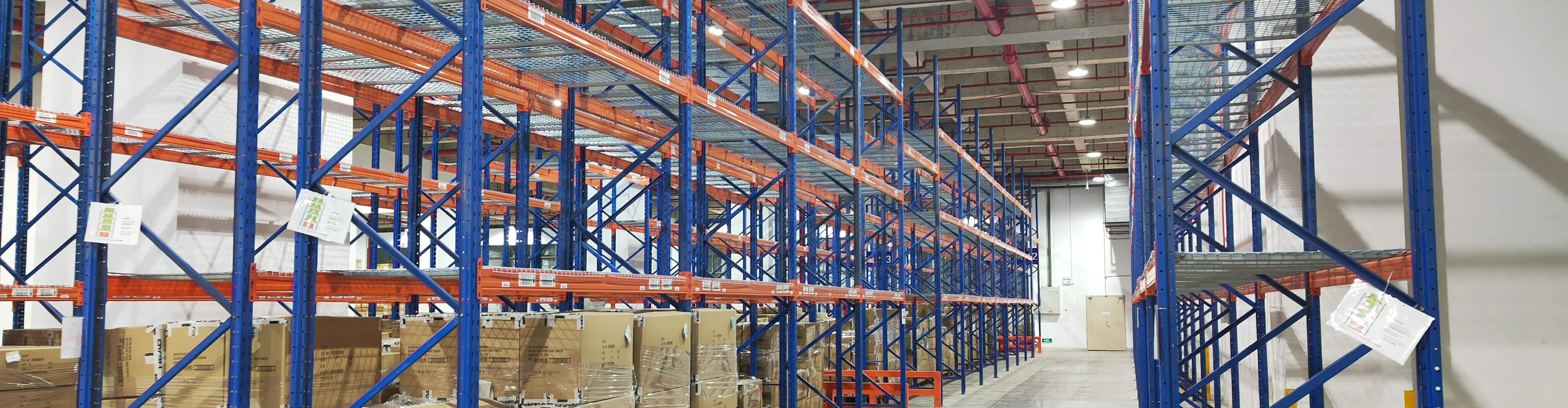
A pallet racking system should be maintained through regular visual checks, scheduled formal inspections, prompt repair of damaged components, good housekeeping, and disciplined forklift operation. The goal is not only to keep the system looking orderly, but to reduce safety risk, protect load capacity, and avoid small defects turning into expensive structural problems.
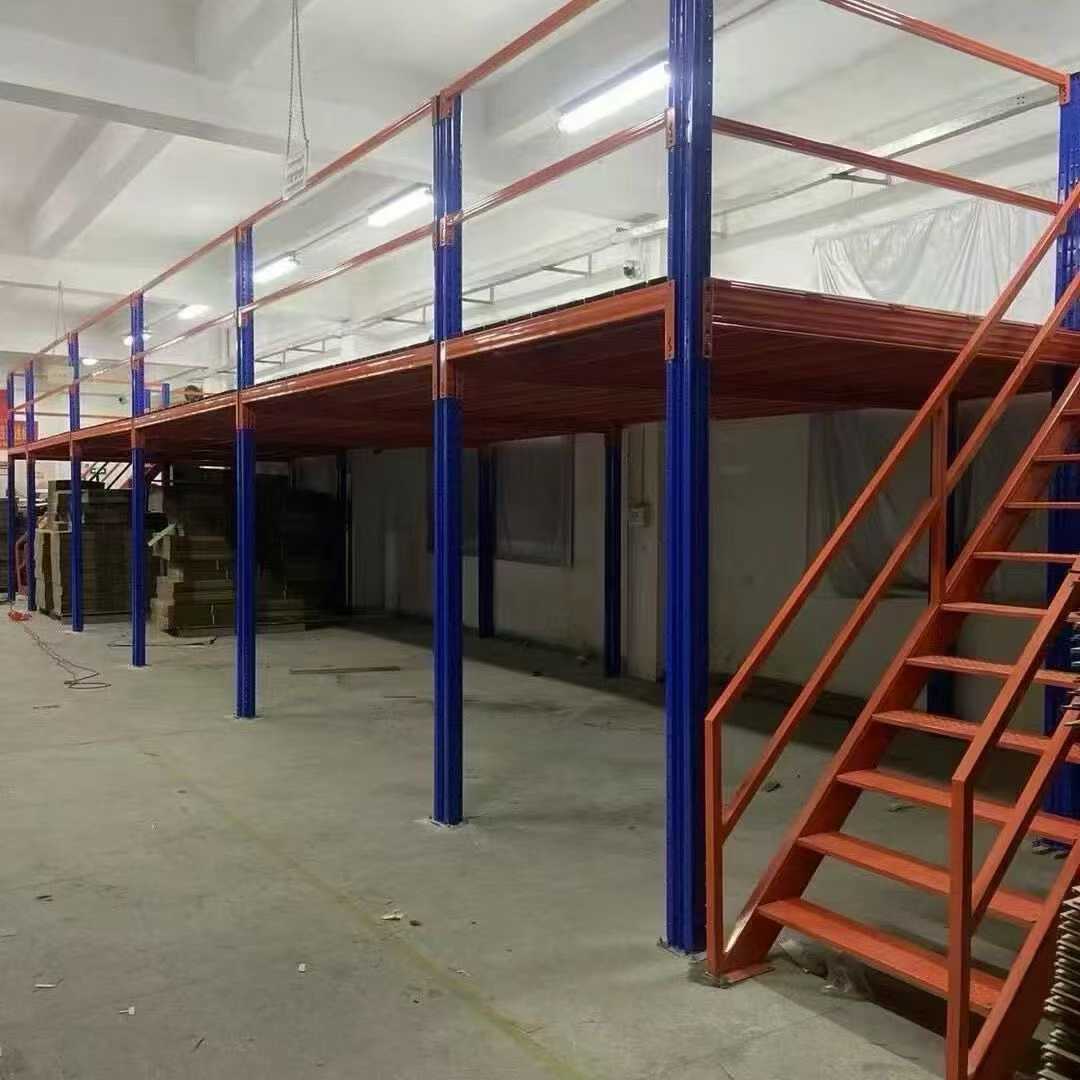
In most warehouses, racking damage does not come from one major failure. It usually builds up through repeated pallet impacts, overloaded beam levels, missing safety clips, loose anchors, poor pallet quality, and neglected housekeeping around the base of the frames. A practical maintenance routine helps warehouse teams spot these issues early and act before they affect daily operations.
Why pallet racking maintenance matters
Your pallet racking system is a working structure, not just storage furniture. It carries live loads every day, often in busy aisles with forklifts, pallet jacks, and constant stock movement. Even a well-designed installation can become unsafe if it is misused or left unchecked.
Good maintenance supports several operational priorities:
- Safer storage for staff, equipment, and inventory
- Lower risk of progressive damage after forklift impact
- Better control of repair costs
- Less disruption to picking and replenishment
- Longer service life for the racking system
- Clearer understanding of when parts should be repaired or replaced
For warehouse managers and supervisors, maintenance is also a control measure. It helps confirm that the system is still being used in the way it was intended, with correct pallet sizes, load placement, and aisle behavior.
What should be included in a pallet racking system maintenance plan?
A practical maintenance plan should cover routine inspections, operating discipline, damage reporting, repairs, and documentation. It does not need to be overly complicated, but it should be consistent and easy for the warehouse team to follow.
Core elements of a workable plan
- Daily or shift-based visual checks in active aisles
- Weekly housekeeping and access checks around rack bases
- Periodic supervisor reviews for damage, alignment, and missing components
- Formal inspections at planned intervals by a competent person
- Clear internal process for reporting impact damage
- Rules for unloading affected bays when necessary
- Replacement of damaged parts with suitable components
- Staff training on correct pallet handling and rack use
- Load notices kept visible and legible where required
The exact frequency depends on traffic intensity, lift truck type, pallet quality, load weight, and the general pace of the operation. A high-throughput warehouse with narrow aisles and frequent replenishment will usually need more frequent checks than a low-activity reserve store.
Common damage points to check regularly
Some parts of a pallet racking system are more exposed than others. Maintenance should focus on the areas that are most likely to suffer impact, wear, or misuse during normal operation.
Uprights and frame legs
Uprights are among the most vulnerable components because they are close to forklift movement and pallet entry points. Damage near the base is particularly important because this area transfers load to the floor and anchors.
Look for:
- Dents, bends, or twisting in upright columns
- Impact marks near the first beam level
- Damage to frame bracing
- Corrosion in damp or washdown-prone areas
- Base plates not sitting correctly on the floor
Beams and beam connectors
Beam levels take repeated pallet loads and can be damaged by poor pallet placement or forklift contact. A beam may still look usable from a distance while the connector area has already been compromised.
Check for:
- Visible deflection beyond normal loaded appearance
- Dented beam faces
- Cracked welds or damaged end connectors
- Missing or loose beam safety locks
- Uneven beam seating between uprights
Anchors and floor interface
Anchors are often overlooked because they sit at floor level, where dirt, stretch wrap, and debris build up. If anchors are loose, missing, or damaged, the rack frame may not perform as intended.
Check for:
- Loose or missing anchor bolts
- Cracked concrete around base plates
- Shims displaced or missing
- Impact damage around the foot of the frame
Accessories and protection items
Row spacers, mesh decks, pallet supports, column guards, and end-of-aisle barriers all contribute to safe use. When these are missing or damaged, the risk of further rack impact usually increases.
- Confirm guards are still secure and correctly positioned
- Check pallet supports are not bent or displaced
- Inspect wire mesh or decking for deformation
- Make sure aisle protection has not been removed during layout changes
How often should a pallet racking system be inspected?
There is no single schedule that suits every warehouse, but the inspection frequency should reflect operational risk. A realistic approach is to combine routine in-house checks with periodic formal reviews.
Suggested inspection rhythm
- Daily: quick visual walk-through in busy aisles, especially where forklift contact is common
- Weekly: supervisor check for obvious damage, housekeeping issues, and missing safety parts
- Monthly: more structured internal review of frames, beams, anchors, load notices, and protection items
- Periodically: formal inspection by a competent person based on site conditions and risk level
If your facility handles heavy pallets, mixed pallet sizes, or high forklift traffic, shorter intervals make sense. If the warehouse layout has recently changed, or if racking has been relocated or extended, inspection should also be increased until stable operating conditions are confirmed.
Step-by-step maintenance routine for warehouse teams
The most effective pallet racking system maintenance routines are simple enough to carry out consistently. A practical sequence is often better than a highly technical checklist that nobody follows.
1. Walk the aisles with purpose
Do not just look generally at the racks. Review each aisle with specific questions in mind: Are upright bases clear? Are beams level? Are safety locks present? Has any pallet been forced into position? Is there evidence of recent impact?
2. Check the lower levels first
Most damage happens where forklifts load and retrieve pallets. The first beam level, front uprights, frame feet, and aisle ends deserve the closest attention.
3. Look for misuse as well as damage
Maintenance is not only about bent steel. It also means identifying practices that lead to damage, such as overhanging pallets, mixed pallet dimensions on the same level, double-stacking where it was not intended, or operators pushing loads against uprights.
4. Isolate serious issues quickly
If a bay appears significantly damaged or unstable, unload it and prevent further use until it has been assessed properly. Waiting for the next maintenance round can turn a manageable repair into a wider operational risk.
5. Record what you find
A simple log with location, date, issue type, action taken, and repair status is usually enough to improve control. Repeated damage in the same aisle often points to a traffic problem, pallet handling issue, or layout constraint rather than a one-off event.
6. Repair correctly
Damaged components should be repaired or replaced using suitable parts and methods. Temporary fixes, improvised welding, or part substitutions without proper review can create more uncertainty rather than solving the issue.
Operational causes of pallet racking damage
Many maintenance problems start with daily operating conditions, not with the rack itself. Understanding the cause helps reduce repeat damage and unnecessary repair costs.
Forklift impact
This is one of the most common causes. Tight aisle widths, poor visibility, rushed pallet placement, and inexperienced operators all increase the chance of contact with uprights or beams. If one aisle has repeated frame damage, review turning space, approach angle, and pallet presentation.
Poor pallet quality
Broken boards, uneven runners, and inconsistent pallet sizes can cause loads to sit badly on beam levels. This leads to dropped product, beam damage, and unsafe loading behavior. A pallet racking system can only perform properly if the pallets themselves are suitable for the design and handling method.
Overloading or incorrect load distribution
Loads that exceed intended capacity, or are concentrated unevenly, can place extra stress on beams and frames. Problems also occur when heavier pallets are placed on levels not intended for them, or when operators mix pallet types without reviewing the impact on load support.
Layout changes without control
Warehouses evolve. New SKUs, different pallet heights, revised picking methods, or changes in forklift type can all affect rack use. A system that was suitable for full-pallet storage may become harder to maintain if it starts being used for mixed picking, damaged pallets, or irregular loads.
Housekeeping and environment also affect maintenance
Cleanliness around a pallet racking system is not only a presentation issue. Debris around frame feet can hide anchor problems, spilled product can damage floors, and shrink wrap buildup can make visual inspection harder. In colder or damp environments, corrosion risk should also be monitored more closely.
Pay attention to:
- Debris blocking access to upright bases
- Damaged pallets left in rack aisles
- Water exposure or persistent condensation
- Floor damage that affects rack stability or forklift travel
- Poor lighting that makes impact and deflection harder to spot
If the floor is uneven or deteriorating, racking maintenance becomes more difficult and more important. Rack condition and floor condition should be reviewed together, especially in older facilities.
When should you repair, replace, or re-evaluate the system?
Not every issue requires a major intervention, but not every issue should be left in service either. The key is to distinguish between minor wear, actionable damage, and signs that the system is no longer aligned with current warehouse use.
Repair or replace components when:
- Uprights are bent, twisted, or visibly impacted
- Beams are deformed or connector areas are damaged
- Safety locks, anchors, or protective items are missing
- Corrosion has affected structural parts
- Repeated damage occurs in the same locations
Re-evaluate the overall system when:
- Load profiles have changed significantly
- Pallet dimensions are no longer consistent
- Forklift type or handling method has changed
- The warehouse is being reconfigured for higher throughput
- Frequent repairs suggest the layout is no longer practical
Sometimes the maintenance issue is really a planning issue. For example, a rack may be structurally sound but poorly suited to the current pallet mix or aisle traffic pattern. In that case, continuing to repair impact points without addressing the underlying layout may not be cost-effective.
How to reduce future maintenance problems
The lowest-cost maintenance strategy is prevention. Most recurring rack damage can be reduced with a combination of better operating controls and targeted physical protection.
- Install column guards and aisle-end barriers where impact risk is high
- Keep pallet sizes and load types consistent by zone where possible
- Train operators on correct pallet entry and retrieval techniques
- Mark damage reporting responsibilities clearly
- Maintain adequate aisle width for the equipment in use
- Replace poor-quality pallets before they enter storage
- Review beam levels and slot heights if pallets are regularly forced into place
These actions are especially important in fast-moving operations where productivity pressure can lead to rougher handling. A pallet racking system in a calm reserve area and one in a high-turnover dispatch zone will not experience the same level of wear.
Practical maintenance takeaways
Maintaining a pallet racking system is mainly about consistency. Inspect regularly, act quickly on damage, keep the area clean, and make sure the rack is being used in line with its intended loading and handling conditions. If the same damage keeps appearing, do not treat it as a simple repair problem. Review forklift movement, pallet condition, aisle layout, and operating practice.
A well-maintained pallet racking system supports safer operations and more reliable storage performance. It also gives warehouse managers a clearer basis for repair decisions, budgeting, and future layout planning.
FAQ
What is the most common cause of pallet racking damage?
Forklift impact is one of the most common causes, especially at upright bases, aisle ends, and lower beam levels. Poor pallet quality and incorrect loading also contribute.
Can damaged rack components be left in use temporarily?
That depends on the type and extent of damage, but visible structural damage should not be ignored. If there is doubt about safety, unload the affected area and arrange proper assessment and repair.
Do I need both routine checks and formal inspections?
Yes. Routine checks help catch day-to-day issues quickly, while formal inspections provide a more structured review of the pallet racking system over time.
Should I replace damaged parts or the whole system?
Many issues can be resolved by replacing damaged components, but if operating conditions, load profiles, or layout needs have changed significantly, it may be worth reviewing the wider system rather than repairing isolated points repeatedly.