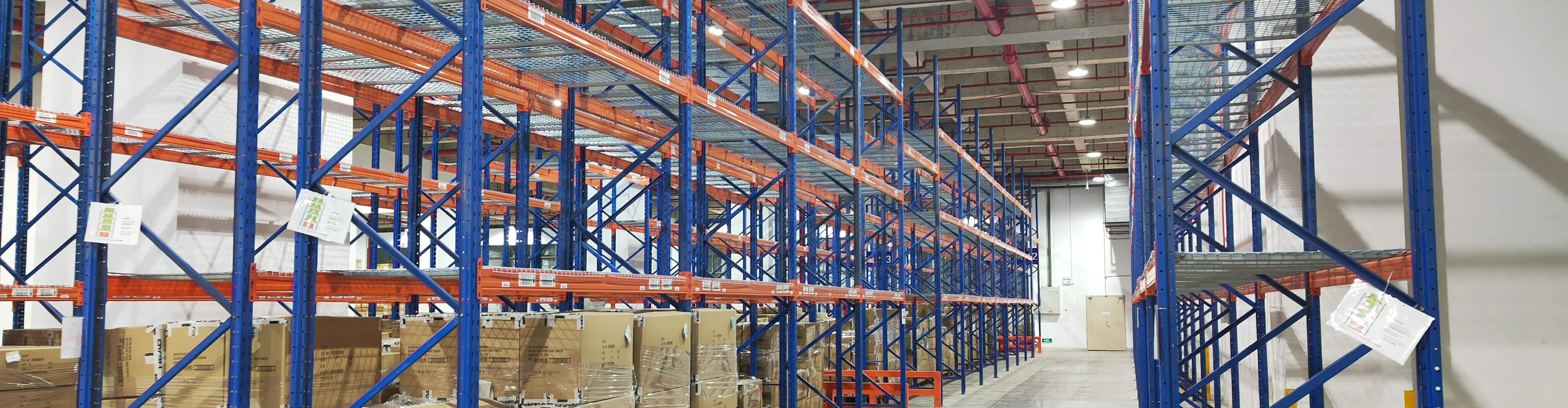
When selecting heavy-duty shelving, there’s no need to get bogged down in complex calculations. Simply start by focusing on three key dimensions—”product characteristics,” “usage scenarios,” and “operational methods”—and gradually narrow down your options. This approach will help you find a solution that is both safe and cost-effective.
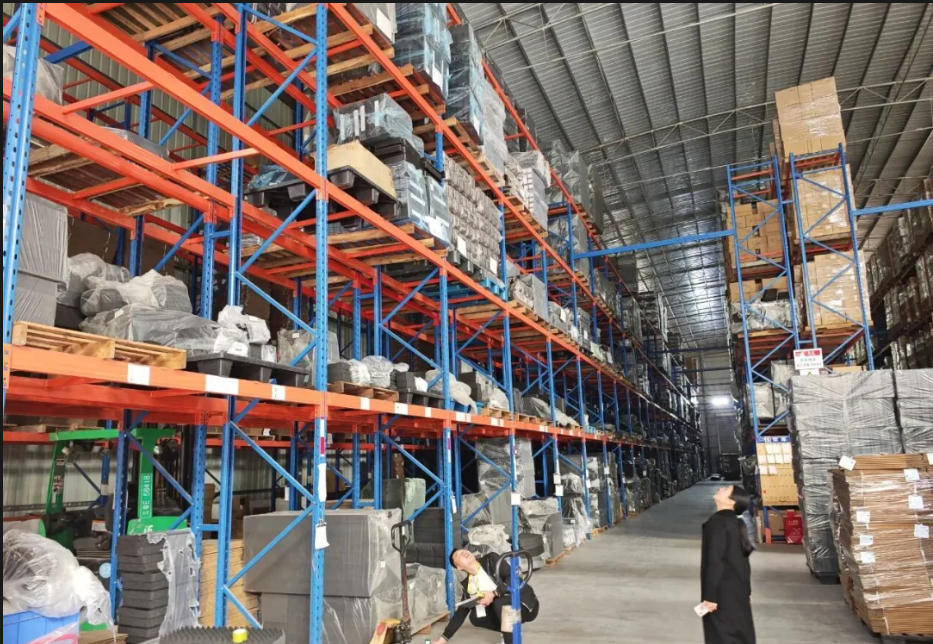
Step 1: Establish the Core Standard — Cargo Weight
This is the most critical indicator for distinguishing between light-duty and heavy-duty shelving, directly determining the minimum load capacity of the shelving.
Prioritize “single-item weight”: If an item weighs over 50kg—such as machinery parts, full-box appliances, or metal raw materials—heavy-duty shelving must be selected to prevent rack deformation or cracking. If an item weighs ≤50kg—such as snacks, stationery, or small electronics—light-duty shelving suffices, eliminating unnecessary costs.
Calculate the “total weight per layer”: Even if individual items are light, if multiple items are stacked on a single layer (e.g., stacking 20 pieces of 3kg goods totals 60kg), verify the maximum load capacity per layer of the light-duty shelving (typically 50–200kg). If approaching the limit, select a higher-capacity light-duty model or upgrade to heavy-duty shelving to ensure safety.
Step 2: Match usage scenarios with spatial requirements
Different scenarios have varying requirements for shelf height and layout flexibility, which directly impact the user experience.
Heavy-duty racking applications: Ideal for scenarios requiring bulk storage of heavy goods and high space utilization, such as industrial workshops storing parts, large logistics warehouses stockpiling goods, and port freight terminals holding heavy industrial materials. In these settings, racking heights typically range from 5 to 12 meters, maximizing vertical warehouse space. For instance, a 500-square-meter warehouse equipped with heavy-duty racking can increase storage capacity by approximately 50%.
Lightweight shelving applications: Ideal for storing lightweight, loose items and scenarios requiring flexible adjustments, such as convenience store warehouse restocking, order picking in small e-commerce distribution centers, office storage rooms for miscellaneous items, and supermarket backrooms for daily goods. In these scenarios, shelving heights typically ≤2.5 meters, facilitating manual access. Installation and disassembly are straightforward, offering greater flexibility during warehouse relocations or layout adjustments.
Step 3: Define the operational approach and budget
The operating method determines the supporting requirements for the shelving, while the budget influences the cost-effectiveness of the final choice.
Operating Method: For “bulk inbound and outbound” operations using forklifts, stackers, or similar equipment, only heavy-duty shelving is suitable (as manual handling of heavy goods is impractical). For manual picking operations involving “multiple varieties and small batches,” light-duty shelving suffices, eliminating the need for additional equipment investment.
Budget Considerations: Heavy-duty shelving carries higher costs (including materials, installation, and equipment accessories), while light-duty shelving typically costs one-third to one-fifth of heavy-duty options. For small shops, startups, or light-load storage scenarios, light-duty shelving offers better value for money. For long-term storage of heavy loads, the safety and durability of heavy-duty shelving justify the investment.
Step 4: Reference the Scenario Positioning of Professional Brands
As a supplier specializing in warehouse shelving, we clearly categorize products for light and heavy-duty applications to simplify selection. For instance, our heavy-duty shelving uses thickened Q235 cold-rolled steel plates with reinforced bolts, designed for bulk storage of heavy goods. Light-duty shelving features tool-free assembly, ideal for scattered storage of lighter items. Choosing based on professional brand-specific scenario designs helps avoid pitfalls like “incorrect load capacity selection” or “poor compatibility.”
Summary: The key to selecting the right shelving system lies not in complex calculations, but in understanding your own storage needs.
First determine the cargo weight, then consider the operating environment and handling methods, and finally select based on budget and brand options. This approach will help you strike the optimal balance between safety, space utilization, and cost.