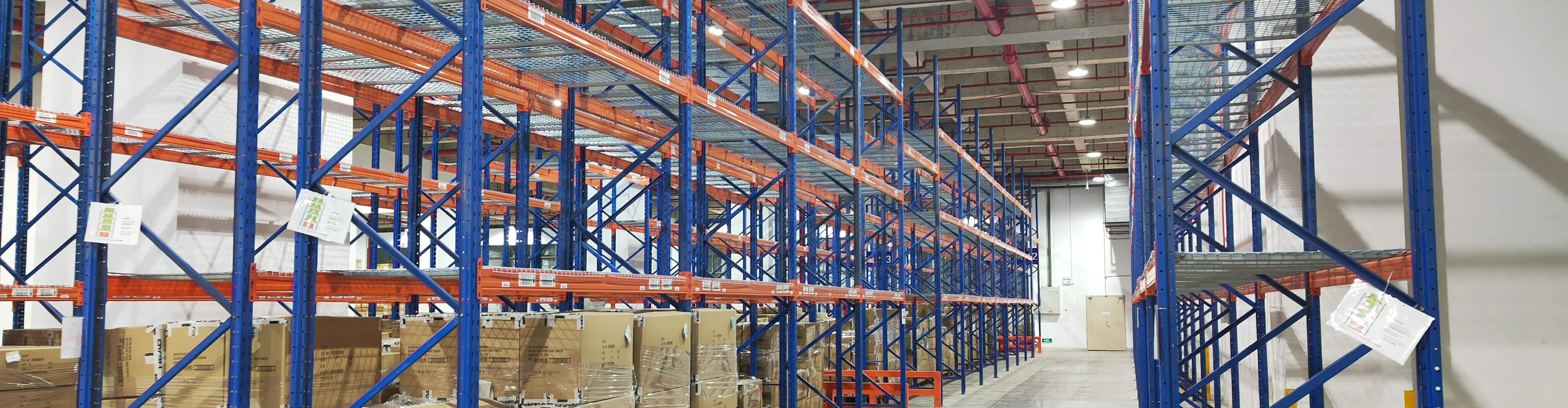
Industrial warehouse shelving helps commercial facilities store more inventory in an organized, accessible, and safer way. For many warehouses, stockrooms, and distribution operations, the main benefits of industrial warehouse shelving are better space use, faster picking, improved stock visibility, and a storage layout that can be adapted as inventory changes.
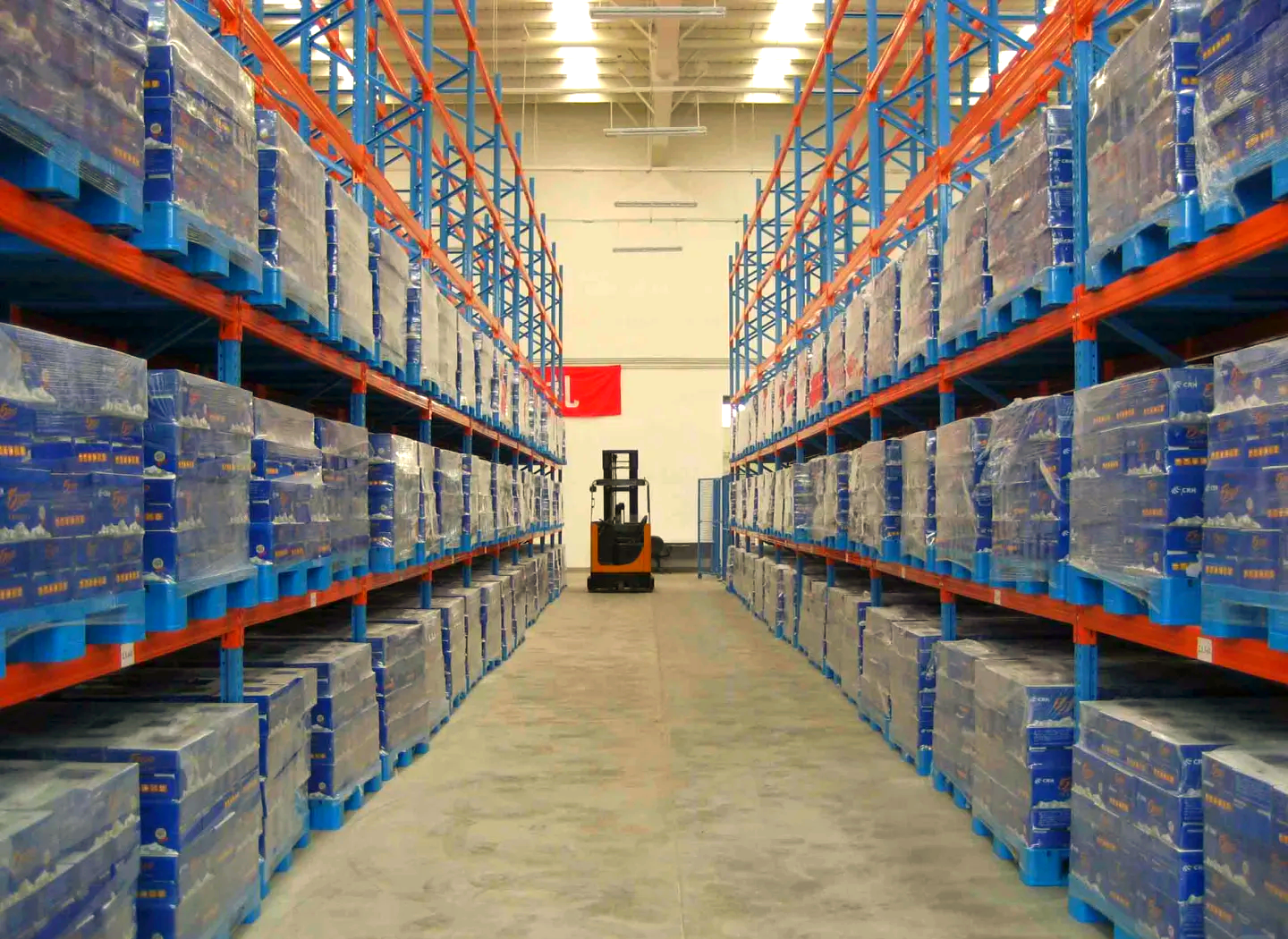
That value is practical rather than theoretical. A well-planned shelving system can reduce wasted floor area, support cleaner workflows, and make daily handling easier for staff. It can also improve control over small to medium-sized items that do not fit efficiently on pallet racking alone. The right result depends on matching the shelving design to the building, the SKU profile, the picking method, and the day-to-day realities of the operation.
What industrial warehouse shelving is used for
Industrial warehouse shelving is a heavy-duty storage system designed for commercial and industrial environments. It is commonly used for cartons, bins, components, spare parts, tools, archive items, e-commerce stock, and hand-loaded inventory that needs direct access.
Unlike pallet racking, which is mainly designed for palletized loads handled by forklifts, industrial warehouse shelving is often chosen where staff need to pick individual items or smaller case quantities. In many facilities, both systems are used together. Pallet racking supports reserve stock, while shelving handles active picking locations.
This is why industrial warehouse shelving is common in:
- Warehouse picking areas
- Parts storage rooms
- Maintenance and engineering stores
- Retail back-of-house storage
- E-commerce fulfillment operations
- Light manufacturing and assembly areas
Key benefits of industrial warehouse shelving for commercial use
1. Better use of available space
One of the clearest benefits of industrial warehouse shelving is improved use of cubic space. Many businesses focus only on floor area, but storage efficiency depends on both floor footprint and vertical height. Shelving allows operators to build upward in a controlled way while keeping items accessible.
For commercial sites with rising inventory levels but limited building expansion options, this matters. Shelving can help convert underused wall lines, intermediate zones, and smaller storage rooms into productive storage space. It is especially useful where inventory is too varied or too small to store efficiently on pallets.
That said, more levels are not always better. If shelf heights are poorly matched to carton sizes, vertical space is wasted. If upper levels are too high for safe manual access, picking slows down and handling risk increases. Good planning means balancing capacity with ergonomics.
2. Faster picking and day-to-day access
Industrial warehouse shelving is often selected because it provides direct access to stored items. Staff can see products more clearly, reach picking locations more easily, and move through the area without the delays associated with deep or block storage methods.
This is particularly valuable in operations with:
- High SKU counts
- Frequent order picking
- Small batch dispatch
- Parts or component handling
- Mixed inventory sizes
Where speed matters, shelving can support more efficient pick paths and better item presentation. Open shelf access also helps reduce time spent moving stock to reach other stock. In commercial use, that can improve labor productivity without changing the broader warehouse footprint.
The benefit is strongest when the shelving layout matches the workflow. Fast-moving items should be placed in the most accessible zones. Slow movers can be stored on higher or lower levels. If this logic is ignored, even a high-quality shelving system can create unnecessary travel and repeated handling.
3. Improved inventory visibility and control
Industrial warehouse shelving makes stock easier to see, count, and manage. For many businesses, this is one of the most practical reasons to install it. Clear shelf positions help teams organize by SKU, category, size, batch, or application. That can support better stock rotation and fewer location errors.
In commercial environments where inventory accuracy affects service levels, visible and structured storage is a major operational advantage. Shelving can make cycle counting easier, simplify replenishment, and reduce the chance of misplaced items sitting unnoticed in the wrong area.
Visibility also supports housekeeping. When stock has defined shelf locations, aisles tend to stay clearer and overflow is easier to spot. That is good for both efficiency and safety.
4. Flexible layout options for changing stock profiles
Commercial storage needs rarely stay fixed. Product lines change, order profiles shift, and seasonal stock can alter the space requirement quickly. A major strength of industrial warehouse shelving is its adaptability. Many shelving systems allow level adjustments, add-on bays, accessories, dividers, and bin integration to suit changing inventory.
This flexibility is useful for businesses that need storage to evolve without replacing the entire system. It can support phased growth, warehouse re-slotting, and more controlled expansion planning.
However, flexibility should not be confused with unlimited suitability. If loads become significantly heavier, palletized, or forklift-dependent, shelving may no longer be the right primary solution. In those cases, buyers should review whether pallet racking or a mixed storage approach would be more efficient.
5. Support for cleaner warehouse organization
Industrial warehouse shelving helps create a more disciplined storage environment. Defined bays and shelf levels make it easier to assign locations, label stock, and standardize how items are stored. This is valuable in facilities where poor organization leads to lost time, stock damage, or repeated searching.
A more ordered shelving area can improve:
- Location control
- Stock identification
- Picking consistency
- Replenishment routines
- Housekeeping standards
For operations handling spare parts, maintenance items, consumables, or mixed carton inventory, that structure can make a noticeable difference. It reduces the tendency to stack products loosely on the floor or in unsuitable corners of the warehouse.
6. Better fit for hand-loaded inventory than pallet-based systems
Not every warehouse item should be stored on pallets. Small components, loose cartons, irregular spare parts, and frequently picked items are often better suited to industrial warehouse shelving. Shelving can provide more practical access and better use of storage positions for these product types.
This is one of the main commercial benefits of industrial warehouse shelving: it fills the gap between bulk pallet storage and basic light-duty shelving. It gives businesses a more durable and structured option for inventory that requires manual handling but still needs industrial-grade storage support.
Where businesses try to force all inventory into pallet racking, they often end up with wasted beam space, poor pick ergonomics, or unstable carton storage. Shelving can solve that, provided load limits and shelf configuration are matched to the actual use.
7. Potential to improve workflow in mixed-use facilities
Many commercial sites are not pure distribution centers. They may combine warehousing, assembly, maintenance, packaging, spare parts support, or retail replenishment. Industrial warehouse shelving works well in these mixed-use environments because it can support storage close to the point of use.
Examples include:
- Component storage near assembly workstations
- Maintenance parts near engineering teams
- Packing materials near dispatch benches
- Fast-pick inventory near order processing zones
When stock is stored closer to where it is used, internal travel can be reduced. That can help improve response time and reduce unnecessary movement across the facility. In practice, the operational gain comes from layout planning as much as from the shelving itself.
Planning factors that affect the real value of industrial warehouse shelving
The benefits of industrial warehouse shelving depend heavily on proper planning. A shelving system that looks efficient on paper can perform poorly if key operational factors are missed.
SKU mix and item dimensions
Before selecting industrial warehouse shelving, review the range of items being stored. Large variation in carton size, depth, or weight may require adjustable shelf levels, dividers, or different bay configurations. If this is not considered early, shelf space is often underused and stock presentation becomes inconsistent.
Load requirements
Shelving must be suitable for the load on each shelf level and across the full bay. Commercial buyers should confirm expected item weights, loading pattern, and whether loads are evenly distributed. Overloading is a common cause of damage and poor system life.
Aisle width and access method
If staff will pick by hand, aisle widths should support safe movement, trolleys, and replenishment access. If forklifts or order pickers operate nearby, clear separation and impact protection may be needed. Narrow aisles can improve storage density, but only if they still support the actual picking and replenishment process.
Building height and floor condition
Available ceiling height affects how much vertical storage can be added, but access to upper levels must remain safe and practical. Floor condition also matters. Uneven or damaged floors can affect system stability and installation quality, especially in larger shelving layouts.
Expansion planning
Industrial warehouse shelving is often installed to solve an immediate space problem, but commercial buyers should also consider future growth. If additional bays, reconfiguration, or integration with other storage systems may be needed later, it is worth planning for that at the start.
When industrial warehouse shelving may be less suitable
Industrial warehouse shelving is useful, but it is not the right answer for every storage challenge. It may be less suitable where:
- The inventory is mainly full pallets handled by forklifts
- Very high storage density is the main priority
- Loads are too heavy for shelving applications
- Products are too bulky or too long for standard shelf formats
- Operations rely on rapid pallet throughput rather than piece picking
In these cases, pallet racking, cantilever racking, or a combination of storage systems may be more effective. The main point is to choose industrial warehouse shelving for the type of access and inventory control it does well, not as a default solution for all stock.
Operational and safety considerations
To get long-term value from industrial warehouse shelving, businesses should treat it as working equipment rather than static furniture. Day-to-day use affects performance, safety, and service life.
Important practical checks include:
- Keeping loads within the intended capacity
- Checking for bent frames, damaged shelves, or loose fixings
- Maintaining clear labeling and location control
- Preventing items from overhanging into aisles
- Protecting shelving in areas exposed to impact from handling equipment
- Keeping aisles clear for safe access and replenishment
Regular internal inspections are sensible, especially in busy picking areas. Damage often starts small, such as shelf deflection, loose components, or repeated impact at aisle ends. If ignored, these issues can affect both safety and usability.
Common mistakes when choosing industrial warehouse shelving
Commercial buyers often lose value not because shelving is a poor choice, but because the specification does not match the operation. Common mistakes include:
- Choosing shelf sizes without reviewing actual SKU dimensions
- Ignoring picking ergonomics and replenishment access
- Underestimating future growth
- Mixing incompatible storage types in the same workflow without planning
- Using shelving for loads that are better suited to racking
- Failing to set clear load and location rules for staff
A practical buying approach starts with the inventory and workflow, not with the shelf itself. Once those are clear, the layout, bay size, level spacing, and access method can be selected more intelligently.
FAQ
What is the main benefit of industrial warehouse shelving?
The main benefit of industrial warehouse shelving is that it provides organized, accessible storage for hand-loaded inventory while making better use of available space. It is especially useful for SKU visibility, picking efficiency, and stock control.
Is industrial warehouse shelving better than pallet racking?
Not universally. Industrial warehouse shelving is usually better for smaller items, cartons, bins, and piece picking. Pallet racking is generally more suitable for palletized loads and forklift handling. Many warehouses use both systems together.
Can industrial warehouse shelving help increase storage capacity?
Yes, if it is planned properly. Industrial warehouse shelving can improve use of both floor area and vertical space, but the gain depends on shelf spacing, item dimensions, access method, and the overall layout.
What should buyers check before installing industrial warehouse shelving?
Buyers should review item sizes, load requirements, aisle width, ceiling height, floor condition, picking method, and future expansion needs. These factors affect whether the shelving will work efficiently in daily operations.
Conclusion
The key benefits of industrial warehouse shelving for commercial use are straightforward: better space utilization, faster access to stock, improved organization, clearer inventory control, and more flexibility for hand-loaded storage. For warehouses managing mixed SKUs, parts, cartons, or active picking locations, industrial warehouse shelving can be a practical and cost-conscious part of the overall storage strategy.
The real value comes from fit. Industrial warehouse shelving performs well when it is matched to the load profile, picking process, and physical layout of the facility. Businesses that assess those factors carefully are more likely to gain a storage system that supports daily operations rather than complicating them.