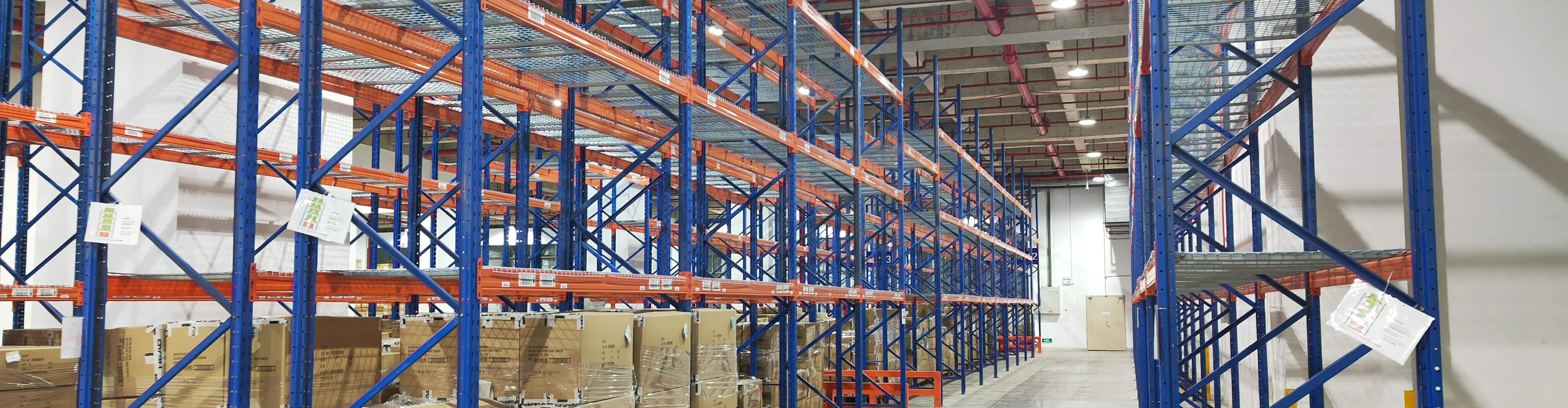
The cost of industrial warehouse shelving can vary widely because the shelving itself is only one part of the total project. In most warehouses, price depends on shelving type, load requirements, shelf size, layout density, installation complexity, and whether the system is being fitted into an existing building or planned as part of a larger storage upgrade. For buyers comparing options, the right question is usually not just “What does industrial warehouse shelving cost?” but “What will this shelving cost for my inventory, workflow, and building constraints?”
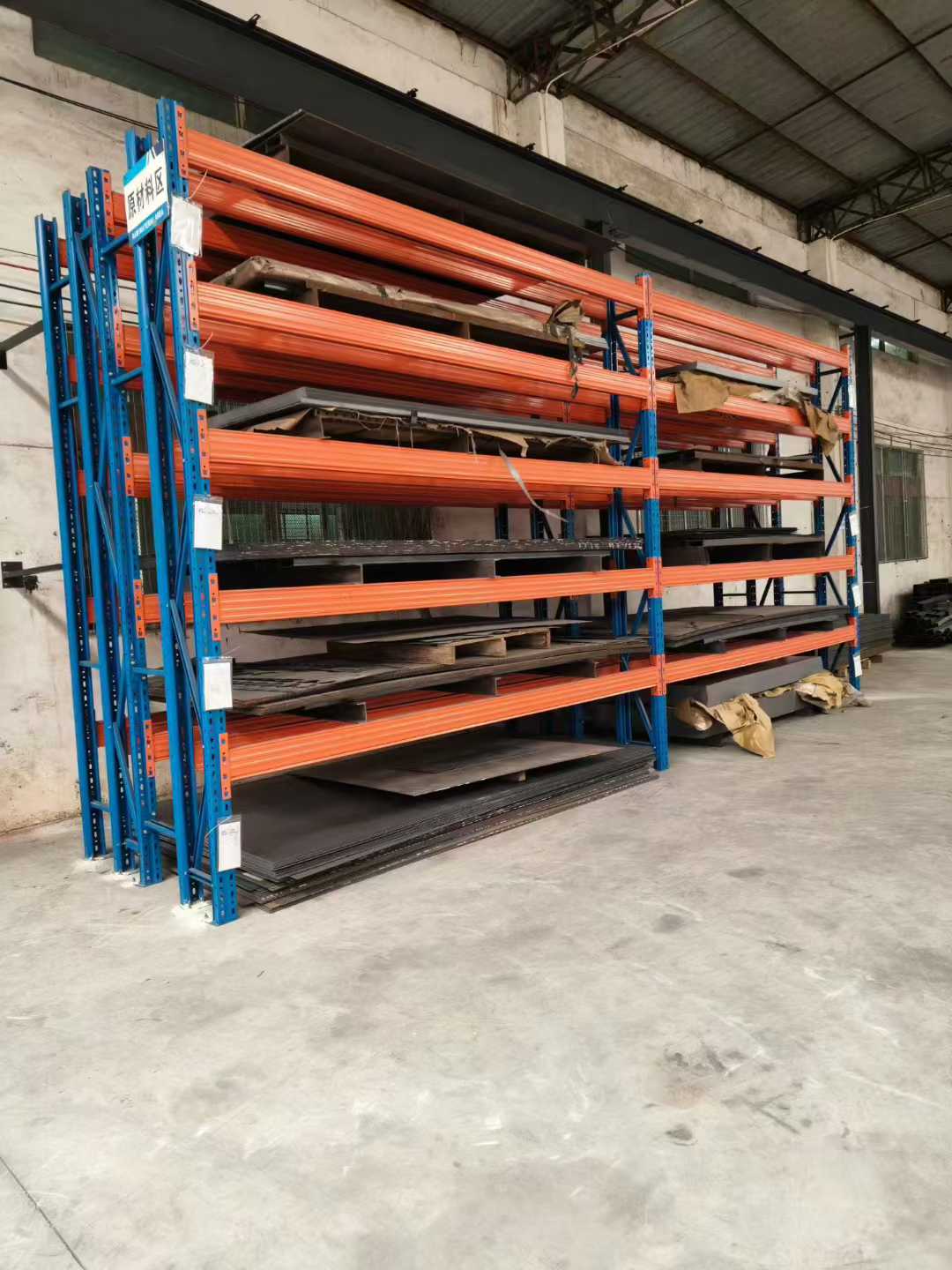
If you are budgeting for industrial warehouse shelving, it helps to break the cost into clear parts: materials, accessories, installation, site preparation, and long-term operating impact. A low initial price can become expensive if the system slows picking, wastes vertical space, or needs frequent adjustment because it was not matched to the SKU profile.
What affects the cost of industrial warehouse shelving?
Industrial warehouse shelving is not priced like a simple office shelf or retail rack. Industrial systems are designed around storage loads, handling methods, and warehouse operations. That means cost is usually driven by a combination of technical and practical factors rather than one standard price list.
1. Shelving type
The first major cost factor is the type of shelving selected. Light-duty boltless shelving, longspan shelving, heavy-duty steel shelving, archive shelving, and multi-tier shelving all have different material requirements and installation demands.
- Light-duty shelving is usually less expensive but may not suit industrial loads or frequent picking in busy warehouse areas.
- Longspan shelving is common for cartons, parts, hand-loaded items, and mixed SKU storage. It often offers a practical middle ground between cost and capacity.
- Heavy-duty shelving costs more because it is built for larger loads, more robust frames, and tougher daily use.
- Multi-tier shelving can increase storage capacity within the same footprint, but the total project cost rises because stairs, handrails, decking, and structural design become part of the system.
Choosing a more expensive shelving type can still be the better value if it reduces floor congestion or improves picking efficiency.
2. Load capacity and structural requirements
Higher load ratings generally increase the cost of industrial warehouse shelving. Heavier goods require stronger uprights, thicker shelf panels, additional bracing, and sometimes more anchors or floor load review. If you are storing dense cartons, metal components, tools, or spare parts, the shelving specification may need to be significantly heavier than it would be for light consumer products.
Buyers often underestimate this point during early budgeting. The price difference between shelving for hand-loaded apparel cartons and shelving for industrial components can be substantial, even if both layouts look similar on paper.
3. Shelf dimensions and bay configuration
Longer bays, deeper shelves, and taller units usually increase material cost. However, the cheapest configuration per bay is not always the most efficient for operations. Shelf depth should match the product. If shelves are too deep, access becomes awkward and stock visibility suffers. If they are too shallow, capacity is lost and aisle traffic may increase because more shelving rows are needed.
Height also affects cost. Taller industrial warehouse shelving can improve cube utilization, but only if operators can access upper levels safely and efficiently. In hand-picking environments, added height may mean step ladders, platforms, or revised replenishment procedures.
4. Number of levels and shelf material
More shelf levels usually mean higher cost because each level adds decking or shelf panels, support components, and labor. Shelf material also matters. Steel shelves are common in industrial settings, while mesh, particle board, or specialist decking may be used depending on fire planning, ventilation, cleanliness, or product type.
For example, a warehouse storing small parts in bins may need more shelf levels and dividers, while a bulkier carton store may need fewer levels with greater clear spacing. The second option may look simpler, but the real cost depends on how much structure is required across the full layout.
5. Accessories and operational add-ons
Many shelving budgets start with the base frame and shelves, then increase once accessories are added. Common extras include:
- Bin dividers
- Back and side mesh panels
- Label holders
- Shelf reinforcements
- Safety clips and anchors
- Aisle protection
- Guide rails or barriers near traffic areas
- Stairs and handrails for taller installations
These items can be essential rather than optional. In active warehouses with pallet trucks, carts, or forklift traffic nearby, protection measures should be considered part of the real project cost.
Material cost is only part of the total shelving budget
One of the most common budgeting mistakes is focusing only on the purchase price of industrial warehouse shelving. In practice, the total installed cost can be much higher once the full scope is defined.
Installation labor
Installation cost depends on layout size, shelving height, site access, working hours, and whether the warehouse is live during the project. A simple static shelving run in an empty area is faster and less costly to install than a phased installation in an operating warehouse where stock must be moved section by section.
If your operation cannot stop, installation may need to happen in stages, at night, or around production schedules. That increases labor time and coordination effort.
Site preparation
Existing floor condition can affect the final cost. Uneven floors may require shimming or layout adjustments. In some buildings, columns, fire equipment, dock access, doors, and low-clearance services force changes to the shelving plan. These are common reasons why initial budget figures change after a site survey.
Ceiling height and lighting layout also matter. A tall shelving plan may look efficient, but if upper shelves are difficult to access or poorly lit, the operational gain may be limited.
Freight and handling
Transport costs are often overlooked, especially for larger projects or remote sites. Industrial shelving components are bulky and heavy, and unloading may require equipment and labor at the destination. For some projects, freight is a minor line item. For others, especially where multiple deliveries or phased supply is needed, it becomes more significant.
How warehouse conditions change the cost decision
The right industrial warehouse shelving system should fit the warehouse, not just the budget spreadsheet. Two projects with similar shelf counts can have very different total costs because of operational conditions.
SKU profile and picking method
If you store many small SKUs with frequent order picking, shelving may need more levels, more access faces, clearer labeling, and more aisle space for pickers. That can increase upfront cost, but it often supports better accuracy and faster picking. By contrast, if the shelving is mainly for reserve stock or slow-moving items, a simpler layout may be enough.
High-SKU environments usually require more planning detail than buyers expect. Shelf spacing, bay width, and access ergonomics all affect labor efficiency after installation.
Forklift access and aisle width
Some shelving areas are fully hand-loaded. Others sit beside pallet racking zones or replenishment aisles where forklifts operate. If forklift traffic is nearby, protection and aisle planning become more important. Narrow aisles may improve space use, but they can slow movement, create congestion, or increase impact risk if traffic is not controlled properly.
In many warehouses, the cheaper layout on paper is not the cheaper layout to run. If operators struggle to replenish shelves safely or pick routes become inefficient, labor costs rise over time.
Expansion planning
Future growth should be considered before buying industrial warehouse shelving. If the business expects SKU growth, seasonal stock peaks, or a phased warehouse expansion, it may be worth choosing a modular system that can be extended later. A very low-cost shelving layout can become expensive if it needs to be replaced or heavily reworked within a short period.
Common pricing approaches suppliers use
Suppliers may price industrial warehouse shelving in different ways depending on the project stage. Understanding this helps buyers compare quotations more accurately.
- Per bay pricing: useful for simple comparisons, but may exclude accessories, anchors, or installation.
- Per linear meter or run: often used for shelving layouts with repeated sections.
- Per square meter of storage area: can help with high-level budgeting but may hide differences in load rating or shelf count.
- Total project pricing: usually the most realistic for full warehouse fit-outs because it includes layout, components, and installation scope.
When comparing proposals, buyers should confirm what is included. Two shelving quotations may look similar until one includes installation, protection, labeling, and anchors while the other covers materials only.
What usually makes industrial warehouse shelving more expensive?
Several conditions tend to push up the cost of industrial warehouse shelving:
- Higher load capacities
- Taller shelving runs
- Custom bay sizes
- More shelf levels
- Multi-tier designs
- Complex building constraints
- Phased installation in live operations
- Protective barriers and safety accessories
- Special shelf surfaces or dividers
- Detailed labeling and picking organization features
None of these are automatically unnecessary. Many are justified by operational requirements. The key is to separate features that improve workflow from features that add cost without solving a real warehouse problem.
How to budget for industrial warehouse shelving more accurately
If you need a realistic budget, start with the operating requirement rather than the shelf unit alone. A practical budgeting process usually includes the following steps:
1. Define what will be stored
List product sizes, weights, carton dimensions, bin use, and whether items are fast-moving or slow-moving. This determines the load and shelf spacing needed.
2. Measure the building properly
Check clear height, column positions, doors, fire equipment, lighting, and floor condition. Do not assume the full floor area is usable.
3. Map the handling method
Decide whether the shelving is hand-loaded, trolley-served, or replenished by forklift. This affects aisle width, protection, and access design.
4. Separate essential costs from optional upgrades
Identify what is necessary for safe and efficient operation, then list optional add-ons separately. This makes supplier comparisons clearer.
5. Ask for an installed cost, not just a product cost
A material-only price is rarely enough for decision-making. Request a quotation that shows supply, accessories, installation, and any obvious site-related assumptions.
6. Consider operating cost after installation
The cheapest industrial warehouse shelving is not always the lowest-cost solution over time. Poor slotting, awkward access, and inefficient replenishment can cost more in labor than the initial savings on steelwork.
Common mistakes buyers make when comparing shelving costs
- Comparing only the unit price: this ignores installation, accessories, and workflow impact.
- Underestimating load requirements: this can lead to redesign, delays, or unsafe use.
- Ignoring aisle needs: shelving that fits physically may still work poorly in daily operation.
- Using shelf dimensions that do not match inventory: this wastes space and reduces picking efficiency.
- Forgetting future changes: growth, SKU expansion, and process changes can make a low-cost layout short-lived.
Should you choose the lowest-cost industrial warehouse shelving option?
Not automatically. The right choice depends on what the shelving needs to do. If the application is light-duty, low-volume, and stable, a simpler and lower-cost system may be entirely suitable. But in busier warehouses, shelving should be evaluated as part of the wider storage and picking process.
For example, a lower-cost layout may use fewer aisles and tighter access, which improves storage density. That sounds efficient until replenishment becomes slower, picker travel increases, or damaged stock rises because items are harder to handle. In those cases, a slightly higher investment in better-configured industrial warehouse shelving may produce better operational value.
FAQ
Is industrial warehouse shelving cheaper than pallet racking?
It depends on the application. Shelving is often suitable for hand-loaded cartons, bins, and small items, while pallet racking is designed for palletized loads handled by forklifts. Shelving may cost less in lighter-duty applications, but it is not a substitute for racking where pallet storage is required.
Can used shelving reduce project cost?
Used shelving can reduce upfront spend, but buyers should check compatibility, condition, missing components, and whether the layout will actually suit the site. In many projects, mixed or incomplete used systems create more installation and maintenance issues than expected.
Does taller shelving always save money?
No. Taller shelving can improve vertical space use, but only if stock can be accessed safely and efficiently. If upper levels are difficult to reach or replenish, the operational benefit may be limited.
Should installation be included in the budget from the start?
Yes. For most commercial projects, installation, anchors, accessories, and site constraints should be included early. Material-only budgeting often understates the real cost.
Final takeaway
The cost of industrial warehouse shelving depends less on a single price point and more on how well the system matches your inventory, handling method, building conditions, and growth plan. A useful budget should include not only the shelving structure, but also installation, protection, access needs, and the long-term effect on warehouse efficiency. If you compare options based on total installed value rather than shelf price alone, you are more likely to choose industrial warehouse shelving that works well in daily operation and remains practical as the business changes.