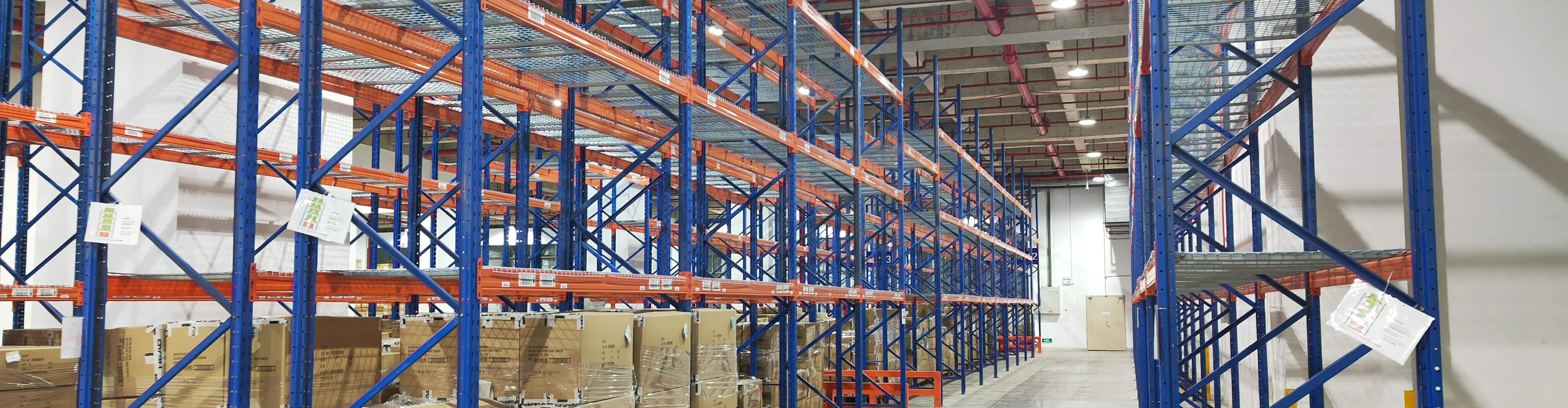
Selecting the optimal pallet racking system is a critical decision that directly impacts warehouse efficiency, safety, and long-term operational costs. For warehouse managers and facility owners, understanding the core components of pallet racking and how they align with specific business needs is essential. Pallet racking refers to the structural storage solution designed to stack pallets vertically, maximizing usable space while ensuring easy access to inventory. This guide breaks down the key considerations, addresses common questions, and provides actionable steps to choose the right system for your warehouse.
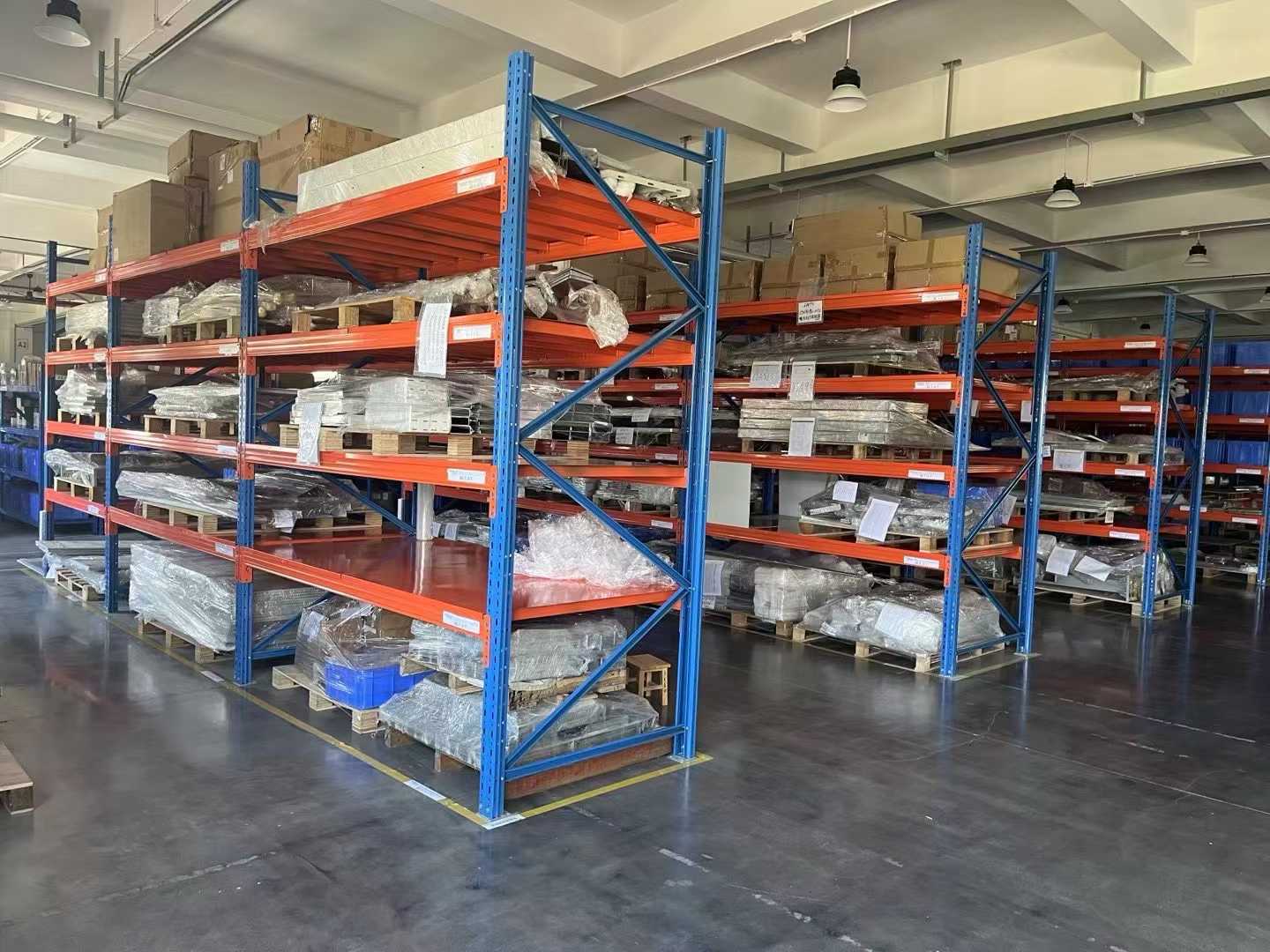
1. Understanding Pallet Racking: Core Concepts and Types
To choose the right pallet racking, it first requires clarifying the definition and main types of the system, as each type is engineered for distinct storage scenarios. Pallet racking systems are categorized based on accessibility, load capacity, and space utilization, with four primary variants dominating industrial applications.
Selective pallet racking is the most common type, offering direct access to every pallet without moving other units. It is ideal for warehouses with high SKU diversity and frequent order picking, as it supports FIFO (First-In, First-Out) inventory management. Drive-in/drive-through pallet racking, by contrast, allows forklifts to drive directly into the rack structure, maximizing vertical and horizontal space utilization. This type is suitable for bulk storage of homogeneous products with low SKU counts, following LIFO (Last-In, First-Out) logic.
Push-back pallet racking uses nested carts to “push back” pallets as new ones are loaded, combining high density with partial accessibility. Cantilever pallet racking is specialized for long or irregularly shaped items (e.g., pipes, lumber) that cannot be easily stored on standard pallets, featuring extended arms without front uprights to accommodate odd dimensions. Each type has unique load-bearing limits and space requirements, making alignment with inventory characteristics paramount.
2. Common Questions About Pallet Racking Selection (And Answers)
Q1: How do I determine the load capacity required for my pallet racking?
Load capacity is a non-negotiable factor for pallet racking safety and durability. The calculation must account for three key variables: the weight of individual pallets (including goods), the number of pallets per beam level, and the distribution of weight across the rack. First, weigh a fully loaded pallet to get the base weight—never estimate, as underrating can lead to structural failure. Next, check the beam capacity specified by the manufacturer, which is typically labeled per pair of beams. For example, if a beam pair is rated for 2,500 lbs and each loaded pallet weighs 800 lbs, you can safely place 3 pallets per level (3×800=2,400 lbs, leaving a 100-lb safety margin).
Additionally, consider dynamic loads from forklift operations. Pallet racking must withstand accidental impacts, so opt for systems with reinforced uprights if your warehouse has high forklift traffic. For cold storage environments (below 32°F/0°C), choose racking with cold-resistant steel to prevent brittleness, as standard steel may lose tensile strength in low temperatures.
Q2: Can I use the same pallet racking for different pallet sizes?
While some pallet racking systems offer limited flexibility for varying pallet sizes, it is not advisable to use a one-size-fits-all approach. Standard pallets (48×40 inches in North America, 800×1200 mm in Europe) require beams spaced to match their width, ensuring stable support. If your warehouse uses multiple pallet sizes (e.g., 42×42 inches for specialty goods), adjustable beam pallet racking is a better choice, as beams can be repositioned at 2-inch increments to accommodate different dimensions.
However, note that adjusting beam spacing may reduce load capacity—always consult the manufacturer’s guidelines before modifying. For irregularly sized pallets, custom pallet racking with tailored beam lengths and upright configurations is necessary to avoid uneven weight distribution, which can compromise structural integrity over time.
3. Benefits of Choosing the Right Pallet Racking System
Investing in the correct pallet racking system delivers multifaceted benefits that extend beyond space optimization. First, it enhances operational efficiency by reducing picking time—selective pallet racking, for instance, cuts down on forklift travel time by 30% compared to bulk storage solutions. This translates to higher throughput and lower labor costs.
Second, it improves safety compliance. OSHA (Occupational Safety and Health Administration) and EU standards mandate that pallet racking meets strict load-bearing and structural requirements. Choosing a system tailored to your needs minimizes the risk of collapses, protecting workers and avoiding costly fines. Third, it supports scalability. Adjustable or modular pallet racking allows you to expand or reconfigure the system as inventory volumes grow, eliminating the need for complete overhauls.
Finally, it reduces inventory damage. Properly sized and positioned pallet racking prevents pallets from shifting or falling, reducing product loss—especially critical for fragile or high-value goods. For warehouses in humid climates, corrosion-resistant pallet racking (e.g., hot-dip galvanized steel) extends the system’s lifespan, lowering replacement costs.
4. Step-by-Step Guide to Choosing the Right Pallet Racking
Step 1: Conduct a Comprehensive Warehouse Assessment
Start by measuring your warehouse’s dimensions, including ceiling height, floor load capacity, and column placement. Ceiling height dictates vertical storage potential—for ceilings above 20 feet, consider double-deep or drive-in pallet racking to maximize vertical space. Check floor load capacity with a structural engineer; most warehouses have a minimum of 2,500 lbs per square foot, but this varies by facility age and construction. Note column positions, as they may limit rack layout and require custom configurations to avoid obstacles.
Step 2: Analyze Inventory Characteristics
Document key inventory details: pallet size and weight, SKU count, turnover rate, and storage volume. High-turnover SKUs benefit from selective pallet racking for quick access, while slow-moving bulk items are better suited for drive-in systems. For pallets heavier than 2,000 lbs, opt for heavy-duty pallet racking with thick-gauge steel uprights (minimum 12-gauge) and reinforced beams. If inventory includes perishables, ensure the racking supports FIFO to maintain product freshness.
Step 3: Evaluate Material Handling Equipment Compatibility
Your forklift type and reach capacity must align with the pallet racking design. Counterbalance forklifts require wider aisles (10-12 feet) for selective racking, while reach trucks can operate in narrower aisles (6-8 feet) for high-density systems. Measure the forklift’s maximum lift height and reach to ensure it can access the top rack levels safely. For warehouses using automated guided vehicles (AGVs), choose pallet racking with clear aisle markers and reinforced bases to withstand AGV navigation impacts.
Step 4: Consider Environmental Factors
Climate and warehouse conditions influence material selection. For outdoor or humid indoor environments (e.g., coastal warehouses), hot-dip galvanized pallet racking is essential to resist rust—electro-galvanized options are suitable for mild humidity but lack long-term durability. In cold storage (-20°F to 32°F), use racking with cold-rolled steel and avoid welded joints, which can become brittle. For dusty environments (e.g., manufacturing facilities), select open-beam designs for easy cleaning and maintenance.
Step 5: Verify Compliance and Manufacturer Credentials
Ensure the pallet racking meets industry standards: ANSI/RMI MH16.1 in North America, EN 15512 in Europe, and ISO 3674 globally. Choose manufacturers with third-party certifications (e.g., TÜV, SGS) to validate load capacity claims—this supports E-E-A-T principles and builds trust with search engines. Avoid non-certified cheap alternatives, as they often fail to meet safety standards and increase liability risks.
Step 6: Plan Installation and Maintenance
Hire certified installers familiar with your chosen pallet racking type. Installation steps include: marking rack positions with laser levels, anchoring uprights to the floor with expansion bolts (minimum 3/4-inch diameter for concrete floors), attaching beams with locking pins (never use only bolts, as they can loosen), and inspecting for plumb and level (tolerance ±1/8 inch per 10 feet). Post-installation, conduct monthly inspections—check for bent beams, loose fasteners, and rust, and replace damaged components immediately. Annual professional inspections are required to maintain compliance.
5. Practical Results of Optimal Pallet Racking Selection
Case 1: E-Commerce Warehouse Efficiency Boost
A mid-sized e-commerce warehouse in the U.S. with 15,000 sq. ft. of space and 500+ SKUs struggled with low space utilization (40%) and slow picking times. After assessing inventory (mostly 48×40-inch pallets with 800-lb loads and high turnover), they installed selective pallet racking with adjustable beams and narrow aisles (8 feet wide). The new system increased vertical storage by 60%, raising overall space utilization to 75%. Picking time per order decreased by 25% due to direct pallet access, and the warehouse avoided costly expansion. Regular maintenance (monthly inspections and annual galvanization touch-ups for humid areas) ensured the pallet racking remained compliant and durable after 5 years of use.
Case 2: Cold Storage Facility Cost Reduction
A European cold storage facility (-10°C) storing frozen food products faced frequent pallet racking damage due to cold-induced brittleness. They replaced standard welded racking with cold-resistant push-back pallet racking made of cold-rolled steel. The new system featured reinforced joints and hot-dip galvanization to resist condensation-related rust. As a result, equipment damage decreased by 80%, reducing replacement costs by €20,000 annually. The push-back design also increased storage density by 40%, allowing the facility to handle 20% more inventory without expanding the space. Compliance with EN 15512 standards also eliminated OSHA fines related to structural safety.
Choosing the right pallet racking system is a data-driven process that balances space, inventory, equipment, and compliance. By following these steps and prioritizing quality and compatibility, you can create a storage solution that enhances efficiency, reduces costs, and supports long-term business growth. Always consult with experienced pallet racking specialists to tailor the system to your unique warehouse needs.