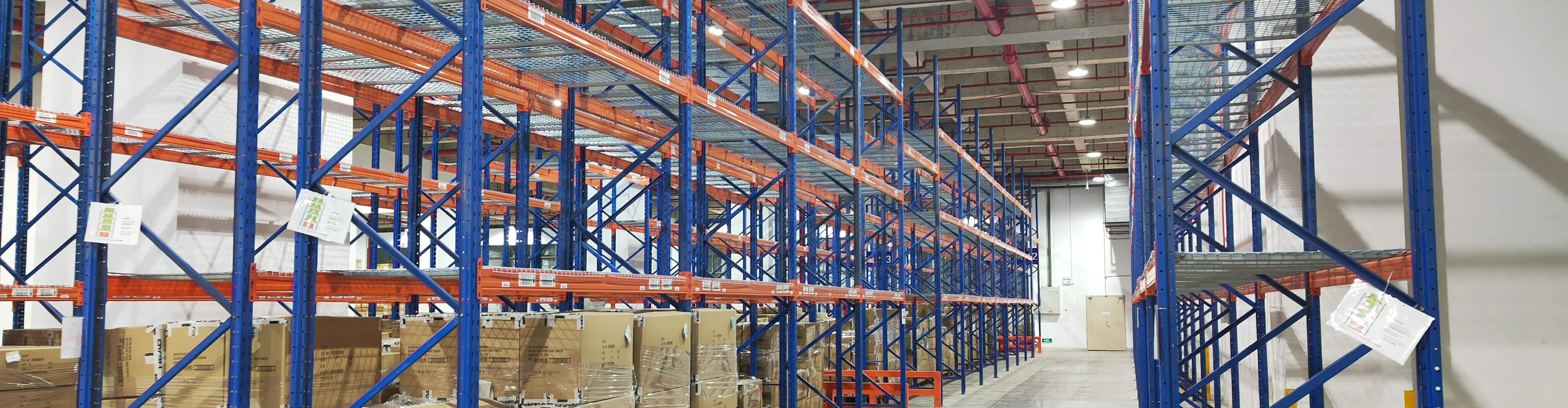
Have you ever faced this situation? The warehouse keeps filling up, and suddenly the boss asks: “Can we still put anything on this Heavy Duty Racking?” You hesitate — put too much and you’re worried it may collapse, leave it empty and you waste space.
The truth is, many warehouse managers are unsure about the real load capacity of Heavy Duty Racking. This guide will help you understand it clearly so you can confidently say: “This rack is safe!”
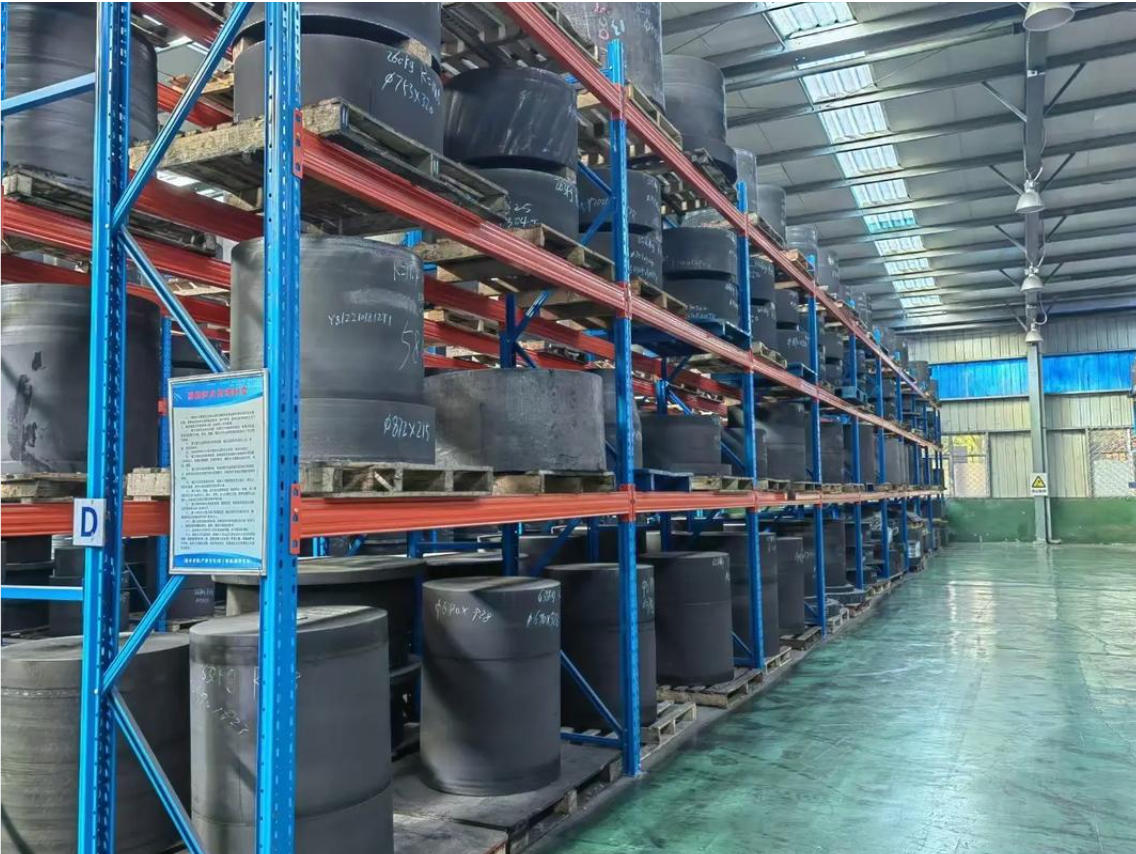
What Is Heavy Duty Racking Load Capacity?
Simply put:
The load capacity refers to the maximum weight each shelf level of a Heavy Duty Racking system can safely support.
A rack labeled 2000kg per level does not guarantee safety at 1999kg. Safe load capacity means:
- No bending
- No deformation
- No structural collapse
- Stable long-term use
What Factors Influence Heavy Duty Racking Load Capacity?
The load ability of Heavy Duty Racking is determined by several structural components, not just steel thickness.
1. Upright Column Specifications
The uprights act as the legs of Heavy Duty Racking. Stronger uprights support higher loads.
- Steel thickness: 1.8mm / 2.0mm / 2.5mm
- Column sizes: 80×70mm, 90×70mm, 100×70mm
I once visited a warehouse using just 1.5mm uprights to hold a 2-ton engine. The uprights bent inward — a serious warning sign.
2. Beam Height and Structure
The beam is the main component that carries weight in Heavy Duty Racking. Different beam shapes exist, but height matters most.
- 100mm beam ≈ about 1 ton
- 120mm beam ≈ about 1.5 tons
- 140mm beam ≈ about 2 tons
3. Shelf Panel Materials
The type of layer board also affects load capacity.
| Material | Load Strength | Advantages |
|---|---|---|
| Steel board | High | Durable & stable |
| Wire mesh | High | Ventilated & fire-safe |
| Plywood | Low | Moisture-sensitive & warps easily |
Wood panels may warp under heavy loads and compromise the whole Heavy Duty Racking system.
4. Evenness of Load Distribution
A critical factor often ignored. If 1000kg is placed all in the center, the beam might sag. If spread out, the structure handles weight much better.
Rule: Heavy items spread evenly, light items can be grouped.
5. Installation Quality
Even the best Heavy Duty Racking can fail if installed poorly.
- Loose expansion bolts
- Beams not fully locked
- Uneven shelves
- Poor ground level
I’ve even seen a warehouse install a beam upside down — reducing load capacity immediately.
How to Calculate Heavy Duty Racking Load Capacity?
You can estimate load capacity without engineering skills. Just follow these steps:
Step 1: Identify Beam Capacity
Load per level = Beam capacity × 2
If one beam supports 800kg, a full level supports around 1600kg.
Step 2: Check Upright Strength
- 80×70mm → for lighter loads (~1 ton)
- 90×70mm → medium loads (1–2 tons)
- 100×70mm → heavy loads (2+ tons)
Step 3: Check Shelf Panel Capacity
- Plywood: 500–800kg
- Composite board: 800–1200kg
- Steel panel: safest for heavy items
Step 4: Apply a Safety Factor
Safe load = Theoretical load ÷ 1.2
A rack rated 2000kg should ideally hold only around 1660kg.
Real Example: Can a 2-Ton Rack Really Hold 2 Tons?
A customer bought Heavy Duty Racking advertised as “2 tons per level.” When they placed 1.7 tons, the beam sagged.
Inspection showed:
- Beam only 120mm
- Upright 80×70mm
- Load concentrated in the middle
- Wooden layer board
This setup was relying on luck, not strength.
After upgrading to:
- 140mm beam
- 100×70mm upright
- Steel panel
- Even distribution
The system could finally support 2 tons safely.
Common Mistakes When Using Heavy Duty Racking
- Judging by appearance only
- Thinking heavier racks always hold more weight
- Using plywood for heavy loads
- Blindly trusting factory labels
Load capacity is the result of the entire structure working together.
How to Keep Heavy Duty Racking in Good Condition
- Put heavy items at the bottom
- Check beams every 3 months
- Add protective guards
- Prevent moisture damage
- Never modify rack structure casually
Conclusion
Once you understand the basic rules and structure of Heavy Duty Racking, you can confidently judge how much weight it can carry. Next time someone asks, “Can this rack take more weight?” you’ll know exactly how to answer.