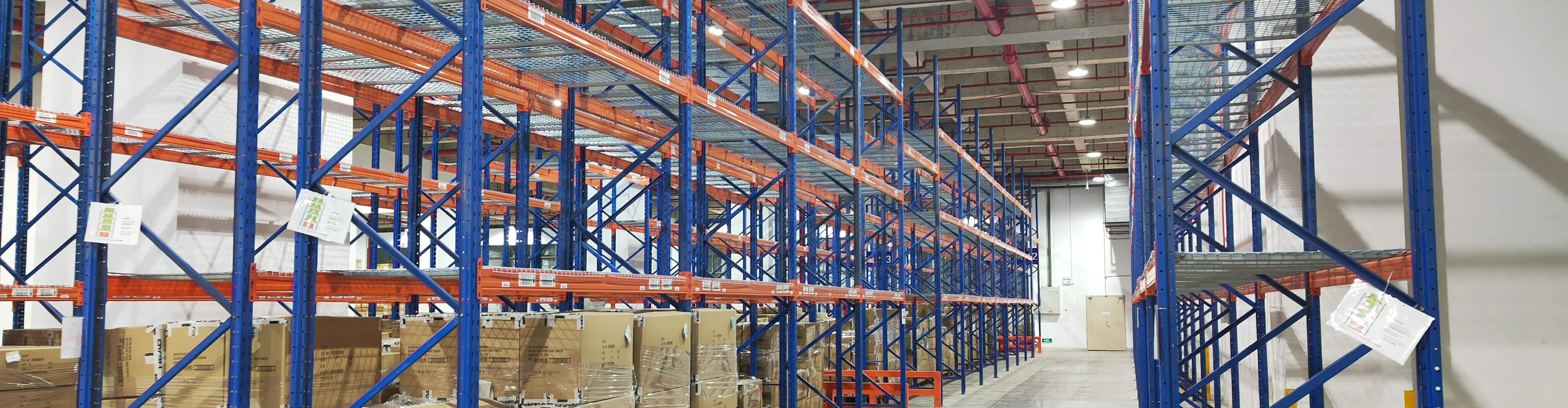
Choosing the right Pallet Racking starts with a simple principle: the right system is the one that fits your pallet type, stock profile, handling equipment, building constraints, and day-to-day workflow. A layout that looks efficient on paper can become slow, unsafe, or expensive if it does not match how goods are actually received, stored, and picked.
For most warehouses, the decision is not just about storage capacity. It is about balancing accessibility, density, forklift movement, safety, inspection access, and future growth. This guide explains how to evaluate Pallet Racking in a practical way so you can make a sound purchasing and planning decision.
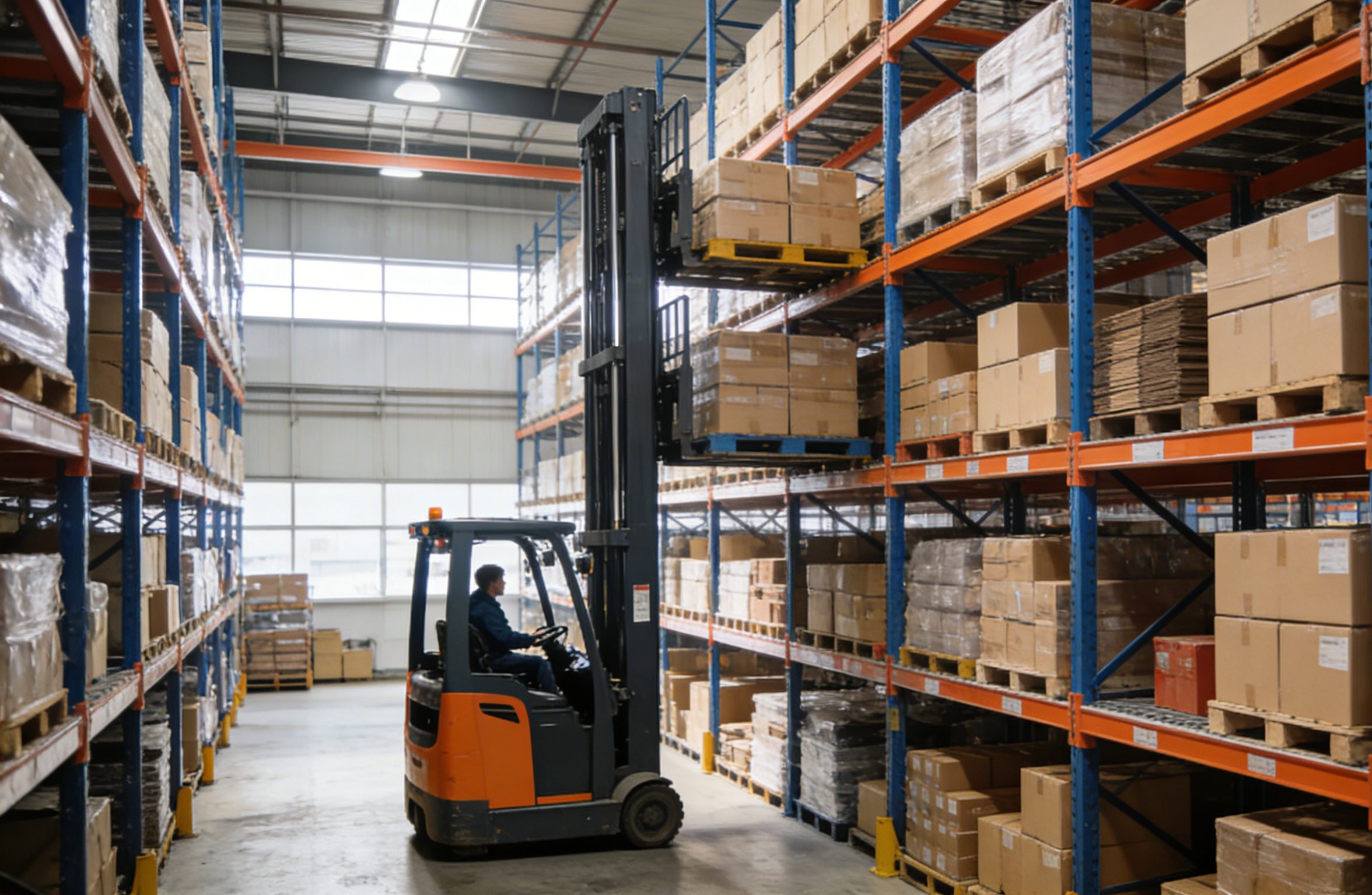
Start with Your Storage and Handling Reality
Before comparing rack types, define how your warehouse really operates. Many selection mistakes happen because buyers start with a product category instead of an operating profile.
Ask the following questions first:
- What pallet sizes, weights, and load overhangs need to be stored?
- How many SKUs are stored as full pallets versus split-case or piece picking?
- What is your stock rotation method: FIFO, LIFO, or mixed?
- How often are pallets moved in and out?
- What forklifts or reach trucks are used, and what aisle width do they require?
- What is the clear building height, sprinkler arrangement, and floor condition?
- Do you need room for expansion within the same footprint?
These points shape the type of Pallet Racking that will work efficiently. A warehouse with many SKUs and frequent picking usually needs direct access to each pallet. A warehouse storing large quantities of the same item may place more value on storage density than on immediate access.
Understand the Main Pallet Racking Options
Different Pallet Racking systems solve different storage problems. No single configuration is right for every operation.
Selective Pallet Racking
Selective Pallet Racking is the most common choice for general warehousing. It gives direct access to every pallet position, which makes it practical for operations with a wide SKU mix, regular replenishment, and variable stock movement.
It is often a good fit when:
- You need fast access to individual pallets
- You handle many product lines
- You want straightforward stock control
- You may need to reconfigure beam levels later
Its main limitation is storage density. Because every row needs aisle access, selective systems use more floor area than higher-density alternatives.
Drive-In or Drive-Through Racking
This type of Pallet Racking is designed for high-density storage of larger pallet quantities per SKU. Forklifts enter the rack structure to place and retrieve pallets from rails.
It may suit operations where:
- The SKU range is relatively limited
- Large batch storage is common
- Space utilization is a major priority
However, it is less suitable for fast-moving mixed inventory. It can also involve more careful forklift operation, more potential for impact damage, and more discipline in stock rotation.
Push Back Racking
Push back Pallet Racking increases density while keeping forklifts out of the rack lanes. Pallets are stored on inclined carts or rails and move back as new pallets are loaded.
This can work well when you need:
- Better density than selective racking
- Reasonable pick speed
- LIFO stock handling
It is not ideal if strict FIFO rotation is required, and buyers should also consider maintenance access for moving components.
Pallet Flow Racking
Pallet flow Pallet Racking uses gravity rollers so pallets move from the loading side to the picking side. It is often used where FIFO rotation is important, such as date-sensitive or batch-controlled inventory.
It can be effective for:
- High-volume SKU lanes
- FIFO stock movement
- Separate loading and retrieval aisles
It usually requires more precise pallet quality control and more upfront planning than standard selective systems.
Double Deep Racking
Double deep Pallet Racking stores pallets two positions deep to reduce aisle count and improve density. It typically requires suitable handling equipment, such as a reach truck with the right capability.
It may be a reasonable compromise when:
- You want more density than selective racking
- You can accept reduced immediate access
- Your SKU profile supports storing multiple pallets of the same item together
The trade-off is reduced selectivity and more planning around stock access.
Match the Racking Type to Your SKU Profile
One of the most important factors in choosing Pallet Racking is SKU structure. Warehouses with hundreds or thousands of active SKUs usually need high accessibility. In those cases, selective racking is often easier to manage than dense lane-based systems.
If your warehouse stores fewer SKUs but deeper quantities of each item, dense Pallet Racking may use space more efficiently. The key is to avoid forcing a high-density layout onto an operation that actually depends on fast direct pallet access.
A useful rule is this: the more varied your inventory and the more frequent your pallet-level selection, the more valuable selectivity becomes. The fewer SKUs you hold and the deeper the stock per SKU, the more density becomes attractive.
Consider Forklift Access and Aisle Requirements
Pallet Racking should be planned around the equipment that will use it every day. A rack layout that ignores turning radius, lift height, visibility, and aisle clearance can slow down operations or create avoidable damage risks.
Review these points carefully:
- Type of forklift or reach truck in use
- Required working aisle width
- Maximum lift height under load
- Operator visibility at upper beam levels
- Traffic flow near ends of aisles and cross aisles
Very narrow aisles can increase storage capacity, but they also depend on suitable equipment, floor flatness, operator discipline, and maintenance standards. If your operation has mixed truck types or frequent pedestrian interaction, a more forgiving aisle layout may be the better long-term decision.
Check Building Height, Floor Condition, and Obstructions
The available building envelope has a direct effect on Pallet Racking design. Clear height is valuable, but not every warehouse can safely or efficiently use the full vertical space.
Look at:
- Clear internal height below roof structure and services
- Lighting, ducting, sprinkler lines, and columns
- Door locations and staging areas
- Floor slab condition and levelness
- Load-bearing suitability for the rack and forklift activity
A tall layout is not automatically better. As storage height increases, so do the demands on handling equipment, loading accuracy, and inspection discipline. In some operations, adding more levels may reduce productivity if replenishment becomes slower or upper-level access becomes awkward.
Define Load Requirements Clearly
A Pallet Racking system should be selected only after pallet loads are properly understood. This includes pallet dimensions, unit load weight, load stability, and whether goods overhang the pallet edge.
Common planning mistakes include assuming all pallets are the same, ignoring damaged pallets, or failing to account for future load changes. Even small differences in pallet quality or load shape can affect beam spacing, bay width, and handling safety.
At a minimum, define:
- Maximum pallet weight
- Typical pallet dimensions
- Type and condition of pallets used
- Whether loads are uniformly distributed or uneven
- Any expected future increase in load weight or height
This information is essential for safe and practical Pallet Racking planning.
Think Beyond Capacity: Plan for Workflow
Warehouse buyers often focus first on how many pallet positions a system can create. Capacity matters, but workflow matters just as much. The right Pallet Racking should support receiving, putaway, replenishment, picking, and dispatch without creating bottlenecks.
Consider how goods move through the building:
- Are fast movers stored close to dispatch?
- Do replenishment routes interfere with picking routes?
- Is there enough space at aisle ends for turning and staging?
- Will dense storage slow down urgent retrievals?
- Can inventory checks and cycle counts be done efficiently?
In many warehouses, a blended approach works better than forcing one rack type across the entire site. For example, selective Pallet Racking may suit mixed SKUs, while a denser system may be reserved for bulk reserve stock.
Allow for Inspection, Maintenance, and Protection
Pallet Racking is not just a one-time installation decision. It needs to remain safe and serviceable under daily warehouse conditions. Systems that look efficient initially can become costly if they are difficult to inspect, prone to impact, or poorly matched to operator behavior.
When evaluating options, think about:
- Ease of visual inspection for uprights, beams, and connectors
- Exposure to forklift impact in narrow or busy aisles
- Need for upright protection and end-of-row barriers
- Access for replacing damaged components
- Housekeeping around base plates and anchors
High-density Pallet Racking can save floor space, but it may also increase the consequences of poor pallet quality, misloading, or impact damage. Buyers should weigh these operational realities before choosing a more compact layout.
Plan for Expansion and Change
A warehouse rarely stays static. Product mix changes, volumes shift, and handling methods evolve. Good Pallet Racking planning should leave room for sensible adjustment rather than locking the site into a layout that only works for current conditions.
Useful questions include:
- Can beam levels be adjusted if pallet heights change?
- Is there room to extend rows or add bays later?
- Will future automation or different trucks affect the layout?
- Could the SKU mix change from bulk storage to more selective picking?
Flexibility has commercial value. A slightly less dense layout may be the better investment if it allows easier reconfiguration and lower disruption later.
Common Mistakes When Choosing Pallet Racking
Many avoidable problems come from choosing Pallet Racking based on price alone or copying a layout from another warehouse with very different operating conditions.
Common mistakes include:
- Selecting a dense system for a high-SKU operation
- Ignoring forklift aisle requirements
- Using building height without considering handling efficiency
- Underestimating pallet quality issues
- Failing to plan for inspections and rack protection
- Designing purely for maximum pallet count instead of workable throughput
- Not considering future changes in stock profile or business growth
The most effective Pallet Racking decision usually comes from balancing storage density with accessibility, safety, and operational speed.
A Practical Selection Checklist
If you are comparing Pallet Racking options, this checklist can help keep the decision grounded in operational reality:
- Confirm pallet size, weight, and condition
- Map the number of SKUs and pallets per SKU
- Define whether FIFO or LIFO is required
- Review forklift type, lift height, and aisle needs
- Measure clear height and identify site obstructions
- Check floor condition and loading suitability
- Decide how much direct pallet access is needed
- Consider inspection access and damage risk
- Allow for future expansion or layout changes
- Compare total operating practicality, not just initial storage count
FAQ
What is the most common type of Pallet Racking?
Selective Pallet Racking is the most common because it offers direct access to each pallet and works well for many general warehouse operations.
Which Pallet Racking system gives the highest storage density?
Systems such as drive-in, push back, and pallet flow can improve density compared with selective layouts, but the right choice depends on SKU mix, stock rotation, and handling method.
Is high-density Pallet Racking always better?
No. Higher density usually means reduced selectivity, tighter operating conditions, and more planning around stock access. It is only better when the inventory profile supports it.
How do I know if my warehouse should use selective Pallet Racking?
If you store many SKUs, need direct access to most pallets, and want flexible layout changes, selective Pallet Racking is often the most practical starting point.
Final Decision Takeaway
The right Pallet Racking is the system that supports your real warehouse operation, not just your target pallet count. Start with pallet loads, SKU profile, stock rotation, handling equipment, aisle requirements, and building constraints. Then compare rack types based on how they affect accessibility, density, safety, inspection, and future flexibility.
If you make the decision from an operational point of view rather than a purely theoretical layout, your Pallet Racking is far more likely to remain efficient, manageable, and commercially sensible over time.