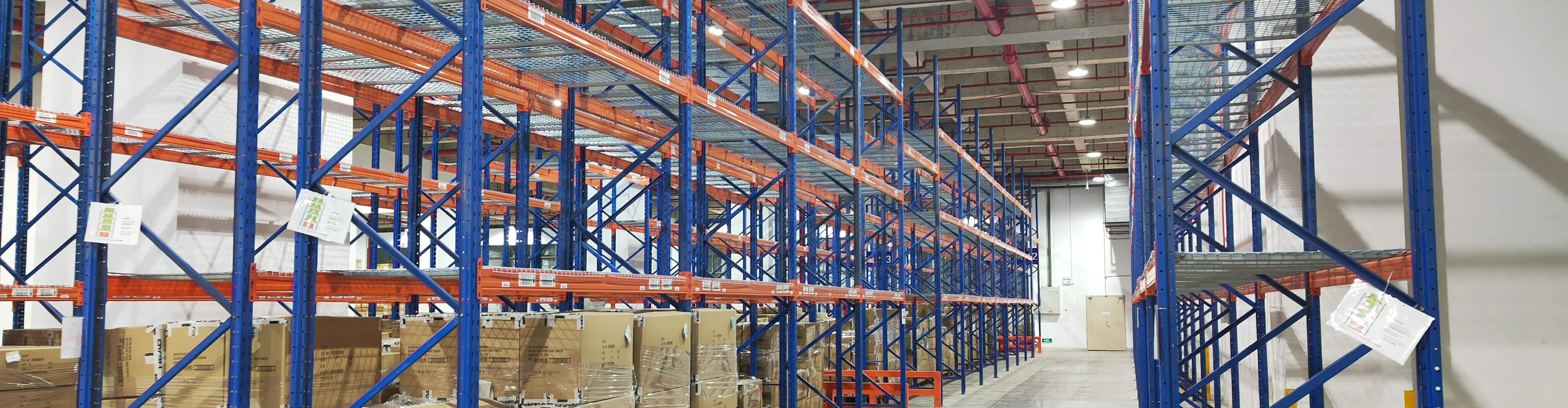
Buying heavy duty metal shelving is not just a matter of choosing a shelf size and load rating. The right system has to match your products, handling method, floor conditions, available height, picking workflow, and future growth. If those factors are not considered early, a shelving purchase that looks economical on paper can create congestion, underused space, safety concerns, or costly changes later.
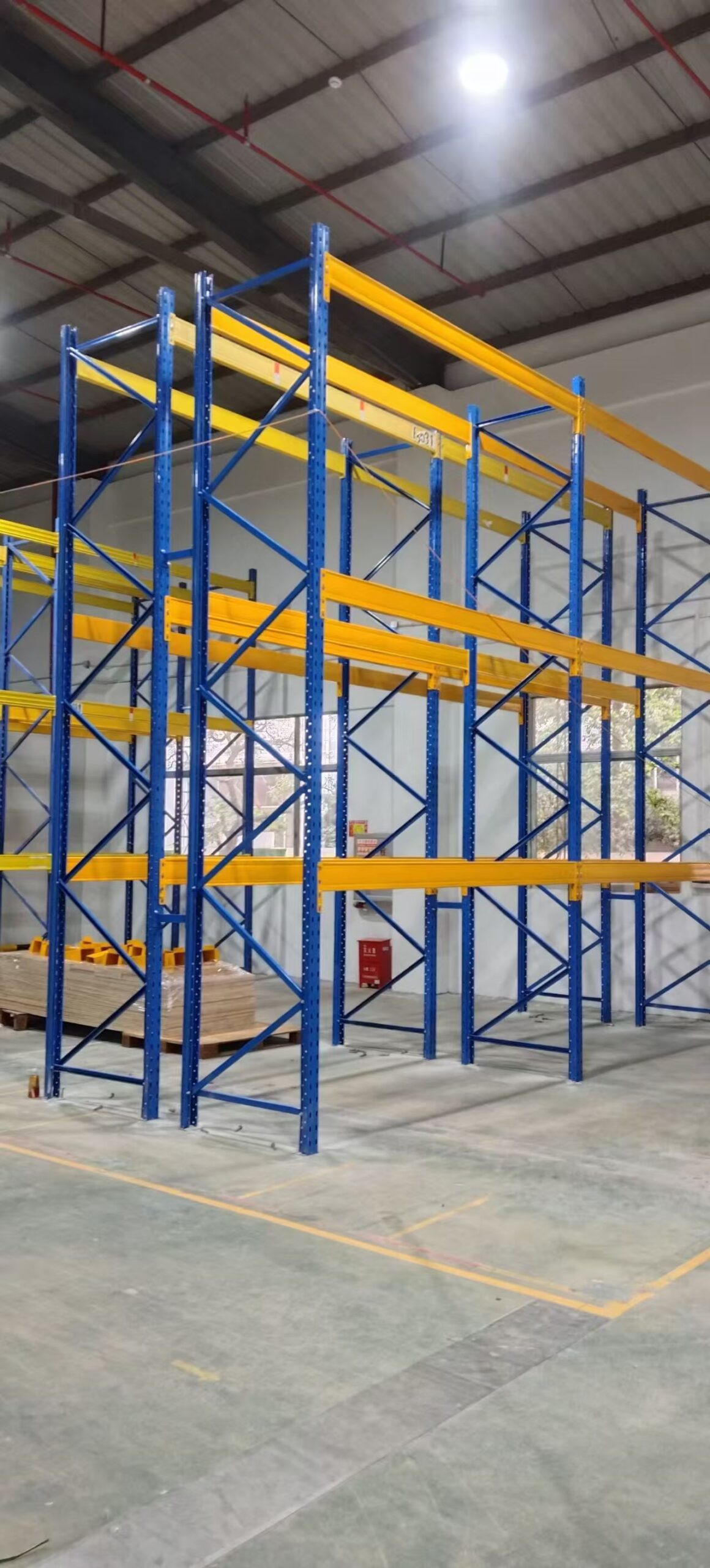
For most commercial buyers, the key decision is whether heavy duty metal shelving fits the actual storage task better than alternatives such as pallet racking, longspan shelving, or bin shelving. Before placing an order, it is worth reviewing how the shelving will be loaded, who will access it, what unit loads it will carry, and how the layout will perform in daily operations.
Start with the storage application, not the product brochure
The first question is simple: what exactly will the shelving store? Heavy duty metal shelving is commonly used for cartons, parts, tools, archive boxes, components, maintenance stock, and medium-to-heavy hand-loaded items. It is often chosen when goods need to be individually accessed rather than stored as full pallets.
If your operation mainly stores palletized loads handled by forklift, standard shelving may not be the right primary system. In that case, pallet racking is usually more suitable because it is designed around pallet dimensions, lift equipment, and beam-level access. Heavy duty shelving is generally more appropriate where staff pick by hand, where SKU count is relatively high, or where item variety matters more than maximum pallet density.
Define the storage profile before comparing quotations:
- Product dimensions and weight per item
- Weight per shelf level and per bay
- Number of SKUs
- Picking frequency
- Manual handling versus mechanical handling
- Need for dividers, bins, or compartmentalization
- Expected stock growth over the next few years
This step helps avoid a common mistake: buying shelving that is structurally strong enough, but operationally inefficient for the actual inventory mix.
Check load capacity at shelf level and system level
One of the most important considerations before buying heavy duty metal shelving is load capacity. Buyers often focus on the headline maximum load, but that figure alone is not enough. You need to know the safe load per shelf, the total load per bay, and how that capacity changes depending on shelf length, shelf material, support design, and load distribution.
A shelf carrying evenly distributed cartons behaves differently from one carrying dense machine parts concentrated in one area. If the load is uneven, real performance may differ from the simple rated number shown in a catalog. This is why it is important to confirm:
- Uniformly distributed load per shelf
- Maximum bay load
- Whether loads are static or frequently moved
- Whether stock is dense, irregular, or impact-prone
- How shelf deflection may affect day-to-day use
For procurement teams, the practical takeaway is clear: do not compare shelving systems on price alone without checking how the stated capacity is defined. A lower-cost system may require more bays, more reinforcement, or more conservative loading in actual use.
Consider how staff will access the shelving every day
Heavy duty metal shelving may look straightforward, but access method has a major effect on layout and usability. A system that works for light, occasional picking may become inefficient if staff need to access stock constantly throughout the day.
Review how goods will be retrieved and replenished:
- Hand picking from floor level only
- Access to multiple shelf levels
- Use of steps, ladders, or platforms
- Two-person handling for heavier items
- Trolley-based picking routes
- Batch picking or order consolidation nearby
If items are bulky or heavy enough to create awkward lifting positions, shelf spacing and height become important. Very deep or very high shelves can reduce picking efficiency and increase handling risk. In fast-moving operations, a slightly less dense layout may perform better because it improves visibility and reduces travel time.
This is also where aisle width matters. Narrow aisles can save floor space, but if staff are moving carts, opening cartons, or replenishing frequently, overcrowded aisles can slow the operation more than they help.
Assess the warehouse space realistically
Before buying heavy duty metal shelving, measure the available space carefully and assess it as an operating area, not just an empty floor plan. Buyers sometimes calculate how many shelving bays can fit into a room, but overlook columns, doors, fire exits, lighting, dock flow, and maintenance access.
Important site factors include:
- Clear height under lights, ducts, or sprinklers
- Wall obstructions and building columns
- Floor flatness and condition
- Door openings and access routes
- Required aisle width for people and equipment
- Areas needed for packing, staging, or returns
In some facilities, adding more shelving rows increases storage capacity but damages workflow. If replenishment, picking, and dispatch all compete for the same aisle space, the result can be congestion rather than efficiency. A practical layout should support movement as well as storage.
Review the floor condition and installation environment
Even when heavy duty metal shelving is manually loaded, the floor still matters. Uneven or damaged slabs can affect alignment, stability, and long-term performance. In older buildings, floor condition should be checked before installation so that shimming, leveling, or local repairs can be planned if needed.
The environment also affects material choice and maintenance expectations. For example:
- Dry indoor storage typically has fewer corrosion concerns
- Humid or washdown-prone areas may need more protective finishes
- Dusty environments can increase housekeeping demands
- Cold rooms may affect handling practices and material performance considerations
- Areas near traffic routes may need more impact protection
If the shelving will sit near forklift routes, end-of-aisle and corner protection may be worth considering even if the shelves themselves are hand-loaded. Damage often occurs not because the shelving is unsuitable, but because surrounding traffic was underestimated.
Think about SKU profile and shelf adjustability
A major advantage of heavy duty metal shelving is flexibility, but only if the configuration suits the SKU mix. If your inventory includes many product sizes, shelf adjustability becomes more valuable than a simple fixed-level design.
Ask practical questions such as:
- Do product dimensions change seasonally?
- Will packaging sizes vary by supplier?
- Are there slow-moving items that can be stored higher up?
- Do fast-moving SKUs need prime picking positions?
- Will you need dividers, drawers, or accessories later?
In mixed-SKU environments, poor shelf spacing wastes vertical cube quickly. Too much space between levels reduces capacity. Too little space can make access awkward and slow. Adjustable shelving helps solve that, especially where stock profiles change over time.
This is one reason buyers should look beyond the initial purchase price. A slightly more adaptable system may reduce future reconfiguration costs and improve stock organization.
Understand when heavy duty metal shelving is a poor fit
Not every storage problem should be solved with heavy duty metal shelving. It may be less suitable in several common situations:
- When most stock is stored on pallets and moved by forklift
- When very high storage density is the main objective
- When items are too long, too heavy, or too awkward for shelf storage
- When stock rotation requires specialized flow handling
- When the operation depends on rapid truck-to-rack pallet movement
For long goods such as pipes, bars, or timber, cantilever racking is often a better match. For full pallet storage, pallet racking is usually more efficient. For small-parts operations with high picking frequency, lighter modular shelving, bin systems, or integrated workstations may sometimes perform better.
A good buying decision starts with suitability, not with trying to make one system do every job.
Plan for growth and reconfiguration
Warehouse layouts rarely stay fixed for long. Product lines change, stockholding patterns shift, and operations often outgrow their original plan. Before buying heavy duty metal shelving, consider whether the system can expand in a practical way.
Useful questions include:
- Can additional bays be added later?
- Can shelf levels be repositioned without major disruption?
- Will matching components still be available in the future?
- Can the layout be extended if adjacent space opens up?
- Will the system still work if SKU count increases?
Expansion planning is especially important for growing warehouses and spare-parts stores. A low-cost shelving purchase can become expensive if it creates a dead-end layout or forces a full replacement when the operation changes.
Look at safety, inspection, and maintenance requirements
Buyers should also think about what happens after installation. Heavy duty metal shelving needs routine checks, sensible loading practices, and good housekeeping to remain safe and usable.
Practical review points include:
- Visible load signage where appropriate
- Staff understanding of shelf load limits
- Regular checks for bent members, loose fixings, or damaged shelves
- Clear reporting process for accidental impact or overload concerns
- Anchoring and leveling completed as required for the design
- Access kept clear for inspection and cleaning
In busy facilities, shelving can be misused gradually. Heavier items get placed on upper levels, cartons overhang shelf edges, and aisles become partially blocked. These are not just housekeeping issues; they affect safety, stock accuracy, and picking efficiency. Choosing a system that is easy to inspect and straightforward to use correctly is often better than choosing one that looks more compact but is harder to manage.
Compare total value, not just unit price
When evaluating quotations for heavy duty metal shelving, the cheapest option is not always the most economical over time. Buyers should compare the full commercial picture, including installation, usability, adaptability, and expected service life.
Review quotation differences carefully:
- Number of bays and shelf levels included
- Shelf load and bay load assumptions
- Material thickness and construction details
- Included bracing, base plates, or anchors if relevant
- Finish and suitability for the environment
- Lead time and installation scope
- Availability of accessories and future add-ons
If one quotation appears significantly lower, check whether the comparison is truly like for like. Sometimes a low price reflects fewer levels, lower capacity, or a configuration that does not support real operating needs.
Questions to ask before placing the order
Before committing to a shelving purchase, it helps to run through a short decision checklist. This can prevent avoidable specification errors and reduce the chance of layout changes after delivery.
Practical buyer checklist
- What exact products will the shelving store?
- What is the maximum weight per shelf and per bay?
- Will the load be evenly distributed?
- Who will access the shelves and how often?
- How much aisle space is needed for safe and efficient movement?
- Is the floor suitable for stable installation?
- Does the layout support replenishment as well as picking?
- Can the system be expanded or reconfigured later?
- What inspection and maintenance routine will be needed?
- Is shelving definitely the right system compared with racking or other storage options?
FAQ
What is heavy duty metal shelving used for?
Heavy duty metal shelving is usually used for hand-loaded storage of cartons, parts, tools, components, archive items, and medium-to-heavy stock that needs direct shelf access.
How is heavy duty shelving different from pallet racking?
The main difference is the load type and access method. Shelving is typically for individual items or cartons picked by hand, while pallet racking is designed for palletized loads handled by forklift.
Can heavy duty metal shelving be used in a warehouse?
Yes, but it should be matched to the application. It works well in warehouses for parts storage, picking locations, maintenance stores, and back-up stock areas. It is less suitable as the main system for full-pallet operations.
What is the most common buying mistake?
A common mistake is choosing shelving based only on price or nominal load rating without checking workflow, SKU profile, aisle space, and future expansion needs.
Conclusion
The right heavy duty metal shelving should fit the inventory, the handling method, the building, and the daily workflow. Before buying, focus on load requirements, access patterns, layout efficiency, floor condition, adjustability, safety, and future growth. If those factors are reviewed properly, the shelving is more likely to support reliable operations instead of becoming a compromise that has to be corrected later.
For most buyers, the best decision is not the shelf with the highest stated capacity or the lowest quoted price. It is the system that stores the right products safely, uses space efficiently, and continues to work as the operation changes.