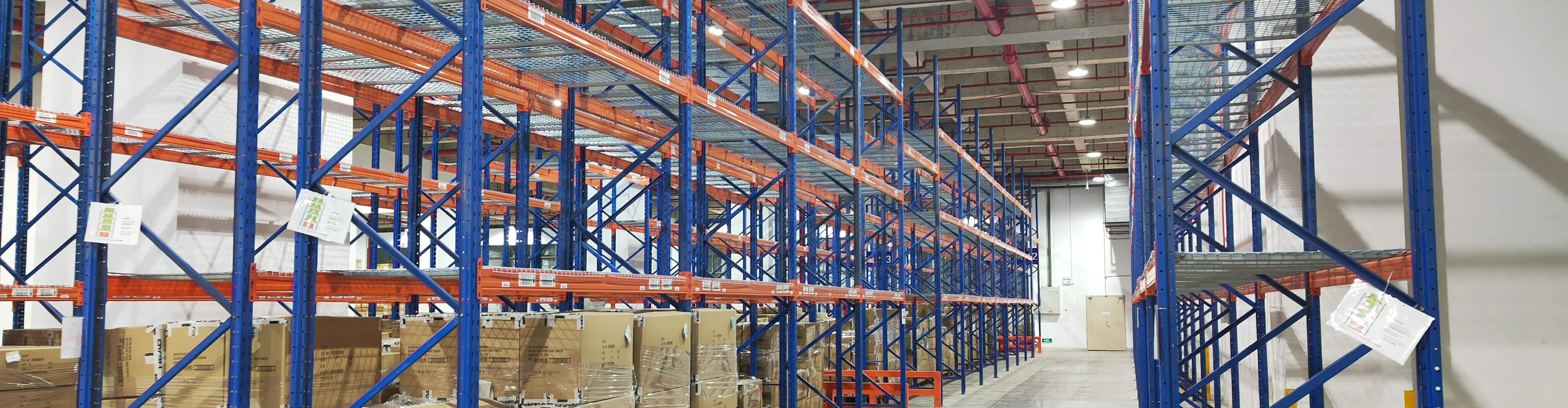
Heavy duty metal shelving is a practical storage solution for industrial facilities that need stronger load capacity, better organization, and more efficient use of floor and vertical space than light-duty shelving can provide. When specified correctly, it helps warehouse operators store cartons, parts, tools, components, archive materials, and hand-loaded inventory in a way that supports picking speed, safety, and future growth.
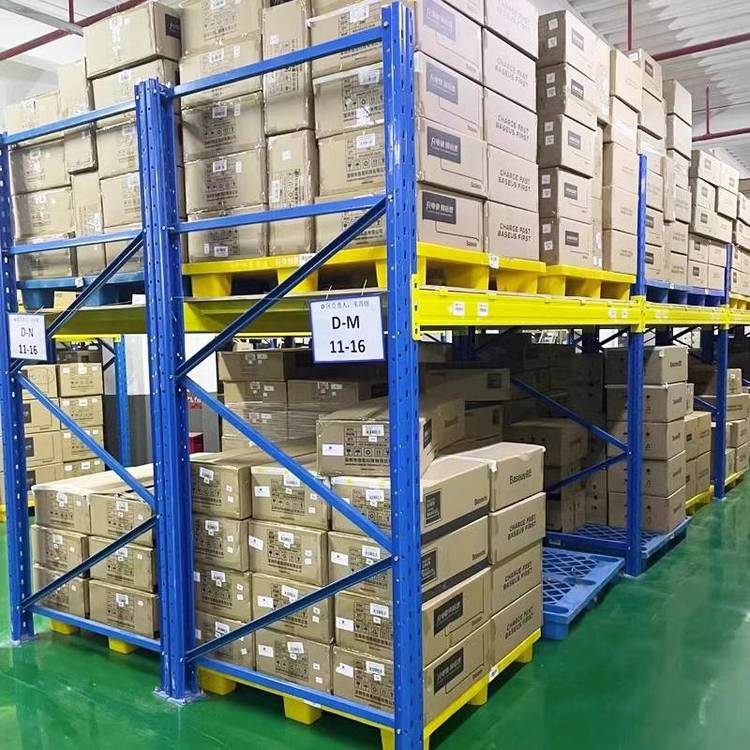
For most industrial buyers, the real question is not whether heavy duty shelving is useful. It is which configuration fits the operation, how much customization is actually needed, and where shelving works better than pallet racking or other storage systems. The right answer depends on SKU profile, access method, aisle layout, load weight, shelf adjustability, and the day-to-day workflow around replenishment and picking.
What custom heavy duty metal shelving means in an industrial setting
In industrial facilities, custom heavy duty metal shelving usually refers to shelving systems configured around the actual storage task rather than supplied as a one-size-fits-all unit. Customization may involve shelf dimensions, bay width, depth, shelf spacing, number of levels, reinforcement, accessories, layout planning, and integration with picking areas or mezzanine structures.
This matters because industrial storage requirements vary widely. A maintenance storeroom holding dense spare parts has different needs from an e-commerce pick zone, a manufacturing line-side area, or a warehouse storing bulky cartons. Standard shelving may physically fit the room, but still create wasted cube, poor access, or overloaded shelves if the design is not matched to the inventory.
Common applications
- Hand-loaded carton storage
- Small and medium SKU picking locations
- MRO and spare parts rooms
- Tool and component storage in production facilities
- Archive and records storage
- Bulk shelving for non-palletized inventory
- Multi-tier shelving systems for high-SKU operations
When heavy duty metal shelving is the right choice
Heavy duty metal shelving works well when operators need direct access to many SKUs without relying on pallet handling for every movement. It is especially useful for hand-picking environments where inventory turnover, order accuracy, and location visibility matter more than maximum pallet density.
It is often a good fit in these situations:
- The inventory consists of cartons, totes, loose parts, or irregular non-palletized items.
- Staff need frequent manual access to individual SKUs.
- The operation requires adjustable shelf levels as product dimensions change.
- Pick faces need to be closer to packing, assembly, or maintenance activity.
- The facility wants to use vertical space without committing every area to pallet racking.
It may be less suitable when most stock is stored and moved as full pallets, when forklifts need to access every stored load directly, or when very high-density pallet storage is the main objective. In those cases, pallet racking or a mixed layout of racking and shelving is often more efficient.
Key customization options that affect performance
Not every custom shelving project needs complex engineering, but several design choices have a direct effect on safety, usability, and long-term value. Buyers should focus on the operating requirement first and the shelf format second.
Shelf dimensions and bay size
Bay width and shelf depth should be based on the actual inventory profile, not rough estimates. If shelves are too deep, cartons get buried and picking becomes slower. If they are too shallow, storage capacity drops and replenishment frequency increases. Width also matters because long unsupported spans can affect deflection and practical loading limits.
Load capacity by shelf and bay
One of the main reasons facilities choose heavy duty metal shelving is load strength. But capacity should be considered at both shelf level and total bay level. Dense parts, metal components, liquids, and hardware can create much higher point loads than visually similar consumer goods. Procurement teams should make sure the expected working load is understood before selecting a configuration.
Adjustable shelf spacing
Adjustability is valuable in facilities where SKU dimensions change over time. A fixed layout may look efficient at installation, but become restrictive when packaging changes or the product mix expands. Adjustable shelves make it easier to re-slot storage locations, improve cube utilization, and support seasonal inventory changes.
Open versus closed shelving design
Open shelving improves visibility and access. Closed side or back panels can improve containment, appearance, or item retention in some applications. The better option depends on whether the priority is fast manual access, cleaner presentation, or preventing stored items from shifting into adjacent areas.
Accessories and operational add-ons
Custom heavy duty metal shelving can often be adapted with dividers, bin fronts, labels, drawers, decking options, mesh accessories, and protective features. These additions are not just cosmetic. In high-SKU operations, simple accessories can reduce picking errors and improve location control.
Planning the layout for real warehouse conditions
A shelving system that looks good on a drawing can still create operational friction if the layout ignores movement patterns inside the facility. Good planning should account for how people, carts, ladders, and forklifts actually move through the space.
Aisle width and access method
If shelving is used for hand-picking, aisle width should support safe pedestrian traffic, picking carts, and replenishment activity without congestion. If operators use order pickers or platform ladders, turning space and working clearance become more important. Narrow aisles can increase storage density, but only if they do not slow down travel or create safety concerns.
Ceiling height and vertical use
Facilities often underuse height in shelving areas. Taller heavy duty metal shelving can improve storage capacity, but only when upper levels remain accessible and safe to replenish. If the top shelves are difficult to reach, the result may be poor stock rotation, climbing risks, or underused capacity. Height decisions should match the actual picking method and replenishment process.
Floor condition and anchoring considerations
Industrial floors are not always as flat or uniform as expected, especially in older facilities. Uneven floors can affect shelving stability and installation quality. Buyers should review floor condition early, particularly for taller runs, high-load shelving, or long continuous rows. Where anchoring is required, the condition of the slab and local installation requirements should be checked in advance.
Workflow and zone placement
Shelving should be placed according to use frequency, not just available space. Fast-moving SKUs are usually better located near packing stations, assembly cells, or dispatch preparation zones. Slow-moving inventory can be placed in less central areas. A custom layout should reduce unnecessary walking rather than simply maximizing the number of shelves in the room.
Heavy duty metal shelving compared with other storage systems
Industrial facilities rarely rely on one storage type for everything. The decision to use heavy duty metal shelving should be made in context with other available systems.
Compared with pallet racking
Pallet racking is better for forklift-handled pallet loads and high-volume reserve stock. Shelving is better for hand-loaded inventory and direct access to smaller units. If the operation stores both pallet stock and piece-pick inventory, a combined solution often works better than forcing one system to do both jobs.
Compared with light-duty shelving
Light-duty shelving may cost less initially, but it is not designed for the same loading demands or industrial wear conditions. In facilities with dense items, frequent handling, and ongoing reconfiguration, under-specified shelving can lead to damage, instability, and premature replacement.
Compared with multi-tier systems
Multi-tier shelving can significantly increase storage capacity for high-SKU operations by using building height more effectively. However, it involves more planning, stair access, picking flow design, and fire safety review. For some facilities, standard shelving at ground level is enough. For others, the available height makes a multi-level approach commercially worthwhile.
Selection factors buyers should review before ordering
Choosing custom heavy duty metal shelving is easier when the evaluation is based on operating facts rather than assumptions. A practical review should include the following points:
- Inventory profile: item dimensions, weights, SKU count, and packaging types
- Handling method: hand-picking, trolley picking, replenishment carts, or occasional equipment access
- Throughput: how often items are picked and replenished
- Location function: reserve storage, active picking, line-side supply, or maintenance support
- Available space: floor area, clear height, column positions, doors, and building constraints
- Future expansion: whether additional bays or levels may be needed later
- Safety priorities: load labeling, aisle discipline, impact exposure, and inspection access
One common mistake is buying shelving based only on the current item list. In many industrial environments, product mix changes, spare parts stock grows, or order profiles shift. A slightly more flexible layout can be more valuable than a tightly optimized design that only suits today’s inventory.
Operational and safety considerations
Heavy duty metal shelving is straightforward to use, but it still needs basic control measures. Damage, overloading, and poor housekeeping can reduce service life and create avoidable risk.
Load control
Shelves should be used within their intended load limits, and staff should understand that dense items can overload a shelf even when the space is not visually full. This is especially relevant in maintenance stores, hardware storage, and industrial parts rooms.
Impact protection
In mixed-use areas where pallet trucks or forklifts operate nearby, lower levels and end frames may be exposed to accidental contact. If the shelving is placed close to traffic routes, protective barriers or better aisle separation may be sensible.
Routine inspection
Facilities should carry out regular visual checks for bent members, loose components, shelf deflection, corrosion, missing fixings, and signs of misuse. Inspections do not need to be complicated to be effective. A simple routine can identify early issues before they become operational problems.
Housekeeping and labeling
Clear location labels, tidy shelf presentation, and controlled replenishment improve both productivity and safety. Poorly labeled shelving leads to picking errors. Overfilled shelves and items protruding into aisles increase snagging and trip risks.
Common mistakes in heavy duty shelving projects
Many shelving problems come from planning shortcuts rather than product failure. These are common issues to avoid:
- Choosing shelf depths that do not match carton or tote sizes
- Ignoring future SKU growth and leaving no reconfiguration flexibility
- Using shelving where pallet racking would be more appropriate
- Overestimating how usable very high shelf levels will be
- Placing shelving in congested zones without enough aisle clearance
- Failing to consider floor condition, installation tolerances, or anchoring needs
- Not separating fast-moving pick stock from slow-moving reserve inventory
A practical storage design usually comes from combining capacity planning with workflow planning. More shelves do not automatically create a better operation if they make replenishment slower or picking less accurate.
How to approach a custom shelving project step by step
1. Review the inventory
Group items by size, weight, pick frequency, and handling method. This gives a clearer basis for shelf spacing and bay layout.
2. Define the function of the area
Decide whether the shelving is for active picking, reserve stock, maintenance parts, or line-side use. Different functions need different layouts.
3. Measure the space properly
Record clear dimensions, obstructions, doors, columns, ceiling height, and traffic routes. Small building details often affect layout more than expected.
4. Match the system to the workflow
Plan aisle widths, access points, replenishment routes, and operator movement before finalizing the shelf arrangement.
5. Check load and safety requirements
Confirm expected shelf loads, bay loads, and any site-specific safety or installation needs.
6. Allow for change
Leave room for extra bays, revised shelf spacing, or future operational changes where possible.
FAQ
Is heavy duty metal shelving suitable for pallet storage?
Usually no, unless the system is specifically designed for that purpose. Standard shelving is generally intended for hand-loaded or non-palletized items, while pallet racking is designed for forklift-handled pallet loads.
How do I know what shelf capacity I need?
Start with the actual weight of the stored items, including the heaviest likely loading condition. Dense parts and hardware often require higher capacity than buyers first expect.
Can heavy duty metal shelving be expanded later?
Many systems can be extended with additional bays or adjusted shelf levels, but expansion is easier when it is considered during the original layout and procurement stage.
What industries commonly use heavy duty metal shelving?
It is widely used in warehousing, manufacturing, maintenance stores, automotive parts operations, spare parts rooms, archives, and distribution facilities with hand-picking requirements.
Conclusion
Custom heavy duty metal shelving is most effective when it is selected around the inventory, access method, and workflow of the facility rather than chosen as a generic storage product. For industrial operations, the key decisions are load capacity, shelf adjustability, layout efficiency, accessibility, and how the shelving will perform as the operation changes over time.
If the goal is to improve picking, organize non-palletized stock, or make better use of available space, heavy duty metal shelving can be a strong solution. The best results usually come from careful planning, realistic load assessment, and a layout that supports daily warehouse activity instead of working against it.