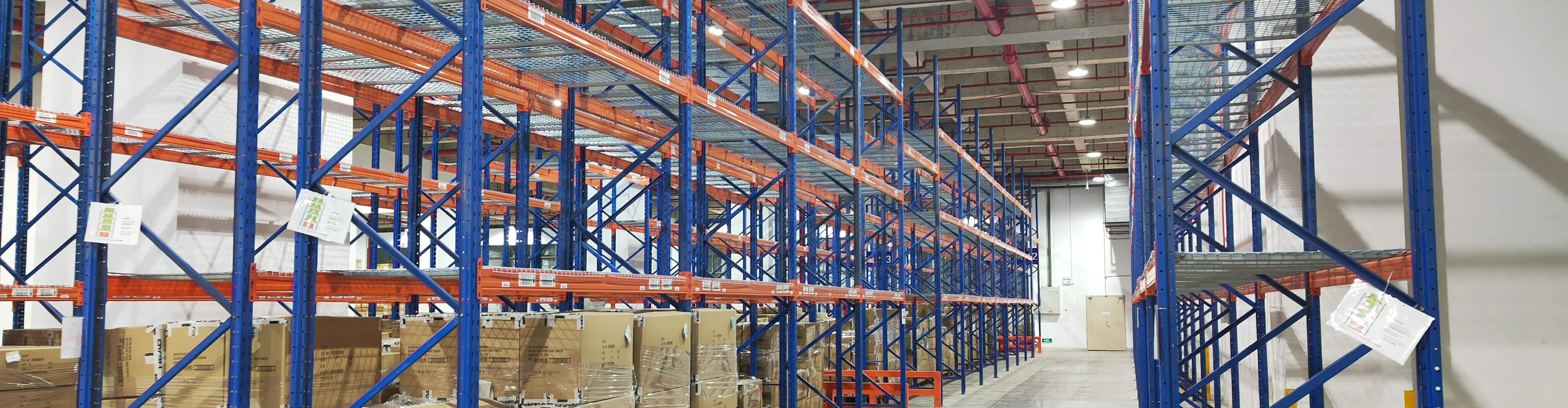
The best heavy duty warehouse shelving for industrial storage depends on what you need to store, how staff access it, how much weight each level must carry, and how the shelving fits into your wider warehouse workflow. For small to medium items, carton storage, parts picking, and mixed SKU inventory, heavy duty warehouse shelving is often the right choice when you need stronger load capacity and better organization than light-duty shelving, but do not need full pallet racking for every location.
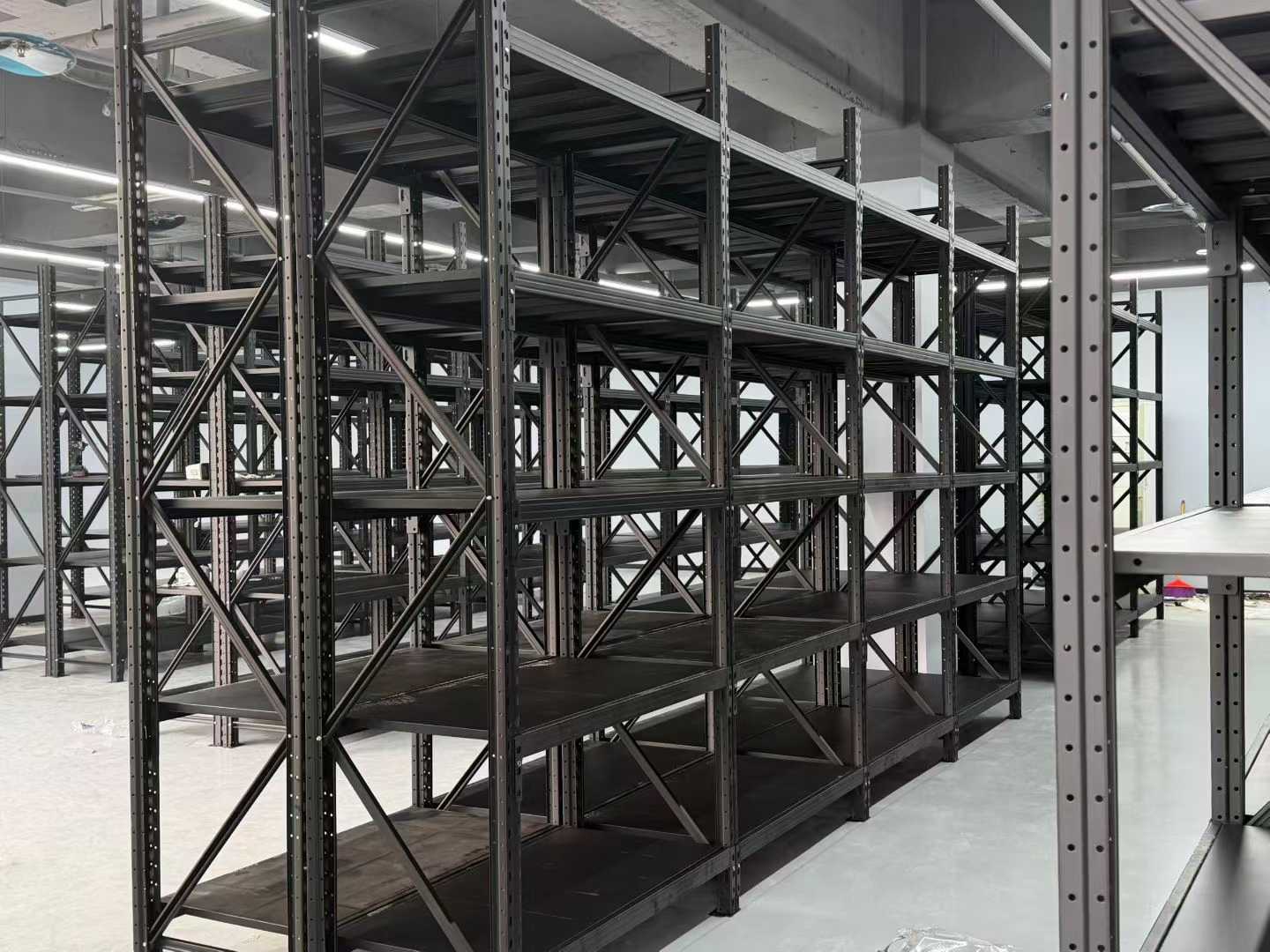
In practice, there is no single shelving system that suits every warehouse. The right solution is the one that matches your load profile, picking method, aisle space, ceiling height, floor condition, and future expansion plans without creating safety or operational problems later. This guide explains how to evaluate heavy duty warehouse shelving and how to choose a system that works in real industrial conditions.
What heavy duty warehouse shelving is designed for
Heavy duty warehouse shelving is a storage system built for industrial environments where standard commercial shelving is not strong enough. It is typically used for hand-loaded inventory, bins, cartons, tools, spare parts, components, archives, maintenance supplies, and other non-palletized goods that still require substantial load support.
Unlike pallet racking, heavy duty warehouse shelving is usually intended for direct access by staff rather than forklift pallet storage. That makes it useful in warehouses with a wide SKU range, frequent order picking, and the need to store many different product lines in a compact but accessible layout.
It is commonly selected for:
- Parts storage and maintenance stores
- E-commerce and piece-picking operations
- Back-up storage for slower-moving SKUs
- Bulk carton storage
- Tool rooms and industrial supply areas
- Multi-level shelving supported by mezzanine structures
What makes one heavy duty warehouse shelving system better than another
When buyers ask for the best heavy duty warehouse shelving, they are usually comparing strength, access, flexibility, and long-term usability. A system that looks strong on paper may still be a poor fit if shelf levels are hard to adjust, if access is awkward, or if the layout reduces picking efficiency.
A good system should balance several factors:
- Load capacity that matches actual stored goods
- Shelf adjustability for changing SKU sizes
- Clear access for picking and replenishment
- Compatibility with warehouse layout and aisle widths
- Durability under daily use
- Ease of inspection and maintenance
- Ability to expand or reconfigure later
In most industrial settings, the best heavy duty warehouse shelving is not simply the strongest option. It is the option that supports safe operations, efficient picking, and practical space use over time.
Key types of heavy duty warehouse shelving
Longspan shelving
Longspan shelving is one of the most common forms of heavy duty warehouse shelving. It is widely used for hand-loaded storage of cartons, bins, and medium to heavy items. It offers wider bays than standard shelving and is usually easier to configure for mixed inventory.
Longspan shelving is often a strong choice when you need:
- Manual picking access
- Adjustable shelf heights
- Storage for mixed carton sizes
- Simple installation and future reconfiguration
It may be less suitable where loads are extremely heavy, where pallet handling is dominant, or where the warehouse needs very high-density storage with minimal aisle space.
Steel panel shelving
Steel shelving with metal shelves is often chosen for clean, organized storage of components, tools, and smaller industrial items. It can work well where shelf hygiene, durability, and visibility matter.
This type of heavy duty warehouse shelving can be practical for maintenance departments, spare parts rooms, and smaller-parts storage areas. However, shelf design and load distribution need to match the actual item weight. Concentrated point loads can create problems even when overall shelf capacity appears sufficient.
Multi-tier shelving systems
Multi-tier shelving is used when floor space is limited but ceiling height is available. It combines heavy duty warehouse shelving with elevated access levels so operators can store and pick stock vertically.
This approach can improve storage capacity significantly for high-SKU operations, especially where goods are picked by hand. It is often considered in spare parts warehousing, e-commerce fulfillment, and archives.
Its limitations are also important. Multi-tier layouts require careful planning for walkways, stair access, lighting, fire safety coordination, and replenishment methods. It is not automatically the right answer just because the building is tall.
Mobile shelving systems
In some environments, mobile bases can be used to reduce aisle requirements and increase storage density. This can be useful where access frequency is lower and floor space is expensive.
But mobile heavy duty warehouse shelving is usually a more specialized option. It can slow simultaneous access, add mechanical complexity, and require stricter housekeeping and maintenance. For fast-moving warehouse operations with many pickers, fixed shelving is often easier to manage.
How to choose the best heavy duty warehouse shelving for your warehouse
1. Start with the load, not the shelf appearance
The first question is what each shelf level will actually hold. That includes total weight, item dimensions, load distribution, and whether products are loose, boxed, or stored in bins. Buyers sometimes focus on bay size or price before confirming the real shelf loading pattern.
That is a mistake. Heavy duty warehouse shelving must be selected around actual use conditions. A shelf carrying evenly distributed cartons behaves differently from one holding dense metal components or tools concentrated in one area.
2. Match shelving to the picking method
If staff pick by hand, shelf height and accessibility matter as much as load capacity. Frequently picked SKUs should be placed in ergonomic zones to reduce bending, reaching, and travel time. If replenishment is done manually, upper levels may be acceptable. If replenishment requires lifting equipment, aisle and access planning become more important.
For order picking operations, the best heavy duty warehouse shelving is usually the one that supports fast, clear, repeatable access rather than the one with the highest possible load rating.
3. Consider SKU mix and slotting flexibility
Warehouses with many SKU sizes need shelving that can be adjusted without major disruption. Fixed shelf spacing may look efficient at installation but can become restrictive as inventory changes.
If your product range changes often, look for heavy duty warehouse shelving that allows practical shelf reconfiguration, bay additions, and accessories such as dividers, bin fronts, mesh decks, or panel options where needed.
4. Review aisle width and traffic flow
Shelving selection should never be isolated from warehouse movement. A layout that maximizes storage but creates congestion can reduce overall productivity. Check how operators, carts, pallet trucks, or forklifts move through the area.
Important planning points include:
- Main aisle width for replenishment traffic
- Secondary aisle width for pickers
- Turning space near aisle ends
- Visibility at intersections
- Separation between shelving zones and forklift routes
If forklifts operate nearby, upright protection and impact risk become major considerations.
5. Use building height carefully
Tall shelving can improve cube utilization, but only if stock remains accessible and safe to manage. If upper levels are difficult to replenish or inspect, the extra height may add complexity without real operational benefit.
In many warehouses, the most effective heavy duty warehouse shelving layout uses vertical space selectively rather than pushing every bay to maximum height.
6. Check the floor condition and anchoring requirements
Industrial shelving performance depends partly on the floor beneath it. Uneven slabs, poor load-bearing areas, or damaged surfaces can affect installation quality and long-term stability. Floor condition also matters if heavy stock is concentrated in a small footprint.
Before finalizing heavy duty warehouse shelving, review floor levelness, anchoring suitability, and any local structural limitations that may affect safe installation.
7. Plan for future growth
Many shelving systems work well at installation but become inefficient when SKU count increases or workflows change. Expansion planning matters if you expect more product lines, more pick faces, or a shift from bulk storage to faster order fulfillment.
Ask practical questions early:
- Can additional bays be added later?
- Will shelf levels remain adjustable after expansion?
- Can the layout support a future mezzanine or multi-tier conversion?
- Will the system still work if inventory profile changes?
When heavy duty warehouse shelving is the right choice
Heavy duty warehouse shelving is usually a strong fit when the warehouse stores many non-palletized items and requires direct access to each SKU. It works well where operators pick cartons, parts, or components manually and where stock variety is more important than high-density pallet storage.
It is often the right choice for:
- Medium to heavy hand-loaded inventory
- Mixed SKU environments
- Spare parts and maintenance stores
- Back-of-house industrial inventory rooms
- Order picking zones
- Overflow storage that does not justify pallet racking
In these settings, heavy duty warehouse shelving can improve organization, stock visibility, and picking efficiency.
When heavy duty warehouse shelving may not be the best option
Heavy duty warehouse shelving is not ideal for every industrial storage problem. If most inventory is stored on pallets and moved by forklift, pallet racking is usually more appropriate. If storage density is the main objective and direct access is less important, other systems may use space more efficiently.
It may be a poor fit when:
- Loads are too heavy for practical hand loading
- Most stock is palletized
- Forklift access to every level is required
- Very high-density storage is the main goal
- Inventory turns are low and access frequency is minimal
Choosing heavy duty warehouse shelving for the wrong application can lead to wasted space, awkward handling, and unnecessary labor.
Common mistakes when selecting heavy duty warehouse shelving
Underestimating real shelf loads
Buyers sometimes estimate average weight instead of maximum likely weight. In industrial environments, shelves should be selected around realistic peak loading, not ideal conditions.
Ignoring replenishment method
A shelving layout may look efficient until staff try to restock it. Replenishment access, lifting aids, and travel paths should be considered from the start.
Using one shelf configuration for every SKU
Uniform shelf spacing rarely suits mixed inventory. Better slotting usually improves both capacity and picking speed.
Overbuilding for strength but underplanning for workflow
Some operations buy very robust heavy duty warehouse shelving but lose efficiency because the layout makes picking slow or creates aisle conflicts.
Neglecting protection and inspection access
If shelving sits near forklift routes, damage risk increases. Protective barriers, clear markings, and regular inspections matter just as much as the shelving specification itself.
Inspection, maintenance, and safety priorities
Even well-chosen heavy duty warehouse shelving needs routine checks. Industrial shelving is often damaged gradually through impact, overloading, poor load placement, or unauthorized changes to shelf levels.
Basic good practice includes:
- Checking uprights, beams, and shelf supports for visible damage
- Looking for loose anchors or movement at base level
- Confirming loads are stored within intended limits
- Removing damaged components from service until properly assessed
- Keeping aisles clear and access unobstructed
- Reviewing any signs of corrosion, distortion, or instability
Warehouses that treat heavy duty warehouse shelving as permanent furniture often miss early warning signs. Regular visual checks and disciplined loading practices help extend service life and reduce operational risk.
A practical decision framework
If you are comparing options, use this simple framework:
- Choose heavy duty warehouse shelving when you need strong, accessible storage for hand-loaded goods and mixed SKUs.
- Choose longspan shelving when carton storage, parts access, and shelf flexibility are priorities.
- Choose multi-tier shelving when floor space is limited and the operation can benefit from vertical manual picking.
- Choose pallet racking instead when most stock is palletized and forklift handling drives the operation.
- Choose denser storage systems carefully when space pressure is high but access speed is less critical.
The best heavy duty warehouse shelving is the system that fits your inventory profile, handling method, and warehouse layout without creating avoidable safety or efficiency problems.
FAQ
What is the difference between heavy duty warehouse shelving and pallet racking?
Heavy duty warehouse shelving is generally used for hand-loaded goods such as cartons, bins, and parts. Pallet racking is designed primarily for palletized loads handled by forklifts.
Is heavy duty warehouse shelving suitable for all warehouses?
No. It is most suitable for non-palletized inventory, mixed SKUs, and direct picking access. Warehouses focused mainly on pallet storage usually need racking systems instead.
How do I know what load capacity I need?
You need to assess the actual weight stored on each shelf level, how that weight is distributed, and the maximum loading condition rather than the average day-to-day load.
Can heavy duty warehouse shelving be expanded later?
Many systems can be extended or reconfigured, but expansion depends on the original design, available space, and whether compatible components remain available.
Conclusion
For industrial storage, the best heavy duty warehouse shelving is usually the one that matches the goods, the picking method, and the warehouse layout rather than the one with the most aggressive specification. Longspan shelving is often the most practical choice for mixed hand-loaded inventory, while multi-tier systems can make sense where SKU count is high and vertical space is available.
Before choosing heavy duty warehouse shelving, review load requirements, access needs, aisle design, floor condition, and future expansion plans. A well-matched system supports safer operations, better stock control, and more efficient use of warehouse space over the long term.