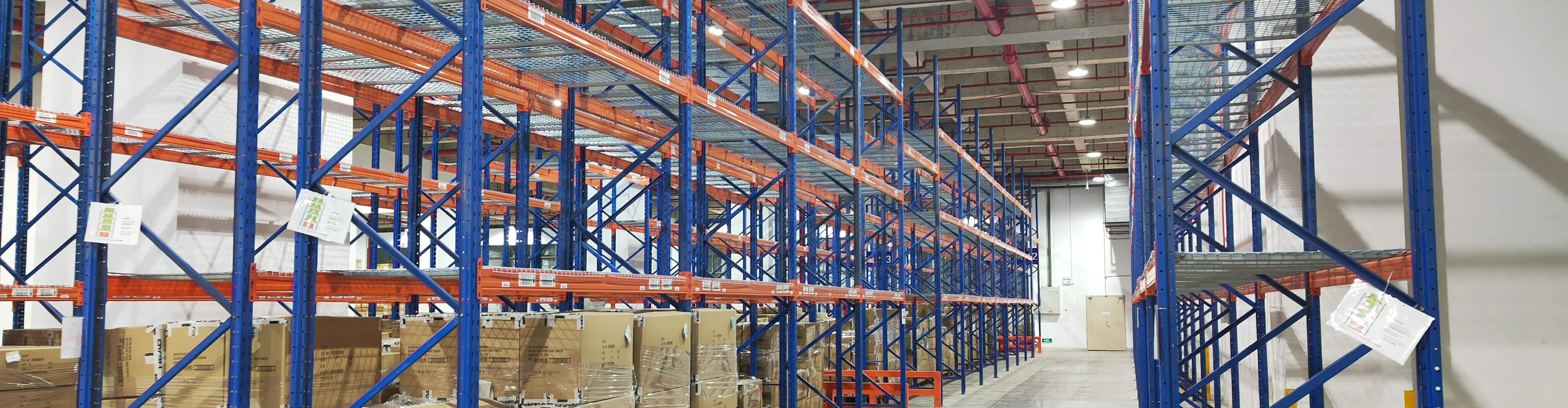
Choosing heavy duty warehouse shelving starts with one practical question: what exactly needs to be stored, handled, and accessed every day? The right system is not just about higher load capacity. It must match your SKU profile, picking method, aisle layout, building height, floor condition, and plans for future growth. A shelving system that looks robust on paper can still create operational bottlenecks if it does not fit the way your warehouse actually works.
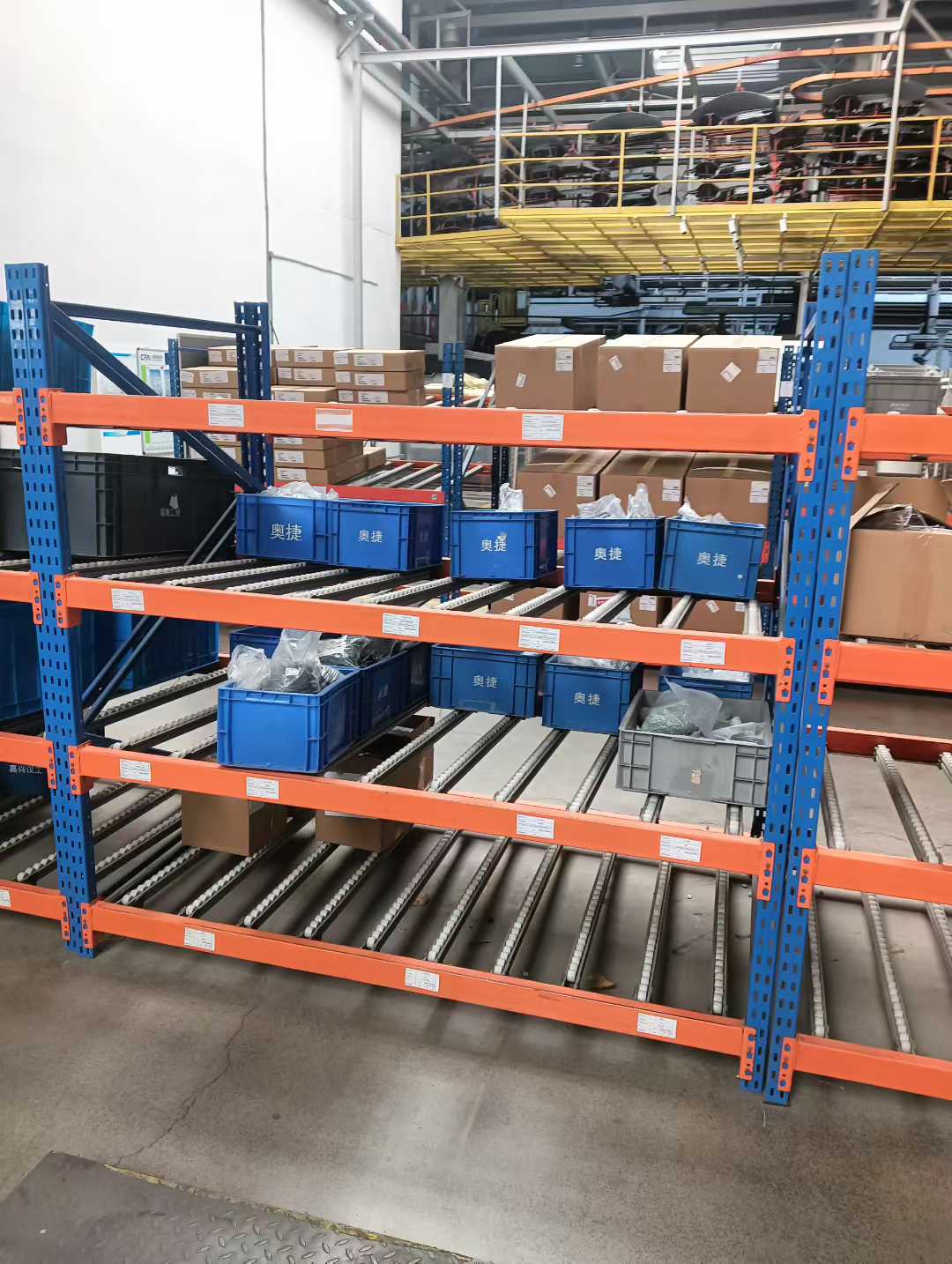
For high-capacity storage, buyers usually need to balance five factors at the same time: load requirements, accessibility, space efficiency, safety, and scalability. This guide explains how to evaluate heavy duty warehouse shelving in a way that supports daily operations rather than creating hidden costs later.
What Heavy Duty Warehouse Shelving Means in Practice
Heavy duty warehouse shelving generally refers to shelving systems designed for larger loads, more demanding warehouse use, and higher storage volumes than standard commercial shelving. In practical terms, these systems are used when inventory is too heavy, too bulky, or too operationally important for light-duty shelves.
They are often used for:
- Cartons and bins with high cumulative bay loads
- Industrial parts and components
- Tooling, spare parts, and maintenance inventory
- Archive or bulk item storage in back-of-house warehouse areas
- Mixed storage environments where hand-loaded goods share space with palletized replenishment
The key point is that heavy duty warehouse shelving is not one single product category. It includes different configurations, shelf materials, bay widths, upright profiles, and access methods. That is why selection should begin with operational use, not only with a load figure.
Start with the Storage Profile, Not the Shelf Specification
Before comparing systems, define what the shelving must do. This avoids buying a stronger system than necessary in some areas and an unsuitable one in others.
1. Identify the unit load
List what will sit on each shelf level. Are you storing loose cartons, plastic totes, metal parts, long items, or irregular products? The type of load affects shelf surface choice, beam spacing, and bay dimensions.
2. Check the weight per shelf and per bay
Do not estimate casually. The total bay load matters just as much as the load on each level. A system may appear suitable level by level but become overstressed when fully loaded across the entire bay.
3. Review SKU mix and access frequency
If your warehouse carries many SKUs with frequent manual picking, direct access is usually more important than maximum density. If the stock is lower-SKU and replenished in bulk, a denser arrangement may be acceptable.
4. Understand handling method
Will goods be picked by hand, trolley, order picker, or forklift-assisted replenishment? Heavy duty warehouse shelving for hand-loading has different planning priorities from systems used in areas with regular mechanical handling nearby.
Key Decision Factors When Choosing Heavy Duty Warehouse Shelving
Load capacity and structural suitability
The first filter is obvious: the shelving must safely support the intended loads. But buyers should look beyond a headline capacity number. Ask how capacity changes with shelf length, level spacing, bay height, and loading pattern. Unevenly distributed stock, point loads, and overhanging items can all affect real-world performance.
For warehouses with variable stock, it is usually wise to allow a sensible operating margin rather than planning around maximum theoretical loads. That margin helps when inventory changes over time, especially in facilities where product lines expand or packaging formats change.
Warehouse height and vertical use
High-capacity storage often pushes upward as well as outward. If floor space is limited, taller heavy duty warehouse shelving may improve storage volume, but only if access remains practical and safe. A very tall shelving run can become inefficient if staff need ladders or lifting equipment for routine picks.
Consider:
- Clear building height
- Sprinkler and lighting interference
- Safe picking height
- Replenishment method
- Visibility of labels and stock locations
Using height efficiently is not the same as simply choosing the tallest frame available. The system should match how often upper levels are accessed and how replenishment is controlled.
Aisle width and access equipment
A shelving plan that maximizes storage count on a drawing can fail once forklifts, pallet jacks, carts, and people start moving through the area. Aisle width should be based on actual handling equipment and traffic flow, not guesswork.
If shelving sits near pallet racking or replenishment zones, leave enough room for turning, staging, and safe passing. Congested aisles slow picking, increase damage risk, and make stock control harder. For high-capacity storage, throughput matters almost as much as storage volume.
Shelf adjustability and changing inventory
Many warehouses do not store the same item profile forever. Adjustable shelf levels help when carton heights, tote sizes, or product mix change. This matters especially for spare parts, e-commerce support inventory, aftermarket goods, and mixed industrial stock.
If your operation changes frequently, choose heavy duty warehouse shelving that can be reconfigured without major disruption. A rigid layout may work for stable inventory, but it can become inefficient if the business adds new SKUs or shifts picking methods.
Floor condition and anchoring requirements
The floor is often overlooked during early planning. Yet floor flatness, slab condition, and load-bearing capability all affect installation quality and long-term stability. Uneven floors can complicate alignment. Damaged slabs or poor anchoring conditions may require corrective work before installation.
This is particularly relevant for taller or heavily loaded shelving runs. If the floor condition is poor, the issue should be addressed early rather than after the system is in use.
Choosing the Right Configuration for High-Capacity Storage
Not all heavy duty warehouse shelving is arranged the same way. The right configuration depends on whether you prioritize access speed, storage density, small-part organization, or replenishment efficiency.
Open shelving for fast manual access
Open shelf layouts work well when operators need clear visibility and frequent hand picking. They are common in parts storage, maintenance stores, and mixed carton inventory. The main advantage is accessibility. The trade-off is lower storage density compared with systems designed for compact storage.
Longspan shelving for bulky hand-loaded goods
Longspan-style shelving is often chosen for heavier cartons, larger components, and wider shelf spans. It is practical when inventory is too bulky for standard shelving but does not require full pallet racking. This can be a useful middle ground in warehouses that handle both reserve stock and manual picking.
However, longspan layouts should still be reviewed carefully for bay deflection, shelf support, and operator reach. Wider spans are helpful, but they should not encourage poor loading habits or mixed unsafe stacking.
Shelving integrated with multi-tier layouts
For facilities with limited floor area and strong vertical potential, heavy duty warehouse shelving can sometimes be integrated into multi-tier picking structures or mezzanine-supported layouts. This approach can increase usable storage and picking faces significantly, but it also raises planning complexity.
It may be less suitable if stock turns are highly uneven, if lift access is constrained, or if the operation lacks disciplined replenishment processes. Multi-level storage can add capacity, but poor layout design can also add labor time.
When Heavy Duty Warehouse Shelving Is a Good Fit
Heavy duty warehouse shelving is usually a strong option when:
- You need direct access to many SKUs
- Inventory is hand-loaded or picked in cartons, bins, or loose units
- Items are too heavy or too bulky for light-duty shelving
- You want more organized storage than floor stacking
- You need a system that can support both reserve stock and picking faces
- Your operation requires clear stock visibility and easy location labeling
It is especially useful in warehouses where pallet racking alone is not enough. Many operations need pallet storage for reserve inventory and shelving for broken-case picking, spare parts, maintenance stock, or non-palletized goods.
When It May Be the Wrong Choice
Heavy duty warehouse shelving is not automatically the right answer for every high-capacity requirement.
It may be less suitable when:
- Most inventory is stored and moved as full pallets
- You need very high-density storage with limited SKU variety
- Forklift handling is the dominant access method
- Product dimensions are highly irregular and difficult to shelf-store efficiently
- The labor cost of manual picking from shelving would be too high
In those cases, pallet racking, cantilever systems, or a combination layout may be more efficient. The point is not to force all stock into shelving. Good warehouse design usually mixes systems based on inventory behavior.
Practical Mistakes Buyers Often Make
Buying only on stated capacity
A high load rating does not guarantee operational fit. Accessibility, replenishment, aisle flow, and shelf adjustability matter just as much.
Ignoring future SKU growth
A layout that works for current stock may become crowded quickly if the business adds product lines. Leave room for expansion where possible.
Using shelving where pallet racking is more appropriate
If stock is mainly palletized, forcing it into shelving usually reduces efficiency and may create unsafe loading practices.
Overlooking protection and damage risk
Even when shelving is hand-loaded, nearby forklift traffic can damage frames and end sections. Protection barriers and clear traffic separation should be reviewed during planning.
Not planning for inspection and housekeeping
High-capacity storage needs regular checks for damage, loose components, overloaded levels, and poor stock placement. Shelving that is difficult to inspect or clean can create avoidable safety issues.
Questions to Ask Before You Buy
- What is the maximum load per shelf and per bay in real operating conditions?
- Will the shelving be used mainly for picking, reserve storage, or both?
- How many SKUs need direct access?
- How will goods be replenished to upper levels?
- Does the aisle plan work with current handling equipment?
- Is the floor suitable for the proposed layout and anchors?
- Can the system be expanded or reconfigured later?
- What protection, labeling, and inspection measures will be needed?
These questions help separate a workable specification from a merely attractive quotation.
Maintenance and Safety Considerations After Installation
Once heavy duty warehouse shelving is installed, performance depends on how it is used and maintained. A sound buying decision can still be undermined by poor loading discipline or weak inspection routines.
Key priorities include:
- Checking for bent uprights, damaged shelf supports, and loose fixings
- Making sure shelf loads are not exceeded
- Keeping heavier items on suitable levels based on system design and picking safety
- Maintaining clear aisles and avoiding stock overhang
- Reviewing areas exposed to impact from forklifts or carts
- Updating load notices and location labels when layouts change
If the inventory profile changes significantly, reassess whether the original shelving design still matches the actual use. Warehouses often drift into new loading patterns over time, and that can create hidden risks.
A Simple Selection Framework
If you are comparing options, use this sequence:
Define the stock profile: weight, dimensions, SKU count, and pick frequency.
Map the workflow: receiving, replenishment, picking, packing, and dispatch.
Measure the space: clear height, aisle allowances, obstructions, and floor condition.
Choose the access model: hand picking, trolley access, or mixed replenishment.
Check load suitability at shelf, bay, and overall layout level.
Review future flexibility: can the shelving adapt as inventory changes?
Plan protection and inspections from the start, not after damage appears.
This approach keeps the decision grounded in warehouse reality rather than isolated product features.
FAQ
How is heavy duty warehouse shelving different from pallet racking?
Heavy duty warehouse shelving is usually intended for hand-loaded or manually picked goods such as cartons, bins, and parts. Pallet racking is designed primarily for palletized loads handled by forklifts. Some warehouses need both systems for different inventory types.
Can heavy duty warehouse shelving be used for mixed inventory?
Yes, if the shelf levels, bay widths, and load capacities are planned correctly. Mixed inventory is common, but the system should still be organized so that heavy, awkward, or fast-moving items do not create handling problems.
Is taller shelving always better for high-capacity storage?
No. Taller shelving only adds value if upper levels can be accessed safely and efficiently. If frequent picks are required at height, labor time and replenishment complexity can outweigh the space savings.
What is the biggest planning mistake with heavy duty warehouse shelving?
One common mistake is choosing based only on load rating without checking workflow, aisle width, SKU access, and future changes in inventory. A structurally adequate system can still be operationally inefficient.
Conclusion
The right heavy duty warehouse shelving should support both storage capacity and daily workflow. That means evaluating load requirements, access patterns, building constraints, floor condition, and future expansion together rather than in isolation. For high-capacity storage, the most effective solution is usually the one that balances strength, accessibility, safety, and operational flexibility. If a shelving system cannot support the way your warehouse actually receives, stores, replenishes, and picks goods, it is not the right system no matter how strong it appears on a specification sheet.