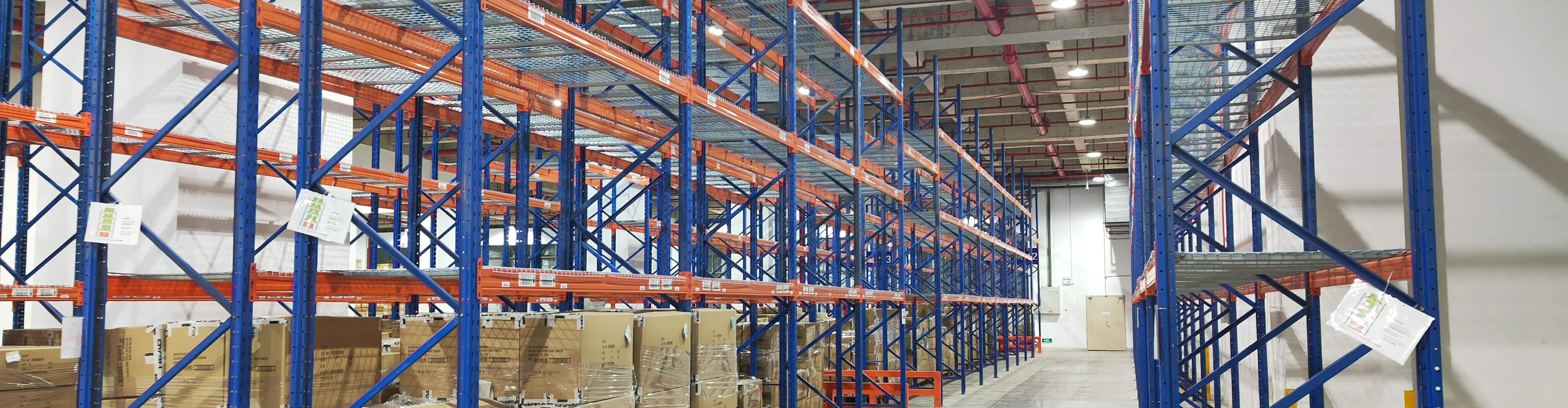
Finding durable heavy duty metal shelving for long-term use starts with a simple principle: do not judge shelving by appearance alone. A unit may look strong on a quotation sheet or showroom floor, but long service life depends on whether the shelving matches the load profile, handling method, environment, and daily warehouse routine. Buyers who focus only on price or shelf dimensions often end up with systems that deform early, corrode in difficult conditions, or become inefficient as inventory changes.
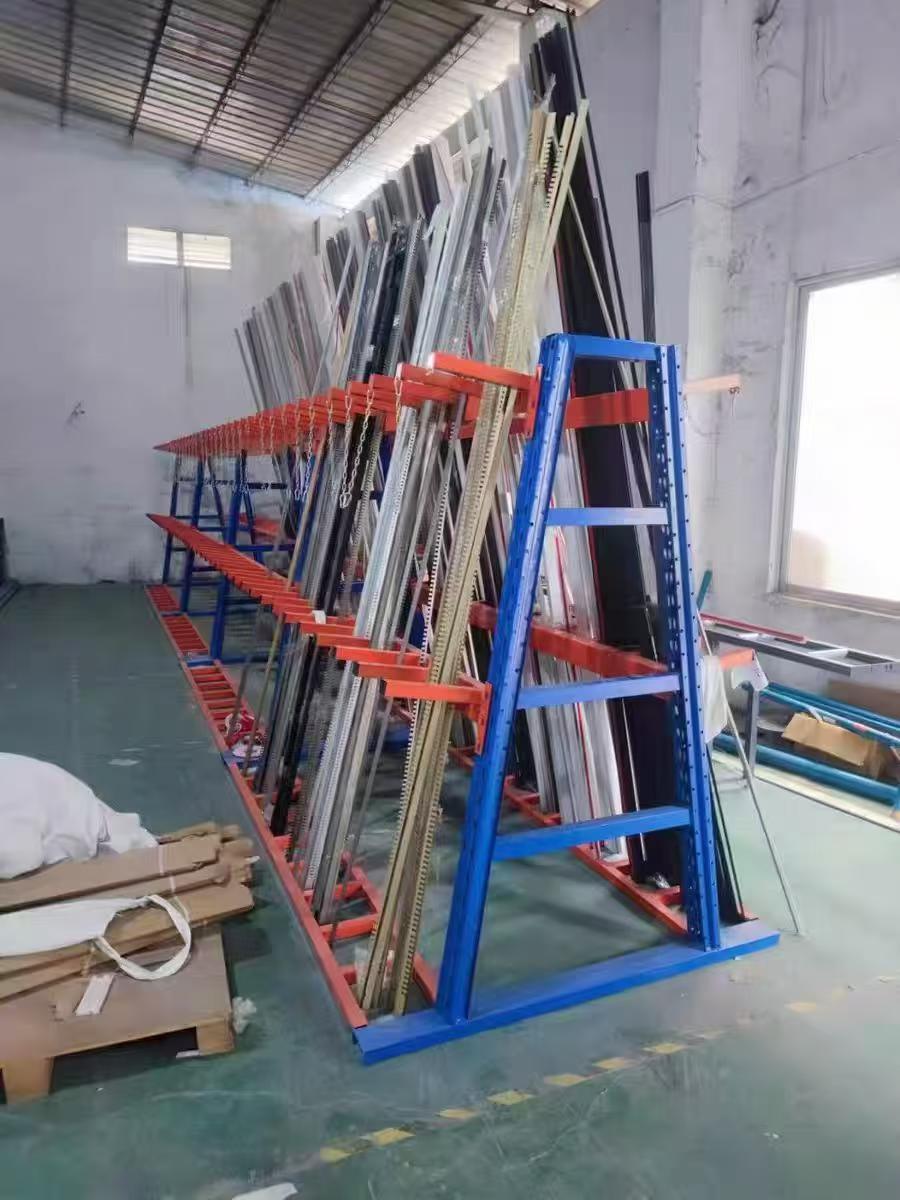
For most commercial users, the right heavy duty metal shelving should provide stable load support, suit the item mix, allow safe access, and remain practical to inspect, maintain, and expand. That means evaluating construction quality, load requirements, installation conditions, and operational fit before placing an order.
What durable heavy duty metal shelving really means
Heavy duty metal shelving is generally used for storing heavier cartons, bins, parts, tools, components, and non-palletized goods in industrial or commercial environments. Durability is not just about thick steel. It also depends on how the shelving is designed, assembled, protected against wear, and used over time.
A durable system should hold its rated loads without noticeable deflection under normal use, resist loosening at connection points, remain stable on the actual floor condition, and tolerate the working environment. In practice, long-term durability comes from the combination of:
- Appropriate load capacity for each shelf and bay
- Reliable frame and beam or shelf connection design
- Suitable steel finish for the operating environment
- Correct anchoring or stabilization where required
- Good fit with picking methods and traffic conditions
- Routine inspection and controlled loading practices
If one of these factors is overlooked, even well-made heavy duty metal shelving can wear out faster than expected.
Start with the real load, not an estimate
The most common buying mistake is choosing heavy duty metal shelving based on a rough guess of what each level will hold. Long-term performance depends on actual loading, not intended loading.
Check these load questions before comparing options
- What is the maximum weight per shelf level?
- What is the total load per bay?
- Will the load be evenly distributed or concentrated in one area?
- Are items stored in bins, cartons, loose parts, or metal containers?
- Will future SKU changes increase average shelf weight?
Point loads matter. A shelf carrying several dense machine parts in one corner behaves very differently from a shelf carrying evenly spaced cartons of the same total weight. If your inventory includes compact, high-mass items, ask for load guidance based on realistic distribution, not just a headline capacity figure.
Buyers should also leave room for operational variation. Warehouses rarely stay static. Product mix changes, replenishment habits shift, and staff may load shelves differently from the original plan. Durable heavy duty metal shelving should have enough practical margin to handle normal operational inconsistency without being routinely overstressed.
Assess the shelving structure, not just the shelf capacity
Many buyers focus on the load rating of a single shelf panel but overlook the full structure. Long-term durability depends on the entire assembly: uprights, bracing, connectors, shelf supports, base plates, and the way the unit transfers load to the floor.
What to look for in the structure
- Upright strength: Uprights must resist bending and remain stable under full bay load.
- Bracing design: Proper bracing helps prevent sway and preserves alignment over time.
- Connection quality: Weak clips, poor fit, or loose bolt connections often show problems after repeated loading cycles.
- Shelf reinforcement: Reinforced shelf levels are especially important for dense or repetitive heavy loads.
- Base stability: The system should sit correctly on the floor and be suitable for anchoring or leveling if needed.
If a shelving system will be used in busy picking zones, maintenance rooms, back-of-house storage, or industrial parts storage, structural integrity matters more than appearance. A clean finish is useful, but it does not compensate for a weak frame design.
Match heavy duty metal shelving to the warehouse environment
Not all heavy duty metal shelving is suited to every site. The storage environment has a direct effect on corrosion risk, cleaning requirements, impact exposure, and service life.
Indoor dry storage
In standard dry warehouse conditions, most industrial shelving finishes can perform well if loads are controlled and the system is not exposed to repeated impact.
Humid or washdown-prone areas
If shelving is placed in humid locations, near external doors, in lightly exposed production spaces, or in areas with regular washdown, corrosion resistance becomes more important. In these settings, buyers should review finish suitability carefully and consider whether shelving edges, joints, and damaged coating areas may become maintenance points.
Dusty or dirty operations
Facilities handling powders, metal particles, packaging debris, or oily components should consider how easily the shelving can be cleaned and inspected. A system that traps debris in inaccessible corners may create housekeeping issues over time.
High-traffic areas
Where forklifts, pallet trucks, carts, or order pickers operate nearby, heavy duty metal shelving may need additional protection or better separation from traffic lanes. Long-term damage often comes from repeated low-level impact, not a single major collision.
Consider how items are handled every day
Durability is closely linked to usage pattern. A shelving system storing slow-moving spare parts faces very different wear from one used for fast-moving order picking.
When evaluating heavy duty metal shelving, ask how the shelves will actually be used:
- Will staff hand-load and hand-pick from each level?
- Will bins be dragged across shelves repeatedly?
- Will heavy items be dropped onto shelf levels rather than placed carefully?
- Will trolleys or ladders contact the shelving frequently?
- Will shelf heights be adjusted often as SKU mix changes?
A system that looks adequate on paper may wear quickly if the daily handling pattern is rough. For example, open shelving used for metal components, tooling, or maintenance stock can suffer abrasion, bent shelf lips, and connection wear if items are frequently slid rather than lifted. In these cases, selecting stronger shelf reinforcement and a more robust frame design can improve long-term value.
Do not ignore floor condition and installation quality
Even high-quality heavy duty metal shelving can perform poorly if installed on an uneven or damaged floor. Floor condition affects stability, alignment, and load transfer. Over time, poor installation can lead to sway, uneven shelf loading, and premature wear at connectors.
Key installation checks
- Is the floor level enough for the planned bay height?
- Are there cracks, spalling areas, or weak spots where the shelving will stand?
- Does the layout require shimming or leveling?
- Should the shelving be anchored based on height, load, or site conditions?
- Is there enough clearance for safe access and inspection?
Commercial buyers should also think beyond initial installation. If bays are installed too tightly against walls, columns, or other storage systems, maintenance access becomes difficult. That makes it harder to inspect damage, clean behind the shelving, or adjust levels later.
Look at adjustability and expansion potential
Long-term use rarely means long-term static use. One reason businesses replace shelving early is not structural failure, but loss of suitability. The original system no longer fits the inventory profile, replenishment method, or available space.
Durable heavy duty metal shelving should also be durable as a planning decision. Consider:
- Can shelf levels be adjusted without major disruption?
- Can additional bays be added later?
- Will the system still work if carton sizes change?
- Can it support a mix of bin storage and loose item storage?
- Will it remain efficient if picking volume increases?
If future growth is likely, a slightly more flexible shelving format may be more cost-effective than a rigid layout that becomes obsolete in two years. This is especially relevant for spare parts rooms, e-commerce stockrooms, maintenance stores, and mixed-SKU industrial storage.
Compare shelving with alternative storage options
Not every application should use heavy duty metal shelving. Buyers should compare it with other storage methods before committing.
When heavy duty metal shelving is a good fit
- Manual picking of cartons, bins, or loose parts
- High-SKU storage requiring direct access
- Industrial parts storage with moderate to heavy hand-loaded items
- Stockrooms where visibility and organization matter
- Areas where pallet racking would be oversized for the load type
When it may be a weaker fit
- Primarily full-pallet storage handled by forklift
- Very high-density storage requirements where aisle space must be minimized
- Extremely long or awkward items better suited to cantilever systems
- Very small-item storage better managed with specialized bin systems
- Operations with frequent heavy equipment impact near the shelving line
In many facilities, heavy duty metal shelving works best as part of a mixed storage plan rather than as a universal solution. For example, pallet racking may handle reserve stock while shelving supports forward picking or spare parts access.
Review safety and inspection needs before purchase
Long-term durability is partly a maintenance issue. A shelving system that is hard to inspect usually stays in service with unnoticed damage for too long. Buyers should select heavy duty metal shelving that can be checked easily during normal housekeeping or safety walks.
Common points to inspect over time
- Bent uprights or damaged front edges
- Loose bolts, clips, or connectors
- Shelf deflection beyond normal limits
- Corrosion at scratches, joints, or floor contact points
- Missing components or unauthorized modifications
- Instability caused by floor settlement or impact
It is also good practice to label load limits clearly and train staff to load shelves consistently. Many durability problems come from misuse: overloaded levels, climbing on the shelving, storing items that overhang dangerously, or moving components without checking compatibility.
Questions to ask suppliers before you buy
A practical buying process for heavy duty metal shelving should include more than price comparison. Ask suppliers questions that reveal whether the system is suitable for long-term industrial use.
- What is the rated load per shelf and per bay?
- Are the ratings based on evenly distributed loads?
- What shelf sizes and reinforcement options are available?
- What finish options are suitable for the intended environment?
- How is the shelving installed and stabilized?
- Can the configuration be expanded later?
- What components are most commonly replaced or adjusted in service?
- What maintenance or inspection practices are recommended?
Clear answers to these questions are often more useful than a broad product brochure. A supplier who understands warehouse operations should be able to discuss loading patterns, access constraints, and layout implications in practical terms.
Common mistakes that shorten service life
Even well-selected heavy duty metal shelving can underperform if common planning mistakes are built into the project from the start.
- Choosing shelving only by price per bay
- Ignoring concentrated loads and shelf distribution
- Using one shelf design for all SKU types without reviewing fit
- Installing in traffic-exposed areas without protection planning
- Overlooking floor quality and level tolerance
- Leaving no room for future bay additions or shelf adjustments
- Failing to set inspection routines after installation
- Assuming all metal shelving marketed as heavy duty performs the same
These mistakes usually do not appear on day one. They emerge over months of use, when shelves start bowing, frames take impact, or layout inefficiencies force unsafe loading habits.
A practical buying checklist
Before approving a purchase, use this checklist to evaluate whether the heavy duty metal shelving is likely to hold up in real operation:
- Define actual item weights, dimensions, and load distribution
- Confirm shelf and bay capacities match the real application
- Review frame strength, bracing, and connection design
- Check finish suitability for humidity, dust, and cleaning conditions
- Assess aisle width, access method, and nearby traffic exposure
- Verify floor condition and installation requirements
- Plan for inspection access and routine maintenance
- Consider future expansion, level adjustment, and SKU changes
- Compare shelving with pallet racking or alternative systems where relevant
- Request clear technical and operational guidance from the supplier
FAQ
How do I know if heavy duty metal shelving is strong enough?
Check both the shelf load rating and the total bay load rating, then compare them with your real item weights and how those weights are distributed. Concentrated loads can be more demanding than evenly spread loads.
Is heavy duty metal shelving suitable for pallet storage?
Usually not for standard forklift-handled pallet storage. Pallet racking is generally more suitable for full pallets, while heavy duty metal shelving is better for hand-loaded goods, bins, cartons, and parts picking.
What reduces the service life of metal shelving most often?
Overloading, repeated impact, poor installation, corrosion exposure, and lack of routine inspection are the most common causes of shortened service life.
Should metal shelving be anchored to the floor?
That depends on the shelving height, load, site conditions, and local installation practice. This should be reviewed as part of layout and installation planning rather than assumed either way.
Conclusion
If your goal is long-term value, choose heavy duty metal shelving based on operational fit, structural quality, and realistic warehouse conditions rather than headline capacity or initial cost alone. The most durable system is one that matches the item profile, suits the handling method, stands properly on the floor, and remains easy to inspect and adapt as the business changes.
For warehouse managers and procurement teams, the right decision usually comes from asking practical questions early: what is being stored, how it is handled, what may change later, and what kind of wear the shelving will face every week. That approach leads to heavy duty metal shelving that lasts longer, performs more safely, and supports the operation instead of creating avoidable replacement costs.