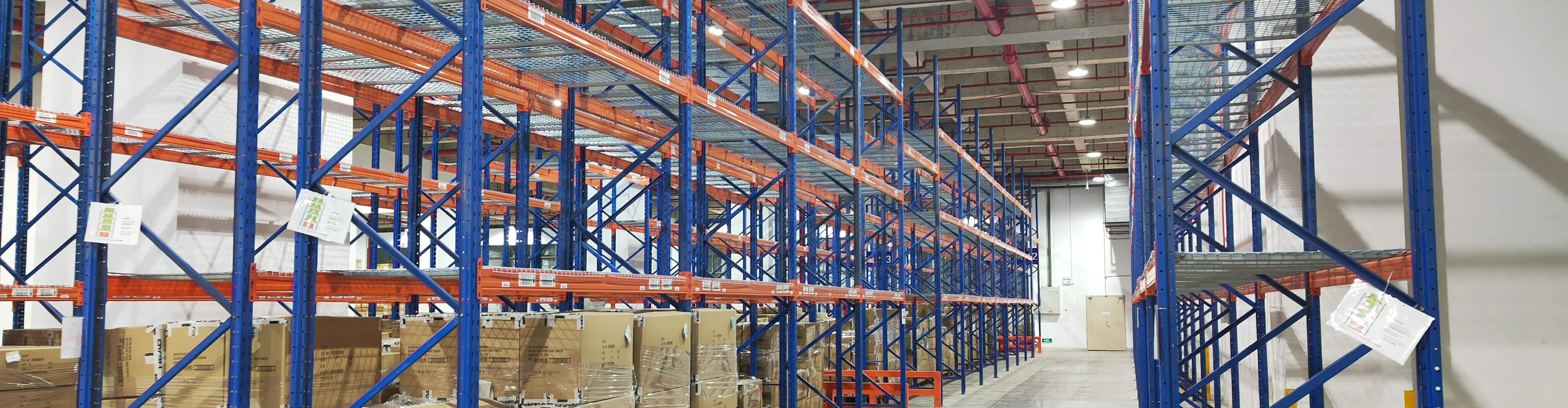
Choosing heavy duty metal shelving is not just a matter of picking a size and a price. For warehouse managers, the right system needs to match load requirements, SKU profile, picking method, floor space, and day-to-day handling conditions. A shelving system that works well for carton picking in a small parts area may be inefficient or unsafe in a fast-moving warehouse with mixed inventory and forklift traffic.
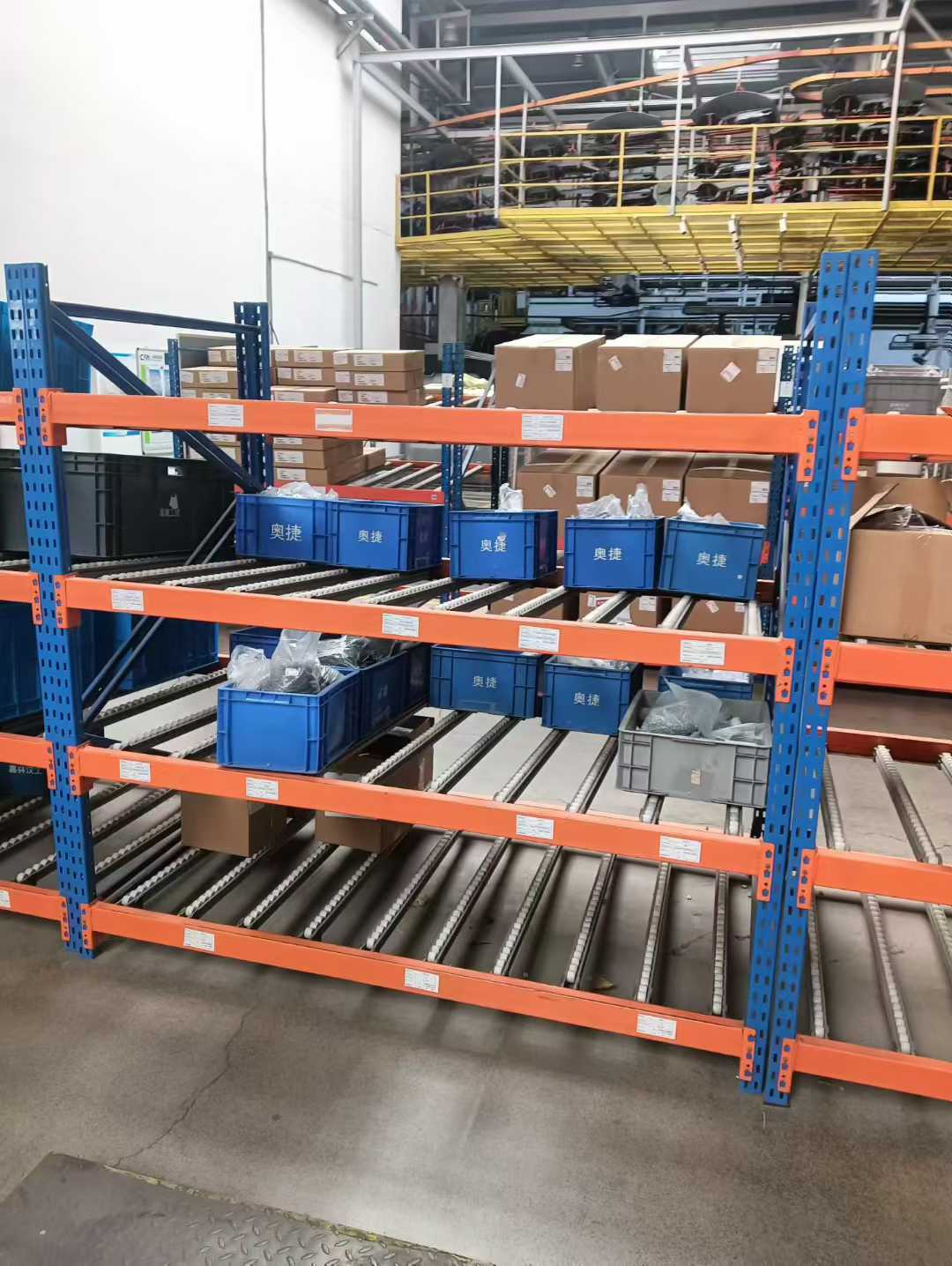
This guide explains how to evaluate heavy duty metal shelving from a practical buying perspective. It covers what to check before purchase, where this type of storage works well, where it may be a weaker fit, and how to avoid common planning mistakes that create operational problems later.
What Heavy Duty Metal Shelving Is Really Meant For
Heavy duty metal shelving is typically used for hand-loaded or semi-manual storage of cartons, bins, tools, components, spare parts, archive items, and non-palletized stock. It is often chosen when a warehouse needs better organization, higher weight capacity than light shelving, and direct access to a wide range of SKUs.
In practical terms, heavy duty metal shelving is usually a good fit when:
- Inventory is stored in cartons, totes, or loose items rather than full pallets
- Operators need direct access to many different SKUs
- Order picking is frequent and selective
- Storage areas include maintenance stores, spare parts zones, back-of-house inventory, e-commerce picking, or packing support areas
- The business needs a modular system that can be reconfigured as stock profiles change
It is less suitable when most inventory is palletized, when forklift-only handling is required at every level, or when maximum storage density is the main goal. In those cases, pallet racking or other higher-density systems may be more appropriate.
Start With the Real Storage Requirement, Not the Catalog
Before comparing models of heavy duty metal shelving, define what the shelving needs to do in your warehouse. This step is often skipped, and that leads to buying systems that fit the space but not the operation.
Key questions to answer first
- What items will be stored on the shelves?
- What is the weight range per shelf level and per bay?
- Are items hand-picked, trolley-picked, or accessed with equipment?
- How many SKUs need direct access?
- How often will shelf heights need adjustment?
- Will the shelving be used in a main warehouse, spare parts room, packing area, or production support area?
- Is future expansion likely within the same footprint?
A warehouse manager buying heavy duty metal shelving for maintenance parts will usually prioritize visibility, bin access, and flexible shelf adjustment. A manager using the same type of shelving for reserve carton storage may care more about bay width, level loading, and aisle efficiency. The buying criteria are different even though the product category is the same.
Check Load Capacity Carefully
Load capacity is one of the most important factors when selecting heavy duty metal shelving. It should be reviewed at three levels: per shelf, per bay, and across the full installation. Buyers sometimes focus only on the stated shelf capacity and miss the overall structural limit.
When discussing capacity with a supplier, clarify:
- The maximum load per shelf level
- The maximum total load per bay or unit
- How load capacity changes with shelf span and shelf depth
- Whether loads are assumed to be evenly distributed
- Whether the stated figures depend on floor fixing or wall fixing
This matters because real warehouse loading is not always uniform. Dense items placed on one side of a shelf, overhanging cartons, or frequent impact from handling can change how the system performs in use. Heavy duty metal shelving should be selected with a realistic safety margin rather than the bare minimum theoretical capacity.
If your stock includes motors, metal parts, liquid containers, tooling, or dense hardware, pay close attention to actual item weight. Shelving that looks robust may still be underspecified for concentrated loads.
Match the Shelving to Your SKU Profile and Picking Method
Heavy duty metal shelving works best when it supports the way inventory is picked and replenished. Warehouse managers should think beyond storage and consider movement.
High-SKU, low-to-medium quantity environments
If you manage many SKUs with relatively low stock volume per item, heavy duty metal shelving can be very efficient. It gives direct access to each product line and supports faster manual picking than bulk floor stacking or poorly organized rack levels.
Fast-moving carton picking
For fast-moving carton stock, check whether shelf dimensions match carton footprint well enough to avoid wasted space. Deep shelves can become inefficient if cartons are shallow, while narrow shelves may create unnecessary aisle travel.
Bin storage and small parts
For components, fasteners, maintenance stock, or spare parts, heavy duty metal shelving is often used with bins, dividers, or labeled pick faces. In these cases, visibility and ergonomic reach may matter more than maximum bay width.
Mixed inventory
If you handle a mix of cartons, irregular items, and small parts, consider whether one shelving format can support all categories without creating picking inefficiency. Sometimes it is better to use heavy duty metal shelving in one zone and a different storage system elsewhere rather than forcing one system to do everything.
Review Dimensions in Operational Terms
The right dimensions for heavy duty metal shelving depend on more than available floor space. Bay width, shelf depth, and overall height affect picking comfort, replenishment speed, and aisle flow.
Height
Taller shelving increases vertical storage capacity, but access becomes slower and more dependent on ladders, steps, or equipment. That may be acceptable in slow-moving reserve areas, but less suitable in fast-pick zones. Ceiling height, lighting, sprinkler clearance, and safe access all need to be considered.
Depth
Deeper shelves can improve cubic utilization, but they also make stock harder to see and reach, especially for small items. If operators need to lean into shelves or move front stock to reach the back, the layout may reduce picking efficiency.
Width and span
Wider bays reduce the number of uprights and may improve storage continuity for larger cartons. However, wider spans can affect load performance and may limit flexibility if your SKU sizes vary. Heavy duty metal shelving should suit the actual dimensions of stored goods, not just maximize linear shelf length.
Consider Aisle Width and Handling Access
One of the most common buying mistakes is choosing heavy duty metal shelving without planning realistic aisle width. Shelving may fit on a drawing but still create congestion once people, carts, ladders, and replenishment activity are added.
Think about how the area will actually operate:
- Will staff pick by hand with baskets or carts?
- Will stock be replenished by pallet truck or trolley?
- Do ladders or mobile steps need turning space?
- Will nearby forklift routes create impact risk?
- Will two-way pedestrian traffic occur during peak periods?
If shelving is installed too tightly, productivity often drops even when storage capacity increases. In many warehouses, a slightly lower storage density produces better overall workflow because access is faster and safer.
Assess Floor Condition and Installation Constraints
Heavy duty metal shelving depends on a stable installation environment. Before purchase, check floor condition, levelness, and any site limitations that may affect installation quality.
Points worth reviewing include:
- Whether the floor is level enough for the proposed shelving height
- Any cracks, uneven surfaces, or weak areas in the slab
- Whether floor fixing is required or recommended
- Obstructions such as columns, doors, services, or wall-mounted equipment
- Access limitations during delivery and assembly
These factors are especially important in older facilities, mixed-use storage rooms, or mezzanine-supported storage areas. A shelving system that is technically suitable on paper can become difficult to install properly if site conditions are ignored.
Think About Shelf Adjustability and Future Change
Warehouse operations rarely stay static. SKU ranges change, packaging changes, and stockholding levels shift. Heavy duty metal shelving is often selected because it offers a degree of flexibility, but not all systems are equally easy to adjust.
Ask practical questions such as:
- How easy is it to change shelf levels after installation?
- Can additional bays be added later?
- Are accessories such as dividers, back panels, side panels, or bin fronts available if needed?
- Will the same system still be available for future expansion?
If your warehouse is growing or your product mix changes frequently, buying heavy duty metal shelving with expansion in mind can save time and disruption later. A very rigid layout may be cheaper initially but more costly when the operation evolves.
Do Not Ignore Safety and Inspection Practicalities
Even when heavy duty metal shelving is used for hand-loaded goods rather than pallets, it still needs routine inspection and sensible operating controls. Buyers should consider how easy the system will be to inspect, maintain, and use correctly.
Safety points to review before buying
- Clear load labeling for shelf and bay capacities
- Stable upright design and proper bracing
- Suitable anchoring where required
- Protection from nearby forklift impact if installed near traffic routes
- Good visibility of damaged or overloaded sections
In real warehouse use, heavy duty metal shelving can be damaged by carts, ladders, poor loading habits, or makeshift modifications. Systems that are easy to inspect visually are easier to manage over time. If shelving will be installed near forklift aisles, consider whether barriers or end protection are needed.
Compare Shelving With Other Storage Options
Heavy duty metal shelving is useful, but it is not the answer to every storage problem. Warehouse managers should compare it with other options before making a buying decision.
Versus pallet racking
Pallet racking is generally better for palletized loads and forklift handling. Heavy duty metal shelving is usually better for hand-loaded inventory, smaller units, and high-SKU picking. Using shelving for goods that should really be palletized can reduce efficiency and create awkward manual handling.
Versus longspan shelving
Depending on supplier terminology, longspan shelving may overlap with heavy duty metal shelving. In practice, the distinction often comes down to load range, bay width, and typical application. Review actual structure and load data rather than relying on category names alone.
Versus bin shelving or light shelving
If the stored items are very light and small, a lighter system may be more economical and easier to configure densely. Heavy duty metal shelving can be unnecessary if the stock does not need that level of strength.
Versus mezzanine expansion
If floor space is tight but ceiling height is available, adding a mezzanine plus shelving may provide more capacity than simply installing taller shelving at ground level. That said, mezzanine projects involve more planning, access design, and capital cost.
Common Buying Mistakes to Avoid
Many shelving problems start with reasonable intentions but weak planning. These are some of the most common mistakes warehouse managers should avoid when buying heavy duty metal shelving:
- Choosing based on price alone without checking load suitability
- Using shelf dimensions that do not match carton or bin sizes
- Underestimating aisle width needs for picking and replenishment
- Buying for current stock only and ignoring future SKU growth
- Mixing heavy manual loads with poor ergonomic access
- Installing shelving near traffic routes without impact protection
- Failing to plan load labels, inspection routines, and user guidance
- Assuming all heavy duty metal shelving systems are equally adjustable or expandable
A low-cost system that creates slow picking, awkward replenishment, or repeated damage is rarely a good commercial decision.
A Practical Buying Checklist for Warehouse Managers
Before you approve a purchase of heavy duty metal shelving, work through a simple decision checklist:
- Confirm what products will be stored and their actual weight
- Define whether the area is for picking, reserve stock, spare parts, or mixed use
- Measure item dimensions and compare them with proposed shelf depth and width
- Review bay load and shelf load limits carefully
- Check ceiling height, lighting, and access method for upper levels
- Plan aisle width around real traffic and picking activity
- Review floor condition and fixing requirements
- Consider future expansion and adjustability
- Plan for labeling, inspection, and damage prevention
- Compare heavy duty metal shelving with alternative systems before final selection
This process helps keep the decision grounded in warehouse performance rather than product brochures alone.
FAQ
What is the main advantage of heavy duty metal shelving in a warehouse?
The main advantage of heavy duty metal shelving is direct access to a wide range of non-palletized inventory with stronger load capacity than light shelving. It is especially useful for cartons, bins, parts, and hand-picked stock.
Is heavy duty metal shelving suitable for pallet storage?
Usually not as a primary pallet storage solution. If goods are mainly stored and moved on pallets by forklift, pallet racking is generally the more suitable system.
How do I know what load capacity I need?
Start with the actual weight of the items stored on each level, then review total bay loading and any uneven load patterns. Do not select shelving based only on a headline capacity figure.
Can heavy duty metal shelving be expanded later?
Many systems can be expanded, but not all ranges remain available long term. If phased growth is likely, confirm compatibility and future availability before purchase.
Final Decision Takeaways
Heavy duty metal shelving is a practical choice when your warehouse needs organized, direct-access storage for hand-loaded goods, cartons, bins, and mixed SKU inventory. The right buying decision depends on load realism, picking method, aisle planning, shelf dimensions, and future flexibility.
For warehouse managers, the key is to judge heavy duty metal shelving as part of the operating system, not as a standalone product. If it supports how stock is stored, accessed, replenished, and inspected in daily use, it is far more likely to deliver long-term value.