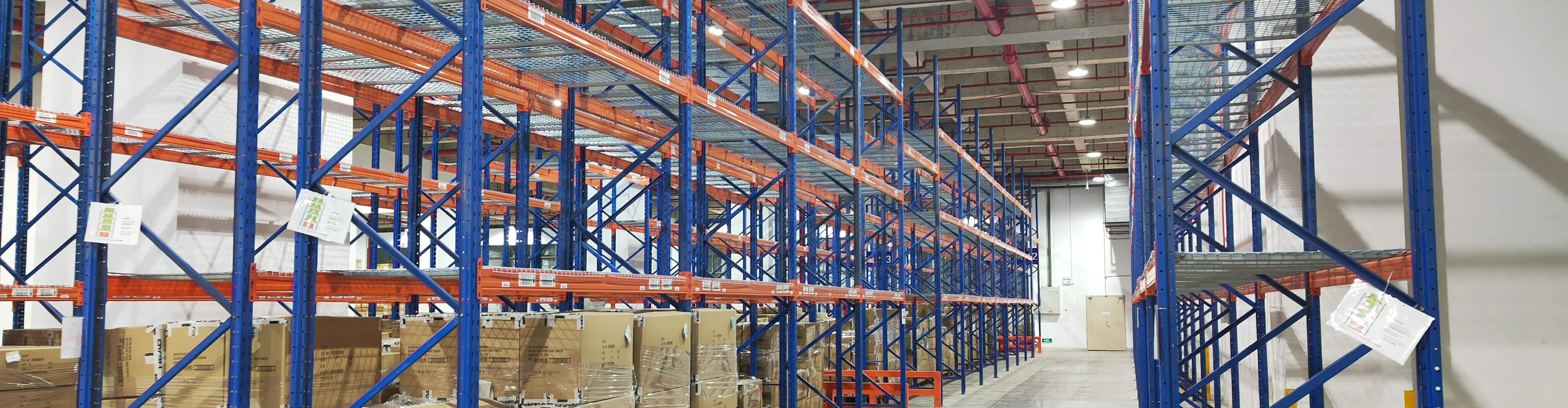
For most warehouses handling heavy palletized goods, the best heavy duty industrial pallet racking is not one single system for every site. The right choice depends on load weight, pallet dimensions, forklift access, SKU variety, stock rotation method, floor condition, and the amount of selectivity you need. In many operations, selective pallet racking is the most practical starting point because it balances strength, accessibility, and flexibility. However, for very high-density storage or specific inventory flow requirements, drive-in, double-deep, push-back, or pallet flow systems may be more suitable.
If your main concern is storing large loads safely and efficiently, the decision should start with load characteristics and warehouse operations, not just rack capacity on paper. A rack that supports high beam loads but creates poor forklift access, damaged uprights, or inefficient replenishment can become an expensive mistake.
What heavy duty industrial pallet racking means
Heavy duty industrial pallet racking refers to pallet storage systems designed for substantial pallet weights, regular forklift handling, and demanding warehouse use. These systems typically use robust uprights, beams, bracing, and baseplates to support heavier unit loads than light-duty shelving or manual storage systems.
In practical terms, heavy duty racking is used when warehouses store full pallets of goods such as raw materials, packaged products, parts, industrial supplies, or bulk inventory. The system must be matched to the real pallet load, not the nominal pallet size alone. Load stability, pallet condition, beam span, clear entry height, and impact risk all matter.
What is usually the best option for large loads?
For many businesses, selective heavy duty industrial pallet racking is usually the best overall option for large loads because it offers direct access to every pallet position, straightforward stock control, and easier inspection. It works well when you have multiple SKUs, mixed pallet turnover, and a need for operational flexibility.
That said, selective racking is not automatically the best choice in every warehouse. If floor space is limited and you store a smaller number of SKUs in deeper quantities, a high-density system may use the building footprint more efficiently. The best system is the one that handles heavy loads safely while supporting the actual movement of inventory.
Why selective racking is often preferred
- Direct access to each pallet
- Simpler stock rotation and location control
- Easier to inspect for damage or misuse
- Flexible for changing SKU profiles
- Suitable for many forklift operations
- More forgiving when inventory mix changes over time
When selective racking may be less suitable
- When floor space is expensive and storage density is the main priority
- When you store large volumes of the same SKU in blocks
- When a denser layout can reduce travel time and unused aisle space
How to choose heavy duty industrial pallet racking for large loads
Choosing heavy duty industrial pallet racking should be treated as an operational planning decision, not only a product purchase. A system that looks strong enough in a brochure may still be a poor fit if it causes handling inefficiency, clearance problems, or preventable rack damage.
1. Start with the actual pallet load
Define the real load per pallet, including product weight, pallet weight, load overhang, and whether the load is stable or irregular. Large loads are not only heavy; they may also be tall, soft, unbalanced, or vulnerable to movement. These details affect beam selection, bay width, level spacing, and handling safety.
If pallets are damaged, inconsistent, or poorly wrapped, the racking system may need additional support measures or a different layout. Good rack design cannot compensate for consistently poor pallet quality.
2. Review forklift type and aisle width
Forklift access has a direct effect on the right heavy duty industrial pallet racking layout. Counterbalance forklifts generally require wider aisles than reach trucks. Narrow aisles may improve storage density, but only if the truck type, operator skill, and floor quality support safe operation.
Large loads also increase handling complexity. A heavy pallet with limited visibility may require more generous clearances to reduce upright impacts and beam strikes.
3. Check building height and clearances
Available height affects how much value you can get from vertical storage. In some warehouses, the best answer is not a denser floor layout but a better use of clear height. However, vertical expansion only works if the floor slab, truck lift height, sprinkler arrangement, lighting, and operating tolerance are all considered.
With heavy loads, adequate clearance between pallet tops and beam levels is especially important. Tight clearances may look efficient on a drawing but can slow handling and increase damage risk in daily use.
4. Match the system to SKU mix and stock rotation
If you store many SKUs with different turnover rates, selective pallet racking is usually easier to manage. If you store fewer SKUs in larger quantities, higher-density systems may be worth considering. Also think about whether you need FIFO or LIFO stock flow, because that will affect system choice.
5. Consider future changes
A good heavy duty industrial pallet racking decision should allow for growth, product changes, or layout revisions. Warehouses often change faster than expected. New pallet sizes, different truck fleets, or a shift from bulk storage to more picking activity can make a rigid system less attractive over time.
Main racking options for large loads
Selective pallet racking
Selective racking is the most common form of heavy duty industrial pallet racking. Each pallet is directly accessible from the aisle, which makes it practical for operations with mixed inventory and frequent stock movement.
Best for: broad SKU ranges, direct pallet access, simpler stock control, and warehouses that value flexibility.
Limitations: lower storage density than deep-lane systems because more aisles are required.
Double-deep pallet racking
Double-deep racking stores pallets two positions deep, reducing aisle count and increasing storage density compared with selective layouts. It can be a good option when you want better space use but still need a structured pallet racking system.
Best for: medium SKU counts with enough pallet depth per SKU to justify the layout.
Limitations: reduced selectivity, need for suitable forklift reach, and more careful stock management.
Drive-in racking
Drive-in systems allow forklifts to enter storage lanes, making them useful for high-density storage of similar products. For some heavy-load operations with large batches of the same SKU, this can be an efficient use of space.
Best for: low SKU variety, high pallet quantities per SKU, and operations where density matters more than immediate access to every pallet.
Limitations: increased risk of impact damage, more demanding forklift operation, reduced selectivity, and potentially more maintenance attention.
Push-back racking
Push-back systems store pallets on nested carts or rails, allowing multiple pallets deep from a single aisle face. This can improve density while keeping forklift entry out of the rack structure.
Best for: medium-density storage with better accessibility than drive-in for certain SKU profiles.
Limitations: LIFO stock rotation, system complexity, and the need to match load consistency to the mechanism.
Pallet flow racking
Pallet flow uses gravity lanes to move pallets from loading to picking face, supporting FIFO stock rotation. It can be effective for high-throughput operations storing heavier pallet loads, especially where date rotation matters.
Best for: FIFO inventory, high throughput, and organized replenishment flow.
Limitations: more planning complexity, higher system cost, and greater sensitivity to pallet quality and load consistency.
Which system is best in different warehouse situations?
For mixed SKUs and frequent access
Selective heavy duty industrial pallet racking is usually the strongest all-around choice. It gives warehouse teams direct access, easier counting, and simpler replenishment logic.
For high-density bulk storage
Drive-in or push-back systems may be more suitable if you hold deeper quantities of the same products and need to reduce aisle space.
For controlled stock rotation
Pallet flow may be the better option when FIFO movement is important and pallet quality is consistent enough for gravity-based handling.
For balancing density and access
Double-deep racking often sits in the middle. It improves space use without moving fully into deep-lane storage, but it still requires the right truck equipment and inventory profile.
Common mistakes when buying heavy duty industrial pallet racking
- Choosing a system based only on maximum load rating without reviewing workflow
- Ignoring pallet quality and load stability
- Using aisle widths that are too tight for actual truck operation
- Overlooking floor slab condition and anchoring requirements
- Planning beam levels too tightly for safe handling clearance
- Selecting high-density storage for an inventory profile that needs high selectivity
- Failing to plan for future SKU changes or expansion
Many racking problems start as planning problems. The system may be structurally suitable, but operationally inefficient. That usually shows up later as congestion, product damage, slow put-away, or frequent rack impacts.
Safety, inspection, and maintenance considerations
Any heavy duty industrial pallet racking used for large loads needs a practical inspection routine. Heavy pallets increase the consequences of misuse, overloading, and impact damage. Even a well-selected system can become unsafe if it is poorly managed.
Key inspection points
- Damaged uprights, especially near forklift entry areas
- Beam deflection, dislodgement, or missing locking pins
- Loose or damaged anchors and baseplates
- Visible overloading or incorrect pallet placement
- Corrosion in wet or aggressive environments
- Damaged pallets that may transfer load poorly onto beams or supports
- Missing load notices or unclear load control procedures
Warehouse teams should also watch for repeated impact locations. If the same aisle or frame keeps getting hit, the issue is often layout, visibility, truck suitability, or operator approach space rather than just carelessness.
Practical buying checklist
Before purchasing heavy duty industrial pallet racking, it helps to review a short decision checklist:
- What is the maximum real pallet weight, including pallet itself?
- Are pallet sizes and load shapes consistent?
- How many SKUs will be stored, and in what quantities?
- Do you need direct access to every pallet?
- What forklift type will be used?
- What aisle width and turning space are realistically required?
- Is FIFO or LIFO stock rotation needed?
- What is the available clear height?
- Is the floor suitable for the intended loading and anchoring arrangement?
- Will the layout need to expand or change later?
This kind of review often narrows the options quickly. It also helps procurement teams compare proposals on operational fit, not just price.
FAQ
What is the best heavy duty industrial pallet racking for very heavy pallets?
In many cases, selective pallet racking is the best choice because it combines strong load support with direct access and easier control. But if storage density is the priority and SKU variety is low, drive-in, push-back, or double-deep systems may be better suited.
Is selective racking always the best option?
No. Selective racking is often the most flexible, but it uses more aisle space. Warehouses with deep stockholding of fewer SKUs may benefit more from a denser system.
Can heavy duty industrial pallet racking improve warehouse space use?
Yes, if the system is matched to pallet loads, building height, and handling method. Better space use comes from the right combination of layout, aisle design, and stock profile, not from choosing the densest rack by default.
What should buyers check before ordering?
They should confirm pallet weight, pallet size, load stability, forklift type, aisle width, floor condition, stock rotation needs, and future expansion plans. Those points usually matter more than a simple headline capacity figure.
Final decision takeaway
If you are choosing heavy duty industrial pallet racking for large loads, start with load reality, forklift handling, and inventory flow. For many warehouses, selective racking remains the safest and most adaptable choice. But where space efficiency or stock rotation needs are more critical, a denser system may be the better commercial decision. The best result usually comes from selecting the system that your operators can use safely every day, your inventory profile can support consistently, and your warehouse can maintain over time.