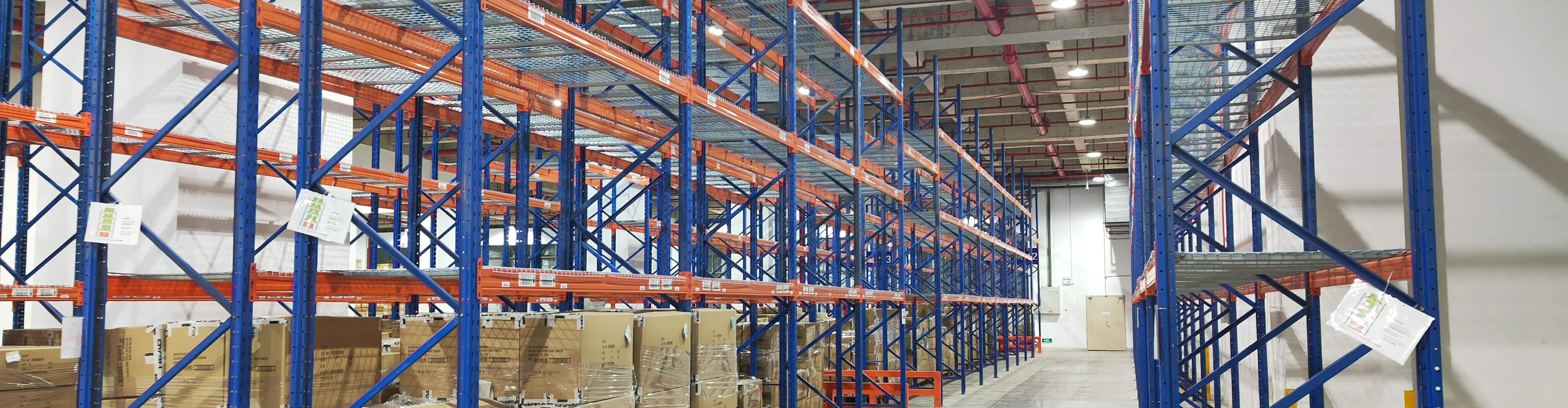
Choosing heavy duty industrial warehouse racking is not just a product decision. For most industrial projects, it affects storage density, forklift movement, picking efficiency, safety routines, floor loading, and future expansion. The right system should match the way your warehouse actually operates, not just the dimensions on a drawing.
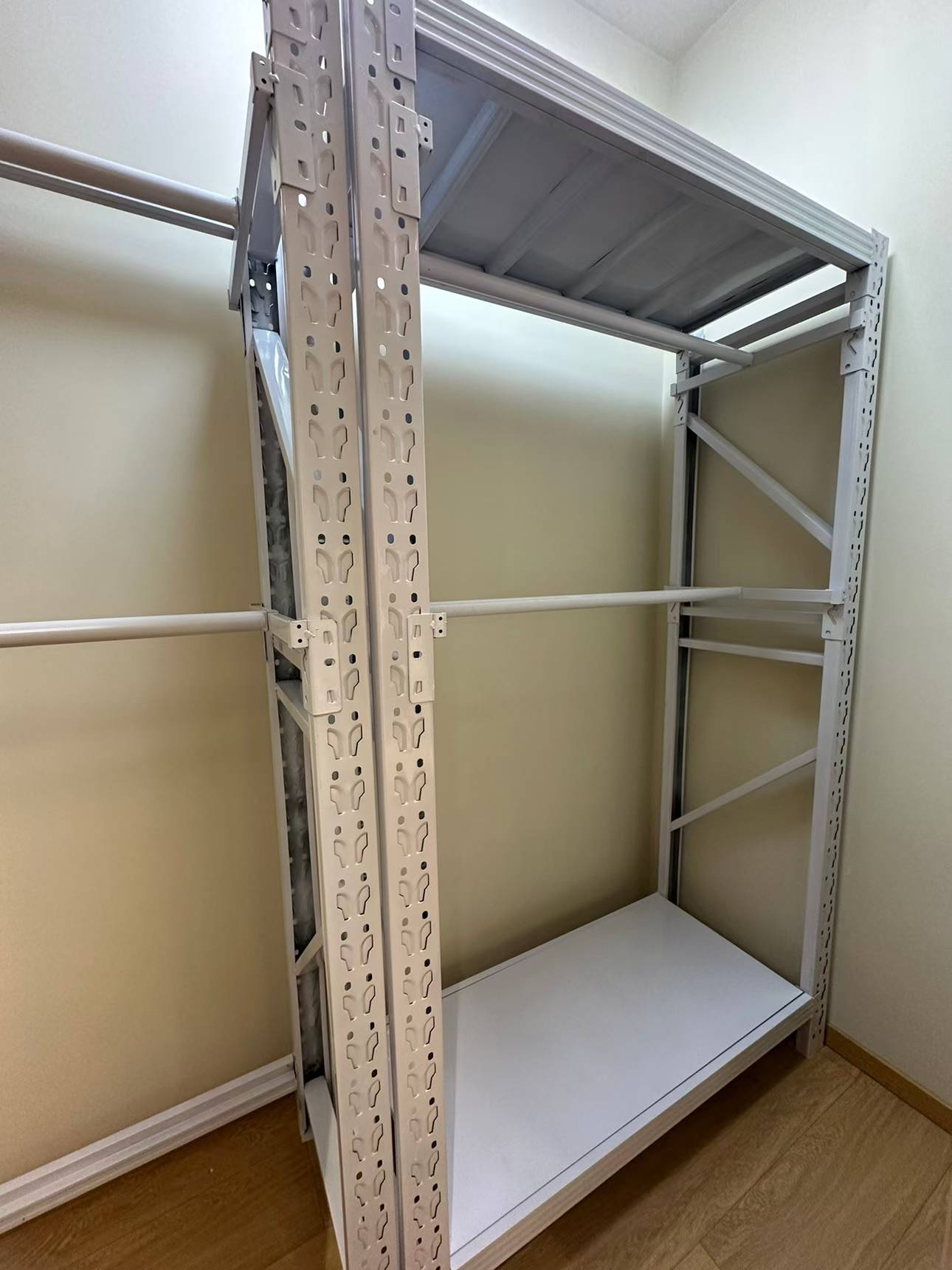
This buying guide explains how to evaluate heavy duty industrial warehouse racking for real project conditions. It covers system types, key design inputs, operational trade-offs, safety priorities, and common buying mistakes so warehouse managers, procurement teams, and project planners can make a more informed decision.
What heavy duty industrial warehouse racking means in practice
Heavy duty industrial warehouse racking generally refers to storage systems designed for palletized loads, industrial handling equipment, and demanding warehouse environments. In practical terms, these systems are built for repeated loading and unloading, higher load capacities than light shelving, and integration with forklifts, pallet trucks, or reach equipment.
In most industrial projects, heavy duty industrial warehouse racking is used for full-pallet storage, reserve stock, bulk goods, raw materials, finished products, and sometimes mixed operations where pallet storage and case picking happen in the same facility.
The system itself is only one part of the decision. Buyers also need to consider aisle width, pallet dimensions, beam levels, lift truck type, floor condition, clear height, fire protection constraints, and whether inventory is fast-moving, slow-moving, or highly seasonal.
Start with the operational requirement, not the rack layout
A common mistake in industrial projects is choosing a layout before defining the operating profile. Heavy duty industrial warehouse racking should be selected around how goods move through the warehouse day to day.
Questions to answer before requesting quotations
- What pallet sizes, weights, and load overhangs will be stored?
- How many SKUs need direct access?
- Is the warehouse mainly full-pallet in and out, or does it support picking from lower levels?
- What handling equipment will be used: counterbalance forklift, reach truck, VNA truck, or stacker?
- What is the available clear height under lights, sprinklers, or services?
- What aisle widths are realistic for safe truck operation?
- Is storage likely to expand within the next few years?
- Are there floor levelness or slab load limitations?
These inputs shape what type of heavy duty industrial warehouse racking is practical. A system that looks efficient on paper may create congestion, poor accessibility, or difficult maintenance if it does not match the operating method.
Core types of heavy duty industrial warehouse racking
Not every heavy duty industrial warehouse racking system suits every industrial project. The right choice depends on the balance between selectivity, density, speed, and cost.
Selective pallet racking
This is the most common option for general industrial use. Each pallet position is directly accessible, which makes it suitable for operations with many SKUs and regular stock rotation.
Good fit for: mixed inventory, standard pallet handling, general manufacturing, distribution, and warehouses where accessibility matters more than maximum density.
Limitations: lower storage density than deep-lane systems because more aisle space is required.
Drive-in or drive-through racking
This system increases storage density by reducing aisles. Forklifts enter the rack structure to place or retrieve pallets stored in lanes.
Good fit for: large volumes of similar products, limited SKU variety, and operations prioritizing density.
Limitations: reduced selectivity, more demanding forklift operation, greater risk of impact damage, and less suitability for mixed SKU environments.
Double deep racking
Double deep arrangements store pallets two positions deep, increasing density compared with selective racking.
Good fit for: operations that want a density improvement without moving fully into drive-in storage.
Limitations: requires suitable handling equipment and reduces immediate access to every pallet.
Very narrow aisle racking
VNA layouts reduce aisle width to increase storage capacity, but they depend on specialized trucks and tighter operational control.
Good fit for: high-bay warehouses where cube utilization is critical.
Limitations: equipment dependency, tighter tolerances, and less flexibility if operations change later.
Push back or pallet flow systems
These systems can improve density and support specific stock rotation methods, but they are usually selected for defined operational reasons rather than as a default choice.
Good fit for: higher throughput lanes, batch storage, and operations with repeat pallet profiles.
Limitations: more complex system behavior, less flexibility for mixed pallets, and added maintenance attention compared with standard selective layouts.
How to evaluate suitability for your project
The buying decision for heavy duty industrial warehouse racking should be based on operational fit rather than headline capacity alone. The following factors usually matter most.
1. Pallet access requirements
If your operation carries many SKUs or needs direct access to each pallet, selective heavy duty industrial warehouse racking is often the safer choice. If product lines are fewer and stored in batches, denser systems may be justified.
Many buyers overestimate the value of density and underestimate the daily cost of poor access. A slightly lower capacity layout can perform better if it reduces travel time and simplifies stock control.
2. Inventory profile and stock rotation
First-in, first-out and last-in, first-out requirements matter. If stock rotation is strict, some dense systems may complicate operations unless the layout is carefully planned. Where product turnover varies by SKU, a mixed approach is often more practical than forcing one rack type across the whole building.
3. Forklift type and maneuvering space
Heavy duty industrial warehouse racking must work with actual truck dimensions, turning radius, lift height, and operator visibility. Counterbalance forklifts usually need wider aisles than reach trucks. If aisle widths are set too aggressively, productivity and safety will suffer.
It is also important to consider whether your current truck fleet will remain in use. A layout designed around one equipment type may become restrictive if the handling method changes.
4. Building height and vertical use
Industrial projects often focus on floor area, but vertical cube utilization is just as important. Higher heavy duty industrial warehouse racking can improve capacity, but only if the slab, lift equipment, lighting clearances, and fire protection arrangement support it.
Extra height also changes inspection and maintenance demands. Damaged components at upper levels can be harder to identify without a structured inspection routine.
5. Floor condition and load capacity
Racking performance depends on the floor beneath it. Uneven floors, weak slabs, or poor anchoring conditions can affect installation quality and long-term stability. Buyers should not assume every warehouse floor can support any heavy duty industrial warehouse racking layout without review.
This is especially important for high-bay systems, concentrated load points, and operations using heavier pallets or intensive forklift traffic.
6. Picking method and lower-level access
If lower beam levels will be used for case picking, replenishment frequency and pedestrian movement should be factored into the design. A rack layout that works for full-pallet storage may become inefficient if operators are regularly picking broken pallets from the same lanes.
For mixed operations, it may be more practical to separate reserve pallet storage from active picking zones rather than expecting one heavy duty industrial warehouse racking layout to do both equally well.
Important buying specifications to confirm
When comparing suppliers, procurement teams should make sure they are reviewing like-for-like proposals. Price alone is not a reliable comparison if rack dimensions, beam levels, accessories, protection, or load assumptions differ.
Key points to confirm in a proposal
- Rack height, bay width, and beam level configuration
- Stated pallet size and pallet weight assumptions
- Unit load dimensions including overhang or load irregularity
- Frame and beam protection options
- Anchor details and baseplate arrangement
- Wire decking, support bars, or other load support accessories if needed
- Aisle width assumptions based on actual handling equipment
- Clearance allowances for safe pallet placement and retrieval
- Scope of installation and site conditions
- Future expandability and compatibility with later additions
Heavy duty industrial warehouse racking should not be purchased on a vague per-bay basis. The intended pallet and operating assumptions need to be clearly defined so the installed system matches the real load and handling conditions.
When heavy duty industrial warehouse racking may be the wrong fit
Although heavy duty industrial warehouse racking is widely used, it is not automatically the right answer for every storage problem.
- If the operation is mainly small-parts picking, industrial shelving or multi-tier shelving may be more efficient.
- If floor area is limited but picking intensity is high, a mezzanine-supported solution may use the building better.
- If inventory is highly dynamic and throughput is extreme, rack layout alone may not solve the process bottleneck.
- If pallets are inconsistent, damaged, or poorly wrapped, some dense racking systems may create handling and safety issues.
A practical buying decision considers the whole warehouse workflow. Heavy duty industrial warehouse racking should support the operation, not force the operation into an unsuitable storage method.
Safety, inspection, and maintenance considerations
Any industrial project involving heavy duty industrial warehouse racking should include a plan for safe use after installation. A well-designed system can still perform poorly if it is overloaded, struck by forklifts, or modified without review.
What to plan for from the start
- Clearly displayed load notices and bay identification
- Routine visual checks for upright damage, beam displacement, and missing safety locks
- Protection at exposed end frames and high-impact areas
- Housekeeping to keep aisles and rack bases clear
- Operator training on pallet placement and damage reporting
- Periodic formal inspection by a competent party according to site policy and local requirements
Buyers sometimes focus on initial capacity and overlook the lifetime cost of damage and misuse. In busy forklift environments, frame protectors, column guards, and sensible aisle design can be worth more than pushing for one extra pallet position per row.
Common buying mistakes on industrial projects
Choosing based only on storage density
High density sounds attractive, but if it slows access, increases truck delays, or complicates stock rotation, the operational cost can outweigh the space saving.
Ignoring pallet variability
Many warehouses do not handle perfectly consistent pallets. Load overhang, damaged pallets, and inconsistent wrapping can all affect how safely heavy duty industrial warehouse racking can be used.
Underestimating future change
A project may start with one product mix and shift within a year. If there is a realistic chance of SKU growth, handling changes, or higher throughput, flexibility should be part of the buying decision.
Using nominal building dimensions instead of usable dimensions
Columns, doors, dock areas, sprinkler lines, lighting, and service routes all reduce usable space. A layout should be based on real operating clearances, not just the building shell.
Separating procurement from operations
Heavy duty industrial warehouse racking should be reviewed by operations, safety, maintenance, and procurement together. The lowest purchase cost can become expensive if the system is awkward to use or difficult to maintain.
A practical selection process for buyers
Step 1: Define the load and inventory profile
List pallet sizes, typical weights, SKU count, stock rotation needs, and whether lower levels will be used for picking.
Step 2: Review the building and equipment constraints
Confirm usable height, slab condition, aisle potential, fire protection restrictions, and truck type.
Step 3: Compare layout concepts, not just rack prices
Assess selective, denser, or specialized heavy duty industrial warehouse racking options based on access, density, throughput, and operational simplicity.
Step 4: Validate safety and maintenance implications
Check protection measures, inspection access, damage risk points, and long-term usability.
Step 5: Plan for expansion
Ask whether the proposed heavy duty industrial warehouse racking can be extended, reconfigured, or integrated into future warehouse changes without major disruption.
FAQ
What is the most common type of heavy duty industrial warehouse racking?
Selective pallet racking is the most common because it gives direct access to each pallet and works well for mixed SKU operations.
How do I know if a dense racking system is worth it?
Dense systems are usually worth considering when SKU variety is lower, pallet volumes are higher, and space pressure is significant. They are less attractive when direct access and stock flexibility are more important.
Does taller racking always improve warehouse efficiency?
No. Taller heavy duty industrial warehouse racking can improve capacity, but only if lift equipment, floor condition, clearances, and safety controls support the added height.
Should procurement compare suppliers only by price per bay?
No. Proposals should be compared using the same load assumptions, dimensions, accessories, protection details, and installation scope. Otherwise the pricing is not a true comparison.
Conclusion
The right heavy duty industrial warehouse racking system is the one that fits your inventory profile, handling method, building constraints, and long-term operating plan. For most industrial projects, the buying decision should balance pallet accessibility, storage density, forklift efficiency, safety, and future flexibility rather than chasing maximum capacity alone.
If you define the real operating requirements first and then compare heavy duty industrial warehouse racking options against those conditions, you are far more likely to end up with a system that works well in daily use and remains practical as the operation grows.