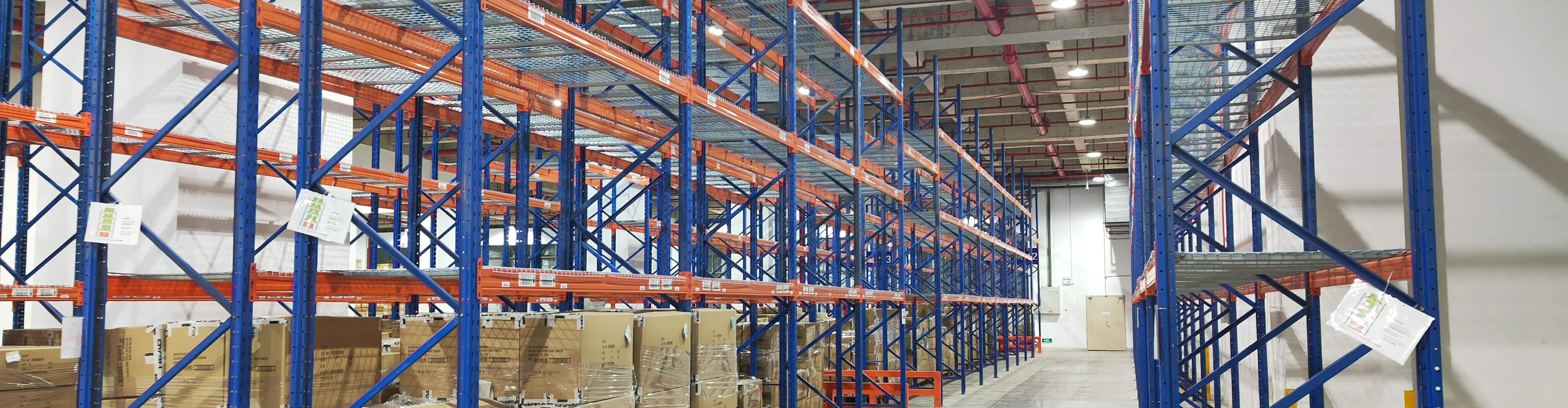
Choosing the right heavy duty industrial shelving depends less on finding a single “best” system and more on matching the shelving to your inventory profile, handling method, floor loading, and picking workflow. For bulk cartons, parts, tools, and equipment that need direct access, the most suitable option is usually the system that balances load capacity, adjustability, aisle efficiency, and day-to-day usability rather than simply the highest stated strength.
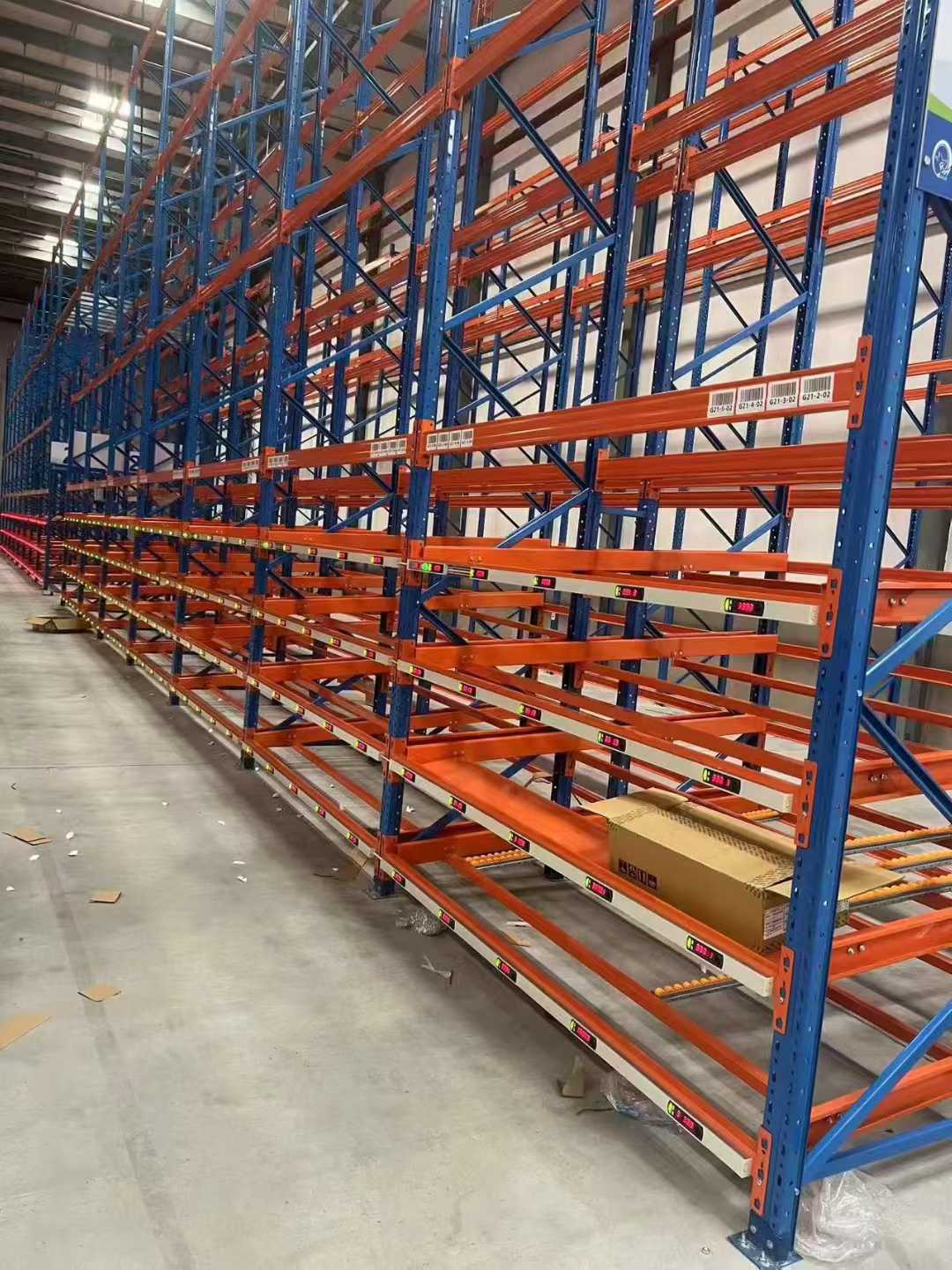
For warehouse managers and procurement teams, the decision usually comes down to a few practical questions: what is being stored, how often it is accessed, whether forklifts or hand picking are involved, how much flexibility is needed for changing SKUs, and how much future expansion is likely. Heavy duty industrial shelving can be a very effective solution for medium to heavy non-palletized loads, reserve stock, maintenance inventory, archive storage, and bulky equipment, but it is not automatically the right answer for every storage area.
What heavy duty industrial shelving is used for
Heavy duty industrial shelving is designed for commercial and industrial storage where standard office or light-duty shelving is not suitable. It is commonly used for:
- Bulk carton storage
- Hand-loaded inventory with higher unit weights
- Spare parts and maintenance items
- Tools, components, and workshop supplies
- Back-of-house stockrooms
- Equipment storage in factories and service areas
- Multi-level shelving areas for small to medium SKU picking
The main advantage is direct access to stored items without the need to move pallets first. That makes it useful where operators need visibility and fast retrieval. In practice, this is often why businesses choose heavy duty industrial shelving over denser but less accessible storage systems.
How to judge the best heavy duty industrial shelving for your operation
The best choice is the one that fits your load type and warehouse process. Before comparing suppliers or layouts, assess the following decision points.
1. Load type and weight per shelf level
Start with the actual items being stored. Bulk inventory can mean cartons, bins, cast components, motors, tools, irregular equipment, or mixed spare parts. Each creates different demands on shelf decking, beam support, and level spacing.
If your stored items are dense and compact, shelf load capacity becomes critical very quickly. Many buyers focus on total bay capacity but overlook the real issue: whether each level can safely carry the intended load without overloading a single shelf.
For mixed inventory, heavy duty industrial shelving with adjustable shelf heights is usually more practical than fixed-level layouts because it allows you to reduce wasted vertical space and adapt to changing stock profiles.
2. Access method: hand picking or mechanical handling
If items are picked by hand, shelf depth and ergonomic reach matter as much as capacity. Deep shelves may look efficient on paper but can slow picking and create poor stock visibility. If equipment or heavy containers are handled mechanically, the shelving layout must allow for safe transfer, staging, and aisle movement.
Where forklifts are active nearby, the risk of upright impact increases. In these environments, heavy duty industrial shelving should be planned with suitable aisle widths, end-of-aisle protection, and enough clearance to reduce accidental contact.
3. SKU count and picking frequency
High-SKU operations usually need direct access to many product lines in relatively small quantities. That often favors shelving over pallet racking for forward pick areas. By contrast, low-SKU bulk storage with full-pallet movement may be better served by pallet racking, with shelving reserved only for broken-case or maintenance stock.
If fast pick rates matter, look at how the shelving will support slotting, labeling, replenishment, and operator travel distance. The best heavy duty industrial shelving for a busy operation is not just strong enough; it also supports efficient picking logic.
4. Ceiling height and use of vertical space
In many facilities, shelving underperforms because it is planned too low or without considering upper-level access. If your warehouse has good clear height, it may make sense to combine shelving with catwalk systems, mezzanine-supported levels, or designated reserve storage above active pick faces.
At the same time, very tall shelving can become inefficient if access requires ladders, platforms, or frequent replenishment. The right design depends on whether your priority is storage density, fast access, or a balance of both.
5. Floor condition and load distribution
Floor condition is often missed during early planning. Heavy stored loads concentrated on shelving legs can create issues if the slab is uneven, damaged, or not suitable for point loading. Before installing heavy duty industrial shelving, review floor flatness, anchoring requirements, and any local load restrictions, especially in older buildings or upper-floor industrial spaces.
Common types of heavy duty industrial shelving
Not all shelving systems serve the same purpose. The most suitable format depends on item size, load consistency, and whether the storage area is mainly for reserve stock, active picking, or workshop support.
Longspan shelving
Longspan shelving is widely used for hand-loaded bulk storage, cartons, archive boxes, tools, and medium-weight items. Its main strength is flexibility. Shelf levels can often be adjusted to suit changing stock, and open bays make access straightforward.
This is often the most practical form of heavy duty industrial shelving for mixed warehouse inventory because it handles a broad range of item sizes without forcing everything onto pallets.
Less suitable when:
- Loads are extremely dense and concentrated
- Forklift-only handling is required
- You need very high storage density with minimal aisle space
Steel shelving for parts and equipment
Steel shelving is often chosen for industrial parts rooms, maintenance stores, and technical inventory where strength, durability, and compartment organization matter more than large bay width. It works well for bins, small components, tools, and workshop stock.
As heavy duty industrial shelving, steel shelving is useful where loads are distributed across many SKUs and where staff need visual control of inventory. It may be less efficient for oversized cartons or irregular equipment unless shelf dimensions are carefully matched to the stored items.
Bolted or boltless modular shelving
Modular systems can be practical where future reconfiguration is likely. Boltless designs can speed installation and adjustment, while bolted systems may be preferred in some applications where rigidity and configuration stability are priorities.
The key question is not which format sounds stronger in marketing terms, but which one supports your operational reality: frequent changes, fixed storage locations, multi-bay expansion, or integration with workstations and pick areas.
Multi-tier shelving systems
For high-SKU operations that need more storage without expanding the building footprint, multi-tier shelving can make effective use of vertical space. These systems are common in e-commerce, spare parts, and manual picking operations.
Multi-tier heavy duty industrial shelving can significantly improve cube utilization, but it requires careful planning around stair access, fire protection considerations, picking routes, replenishment, and operator safety. It is not always the right fit for bulky equipment or very heavy single items.
When heavy duty industrial shelving is a good fit
Heavy duty industrial shelving is usually a strong option when you need direct access to many items, moderate to heavy shelf loads, and better organization than floor stacking can provide.
- Bulk cartons need to be stored and picked individually
- Inventory is too heavy for light shelving but does not justify pallet-only storage
- Maintenance, spare parts, or workshop items require clear visibility
- SKU count is high and selective access matters
- Stock profiles change often and shelf adjustability is valuable
- Equipment and supplies need cleaner, safer organization than floor storage
It is especially useful in facilities where the same building contains both palletized reserve stock and hand-pick inventory. In those cases, heavy duty industrial shelving often works best as part of a mixed storage strategy rather than as the only system in the warehouse.
When another storage system may be better
No shelving system is ideal for every warehouse. There are situations where pallet racking, cantilever racking, mobile storage, or mezzanine solutions may be more effective.
Pallet racking may be better if
- Most inventory moves on pallets
- Forklift access is the primary handling method
- Loads are too heavy or bulky for hand-loaded shelving
- You need higher bay heights for reserve stock
Cantilever racking may be better if
- You store long items such as pipe, timber, bar stock, or profiles
- Conventional shelf decks would waste space or obstruct loading
Mezzanine-supported layouts may be better if
- Floor space is limited but clear height is available
- You need to expand picking or storage areas without relocating
One common mistake is using heavy duty industrial shelving for goods that are really pallet loads in disguise. If product arrives, moves, and ships mainly by pallet, shelving can create extra handling instead of improving efficiency.
Key buying considerations before you order
Define the real load, not the estimated load
Buyers should document the heaviest expected shelf load, not just the average. Mixed inventory tends to drift upward in weight over time, especially in maintenance stores and spare parts areas. If the system is selected too close to the current load, future flexibility is reduced.
Check shelf dimensions against actual item sizes
Shelving that is too deep leads to hidden stock and poor picking. Shelving that is too shallow creates overhang and unstable storage. Match bay width, depth, and level spacing to the actual products, totes, cartons, or equipment being stored.
Plan aisle width around traffic, not minimum clearance
Aisles should reflect who uses them and how. Hand-pick areas, trolleys, ladders, pallet jacks, and nearby forklift movement all affect usable width. Very narrow aisles may increase storage density but slow operators and raise damage risk.
Think about replenishment and maintenance access
Good layouts allow staff to restock safely and inspect the structure without difficulty. If shelving is pushed tightly against walls or crowded into corners, routine checks and cleaning become harder. Over time, that usually leads to poorer housekeeping and less control over load placement.
Allow for expansion
If SKU range or stockholding is likely to grow, choose heavy duty industrial shelving that can be extended in a planned way. Expansion is easier when bay sizes, aisle logic, and access routes are considered from the start rather than added later under pressure.
Safety, inspection, and maintenance priorities
Even well-selected heavy duty industrial shelving can become unsafe if loads change, components are damaged, or operators use the system incorrectly. Routine checks should focus on:
- Visible upright or frame damage
- Loose or missing fixings
- Shelf deflection or distortion
- Damaged decking or support members
- Missing load notices where applicable
- Overloaded levels or uneven load placement
- Impact damage at aisle ends and corners
- Poor housekeeping that blocks access or hides defects
In active warehouse environments, forklift contact and ad hoc modifications are common problems. Shelving should not be altered, overloaded, or used for items outside the intended load pattern without review. Simple operating discipline often prevents more issues than expensive retrofits.
Common selection mistakes to avoid
- Choosing by price alone without checking operational fit
- Assuming all heavy duty industrial shelving performs the same
- Using shelf capacity figures without understanding level-by-level loading
- Ignoring floor condition and anchoring requirements
- Planning shelf heights that are impractical for picking or replenishment
- Underestimating future SKU growth
- Installing shelving for pallet-driven inventory that should remain in racking
- Overpacking bays and reducing visibility, access, and safety
Most costly mistakes happen when storage is selected as a product rather than as part of a workflow. The better approach is to evaluate how the shelving will actually be used every day.
Practical recommendation framework
If you are comparing options, use this simple decision framework:
- Choose heavy duty industrial shelving when you need direct access to bulk inventory, hand-loaded items, spare parts, or equipment with moderate to high shelf loads.
- Choose adjustable formats when SKU sizes and stock profiles change regularly.
- Choose more specialized systems when inventory is palletized, extra-long, unusually heavy, or better handled mechanically.
- Choose layouts with expansion in mind if growth, re-slotting, or new product lines are likely.
- Choose safety and usability over theoretical density when the area has frequent picking, replenishment, or mixed traffic.
For many facilities, the most effective answer is a combined layout: pallet racking for reserve stock, heavy duty industrial shelving for active pick faces or equipment storage, and mezzanine or multi-tier areas where vertical space can be used productively.
FAQ
What is the difference between heavy duty industrial shelving and pallet racking?
Heavy duty industrial shelving is generally intended for hand-loaded or manually accessed inventory, cartons, parts, and equipment. Pallet racking is designed primarily for palletized loads handled by forklifts or other lifting equipment.
Is heavy duty industrial shelving suitable for bulk inventory?
Yes, if the inventory is stored as cartons, bins, parts, or non-palletized units and the shelf capacities match the real load. For full pallets or very dense heavy loads, pallet racking may be more suitable.
Can heavy duty industrial shelving be used for equipment storage?
Yes, especially for tools, maintenance supplies, components, and medium-sized equipment. The key is matching shelf dimensions and load capacity to the actual equipment being stored.
How do I know if shelving is overloaded?
Warning signs can include visible shelf deflection, distortion, damaged components, unstable loading, or stock being placed in ways the shelving was not intended to support. Loads should always stay within the specified limits for the system and each level.
What is the biggest buying mistake?
A common mistake is choosing heavy duty industrial shelving based only on headline capacity or price without checking how it fits the inventory, access method, aisle layout, and future operating needs.
Conclusion
The best heavy duty industrial shelving for bulk inventory and equipment is the system that matches your load profile, access requirements, and warehouse workflow with the least compromise. Buyers who assess shelf loading, SKU mix, handling method, floor conditions, and future expansion early usually make better long-term decisions than those who compare shelving on capacity figures alone. If the goal is safe, organized, and accessible storage for non-palletized stock, heavy duty industrial shelving is often a strong solution, provided it is selected with real operating conditions in mind.