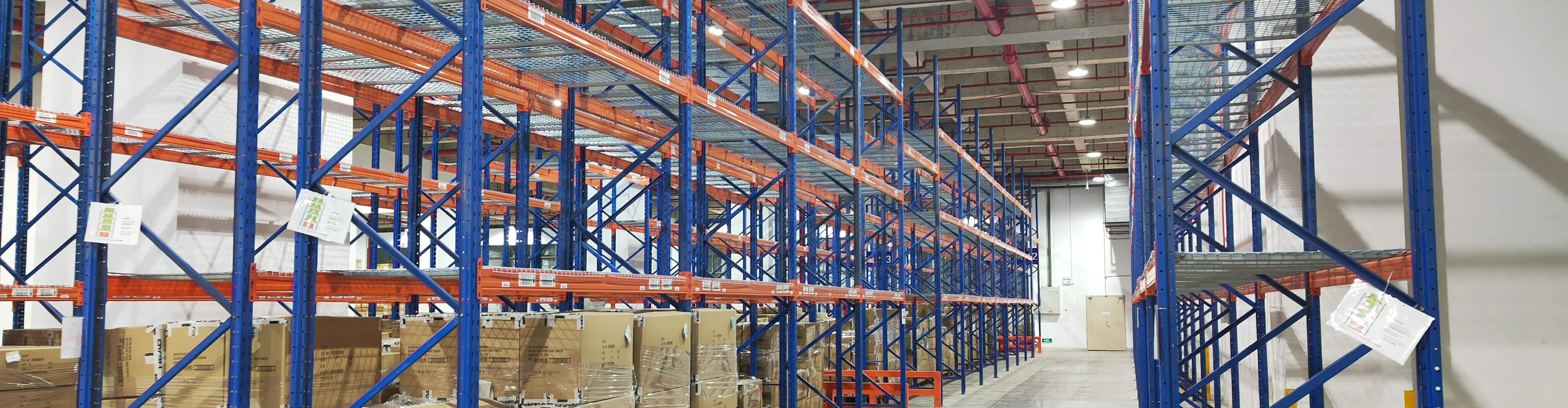
Installing heavy duty industrial shelving safely starts long before the first upright is lifted into place. The key steps are to confirm load requirements, check the floor condition, review the layout for access and clearance, follow the manufacturer’s assembly instructions, anchor the shelving correctly where required, and inspect the finished system before it is loaded. In a warehouse, stockroom, or production area, poor installation can lead to instability, damaged goods, blocked workflows, and avoidable safety risks.
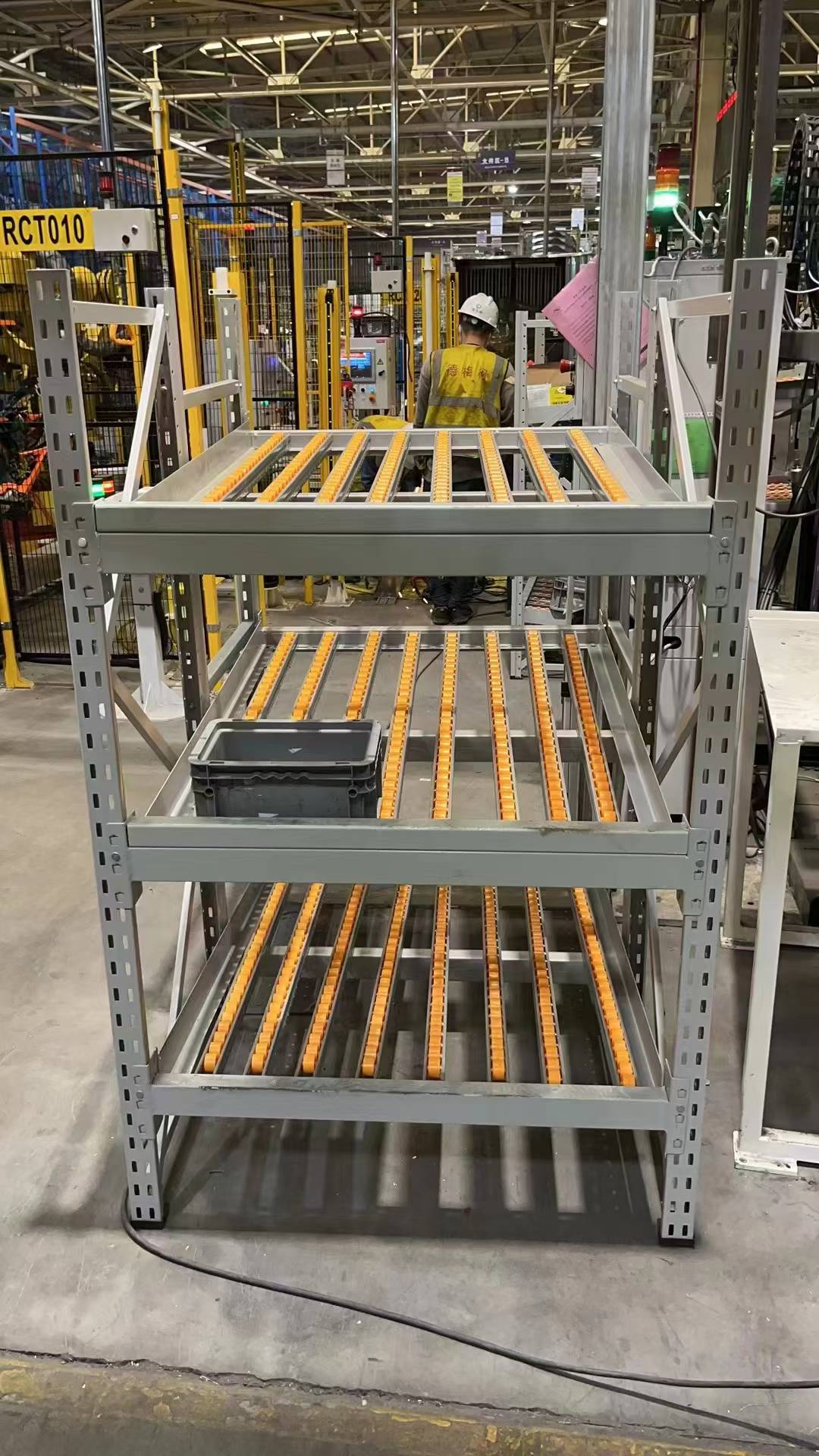
This guide explains how to install heavy duty industrial shelving in a practical, step-by-step way for warehouse managers, facilities teams, and project planners. It also covers common installation mistakes, safety checks, and planning points that affect long-term performance.
Why safe installation matters for heavy duty industrial shelving
Heavy duty industrial shelving is designed to carry substantial loads, but safe performance depends on correct installation as much as product design. Even a well-made system can become unsafe if it is installed on an uneven floor, assembled out of sequence, overloaded, or used in an area with poor aisle clearance.
In real warehouse operations, shelving is rarely isolated from the rest of the workflow. Forklift movement, manual picking, replenishment traffic, pallet staging, and maintenance access all affect how the system should be installed. A shelving run that looks acceptable on paper may create problems if it narrows aisles, blocks fire exits, or leaves no safe room for handling long or bulky items.
Step 1: Confirm the storage application before installation
Before installing heavy duty industrial shelving, define exactly what the shelving will store and how the area will operate. This is the point where many avoidable mistakes begin.
Questions to answer first
- What products will be stored on each shelf level?
- What is the expected load per shelf and per bay?
- Will items be hand-loaded, trolley-loaded, or supported by lifting equipment?
- How many SKUs will be stored, and how often will they be picked?
- Does the shelving need open access from one side or both sides?
- Will the installation area need future expansion or reconfiguration?
For example, shelving used for small parts picking has different practical requirements than shelving used for heavy cartons, dies, tools, or maintenance inventory. If the stock profile is likely to change, that should be considered before installation rather than after the layout is fixed.
Step 2: Assess the installation site
The condition of the site has a direct impact on the safety of heavy duty industrial shelving. A strong shelving system can still perform poorly if the floor, space, or surrounding workflow is unsuitable.
Check the floor condition
The floor should be level, structurally suitable for the intended load, and free from major cracks, spalling, or surface damage in the installation area. Uneven floors can affect frame alignment and load distribution. If shimming or leveling is needed, it should be handled correctly and in line with the system requirements.
If there is any uncertainty about floor load capacity or slab condition, that should be reviewed before installation proceeds. This is especially important where shelving will carry dense, heavy stock over a concentrated footprint.
Review ceiling height and overhead obstructions
Measure clear height carefully. Lighting, sprinklers, ducting, cable trays, doors, and structural beams can all affect the usable height of heavy duty industrial shelving. It is not enough to know the nominal ceiling height. The actual installation zone must be checked for the lowest obstruction and for safe loading clearance.
Protect access and workflow
Plan aisle width around how the shelving will be used, not just how tightly it can fit. Manual picking areas need enough room for safe movement, order carts, and replenishment. Areas with forklifts or pallet trucks need wider, protected access routes. If shelving is installed too close to traffic lanes, it is more exposed to impact damage and operators are more likely to work unsafely around it.
Step 3: Review the layout and load plan
Every installation of heavy duty industrial shelving should be based on a clear layout and load plan. This does not need to be complicated, but it does need to be specific.
Include these layout details
- Bay widths and frame depths
- Number of shelf levels
- Clear distances between shelves
- Aisle widths
- Wall clearance and access points
- Position of columns, doors, and services
- Safe loading zones and pedestrian routes
The load plan should identify the intended load per level and total load per bay. Do not assume all levels can take the same weight unless that is clearly specified for the system configuration being installed. Lower levels may also experience more impact risk from handling equipment, so practical protection should be considered during planning.
Step 4: Prepare tools, equipment, and the installation team
Safe installation depends on using the right tools and having competent people on the job. Heavy duty industrial shelving components can be awkward, long, and heavy, especially during frame erection and top-level assembly.
Typical preparation points
- Check that all components match the layout and packing list
- Separate frames, beams, shelves, bracing, fixings, and anchors by type
- Use appropriate lifting aids for larger or heavier parts
- Keep the installation zone clear of unrelated traffic and stock
- Make sure installers have the right PPE for the environment
- Confirm the assembly sequence before work starts
Do not start assembling mixed or unidentified parts on the floor and try to resolve fit issues later. That usually leads to wasted time, wrong connections, and unsafe improvisation.
Step 5: Inspect components before assembly
Before installing heavy duty industrial shelving, inspect all components for visible damage, deformation, missing fixings, or finish defects that may indicate transport damage or handling problems.
Pay close attention to uprights, bracing members, beams, shelf panels, base plates, and connectors. If a structural component is bent or damaged, it should not be forced into place just to keep the project moving. Installation teams sometimes do this to avoid delays, but it creates long-term risk and can affect alignment across the full run.
Step 6: Assemble frames correctly and keep them plumb
The frame is the core support structure of heavy duty industrial shelving. During assembly, frames should be erected square, plumb, and stable before additional levels are added.
Good frame installation practice
- Assemble on a clean, flat area where possible
- Follow the specified bracing pattern and fixing positions
- Do not substitute bolts, clips, or connectors with unmatched parts
- Check vertical alignment as frames are erected
- Stabilize partially assembled sections before leaving them unattended
Rushing through frame assembly often causes problems later when beams do not sit evenly or shelf levels become difficult to align. It is faster in the long run to correct plumb and spacing early than to rebuild completed bays.
Step 7: Install beams and shelf levels in sequence
Once frames are standing securely, install beams and shelf levels according to the planned configuration. With heavy duty industrial shelving, level spacing should reflect the actual stock profile rather than a visually even pattern. Wasted vertical space reduces storage efficiency, while overly tight spacing makes loading difficult and increases the risk of product damage.
Practical advice during this stage
- Start with lower levels to improve stability during assembly
- Confirm beam engagement and locking features are fully seated
- Measure level heights consistently across the run
- Check shelf supports and decking are fitted correctly
- Avoid standing on incomplete or unsecured shelf levels
If the shelving will store mixed carton sizes, reserve enough vertical clearance for the tallest realistic load, not just the average item. Otherwise teams often begin overhanging cartons, double-stacking stock, or placing heavier goods on unsuitable levels.
Step 8: Anchor the shelving where required
Many installations of heavy duty industrial shelving require anchoring to the floor, particularly where the system is tall, heavily loaded, exposed to impact risk, or configured as a continuous run. Anchoring requirements depend on the shelving design, height-to-depth ratio, floor condition, and intended use.
Anchors should be installed in the correct positions using suitable fixings for the slab type and site conditions. Anchoring is not an area for guesswork. If the system documentation specifies anchoring, it should be treated as part of the installation, not as an optional finishing step.
Do not load shelving that is intended to be anchored until anchoring is completed and checked. A shelving bay may feel stable when empty but behave very differently once loaded unevenly or used in a busy working aisle.
Step 9: Check spacing, alignment, and clearances
Before the installation is signed off, inspect the full run of heavy duty industrial shelving for alignment and safe clearance.
Key points to verify
- Frames are plumb and bays are aligned
- All beams and shelves are level
- Anchors and fixings are installed where required
- Aisles remain clear and usable
- No shelf edges obstruct doors, exits, or equipment routes
- There is adequate clearance for picking, replenishment, and cleaning
This is also the right stage to confirm whether end-of-aisle protection, upright guards, or other protective measures are needed. In areas exposed to pallet trucks or forklifts, physical protection can be a sensible addition even if the shelving itself is not a pallet racking system.
Step 10: Label load limits and train users
Installing heavy duty industrial shelving safely does not end when the hardware is assembled. Users need to understand how the system should be loaded and what limits apply.
Load notices should be visible and easy to understand. Teams should know:
- Maximum load per shelf level
- Maximum load per bay
- Whether loads must be evenly distributed
- Which items belong on lower or upper levels
- What to do if damage or looseness is found
Without this step, even a correctly installed system can quickly become unsafe through misuse. Common problems include placing dense items on upper shelves, concentrating weight at the front edge, or using shelf levels as temporary access platforms.
Common installation mistakes to avoid
Most problems with heavy duty industrial shelving come from a few repeated errors rather than unusual technical failures.
- Ignoring floor condition: uneven slabs can cause instability and poor load distribution.
- Using the wrong layout: bays may fit physically but disrupt picking routes or replenishment access.
- Mixing incompatible components: different systems or series should not be combined unless confirmed as compatible.
- Skipping anchors: this is a frequent shortcut that creates avoidable risk.
- Incorrect beam engagement: partially seated beams can fail under load.
- No load signage: users cannot follow limits they do not know.
- Loading before final inspection: defects are harder to correct once stock is in place.
Operational considerations after installation
Once heavy duty industrial shelving is in use, regular checks should become part of site housekeeping and safety routines. Shelving in active warehouse environments is exposed to impact, overloading, vibration, and gradual loosening over time.
What to monitor
- Loose anchors or fixings
- Damaged uprights, braces, or beams
- Sagging shelf levels
- Corrosion in damp or aggressive environments
- Stock overhang and uneven loading
- Blocked aisles and poor housekeeping around the base
If the stock profile changes significantly, review whether the original heavy duty industrial shelving configuration still suits the operation. A system installed for carton picking may not remain appropriate if the area shifts toward denser items, bulk replenishment, or frequent handling equipment contact.
When heavy duty industrial shelving may not be the right solution
Heavy duty industrial shelving is practical for many hand-loaded and medium-to-heavy item storage applications, but it is not ideal for every warehouse task. If the operation is mainly full-pallet storage handled by forklifts, pallet racking may be more suitable. If the inventory is very small-item intensive, bin shelving or specialized picking systems may improve efficiency. If stock is long, awkward, or oversized, cantilever or custom storage may be a better fit.
Safe installation also means recognizing when the selected system does not match the handling method or product type. Forcing one storage format to do every job usually creates safety and productivity issues later.
Final takeaway
To install heavy duty industrial shelving safely, start with the storage application, verify the floor and layout, assemble the structure accurately, anchor it where required, and inspect it before loading. The safest installations are not just mechanically correct. They also fit the real workflow, loading pattern, aisle use, and maintenance conditions of the site.
If you treat heavy duty industrial shelving as part of the wider warehouse operation rather than as standalone furniture, you are more likely to achieve a stable, usable, and durable storage system.
FAQ
Do all heavy duty industrial shelving systems need to be anchored?
Not all systems have the same requirements, but many installations do require anchoring based on height, load, layout, and site conditions. Always check the product documentation and installation guidance for the specific system.
Can heavy duty industrial shelving be installed on an uneven floor?
It may be possible to correct minor unevenness with proper leveling methods, but the floor condition should be assessed before installation. Do not ignore uneven slabs, as they can affect stability and alignment.
How much clearance should be left between shelving and walls?
The right clearance depends on access needs, cleaning, fire safety, and how the shelving will be loaded. Leave enough space for safe use and maintenance rather than pushing shelving tightly against walls by default.
What is the most common safety mistake after installation?
One of the most common issues is misuse after handover, especially overloading shelf levels, storing the wrong product type, or failing to report impact damage and loose fixings.