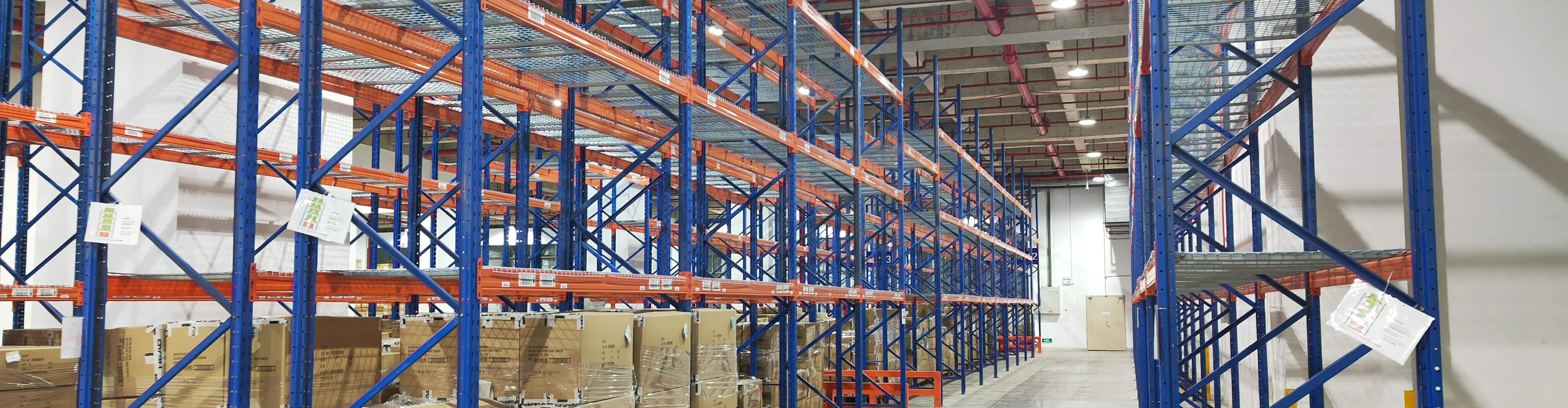
Heavy duty industrial shelving lasts longer when it is inspected regularly, loaded correctly, kept clean, protected from impact, and repaired quickly when damage appears. In most warehouses, shelving does not fail because of age alone. Problems usually come from forklift contact, overloading, corrosion, loose fixings, poor housekeeping, or small defects that were ignored until they became larger safety and operational issues.
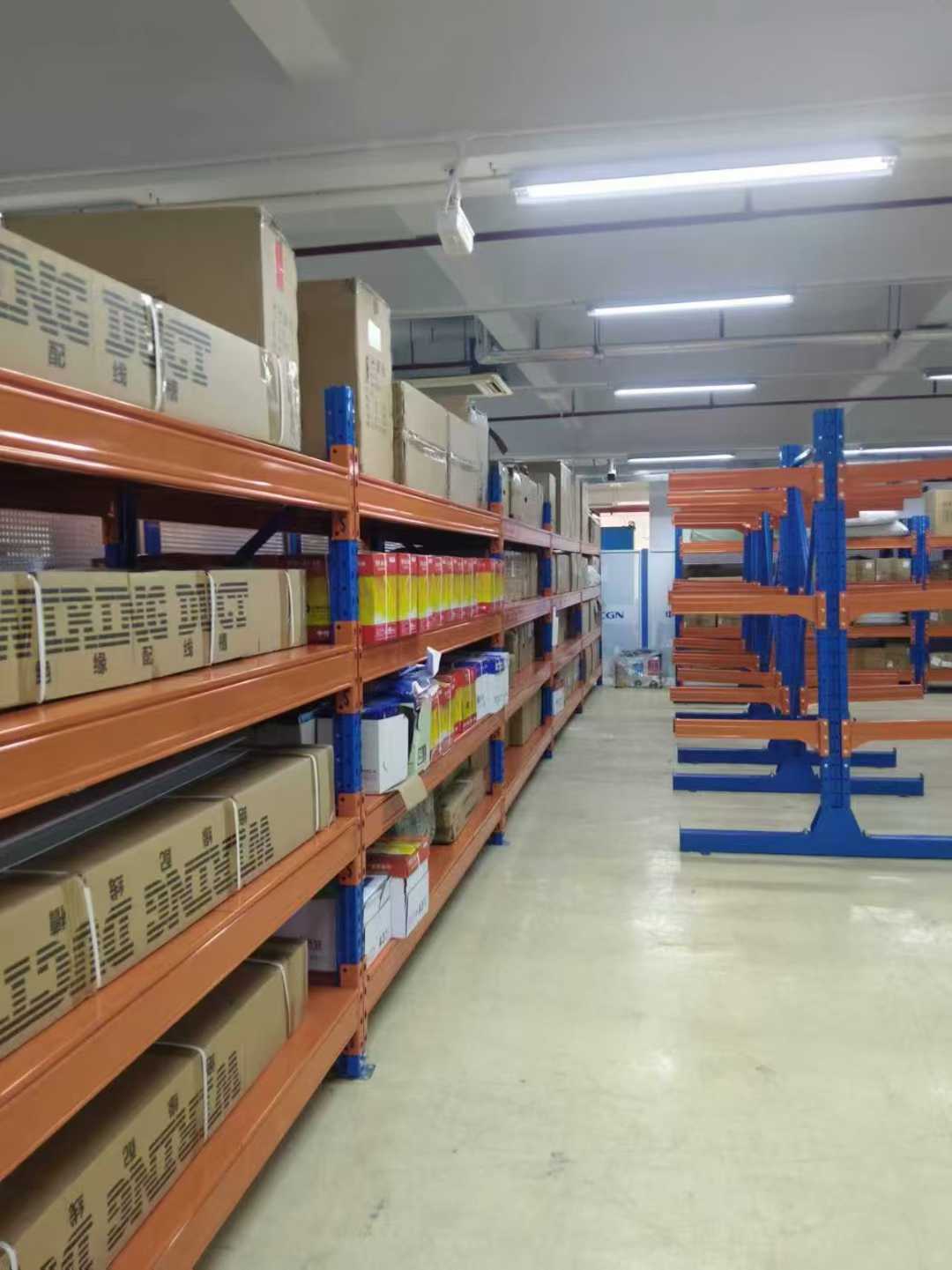
If you rely on heavy duty industrial shelving for cartons, components, archive boxes, tooling, spare parts, or mixed warehouse stock, maintenance should be treated as part of daily operations rather than an occasional check. A simple routine helps protect inventory, reduce downtime, support safer picking, and delay expensive replacement.
Why maintenance matters for heavy duty industrial shelving
Heavy duty industrial shelving is designed for demanding warehouse and industrial use, but that does not make it maintenance-free. Shelving is exposed to repeated loading cycles, manual picking, trolley contact, pallet handling nearby, dust, moisture, and changing stock profiles. Over time, these conditions can affect stability, levelness, and load performance.
Good maintenance is not only about preserving the steel structure. It also helps warehouse managers control risk in day-to-day operations. A bent upright, missing shelf clip, or overloaded bay can create a local problem that affects access, picking speed, and staff safety long before it becomes obvious to everyone on site.
For businesses planning long-term use, maintenance also supports better asset life. Replacing isolated damaged parts is usually more manageable than dealing with widespread deterioration across an entire shelving area.
Start with the original loading rules
The first maintenance step for heavy duty industrial shelving is making sure the system is being used as intended. Many shelving problems begin with changes in stock or workflow rather than defects in the structure itself.
Check load limits and load distribution
Each shelving bay and shelf level should be used within its intended load capacity. Even if staff are familiar with the system, stock profiles often change over time. What started as storage for light cartons may later become storage for denser items, metal components, liquid containers, or packed archive material. That change can push shelf loads beyond what the system was arranged to handle.
- Confirm that shelf loads are not exceeding the intended limit.
- Check whether loads are evenly distributed across the shelf.
- Review whether heavy items are being placed on appropriate lower levels.
- Make sure staff are not creating point loads by stacking dense items in one small area.
If your operation has expanded, introduced new SKUs, or changed picking methods, review whether the existing heavy duty industrial shelving still matches the current application.
Keep loading labels visible
Where load notices or bay identification labels are used, they should remain readable and in the correct position. Missing or damaged labels increase the chance of misuse, especially in larger facilities with multiple shelving types.
Set up a practical inspection routine
A long service life depends on frequent visual checks and more structured periodic inspections. The right frequency depends on traffic levels, stock weight, and how close shelving is to forklifts, pallet trucks, workstations, or production activity.
Daily or weekly visual checks
Frontline supervisors or warehouse team leaders can usually handle routine visual reviews during normal operations. These checks do not need to be complicated, but they should be consistent.
- Look for bent uprights, twisted frames, or leaning bays.
- Check for dislodged shelves, missing clips, or loose bracing.
- Watch for damaged base areas where impact commonly occurs.
- Identify shelves that appear overloaded or badly sagging.
- Check for inventory protruding into aisles or access routes.
- Look for water exposure, rust spots, or surface coating damage.
In busy picking areas, it is often the lower sections of heavy duty industrial shelving that show the first signs of damage, especially where trolleys, ladders, cages, or pallet handling equipment pass close by.
Formal periodic inspections
In addition to routine checks, schedule more structured inspections at planned intervals. These reviews should look at the shelving row by row and bay by bay, with findings recorded clearly. This helps maintenance teams track recurring damage, identify misuse patterns, and decide whether local repairs or broader layout changes are needed.
A formal inspection should cover structural condition, anchors or fixings where relevant, shelf seating, frame alignment, visible corrosion, and signs of repeated impact. It should also review whether the shelving layout still supports safe access and efficient replenishment.
Focus on the most common damage points
Not every part of heavy duty industrial shelving experiences the same wear. Some areas are much more likely to develop problems in real warehouse use.
Uprights and frame legs
Uprights are critical because they transfer load to the floor. Damage near the base is especially important, since this is where impact from handling equipment often occurs. A small bend at floor level may seem minor, but it can affect the overall stability of the bay.
Pay close attention to:
- Dents, bowing, or twisting in the upright profile
- Damage near footplates or base connections
- Signs that the frame is no longer plumb
- Repeated contact marks from pallet trucks or forklifts
Shelves, beams, and connectors
Depending on the shelving design, shelf panels, support beams, clips, and connectors can loosen or deform over time. This is common where shelves are frequently adjusted or where stock is dropped onto levels during replenishment.
- Check for bent shelf levels or visible deflection.
- Make sure clips, bolts, or locking components are present and secure.
- Look for cracked weld areas or distorted connection points.
- Confirm that replacement parts match the original system design.
Mixing incompatible parts from different shelving systems can create hidden load and fitment problems, even if the components appear similar.
Anchors and floor interface
Where the shelving system is fixed to the floor, inspect anchors and base connections for looseness, movement, or damage. Floor condition matters as much as the shelving itself. Cracked concrete, uneven slabs, or local settlement can affect alignment and load transfer.
If bays appear to rock, lean, or shift under normal use, the issue may involve both the shelving and the floor condition. This should not be ignored.
Protect heavy duty industrial shelving from impact
Impact damage is one of the most common reasons industrial storage systems need repair. Even if your shelving is mainly for hand-loaded goods, it may still sit near forklift routes, replenishment zones, or pallet staging areas.
Use layout and traffic control to reduce contact
Maintenance is easier when the layout reduces accidental strikes in the first place. In many warehouses, damage patterns reflect poor traffic planning rather than weak equipment.
- Keep forklift routes clearly separated from shelving used for manual picking where possible.
- Maintain adequate aisle width for the equipment in use.
- Avoid placing heavy duty industrial shelving too close to turning points or pallet drop zones.
- Mark pedestrian and equipment paths clearly.
- Review congested corners where drivers may clip bay ends.
Install suitable protection where needed
End-of-row protection, barriers, or column guards may be worthwhile in high-traffic areas. These are particularly useful where shelving sits next to pallet racking, loading areas, packing stations, or production support zones. Protection should fit the actual risk level, not be added randomly.
If impact happens repeatedly in the same location, the right response may be a layout change, not just another repair.
Keep the shelving clean and dry
Housekeeping has a direct effect on the service life of heavy duty industrial shelving. Dirt, packaging debris, spilled liquids, and trapped dust can hide damage, obstruct inspections, and contribute to corrosion or unsafe picking conditions.
Cleaning priorities
- Remove loose debris from shelf levels and base areas.
- Clean spills quickly, especially chemicals, oils, or moisture-retaining materials.
- Prevent dust build-up in low-visibility storage zones.
- Keep aisles clear so staff can inspect and access bays safely.
In humid environments, food-related operations, washdown zones, or facilities with temperature variation, moisture control becomes even more important. Surface rust should be investigated early. A small corroded area may be manageable, but widespread corrosion can reduce confidence in long-term structural condition and may indicate an unsuitable environment for the existing finish.
Train staff to spot misuse early
Warehouse maintenance is not only a maintenance department task. Operators, pickers, replenishment teams, and supervisors are usually the first people to notice when heavy duty industrial shelving is being used incorrectly or starting to deteriorate.
Basic training should cover:
- How to recognize visible damage
- Why load limits matter
- How to report impact incidents immediately
- Why missing clips or loose components should not be ignored
- How poor stacking can overload one part of a shelf
- Why damaged bays should not stay in service without review
This does not require turning warehouse staff into engineers. It means giving them enough awareness to identify obvious problems before those problems affect safety or operations.
Manage repairs properly
One common mistake is leaving minor damage in place because the shelving still appears usable. Another is carrying out makeshift repairs with unsuitable parts or workshop modifications. Neither approach is good for long-term reliability.
When to take action
Take prompt action if you find:
- Deformed uprights or frame members
- Loose or missing structural components
- Shelves that no longer sit correctly
- Repeated movement at the base
- Visible cracking, severe corrosion, or instability
If there is any doubt about whether a bay should remain in service, isolate it from use until it can be properly assessed. In active warehouses, temporary continued use often becomes permanent neglect unless someone clearly takes ownership.
Use correct replacement components
Repairs should use compatible parts designed for the specific shelving system. Substituting near-matching parts can create fit, alignment, and load issues that are not obvious during installation. Keep a record of the original shelving type, bay configuration, and commonly replaced components so future maintenance is faster and more accurate.
Review operational changes that increase wear
Heavy duty industrial shelving may have been suitable when first installed, but warehouse operations rarely stay fixed. If maintenance problems are increasing, the root cause may be operational rather than structural.
Ask practical questions such as:
- Has stock become heavier or denser?
- Are staff using the shelving for a different picking method than originally planned?
- Has forklift traffic increased near shelving rows?
- Are aisle widths now too tight for current handling equipment?
- Has the facility added more SKUs, causing overfilled shelves and poor stock rotation?
- Are teams storing items on top levels that are difficult to place safely?
Sometimes the best long-term maintenance decision is to reconfigure the storage layout, redistribute loads, or move certain inventory types to a more suitable system.
Create a simple maintenance checklist for heavy duty industrial shelving
A practical checklist helps standardize inspections and makes it easier to compare conditions over time. For most facilities, the checklist should be short enough to use consistently.
Suggested checklist points
- Are all bays upright, level, and stable?
- Are shelf levels straight and seated correctly?
- Are load labels present and readable?
- Are any uprights bent, dented, or impacted?
- Are clips, bolts, and connectors present and secure?
- Are anchors or base fixings intact where applicable?
- Is there any rust, coating failure, or moisture exposure?
- Are aisles clear and housekeeping acceptable?
- Is stock stacked evenly without overloading?
- Have recent impact incidents been reported and reviewed?
Documenting these checks helps identify whether one area of the warehouse is consistently causing damage. That can support better budgeting, training, and layout decisions.
When replacement may be more sensible than repeated repair
Maintenance can extend service life significantly, but not indefinitely. If heavy duty industrial shelving has widespread damage, persistent corrosion, missing system compatibility, or no longer suits the stock profile, repeated patch repairs may not be the most practical option.
Replacement may be worth considering when:
- Damage is recurring across multiple bays
- Spare parts are difficult to source reliably
- The current layout restricts access and creates repeated impacts
- Load requirements have changed beyond the original use case
- The system no longer supports efficient replenishment or picking
In these cases, maintenance records are still valuable because they show whether the problem is isolated wear or a broader mismatch between the storage system and current warehouse operations.
Conclusion
Maintaining heavy duty industrial shelving for long-term use comes down to disciplined basics: correct loading, routine inspections, fast response to damage, good housekeeping, and practical protection against impact. The shelving itself matters, but the surrounding operation matters just as much. A well-designed system can still deteriorate quickly if aisles are too tight, stock is too heavy, or small defects are left unaddressed.
For most warehouses, the best approach is simple: inspect often, record issues clearly, repair with the right parts, and review whether the shelving is still suitable for the way the site actually works. That approach helps heavy duty industrial shelving stay safe, usable, and commercially worthwhile over the long term.
FAQ
How often should heavy duty industrial shelving be inspected?
Visual checks should be part of regular warehouse routines, often daily or weekly depending on traffic and load conditions. More structured periodic inspections should also be scheduled and documented.
What is the most common cause of damage to heavy duty industrial shelving?
Impact at the base of uprights is very common, especially where forklifts, pallet trucks, trolleys, or replenishment activity operate close to shelving rows.
Can damaged shelving still be used temporarily?
If structural damage, instability, or missing components are found, the safer approach is to isolate the affected bay until it can be properly reviewed. Temporary use can allow a small issue to become a larger one.
Does housekeeping really affect shelving life?
Yes. Clean, dry shelving is easier to inspect, less likely to corrode, and safer for staff to access. Debris and spills also increase the chance of hidden damage and poor loading practices.