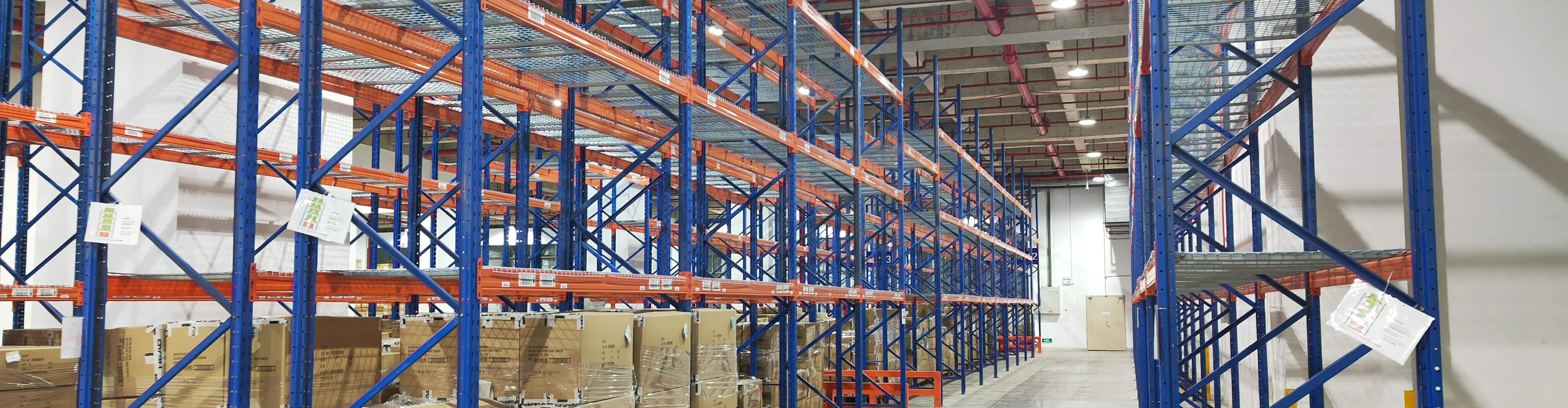
The cost of heavy duty industrial warehouse racking can vary widely because the price is driven less by a single product and more by the full storage plan. In practical terms, buyers usually see costs change based on load capacity, rack height, beam length, number of pallet positions, warehouse layout, floor condition, installation scope, and whether accessories such as column guards, mesh decking, or row spacers are required.
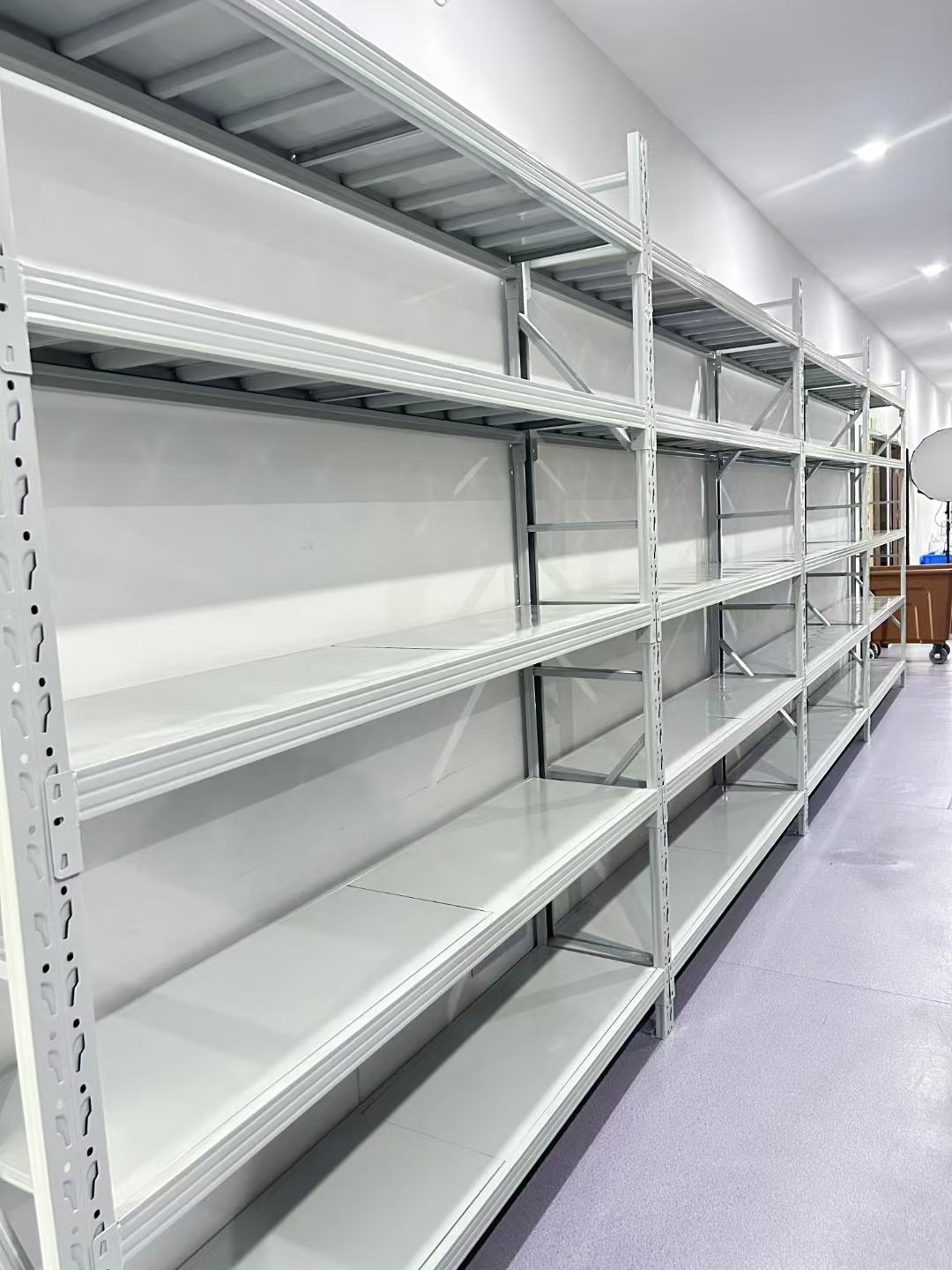
If you are budgeting for heavy duty industrial warehouse racking, the most useful approach is to think in cost layers: the rack structure itself, layout and engineering requirements, installation, site preparation, and long-term operating considerations. Looking only at the unit price of frames and beams often leads to underbudgeting.
What determines the cost of heavy duty industrial warehouse racking?
Heavy duty industrial warehouse racking is not a one-price item. Even similar-looking systems can have very different costs depending on how they will be used in the warehouse.
1. Load capacity per pallet position
Higher load requirements generally mean heavier uprights, thicker beams, and stronger connectors. A rack designed for light pallet loads will not be priced the same as a system intended for dense industrial goods, machinery parts, building materials, or other heavy inventory.
When buyers compare quotations, one of the most common mistakes is assuming all pallet positions are equivalent. A lower quote may reflect a lighter-duty design, fewer levels, or narrower bays rather than a like-for-like saving.
2. Rack height and building clear height
Taller systems usually cost more because they require larger uprights, additional bracing, and more careful installation tolerances. They may also affect forklift selection, aisle planning, and safety accessories. In many warehouses, going higher improves storage density, but it also raises system and operating costs.
Clear height matters just as much as nominal rack height. Sprinklers, lighting, ducts, and roof structure can all limit usable vertical space. A layout that looks efficient on paper may lose pallet positions once these obstacles are considered.
3. Number of levels and pallet positions
More beam levels increase storage capacity, but they also increase material cost and installation time. The overall cost of heavy duty industrial warehouse racking often scales with the total number of pallet positions, though not in a perfectly linear way. Larger projects may improve cost efficiency per pallet position, while small or irregular layouts may be less economical.
4. Upright depth, bay length, and aisle configuration
Rack dimensions have a direct effect on both steel consumption and warehouse efficiency. Deeper frames, longer beams, and wider aisles can all change the final budget. A layout designed around standard pallet sizes and realistic forklift turning clearances is usually more cost-effective than one forced into awkward dimensions.
For example, a narrow aisle design may increase storage density but also introduce additional costs for specialized handling equipment, guidance systems, or tighter installation tolerances. A wide aisle layout may reduce rack complexity but consume more floor area.
5. Type of racking system
Not all heavy duty industrial warehouse racking is selective pallet racking. Cost changes significantly depending on the system type:
- Selective pallet racking: usually the most straightforward and widely specified option for direct access to each pallet.
- Drive-in or drive-through racking: often used for higher density storage, but it requires more structural protection and tighter operating discipline.
- Double deep racking: increases density but may require suitable reach trucks and careful stock rotation planning.
- Push back or pallet flow systems: typically involve higher equipment costs due to their dynamic components.
- Cantilever racking: used for long or awkward loads and priced differently from standard pallet racks.
The right question is not only “How much does racking cost?” but also “Which rack type supports the inventory profile and workflow without creating hidden operating costs?”
Cost components buyers often overlook
When budgeting for heavy duty industrial warehouse racking, buyers often focus on the steel structure and miss several necessary cost items.
Installation and labor
Installation can be a meaningful part of the total project cost, especially for tall systems, large layouts, or sites with restricted access. Night work, phased installation, and operating around live warehouse activity can all increase labor requirements.
Anchors, shims, and floor correction
Warehouse floors are not always level enough for efficient racking installation. If the floor has significant variation, additional shimming and alignment work may be required. In some cases, floor repairs or localized reinforcement may need to be reviewed before installation.
Rack protection and safety accessories
End-of-aisle guards, upright protectors, guide rails, wire mesh decking, pallet supports, anti-collapse mesh, and load signage all add cost. These items are sometimes treated as optional during early budgeting, but in many operations they are sensible and sometimes necessary for safe day-to-day use.
Delivery and site logistics
Freight costs, unloading arrangements, staging space, and installation access can affect the final price. Sites with limited unloading space or difficult vehicle access may see higher handling costs.
Design, layout, and engineering review
Complex projects may require more detailed layout planning and technical review. This is particularly relevant when the warehouse has unusual load requirements, seismic considerations, limited floor capacity, or integration with mezzanines, conveyors, or picking areas.
How warehouse conditions affect heavy duty industrial warehouse racking cost
The same quantity of heavy duty industrial warehouse racking can cost more in one facility than another because the building itself changes the installation method and system design.
Ceiling height and obstructions
Columns, doors, dock areas, fire protection systems, and low-hanging services can reduce layout efficiency. This may force shorter runs, more aisles, or custom bay spacing, all of which affect cost per pallet position.
Forklift type and aisle width
Aisle width is a major commercial factor. Counterbalance forklifts generally require wider aisles than reach trucks or turret trucks. If the business wants to maximize pallet positions in a limited footprint, switching handling equipment may improve density, but it can also change the total investment beyond the racking itself.
Floor loading and slab condition
Heavy pallet loads and tall racks place more demand on the floor slab. If floor capacity is uncertain, this should be checked early. Ignoring floor condition during planning can delay the project and add unplanned cost later.
Operational intensity
High-throughput warehouses often need more rack protection, clearer traffic separation, and layouts that prioritize forklift speed and visibility. A lower-cost design may not stay lower-cost if it leads to more impact damage, slower replenishment, or poor picking flow.
New vs used heavy duty industrial warehouse racking
Some buyers consider used heavy duty industrial warehouse racking to reduce upfront cost. This can work in some situations, but it needs careful evaluation.
When used racking may help
- Budget is tight and the layout can accept available sizes.
- The project is temporary or for lower-risk overflow storage.
- The buyer can verify component compatibility, condition, and load suitability.
When used racking can create problems
- Available sizes do not fit the warehouse efficiently.
- Mixed brands or incompatible parts complicate installation and future expansion.
- Damage, corrosion, missing locks, or undocumented load ratings create risk.
- Refurbishment, repainting, sorting, and replacement parts reduce the apparent savings.
Used equipment may lower purchase cost, but it is not automatically the lower total project cost. For many growing operations, new heavy duty industrial warehouse racking offers better consistency, expansion planning, and documentation.
How to estimate cost in a practical way
If you need a realistic budget before requesting final quotations, break the project into decision steps.
Step 1: Define the load clearly
Record pallet dimensions, maximum pallet weight, pallet type, and whether loads overhang. Small differences here can change beam length, frame depth, and level spacing.
Step 2: Confirm storage objectives
Decide whether the priority is direct access, high density, faster picking, bulk reserve storage, or a mix of functions. A reserve pallet area and a picking area may require different rack arrangements.
Step 3: Measure the building accurately
Include clear height, column grid, door positions, dock areas, fire exits, charging areas, and obstructions. A rough sketch is not enough for reliable budgeting.
Step 4: Match the layout to forklift reality
Do not price heavy duty industrial warehouse racking in isolation from the material handling method. Forklift turning radius, lift height, operator visibility, and traffic flow all affect aisle planning and system suitability.
Step 5: Add non-rack costs
Include installation, protection accessories, signage, freight, and any floor-related work. This gives a more realistic project figure than a steel-only estimate.
Step 6: Allow for future expansion
If the operation is likely to grow, ask whether the initial design can be extended with matching frames and beams later. The cheapest first phase is not always the most economical long-term solution.
Common mistakes that distort racking budgets
Many cost overruns happen because the early assumptions were incomplete rather than because the racking price changed unexpectedly.
- Comparing quotes without checking load ratings: lower price may mean lighter-duty components.
- Ignoring forklift requirements: a dense layout is not useful if trucks cannot operate safely and efficiently.
- Underestimating accessories: protection and decking are often excluded from early pricing.
- Using pallet dimensions that do not reflect real loads: actual pallets are often inconsistent in height or overhang.
- Planning to the roof instead of usable clear height: sprinkler and safety clearances matter.
- Buying only for current stock: future SKU mix and throughput can change the best rack configuration.
Is heavy duty industrial warehouse racking worth the cost?
For many warehouses, heavy duty industrial warehouse racking is worth the investment because it improves cube utilization, organizes pallet storage, and supports safer, more controlled stock handling. The value is strongest when the system is matched properly to inventory, forklift operations, and growth plans.
It may be less attractive if the business has highly irregular loads, very low pallet turnover, poor floor conditions, or a short-term lease that does not justify a full installation. In those cases, a simpler shelving, block stacking, or hybrid storage approach may be more sensible.
FAQ
What is the biggest factor affecting heavy duty industrial warehouse racking cost?
The biggest cost driver is usually the combination of load capacity, rack height, and layout density. These three factors influence the amount of steel required, installation complexity, and how efficiently the building can be used.
Is selective pallet racking usually the lowest-cost option?
Selective pallet racking is often one of the most straightforward and economical systems for direct pallet access, but it is not always the lowest total-cost solution if storage density is the main priority and floor space is expensive.
Should I choose used racking to save money?
Used racking can reduce upfront spend, but only if the components are suitable, compatible, and in acceptable condition. If the system needs significant sorting, replacement parts, or layout compromises, the savings can disappear quickly.
How should I request a meaningful quotation?
Provide pallet size and weight, desired number of pallet positions, clear building dimensions, forklift type, aisle preference, and any required accessories or protection. The clearer the input, the more accurate the quotation.
Conclusion
The cost of heavy duty industrial warehouse racking depends on much more than the price of frames and beams. A reliable budget needs to consider load requirements, rack height, aisle layout, forklift access, installation, safety accessories, and the practical limits of the building itself.
If you are comparing options, judge heavy duty industrial warehouse racking by cost per usable pallet position and by how well it supports daily operations, not just by the lowest initial quote. A system that fits the workflow, protects inventory, and leaves room for expansion usually delivers the better commercial result.