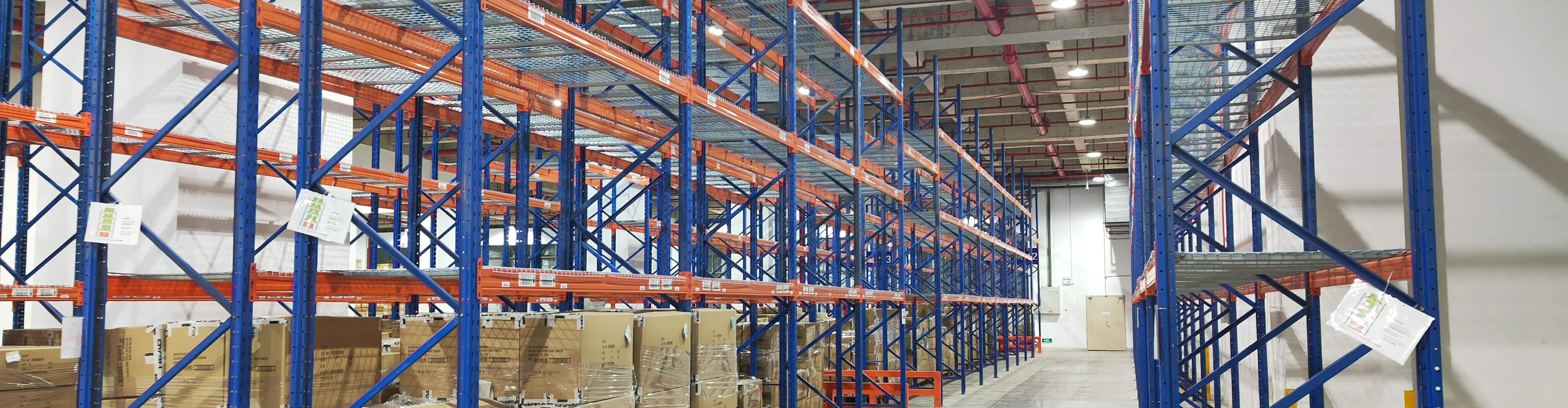
The short answer is that there is no single best heavy duty industrial warehouse racking system for every facility. The right choice depends on pallet type, SKU range, stock rotation, forklift access, ceiling height, floor condition, picking method, and how much selectivity versus storage density your operation actually needs. For many warehouses, selective pallet racking is the most practical starting point because it balances access, flexibility, and cost. But in higher-density operations, drive-in, push back, pallet flow, or cantilever systems may be more suitable.
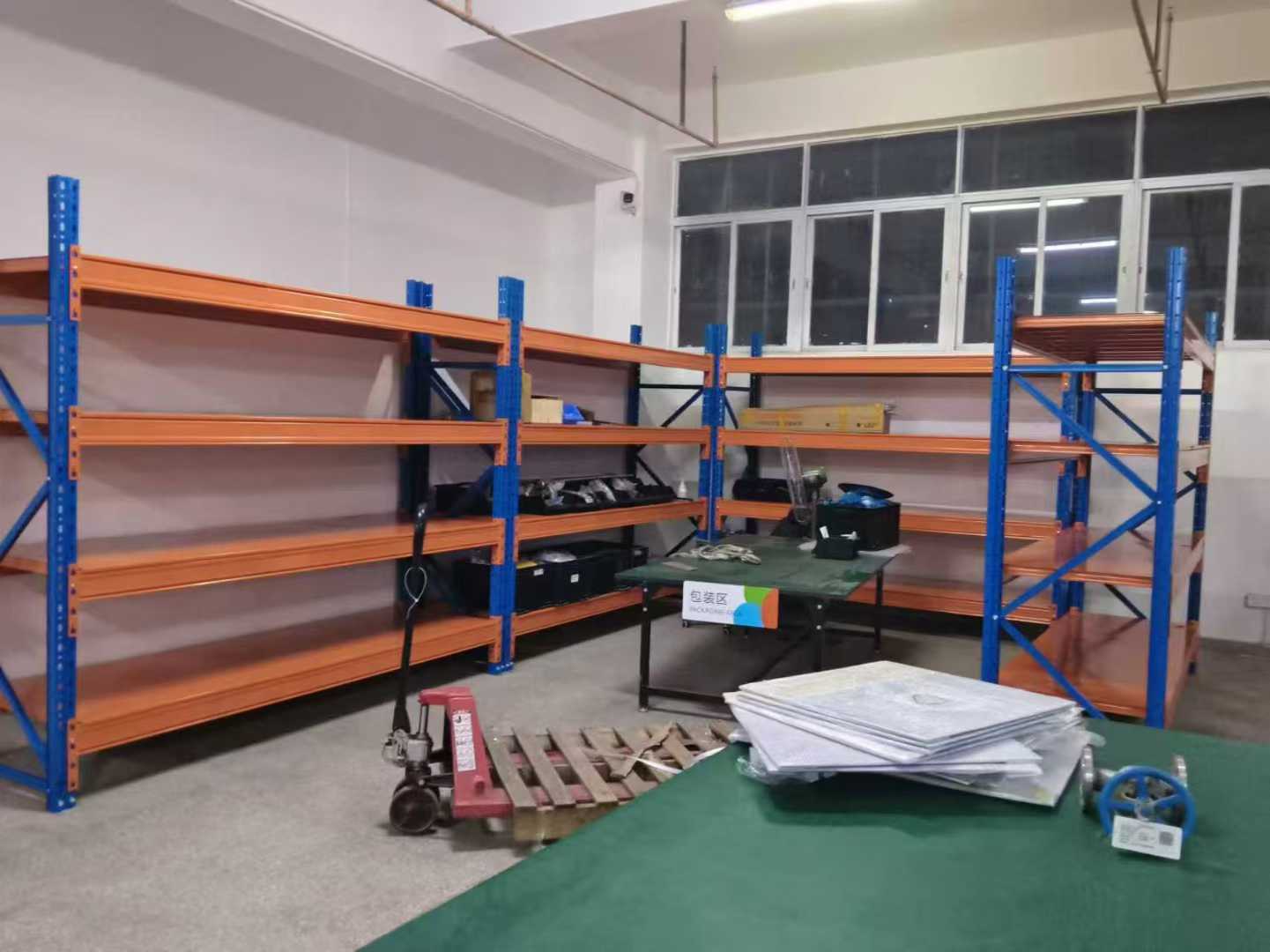
If you are evaluating heavy duty industrial warehouse racking, the main decision is not which system sounds strongest or most advanced. The real question is which layout supports your daily handling pattern safely and efficiently without creating bottlenecks, damaged stock, or wasted space.
How to define the best heavy duty industrial warehouse racking system
In warehouse planning, “best” usually means the system that gives the right balance of four things:
- Load capacity for your pallets, products, or long goods
- Accessibility for fast retrieval and stock rotation
- Space utilization across floor area and building height
- Operational fit with forklifts, labor flow, and replenishment methods
A system that stores more pallets is not automatically better if it slows down picking. A highly accessible system is not always better if it leaves too much empty aisle space. The most suitable heavy duty industrial warehouse racking setup is the one that matches your inventory profile and handling workflow with the fewest compromises.
Common types of heavy duty industrial warehouse racking
Selective pallet racking
Selective pallet racking is the most widely used form of heavy duty industrial warehouse racking. Each pallet position is directly accessible from the aisle, which makes it practical for warehouses with many SKUs and frequent order picking.
It is often the best option when:
- You need direct access to every pallet
- You manage a wide SKU mix
- Stock rotation matters
- You want a flexible layout that can be adjusted over time
Its main limitation is density. Because every bay needs aisle access, selective systems use more floor space than compact storage systems.
Drive-in and drive-through racking
Drive-in racking increases storage density by reducing the number of aisles. Forklifts enter the rack structure to place pallets on rails. This can work well for large volumes of similar products with limited SKU variation.
It is generally more suitable when:
- You store many pallets of the same item
- You can work with lower selectivity
- Space utilization is a higher priority than fast access
However, this type of heavy duty industrial warehouse racking requires careful forklift operation. It can be less suitable for fast-moving mixed inventory because access is slower and impact risk can be higher.
Push back racking
Push back racking stores pallets several positions deep on inclined carts or rails. Loading and unloading happen from the front aisle, which improves density without requiring forklifts to drive into the structure.
This system can be a good fit when:
- You want higher density than selective racking
- You store medium numbers of SKUs with multiple pallets per SKU
- You need faster operation than drive-in layouts
The trade-off is cost and lane management. Push back is efficient, but it needs disciplined pallet control and is not ideal if every SKU only has one or two pallets on hand.
Pallet flow racking
Pallet flow systems use gravity rollers so pallets move from the loading side to the picking side. This supports first-in, first-out rotation and can work well in food, beverage, or batch-controlled environments.
This form of heavy duty industrial warehouse racking is often chosen when:
- FIFO rotation is required
- You have high pallet throughput
- You can justify a more engineered, higher-density system
It is usually less attractive for low-volume or unpredictable stock profiles because the system is more specialized and planning errors can be costly.
Cantilever racking
Cantilever racking is designed for long, bulky, or awkward loads such as pipes, timber, bars, panels, or profiles. It is not a pallet racking substitute in the usual sense, but it is an important category of heavy duty industrial warehouse racking for operations handling non-palletized goods.
It works best when product length or shape makes conventional pallet storage inefficient or unsafe.
Very narrow aisle and high-bay racking
Some warehouses improve capacity by reducing aisle width and building upward. Very narrow aisle layouts can increase pallet positions without switching to deep-lane storage, but they require the right trucks, floor tolerances, and operating discipline.
This can be a strong option if:
- Building height is available
- Floor space is limited
- You still need relatively high selectivity
It may be less suitable if your operation uses standard forklifts, has inconsistent floor conditions, or needs flexible mixed-use aisles.
Which heavy duty industrial warehouse racking system is best for most warehouses?
For general warehousing, selective pallet racking is usually the most practical answer. It offers direct pallet access, supports varied inventory, works with common forklift types, and is easier to reconfigure as product lines change. If a warehouse manager asks for the safest default starting point for heavy duty industrial warehouse racking, selective racking is often where the conversation begins.
That said, it is not always the best final answer. If storage density is the main constraint and you hold multiple pallets of the same SKU, a compact system may outperform selective racking. If FIFO rotation is operationally critical, pallet flow may be worth the added complexity. If your goods are long and irregular, cantilever is the better fit by design.
Key factors to evaluate before choosing heavy duty industrial warehouse racking
1. Pallet characteristics and load consistency
Start with the load, not the rack. Pallet dimensions, weight, overhang, and stability affect beam length, bay configuration, and safe handling. Mixed pallet sizes can reduce usable capacity and create placement problems if the system is designed too tightly.
If loads vary significantly, the most efficient-looking heavy duty industrial warehouse racking layout on paper may become awkward in daily use.
2. SKU profile and inventory depth
A warehouse with thousands of SKUs and only one or two pallets per SKU needs selectivity. A warehouse with a small number of SKUs and deep stock levels can use denser storage. This is one of the most important decision points.
Many planning mistakes happen when businesses choose a high-density system without checking whether they actually have enough pallet depth per SKU to use it efficiently.
3. Stock rotation method
Do you need first-in, first-out or is last-in, first-out acceptable? This affects whether selective, drive-in, push back, or pallet flow makes sense. Rotation is not just a storage issue. It affects product age control, replenishment discipline, and picking accuracy.
4. Forklift type and aisle width
Your truck fleet determines what the rack layout can realistically support. Counterbalance forklifts need wider aisles than reach trucks. Very narrow aisle systems require specialized equipment and trained operation. Choosing heavy duty industrial warehouse racking without aligning aisle width to actual handling equipment can create immediate inefficiency.
5. Clear height and vertical utilization
Many warehouses focus on floor footprint while underusing available height. If the building has clear vertical space and the floor slab can support the load, increasing elevation may be more cost-effective than moving to a larger site. But higher systems also mean more dependence on proper truck selection, visibility, and maintenance access.
6. Floor condition and anchoring
Heavy-duty systems rely on stable floors, proper leveling, and secure anchoring. Uneven slabs, damaged concrete, or unverified load-bearing conditions can affect installation quality and long-term safety. This is especially important for taller layouts and narrow aisles.
7. Picking versus bulk storage
If the warehouse is mainly a reserve pallet store, dense systems can work well. If operators frequently break pallets and pick mixed orders, direct access often matters more than maximum pallet count. The right heavy duty industrial warehouse racking system should support the actual labor pattern, not just static storage calculations.
8. Future expansion and reconfiguration
Some businesses choose a highly optimized layout for current volumes, then struggle when product mix changes. A system with modular flexibility may be the better commercial choice if your SKU count, pallet type, or throughput is likely to change in the next few years.
When a high-density racking system is not the best choice
High-density storage can look attractive because it increases pallet positions, but it is not automatically the smartest investment. It may be a poor fit when:
- You have many SKUs with shallow stock depth
- You need immediate access to most pallets
- Your team handles frequent stock rotation changes
- Your forklift traffic is already congested
- Your operation depends on fast order picking rather than bulk storage
In these cases, forcing a dense heavy duty industrial warehouse racking design can reduce productivity even if nominal storage capacity improves.
Common mistakes buyers make
- Choosing by pallet count alone: More positions do not always mean better throughput.
- Ignoring forklift realities: Rack layouts fail when truck turning radius and lift height are not considered properly.
- Underestimating damage risk: Upright impact, beam displacement, and poor pallet quality are common operational issues.
- Using one system for all products: Mixed warehouses often need different storage zones, not one universal solution.
- Overlooking inspections and maintenance: Even well-designed heavy duty industrial warehouse racking needs routine checks for damage, anchors, load notices, and safe use.
Practical selection framework
If you are deciding which heavy duty industrial warehouse racking system to use, this simple framework helps narrow the options:
Choose selective pallet racking if:
- You need access to every pallet
- You handle many SKUs
- You want layout flexibility
- You need a practical general-purpose system
Choose drive-in racking if:
- You store large volumes of the same SKU
- Density matters more than selectivity
- Your team can manage careful forklift entry and lane discipline
Choose push back racking if:
- You want more density without drive-in operation
- You have several pallets per SKU
- You need quicker front-face loading and unloading
Choose pallet flow racking if:
- FIFO is required
- You have high throughput and repeated stock movement
- You can justify a more specialized solution
Choose cantilever racking if:
- You store long, bulky, or irregular products
- Standard pallet bays are inefficient for your goods
Maintenance and safety should influence the decision
The best heavy duty industrial warehouse racking system is not only the one that fits the storage plan. It is also the one your operation can inspect, maintain, and use safely. Systems that require forklifts to enter lanes or operate in tighter tolerances usually demand stricter control and more disciplined daily use.
Before finalizing a system, consider:
- How easy it is to see and report damage
- Whether beam levels are likely to be overloaded or misused
- How often pallets are poor quality or inconsistent
- Whether protectors, barriers, and load signage are needed
- How maintenance access will work once the rack is full
These points affect lifecycle cost and operational reliability, not just installation planning.
Conclusion: what is the best heavy duty industrial warehouse racking system?
The best heavy duty industrial warehouse racking system is the one that matches your inventory depth, pallet handling method, access requirements, and available space without creating avoidable safety or workflow problems. For many warehouses, selective pallet racking remains the most balanced option because it is flexible, accessible, and easier to adapt. But if your operation is driven by storage density, FIFO rotation, or long-load handling, another system may be more suitable.
A sound decision usually starts with a simple review of SKU mix, pallet volumes per SKU, forklift type, aisle needs, building height, and stock rotation rules. Once those factors are clear, the right heavy duty industrial warehouse racking choice becomes much easier to justify operationally and commercially.
FAQ
What is the most common heavy duty industrial warehouse racking system?
Selective pallet racking is the most common because it provides direct access to every pallet and suits a wide range of warehouse operations.
Is high-density racking always better?
No. High-density systems improve space use, but they can reduce selectivity and slow access if the SKU profile does not support deep-lane storage.
How do I know if drive-in racking is suitable?
Drive-in racking is usually more suitable when you store many pallets of the same SKU and can accept lower selectivity in exchange for higher density.
What should I check before buying heavy duty industrial warehouse racking?
Review pallet size and weight, SKU count, stock depth, forklift type, aisle width, clear height, floor condition, rotation requirements, and future expansion needs.
Can one warehouse use more than one racking type?
Yes. Many facilities combine different systems for reserve stock, fast-moving pallets, picking zones, and long or irregular products.