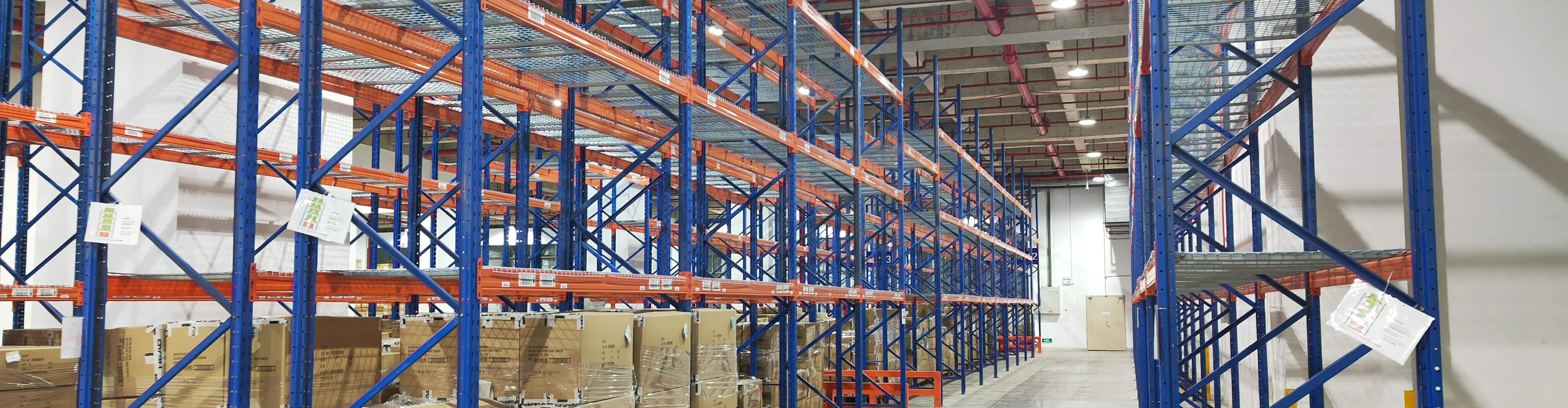
Choosing the right heavy duty industrial warehouse racking for high-density storage depends on one core question: do you need maximum pallet selectivity, maximum storage density, or a balanced mix of both? There is no single racking system that suits every warehouse. The right choice depends on pallet profile, SKU count, stock rotation, forklift method, available height, floor condition, and how quickly operators need to access inventory.
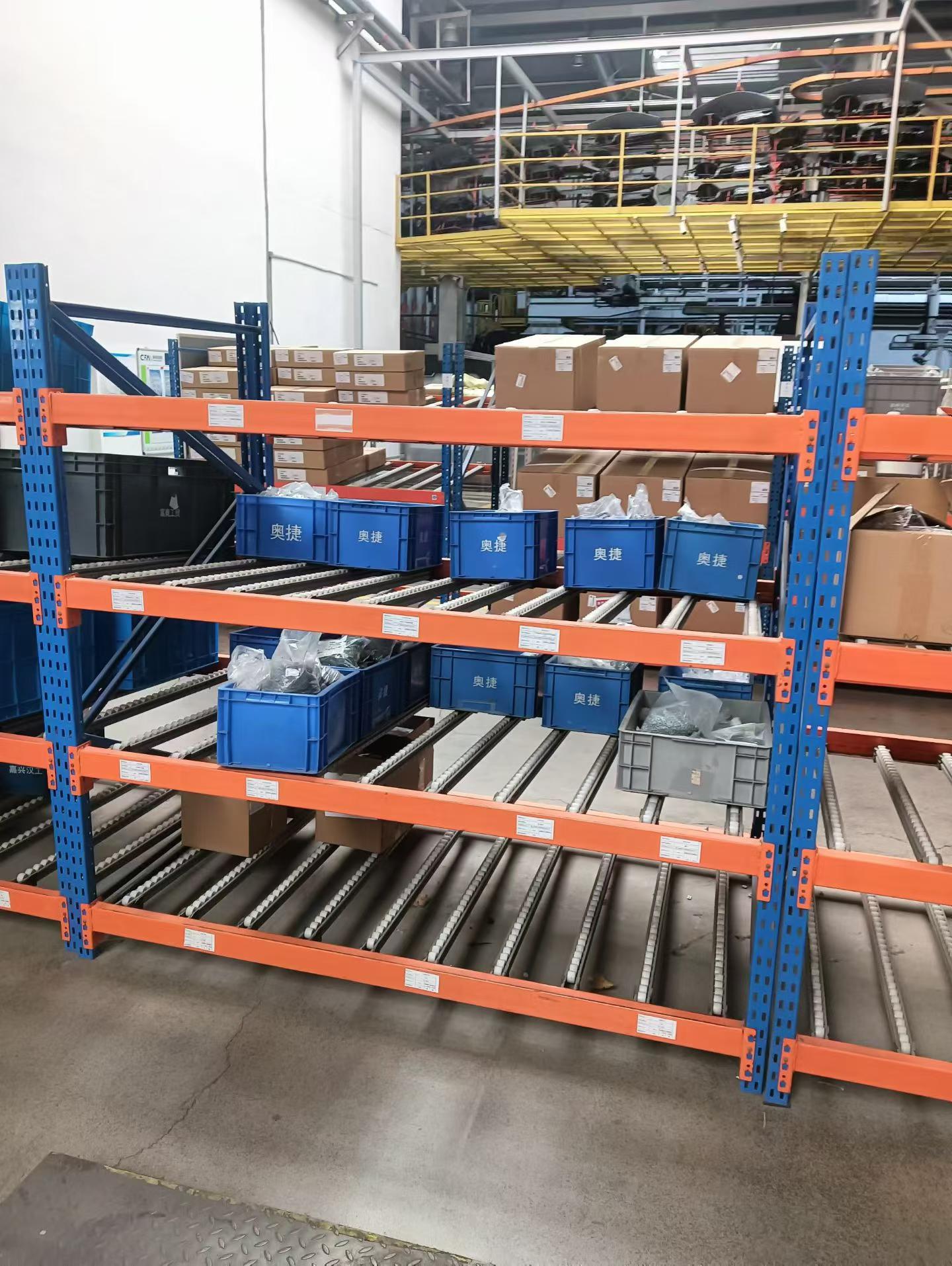
For most warehouses, high-density storage means reducing wasted aisle space while still keeping pallet handling safe and efficient. That often leads buyers to compare selective pallet racking with denser systems such as drive-in racking, push back racking, pallet flow racking, double deep racking, or mobile racking. Each option can be part of a heavy duty industrial warehouse racking plan, but each creates different trade-offs in accessibility, throughput, investment, and operational control.
What high-density storage really means in warehouse planning
High-density storage is not simply about fitting more pallets into the building. In practice, it means increasing usable storage positions relative to floor area without creating bottlenecks, damage risk, or picking inefficiency. A dense layout that slows forklifts, blocks stock rotation, or increases pallet damage may look efficient on paper but perform poorly in daily operation.
When evaluating heavy duty industrial warehouse racking, warehouse teams should look at density together with:
- SKU count and pallet quantity per SKU
- FIFO or LIFO stock rotation requirements
- Forklift turning radius and aisle width
- Clear building height and sprinkler constraints
- Floor flatness and slab load capacity
- Inbound and outbound throughput
- Need for pallet picking versus full pallet storage
- Future expansion or layout changes
A warehouse storing many pallets of the same SKU can usually justify denser storage systems than a warehouse handling many SKUs with frequent picking. That distinction is often the starting point for selecting heavy duty industrial warehouse racking.
Best heavy duty industrial warehouse racking options for high-density storage
1. Drive-in racking
Drive-in racking is one of the most common high-density forms of heavy duty industrial warehouse racking for large volumes of similar pallets. Forklifts enter the rack lanes and place pallets on rails. Because the system reduces the number of aisles, it can significantly improve storage density.
Best suited for:
- Low SKU count
- High pallet volume per SKU
- LIFO inventory handling
- Cold storage and bulk reserve storage
Advantages:
- Very good cube utilization
- Reduced aisle requirement
- Useful for storing large batches of the same product
Limitations:
- Lower selectivity
- Greater forklift impact risk inside lanes
- Less suitable for fast-moving mixed SKU operations
- Requires disciplined pallet quality and operator training
Drive-in systems can deliver strong density, but they also demand careful attention to pallet consistency, rack protection, and inspection. If stock rotation or SKU access is a priority, another type of heavy duty industrial warehouse racking may be more practical.
2. Push back racking
Push back racking stores pallets on nested carts or roller-supported carriers, allowing multiple pallets to be stored deep from a single aisle face. Operators load from the front and each new pallet pushes the previous one back.
Best suited for:
- Medium SKU count
- LIFO stock rotation
- Warehouses needing better selectivity than drive-in
- Operations wanting density without forklifts entering the rack structure
Advantages:
- Higher density than standard selective racking
- Improved forklift productivity
- Reduced rack impact compared with drive-in systems
- Good balance between density and access
Limitations:
- Higher system complexity
- Less suitable for strict FIFO rotation
- Requires proper pallet condition and load stability
For many operations, push back is a strong middle-ground heavy duty industrial warehouse racking option because it improves density without fully sacrificing access.
3. Pallet flow racking
Pallet flow racking uses gravity rollers to move pallets from the loading side to the picking side. This makes it one of the most effective forms of heavy duty industrial warehouse racking for FIFO inventory control.
Best suited for:
- FIFO stock rotation
- High-throughput operations
- Perishable or date-sensitive goods
- Buffer storage between receiving and dispatch
Advantages:
- Excellent stock rotation control
- High storage density
- Fast loading and retrieval from separate aisles
- Good for predictable pallet flows
Limitations:
- Higher initial cost
- More sensitive to pallet quality and dimensions
- Needs careful design and maintenance of flow lanes
This system can be highly effective, but it is not a universal answer. If pallets vary in size, are frequently damaged, or move irregularly, pallet flow may create operating problems rather than solve them.
4. Double deep pallet racking
Double deep racking is a denser variation of selective pallet racking. Pallets are stored two deep, usually requiring reach trucks designed for deeper access. It is often chosen when a warehouse wants denser heavy duty industrial warehouse racking without moving into more specialized lane-based systems.
Best suited for:
- Moderate SKU range
- Warehouses comfortable with reduced selectivity
- Operations using suitable reach equipment
Advantages:
- Higher density than standard selective racking
- Relatively familiar rack design
- Useful where aisle reduction is a major goal
Limitations:
- Access to rear pallets is restricted
- Specialized forklift handling is required
- Stock rotation becomes more complex
Double deep can be a practical upgrade path when selective racking no longer provides enough capacity but the operation still needs a familiar and adaptable format.
5. Mobile pallet racking
Mobile systems place heavy duty industrial warehouse racking on powered bases that move along floor rails. Instead of maintaining many permanent aisles, the system opens only the aisle being used.
Best suited for:
- High-value floor space
- Cold rooms and controlled environments
- Warehouses needing both density and pallet selectivity
Advantages:
- Very high storage density
- Maintains direct access to pallet locations
- Useful where building expansion is limited
Limitations:
- Higher capital cost
- More complex installation
- Floor and rail requirements must be assessed carefully
- Throughput may be limited if many operators need simultaneous aisle access
Mobile racking often makes sense where space cost is high, but buyers should review traffic patterns carefully before selecting it.
How to choose the right heavy duty industrial warehouse racking
The best heavy duty industrial warehouse racking for high-density storage is the one that matches your inventory behavior and handling method, not simply the one with the highest theoretical pallet count.
Evaluate your SKU profile first
If you store many pallets of the same SKU, dense lane-based systems are often suitable. If your inventory includes many SKUs with low pallet depth per SKU, selective access becomes more important and high-density solutions may create retrieval delays.
Match the racking to stock rotation
LIFO systems such as drive-in and push back can work well for stable products with less strict rotation requirements. FIFO systems such as pallet flow are better where date control matters. Choosing the wrong rotation logic is a common planning mistake in heavy duty industrial warehouse racking projects.
Consider forklift access and aisle behavior
Forklift type has a direct effect on rack design. Counterbalance trucks, reach trucks, VNA trucks, and shuttle handling methods all create different aisle and clearance requirements. A dense rack layout that ignores actual truck movement often results in damaged uprights, slow handling, and poor slot utilization.
Check building height and clearances
High-density storage often depends on vertical use of the building. Clear height, lighting, sprinkler layout, and roof obstructions all influence how much capacity you can realistically gain. Buyers sometimes focus on horizontal density and overlook whether the vertical cube can be used efficiently and safely.
Review floor condition and load capacity
A heavy duty industrial warehouse racking system performs only as well as the floor supporting it. Floor flatness, slab condition, and load-bearing capacity should be reviewed early, especially for high-bay, mobile, or concentrated load applications. Poor floor conditions can affect installation quality, rack alignment, and long-term safety.
Plan for future changes
Some dense systems are less flexible when SKU mix changes, order profiles shift, or automation is introduced later. If your operation is likely to change within a few years, flexibility may be worth more than squeezing every possible pallet into the current layout.
When high-density racking is the wrong choice
Not every warehouse benefits from denser heavy duty industrial warehouse racking. In some operations, trying to maximize density can reduce overall productivity.
High-density storage may be a poor fit when:
- You have many SKUs with low pallet quantity per SKU
- Order picking requires frequent direct access to different pallets
- Inventory rotation is strict and mixed
- Forklift traffic is already congested
- Pallet quality is inconsistent or often damaged
- The warehouse layout changes frequently
In these cases, a more selective system may deliver better total performance, even if nominal pallet density is lower.
Practical design and safety points buyers should not ignore
Pallet quality matters more in dense systems
High-density heavy duty industrial warehouse racking places more operational stress on pallet consistency. Broken boards, poor dimensions, and unstable loads can create handling problems, especially in push back, flow, and drive-in systems.
Rack protection is not optional
End-of-aisle barriers, upright protection, guide rails, and clear impact zones are important in dense layouts. The tighter the space, the smaller the margin for forklift error.
Inspection access should be planned
Dense storage can make damage harder to spot. Buyers should think beyond installation and consider how teams will inspect uprights, beams, anchors, rail components, and lane condition over time.
Load notices and operator discipline are essential
Every heavy duty industrial warehouse racking installation should be used according to its intended load pattern and handling method. Overloading, mixed pallet types, and unauthorized beam changes are common causes of avoidable risk.
Common buying mistakes with heavy duty industrial warehouse racking
- Choosing the densest system without reviewing SKU selectivity needs
- Ignoring forklift compatibility and aisle behavior
- Underestimating the effect of pallet quality on system performance
- Failing to review floor condition before finalizing layout
- Planning only for current capacity and not future changes
- Overlooking inspection and maintenance access
- Assuming all pallets are uniform when they are not
A good heavy duty industrial warehouse racking decision is rarely based on storage density alone. It should reflect how the warehouse actually runs on a normal day, including busy periods, replenishment peaks, and real operator behavior.
A simple decision framework
If you are narrowing down options, this practical framework can help:
- Choose drive-in racking when pallet density is the top priority and SKU variety is low.
- Choose push back racking when you want a balance of density and front-face accessibility.
- Choose pallet flow racking when FIFO rotation and throughput are essential.
- Choose double deep racking when you want more capacity than selective racking without fully changing operating logic.
- Choose mobile racking when floor space is highly constrained and direct access is still required.
The most suitable heavy duty industrial warehouse racking system is the one that supports inventory flow, safe handling, and realistic long-term use, not just the one that produces the highest pallet count in a layout drawing.
FAQ
What is the most space-efficient heavy duty industrial warehouse racking system?
It depends on the operation. Drive-in and mobile systems can offer very high density, but they suit different workflows. The most space-efficient option is not always the most operationally efficient one.
Is selective pallet racking suitable for high-density storage?
Standard selective racking offers high accessibility but lower density than lane-based or mobile systems. It can still work well where SKU access matters more than maximum pallet concentration.
What is the main risk of choosing the wrong high-density racking system?
The main risk is reduced warehouse efficiency. A poorly matched system can create stock rotation problems, forklift delays, pallet damage, and limited access to inventory.
Can heavy duty industrial warehouse racking be expanded later?
Some systems are easier to expand or reconfigure than others. Expansion depends on building layout, floor condition, equipment compatibility, and whether the original design allowed for future growth.
Conclusion
The best heavy duty industrial warehouse racking for high-density storage is determined by your SKU profile, pallet depth, stock rotation, forklift method, and building constraints. Dense storage works well when the operating model supports it. Before choosing a system, review access requirements, traffic flow, pallet quality, floor condition, and future flexibility. A practical, well-matched rack layout usually delivers better long-term value than simply choosing the densest option available.