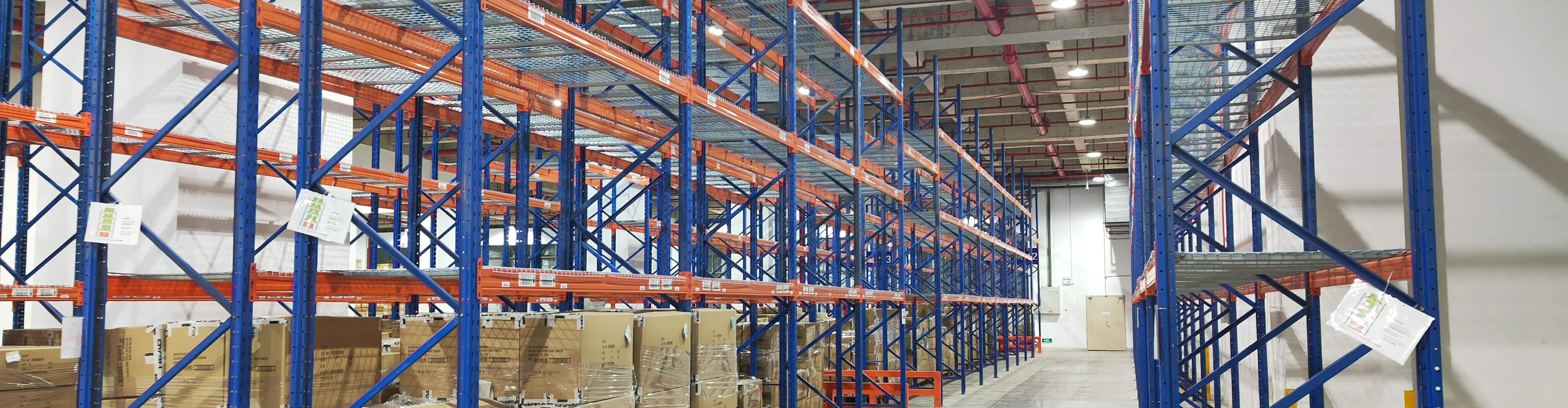
Heavy duty metal shelving is a practical warehouse storage option for businesses that need organized access to cartons, parts, bins, tools, archives, or hand-loaded inventory. For buyers, the main question is not simply whether shelving is strong enough. It is whether the shelving matches the load type, picking method, available space, workflow, and future growth of the operation.
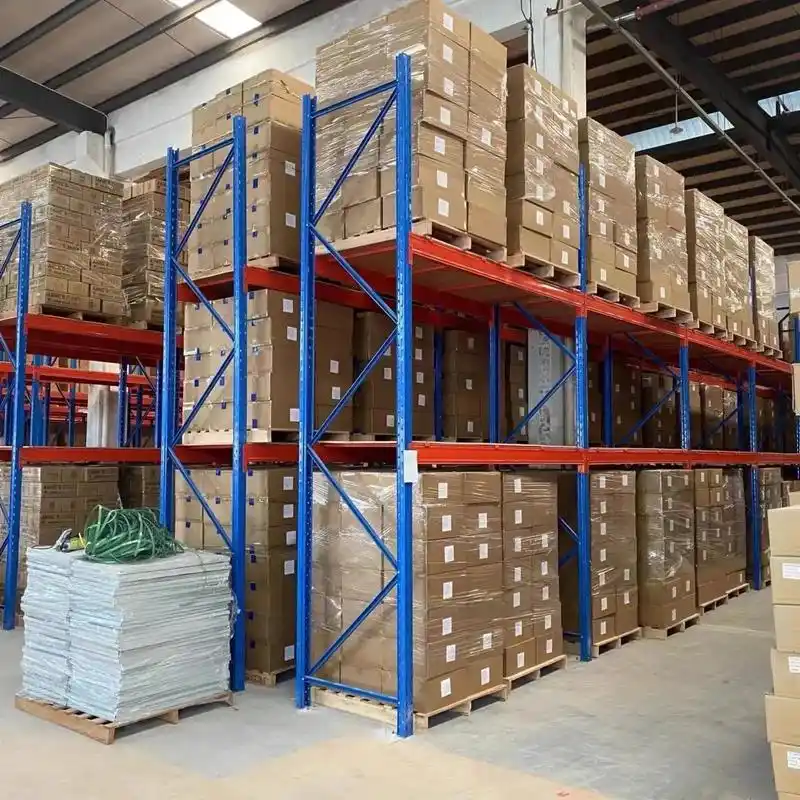
In many warehouses, heavy duty metal shelving sits between light-duty stockroom shelving and full pallet racking. It is often used for medium-weight goods that need better accessibility than pallet storage can provide. Choosing the right system requires more than checking shelf dimensions. Buyers should review load capacity, shelf adjustability, bay layout, aisle access, floor condition, installation quality, and how the system will actually be used every day.
What heavy duty metal shelving is used for in warehouses
Heavy duty metal shelving is typically designed for hand-loaded storage rather than direct pallet placement by forklift. It is commonly used for:
- Cartons and case goods
- Small to medium parts storage
- Maintenance, repair, and operations inventory
- E-commerce picking locations
- Backroom replenishment stock
- Archive or document storage
- Tooling, components, and spare parts
This type of shelving is most useful when operators need direct access to many SKUs. If a warehouse stores a wide product mix with frequent manual picking, heavy duty metal shelving can improve organization and shorten pick time. If the operation is mainly full-pallet in and full-pallet out, pallet racking is usually the better fit.
When heavy duty metal shelving makes sense
Buyers should consider heavy duty metal shelving when inventory is too heavy or too dense for light shelving, but does not require pallet racking on every location. It works well in facilities where products are handled by staff at shelf level, where order profiles involve piece picking or carton picking, and where SKU visibility matters.
Typical fit-for-purpose situations include:
- Warehouses with many SKUs and moderate stock depth per item
- Operations that need fast manual access to stored goods
- Parts rooms and service inventory areas
- Distribution centers creating forward pick faces
- Facilities adding structured storage above floor-stacked stock
It may be less suitable where goods are very bulky, irregularly shaped, unusually long, or consistently moved by forklift. In those cases, longspan shelving, cantilever racking, or selective pallet racking may be more appropriate depending on the load profile.
Key buying factors before selecting heavy duty metal shelving
1. Load capacity per shelf and per bay
This is one of the most important checks. Buyers should look at both shelf load capacity and total bay capacity. A shelving system may appear robust, but safe performance depends on how weight is distributed across each shelf and the entire structure.
Ask practical questions such as:
- What is the maximum weight per shelf level?
- Is the stated capacity based on evenly distributed loads?
- What is the total load per bay?
- Will actual warehouse use match the tested load assumptions?
In real operations, overloading often happens gradually. A shelf intended for cartons may end up holding dense metal parts or heavy spare components. Buyers should account for the heaviest likely use case, not just the initial plan.
2. Shelf size, depth, and clear opening
Shelf dimensions should match the stored item, not just the available floor space. If shelves are too shallow, cartons can overhang and create handling issues. If they are too deep, stock can be hidden at the back, reducing visibility and pick efficiency.
Bay width also matters. Wider bays may reduce the number of uprights and improve access, but they must still support the intended load safely. For small-parts storage, too much width can encourage mixed storage and poor slotting discipline. For larger cartons, narrow bays can waste space and complicate replenishment.
3. Adjustability and storage flexibility
Heavy duty metal shelving is often chosen because shelf levels can be adjusted. This matters when product sizes change, SKU count grows, or picking profiles shift. Adjustable shelves make it easier to re-slot inventory without replacing the whole system.
For buyers managing changing stock profiles, flexibility can be as important as raw capacity. A system that is slightly less dense but easier to reconfigure may deliver better long-term value than a rigid layout that becomes inefficient after one product change.
4. Warehouse layout and aisle planning
Shelving should fit the workflow, not just the floor plan. Buyers should review aisle width, access routes, picking direction, replenishment paths, and congestion points before confirming a layout.
Important planning checks include:
- Will staff pick by hand, cart, trolley, or ladder?
- Is there enough aisle width for safe passing and replenishment?
- Will shelving rows block emergency routes or service access?
- Does the layout support fast-moving versus slow-moving SKU zoning?
In some warehouses, the wrong aisle spacing creates daily inefficiency. Very narrow aisles may increase storage density, but they can slow picking, increase collisions, and reduce comfort for operators working with carts or bins.
5. Height and ergonomic access
More height can improve storage capacity, but only if upper levels remain safe and practical to access. Buyers should think about how often top shelves will be used, whether ladders or steps are needed, and whether replenishment will create manual handling risk.
If a warehouse has good ceiling height, vertical storage can be valuable, but there is a limit. Shelving that is technically installable is not always operationally efficient. Fast-moving stock should usually stay within easy picking range, with reserve stock placed higher if the process allows it.
6. Floor condition and anchoring
Warehouse floors are not all equal. Uneven surfaces can affect shelving stability, alignment, and installation quality. Buyers should check whether the floor is level enough for the proposed system and whether shimming or base adjustments may be required.
Anchoring requirements should also be reviewed. Even for hand-loaded heavy duty metal shelving, proper fixing and stable installation matter. Poor installation can create long-term issues such as sway, uneven loading, or damage at the base.
7. Material finish and environment
The warehouse environment affects product life. Dry indoor storage has different requirements from humid, dusty, or washdown-prone areas. Buyers should consider the finish and corrosion resistance needed for the actual site conditions.
For standard dry warehouses, common painted or coated finishes may be suitable. In harsher environments, the finish becomes a more important buying factor. The goal is not to over-specify, but to avoid a system that deteriorates early because the operating conditions were underestimated.
Heavy duty metal shelving vs other warehouse storage systems
Compared with pallet racking
Heavy duty metal shelving is usually better for hand-loaded SKU storage and direct item access. Pallet racking is better for forklift-handled pallet loads and higher-volume reserve stock. If the warehouse handles full pallets with limited need for piece picking, shelving may reduce efficiency rather than improve it.
Compared with longspan shelving
The distinction depends on supplier terminology, but longspan shelving is often used for larger, bulkier hand-loaded items and wider shelf spans. Heavy duty metal shelving may suit more structured carton, bin, or parts storage. Buyers should focus less on labels and more on actual load ratings, dimensions, and use case.
Compared with bin shelving or light-duty shelving
For heavier inventory, frequent replenishment, or larger carton loads, light-duty systems can become a false economy. They may be cheaper upfront but less durable in warehouse conditions. Heavy duty metal shelving is generally more appropriate where load demands and daily wear are higher.
Operational questions buyers should answer before ordering
Before selecting heavy duty metal shelving, buyers should define how the system will function in daily operations. The following questions often reveal whether the proposed shelving is actually suitable:
- What items will be stored on each shelf level?
- Are loads uniform, or will weights vary significantly?
- Will goods be picked by piece, case, or full carton?
- How many SKUs need direct access?
- Will the shelving support fast-pick inventory, reserve stock, or both?
- How often will shelf heights need to change?
- Will staff use ladders, carts, or mobile picking equipment?
- Is expansion likely within the next one to three years?
These are not minor details. They influence bay configuration, shelf spacing, row length, and whether shelving is the right storage method at all.
Common buying mistakes
Choosing by price alone
Low-cost shelving can become expensive if it lacks the capacity, durability, or flexibility needed for warehouse use. Replacement, rework, and inefficient layouts often cost more than the initial savings.
Ignoring future SKU growth
Many warehouses outgrow shelving layouts because the initial plan only covered current stock. If new product lines, spare parts, or seasonal inventory are likely, buyers should allow for add-on bays, extra levels, or future row expansion.
Using shelving for loads it was not intended to handle
Heavy duty metal shelving is not a substitute for every storage need. Using it for pallet loads, impact-prone forklift zones, or unusually dense items without proper review can create safety and maintenance problems.
Overfilling shelves and mixing product types
When shelves are used without slotting discipline, fast-moving stock gets blocked, heavy items end up on upper levels, and operators create unstable storage patterns. Good shelving design should support clear storage rules, not rely on staff improvisation.
Underestimating access needs
A dense shelving layout may look efficient on paper, but if staff cannot replenish and pick comfortably, productivity drops. Buyers should test assumptions against real aisle movement, picking frequency, and labor conditions.
Safety, inspection, and maintenance considerations
Even when heavy duty metal shelving is used for hand-loaded storage, it still needs routine checks. Warehouses should inspect shelving regularly for:
- Bent uprights or damaged frames
- Deflected or overloaded shelves
- Loose fasteners or missing components
- Base damage and anchor issues
- Corrosion, especially in damp environments
- Unsafe load placement or overhanging stock
Operational misuse is a common issue. Staff may stand on shelves, place dense goods on upper levels, or store items beyond the intended shelf depth. Simple visual checks and clear loading rules can prevent many problems before they become structural or safety concerns.
Maintenance planning should also include housekeeping. Dust buildup, poor labeling, and clutter around shelving rows can reduce visibility and make inspections less effective. A shelving system works better when storage rules, replenishment methods, and inspection routines are all aligned.
Planning for expansion and system longevity
Warehouse storage rarely stays static. Buyers should ask whether the heavy duty metal shelving can be extended, reconfigured, or integrated with other storage zones as the operation changes. Expansion planning is especially important in growing parts warehouses, e-commerce operations, and mixed-use distribution facilities.
A practical approach is to leave room for:
- Additional bays in the same row
- Extra shelf levels where height allows
- Dedicated fast-pick zones
- Separation of heavy and light inventory
- Future transition to more specialized storage systems
Not every warehouse needs a large initial installation. In some cases, a phased approach is better. Starting with the right core layout and preserving expansion options can reduce disruption later.
How to evaluate whether heavy duty metal shelving is the right choice
Heavy duty metal shelving is usually a strong option when your warehouse needs organized, hand-accessible storage for medium to heavy items across many SKUs. It is especially useful where picking speed, visibility, and shelf-level flexibility matter more than maximum pallet density.
It may not be the right choice when the operation is dominated by forklift handling, deep pallet storage, oversized products, or very high-impact traffic. In those environments, a different storage system may provide better durability and workflow efficiency.
For most buyers, the right decision comes down to five points: what is being stored, how it is handled, how often it is picked, how much flexibility is needed, and how the layout will perform in daily warehouse use.
FAQ
What is the difference between heavy duty metal shelving and pallet racking?
Heavy duty metal shelving is generally intended for hand-loaded goods and direct shelf access. Pallet racking is designed for palletized loads handled by forklifts or similar equipment.
Can heavy duty metal shelving store very heavy items?
It can store heavy items within its rated limits, but suitability depends on shelf capacity, load distribution, and bay design. Buyers should review actual product weight rather than assume all metal shelving is appropriate for dense loads.
Is heavy duty metal shelving suitable for small-parts storage?
Yes, especially when combined with bins, dividers, or clearly defined shelf locations. It is often used for parts rooms and maintenance inventory where many SKUs need direct access.
Does heavy duty metal shelving need regular inspection?
Yes. Warehouses should check for damage, overloading, loose components, corrosion, and unsafe storage practices as part of routine housekeeping and safety reviews.
How do buyers avoid choosing the wrong shelving layout?
Start with the inventory profile, picking method, aisle access, and growth plan. A shelving layout should be based on how the warehouse operates, not only on available floor dimensions.
Conclusion
Buying heavy duty metal shelving is not just a question of finding a stronger shelf. It is a warehouse planning decision that affects storage density, picking efficiency, safety, and future flexibility. The most effective choice comes from matching the shelving to real inventory weights, handling methods, aisle conditions, and operational goals.
If buyers assess load requirements, access needs, layout constraints, and expansion plans carefully, heavy duty metal shelving can become a reliable part of a well-structured warehouse storage system rather than a short-term fix that needs rework later.