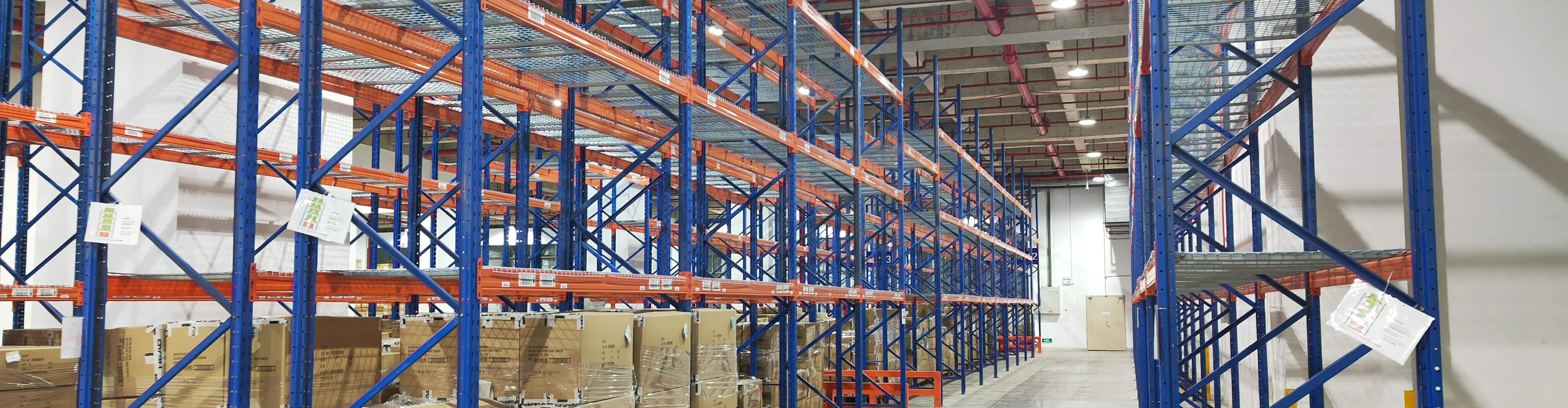
Choosing the right heavy duty metal shelving system is less about finding a single “better” product and more about matching shelf design, load capacity, access method, and warehouse workflow to the job. For commercial use, the most useful comparison starts with five questions: what you are storing, how staff will access it, how much weight each level must carry, how much space you can allocate, and how easily the system can be expanded or reconfigured later.
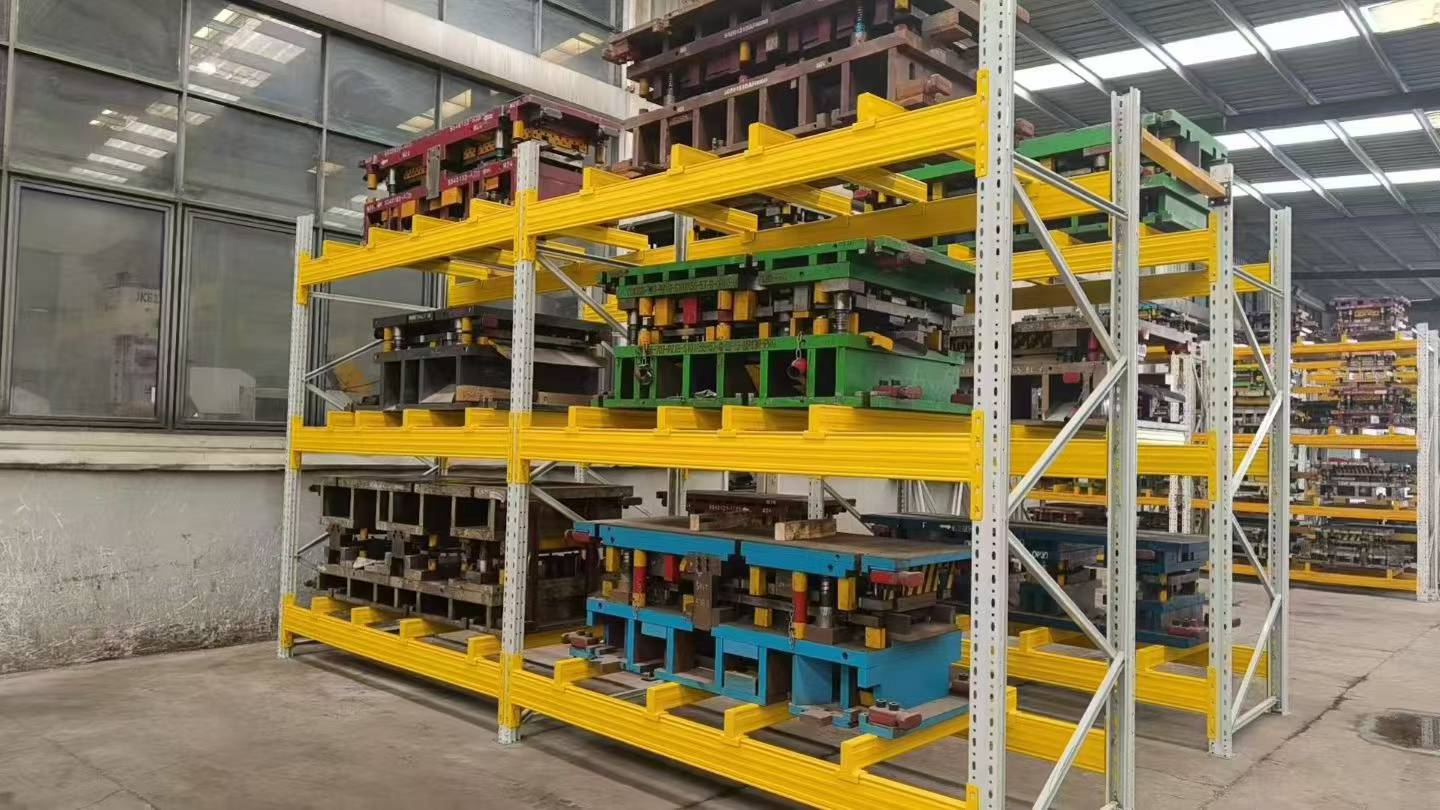
That is the practical way to compare heavy duty metal shelving in a warehouse, backroom, workshop, archive, parts store, or industrial supply area. A shelving system that works well for carton picking and mixed SKUs may be a poor fit for long items, forklift handling, or very high bay storage. The right decision depends on daily use, not just brochure specifications.
What counts as heavy duty metal shelving?
Heavy duty metal shelving generally refers to steel shelving systems designed for commercial and industrial storage where higher load capacity, stronger frames, and more durable shelf levels are required than standard office or light retail shelving. These systems are commonly used for:
- Carton storage
- Spare parts and maintenance inventory
- Tool and component storage
- Archive boxes and records
- Mixed SKU picking
- Back-of-house commercial storage
In practice, buyers should not compare shelving by the phrase “heavy duty” alone. Different suppliers may use that label broadly. The useful comparison is the actual structure: upright profile, shelf material, bracing, connection method, stated load per level, and intended access method.
Start with the storage application, not the product list
Before comparing brands or configurations, define the operating requirement. This prevents a common mistake: buying heavy duty metal shelving based on nominal capacity while overlooking accessibility, replenishment speed, or floor layout.
Questions to answer first
- Are you storing loose items, cartons, bins, tools, archive boxes, or irregular products?
- Will shelves be accessed by hand, trolley, order picker, or forklift-assisted replenishment?
- Do you need direct access to every SKU?
- Are loads consistent, or do shelf weights vary significantly by bay?
- Will inventory profile change over time?
- Is the shelving for picking, reserve stock, or both?
- How important are reconfiguration and future expansion?
For example, if the operation involves many small SKUs with frequent manual picking, shelving accessibility and level adjustability matter more than maximum bay height. If the stock is bulky and heavy, the shelf deck, beam support, and safe loading pattern become more important than pick density.
Key factors to compare in heavy duty metal shelving
1. Load capacity per shelf and per bay
This is the first technical filter. Compare both shelf-level capacity and total bay capacity. A system may have strong individual shelves but limited overall frame capacity, or the opposite. Buyers should also check whether stated capacities assume evenly distributed loads. In real operations, loads are not always perfectly balanced.
Ask practical questions such as:
- What is the rated load per shelf level?
- Is the load rating based on uniformly distributed weight?
- What is the maximum bay load?
- Does capacity change with bay height or shelf spacing?
- Are reinforcement options available for heavier applications?
If staff tend to place dense items on the front edge or in one section of a shelf, that should influence the comparison. A system that looks adequate on paper can underperform if real loading conditions are uneven.
2. Shelf adjustability
Adjustability has direct operational value. In a mixed-SKU environment, fixed shelf spacing often wastes vertical cube. Heavy duty metal shelving with flexible level adjustment allows teams to adapt to changing carton sizes, new product lines, or seasonal stock.
Closer adjustment increments are useful when you need to improve space efficiency. Wider increments may be acceptable in reserve storage but can reduce usable capacity in picking areas.
3. Access method and picking efficiency
Some shelving layouts look space-efficient but create slow picking conditions. Compare systems based on how operators actually work. Manual picking operations usually need clear sight lines, easy shelf access, and practical reach heights. If replenishment happens frequently, aisle clearance and bay stability during daily use also matter.
Where fast order picking is important, direct access to every shelf position is often more valuable than squeezing in extra storage density. In contrast, slow-moving reserve stock may justify a different arrangement.
4. Shelf type and deck surface
Not all shelf levels suit all products. When comparing heavy duty metal shelving, consider whether the shelf surface fits the stored items.
- Solid steel shelves: useful for cartons, bins, and small parts that need full support.
- Wire or ventilated shelves: can improve visibility and airflow in some environments, but may be less suitable for very small loose items.
- Particle board or panel inserts with steel framing: sometimes used for general storage, but buyers should evaluate durability, moisture exposure, and long-term wear.
The shelf surface affects housekeeping, dust accumulation, drainage, and how easily items can be moved or slid. It also affects suitability for bins, totes, and irregular packaging.
5. Bay dimensions and use of vertical space
Bay width, depth, and height should be compared against both product dimensions and building constraints. Taller heavy duty metal shelving can improve storage density, but only if safe access is realistic. Ceiling height alone is not enough. You also need to consider lighting, sprinkler clearance where applicable, access equipment, and how often upper levels will be picked.
In many commercial settings, the most efficient layout is not the tallest one. It is the one that balances cubic use with safe and fast handling.
6. Structural stability and anchoring requirements
Stability matters more as shelving gets taller, deeper, or more heavily loaded. Compare frame design, bracing, base detail, and installation requirements. In active warehouse environments, shelving can be exposed to accidental contact from trolleys, pallet trucks, ladders, or forklifts operating nearby.
Floor condition is part of this comparison. Uneven or damaged floors can affect installation quality and long-term stability. If the floor is poor, that should be addressed early rather than treated as a minor site issue.
7. Corrosion resistance and operating environment
Not all heavy duty metal shelving is equally suitable for every environment. Dry indoor storage has very different demands from humid production areas, washdown-adjacent spaces, or facilities with dust, oil, or temperature variation.
Compare finish quality and material suitability for the environment. A shelving system that performs well in a clean warehouse may require different protection if installed in harsher conditions. Buyers should also think about cleaning routines and how easily dirt or residue can build up around shelf joints and base areas.
How heavy duty metal shelving compares with other storage systems
Versus pallet racking
Heavy duty metal shelving is usually better for hand-loaded items, cartons, bins, parts, and mixed SKU picking. Pallet racking is generally more suitable for full-pallet storage and forklift handling. If most inventory moves by pallet and only limited case picking is required, shelving may create unnecessary labor.
Choose shelving when direct manual access to many SKUs is the priority. Choose racking when pallet throughput, forklift access, and larger unit loads drive the operation.
Versus longspan shelving
Longspan shelving is often used for bulky hand-loaded items and can bridge the gap between standard shelving and pallet racking. Compared with some forms of heavy duty metal shelving, longspan systems may offer wider bays and fewer uprights across a run, which can help with larger cartons or awkward products. However, for smaller SKU storage, too much open span can reduce organization and slotting discipline.
If the stock profile includes mixed cartons, bins, and medium-weight items, compare these two carefully. The better option depends on product size consistency and picking style.
Versus bin shelving or modular drawer systems
For very small components, engineering parts, or maintenance consumables, bin shelving or drawer systems may outperform general heavy duty metal shelving. Standard shelves can become inefficient if small items are stored without clear subdivision. Space may be available, but pick accuracy and housekeeping can suffer.
In these cases, shelving may still serve as the main structure, but accessories such as dividers, plastic bins, labels, and location markers become essential.
Operational trade-offs buyers often miss
Higher density can reduce accessibility
Trying to maximize storage capacity often leads to shelf levels being spaced too tightly or aisles being narrowed beyond practical picking comfort. This may improve nominal storage density while slowing labor and increasing handling errors.
Taller shelving can create replenishment bottlenecks
Using more vertical space sounds efficient, but upper shelf levels may require ladders, platforms, or specific access equipment. If replenishment is frequent, that can create delays and additional safety considerations.
Very deep shelves can waste space
Deep shelves are not always better. If product depth is limited, staff may lose visibility and stock rotation control. Deep shelving is most useful when product dimensions justify it.
Over-specifying capacity can raise cost without improving workflow
Some buyers choose the heaviest-duty option available even when the stored goods do not require it. That can increase cost and reduce flexibility without delivering a practical operational gain. The goal is appropriate capacity with a margin for safe use, not unnecessary overbuild.
A practical comparison checklist for commercial buyers
When reviewing quotations or technical proposals for heavy duty metal shelving, use a structured checklist:
- Stored item types and dimensions
- Expected load per shelf and per bay
- Manual picking or equipment-assisted access
- Required bay widths, depths, and heights
- Shelf adjustability increments
- Compatibility with bins, dividers, labels, and accessories
- Floor condition and installation requirements
- Warehouse aisle width and traffic pattern
- Expansion potential for future bays or altered layouts
- Maintenance access and ease of inspection
- Environmental conditions such as humidity or contamination
- Safe loading guidance for operators
This kind of comparison gives procurement and operations teams a more accurate basis for decision-making than price alone.
Planning for safety, inspection, and maintenance
Even well-selected heavy duty metal shelving needs regular checks. Commercial buyers should consider not only purchase cost, but also how easy the system is to inspect and maintain once it is in use.
What to review during operation
- Damaged uprights or shelf supports
- Loose or missing fixings
- Shelf deflection or visible distortion
- Overloaded levels or poor load distribution
- Impact damage near aisle ends or corners
- Corrosion, especially at bases and joints
- Poor housekeeping that hides damage or blocks access
If shelving is installed in areas with nearby forklift movement, end-of-aisle protection and clear traffic separation may be worth considering. Damage risk often depends more on layout than on the shelving itself.
Common mistakes when comparing heavy duty metal shelving
- Comparing only price per bay: lower upfront cost may mean weaker adjustability, poorer fit for SKU mix, or more difficult expansion later.
- Ignoring workflow: a system that stores more may still cost more to operate if picking becomes slower.
- Using average load instead of real load pattern: dense items can overload local sections even when average shelf weight looks acceptable.
- Overlooking floor and site conditions: installation quality and long-term stability depend on the actual building environment.
- Failing to plan for growth: if the shelving cannot be extended or reconfigured easily, later changes become expensive.
How to make the final decision
The right heavy duty metal shelving system is the one that supports your inventory profile, handling method, and available space with safe load performance and workable day-to-day access. A good comparison should narrow the choice based on application first, then capacity, adjustability, dimensions, and long-term operational fit.
If your operation depends on manual picking, compare systems for accessibility and slotting flexibility. If loads are heavy and consistent, compare structural capacity and stability more closely. If the business expects growth or product change, prioritize modular expansion and easy reconfiguration.
In commercial use, the strongest buying decision is usually not the most heavily specified system. It is the shelving solution that fits the warehouse, the stock, and the workflow without creating hidden labor, safety, or maintenance problems.
FAQ
How do I know whether heavy duty metal shelving is better than pallet racking?
If the operation is mainly hand-loaded and requires access to many individual SKUs, heavy duty metal shelving is often the better fit. If most stock is stored and moved as full pallets by forklift, pallet racking is usually more suitable.
What is the most important factor when comparing heavy duty metal shelving?
Load requirement and access method are usually the first priorities. After that, compare shelf adjustability, bay dimensions, and how well the system matches the picking workflow.
Can heavy duty metal shelving be expanded later?
Many systems can be extended, but expansion depends on the original design, available space, and compatibility of components. It is worth checking this before purchase if growth is likely.
Is taller shelving always more efficient?
No. Taller shelving only improves efficiency if upper levels can be accessed safely and without slowing replenishment or picking. In some operations, moderate height gives better overall performance.