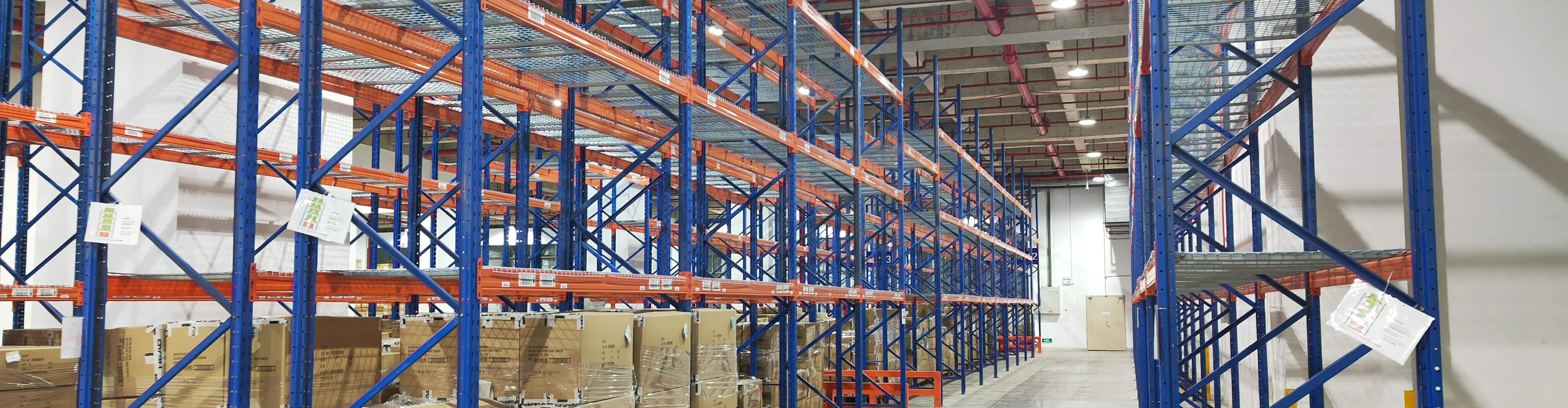
The best heavy duty metal shelving for industrial storage is the shelving system that matches your load weight, SKU profile, picking method, available space, and future growth plan. For most facilities, there is no single universal answer. Boltless shelving may suit hand-loaded carton storage, longspan shelving may work better for bulky items, and pallet racking is often the better choice when forklifts handle palletized loads. The right decision depends less on marketing labels and more on how the shelving will actually be used on the warehouse floor.
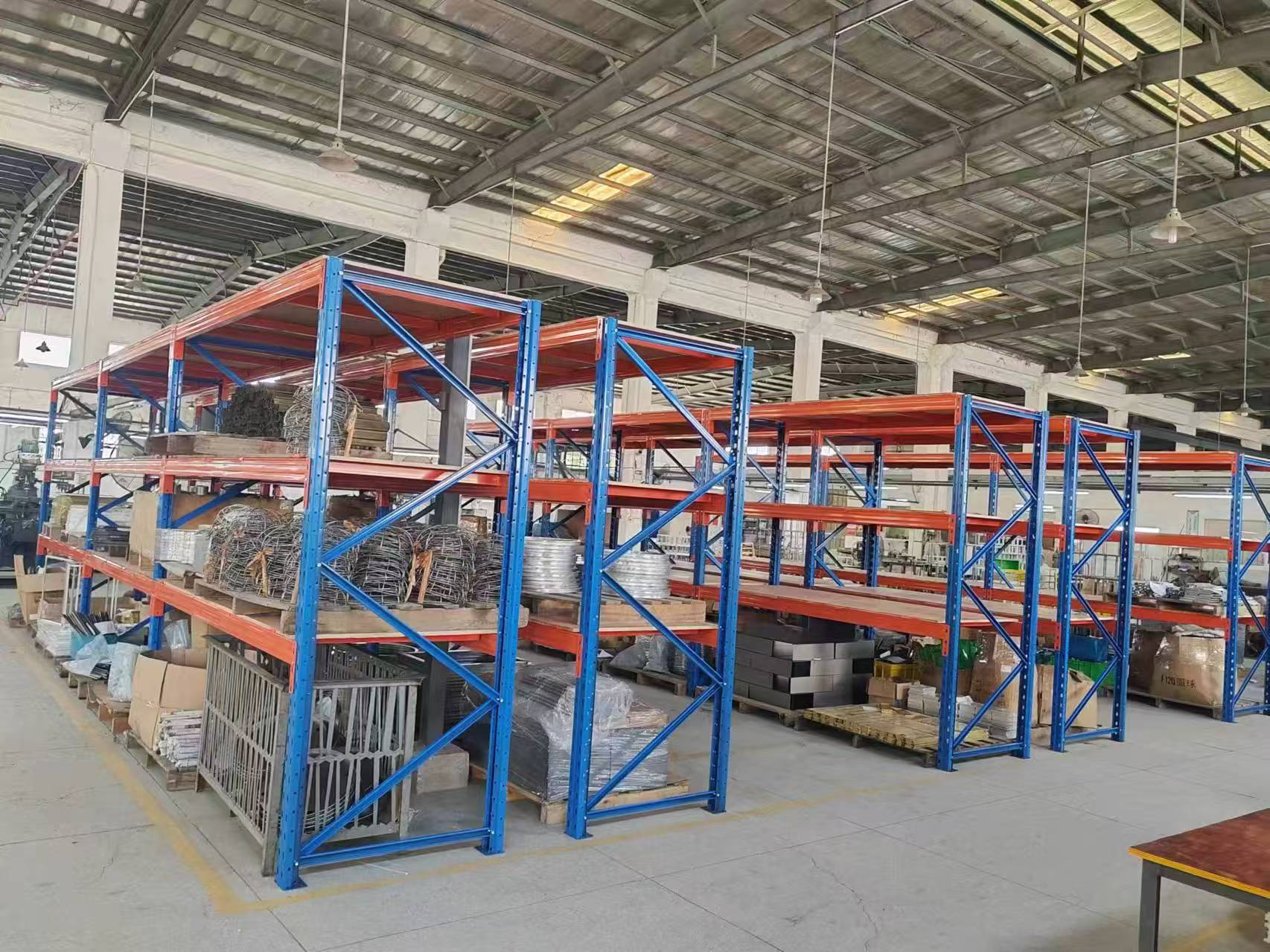
That is why buyers should evaluate heavy duty metal shelving as an operational tool, not just a product category. A shelving system that looks strong on paper can still create problems if it reduces picking efficiency, wastes vertical space, limits access, or becomes difficult to inspect and expand.
How to define the best heavy duty metal shelving
When warehouse teams ask for the best heavy duty metal shelving, they are usually trying to solve one of four problems: storing heavier goods safely, improving picking access, using vertical space better, or replacing lighter shelving that no longer suits the operation.
In practical terms, the best heavy duty metal shelving should do the following:
- Support the actual load per shelf and per bay with an appropriate safety margin
- Fit the dimensions and weight of the stored items
- Allow efficient access for picking or replenishment
- Work within the building’s aisle width, ceiling height, and floor condition
- Remain easy to inspect, maintain, and reconfigure
- Support future expansion without forcing a full layout redesign
If one of those points is missing, the shelving may not be the right fit even if it is marketed as industrial or heavy duty.
Types of heavy duty metal shelving used in industrial storage
Boltless heavy duty shelving
Boltless heavy duty metal shelving is widely used for hand-loaded inventory, archive storage, spare parts, cartons, tools, and mixed SKU picking. It is popular because it is relatively quick to assemble and easy to adjust when storage needs change.
This type of heavy duty metal shelving is often a practical choice where operators need direct access to many stock lines. It works well in stockrooms, maintenance stores, back-of-house storage areas, and light industrial picking zones.
Its limitation is that it is not the right answer for every heavy load. If products are very dense, unusually bulky, or forklift-loaded, buyers may need longspan shelving or pallet racking instead.
Longspan shelving
Longspan systems are often the more suitable form of heavy duty metal shelving when items are larger, wider, or awkward to store on standard shelf bays. They are commonly used for automotive parts, hardware, boxed components, tools, and bulk hand-loaded inventory.
The advantage of longspan shelving is its wider clear span and stronger beam-based structure. This makes it useful where standard shelving would create too many uprights or too little usable shelf width.
Longspan shelving is less suitable when the operation is primarily full-pallet storage handled by forklifts. In those cases, pallet racking usually makes better use of the handling method.
Steel panel shelving and closed shelving systems
Some heavy duty metal shelving systems use steel shelves and enclosed frames for cleaner storage of parts, records, components, or maintenance inventory. These can be useful where smaller items need more controlled shelf surfaces and better organization.
They are often selected for parts rooms and industrial support functions rather than high-throughput warehouse pallet operations.
Pallet racking as an alternative
Many buyers searching for heavy duty metal shelving are actually trying to store palletized goods. If forklifts will place and retrieve loads, selective pallet racking is often the better solution than shelving. It is designed around pallet handling, beam levels, and forklift access rather than manual shelf picking.
This is an important decision point. Heavy duty metal shelving is usually best for hand-loaded goods, split-case picking, cartons, totes, parts, and medium-sized inventory. Pallet racking is generally the stronger fit for unit loads on pallets.
What commercial buyers should evaluate before choosing heavy duty metal shelving
1. Load weight and load distribution
The first question is not shelf size. It is load weight. Buyers need to know the weight per shelf level, total bay load, and whether the load is evenly distributed or concentrated in small areas.
Heavy duty metal shelving can fail in use when loads are underestimated or placed unevenly. Dense metal parts, liquid containers, motors, dies, and boxed hardware can create much higher point loading than general cartons. If the operation cannot control loading consistency, the shelving specification should reflect that risk.
2. SKU profile and picking method
If the warehouse stores many SKUs with frequent manual access, heavy duty metal shelving can be very effective because each item is directly accessible. If stock is slow-moving, bulky, and rarely touched, a different storage format may use space more efficiently.
Picking method matters as well. Manual picking favors shelf accessibility, ergonomic shelf heights, and clear labeling positions. If operators need ladders for routine picks because the shelving is too tall or poorly planned, productivity and safety both suffer.
3. Product dimensions and packaging variation
One of the most common mistakes in heavy duty metal shelving selection is focusing on weight alone. Shelf depth, bay width, and vertical clearances must also match the actual product mix.
If the facility stores mixed cartons, plastic totes, irregular spare parts, and unpacked components, adjustable shelf levels and flexible bay planning become more important than simply choosing the highest stated load capacity.
4. Available floor space and aisle width
Heavy duty metal shelving should improve storage density without creating access problems. Narrow aisles may increase capacity, but they can also slow replenishment, reduce safe movement, and complicate picking carts or manual handling.
In smaller facilities, shelving layout should be reviewed alongside doors, columns, fire exits, workstations, and staging areas. A technically suitable shelving system can still underperform if the layout interrupts workflow.
5. Building height and vertical use
Many operations run out of floor space before they run out of building height. Heavy duty metal shelving can help use vertical space, but only if the upper levels remain practical to access and replenish.
For very tall installations, buyers should think beyond shelf count and consider safe access, picking frequency, and whether a multi-tier shelving system or mezzanine-supported solution may be more suitable than simply adding more shelf levels.
6. Floor condition and anchoring
Industrial shelving performance depends partly on the floor it stands on. Uneven floors, damaged slabs, or poor anchoring conditions can affect stability, installation quality, and long-term performance.
This is especially relevant for heavier bays, taller runs, and locations with frequent trolley traffic or nearby vehicle movement. Heavy duty metal shelving should be installed with attention to leveling, anchoring, and practical site conditions rather than treated as a simple furniture item.
7. Future expansion and reconfiguration
A shelving system may fit current demand but still be the wrong long-term choice if the SKU count is growing, product sizes are changing, or the operation may shift from reserve storage to active picking. Buyers should ask whether the chosen heavy duty metal shelving can be extended, reconfigured, or integrated into a larger storage plan later.
When heavy duty metal shelving is the right choice
Heavy duty metal shelving is often a strong fit in the following situations:
- Manual picking of cartons, totes, bins, and parts
- Storage of medium to heavy non-palletized goods
- High-SKU environments needing direct item access
- Maintenance stores, spare parts rooms, and industrial stockrooms
- Back-up storage behind production or assembly areas
- Operations that need shelf adjustability as inventory changes
In these settings, heavy duty metal shelving offers a practical balance between load support, accessibility, and space efficiency.
When heavy duty metal shelving may be the wrong choice
Heavy duty metal shelving is not always the most efficient industrial storage solution. It may be a poor fit when:
- The stock is stored mainly on pallets and handled by forklifts
- Loads are too heavy or too concentrated for shelf-based storage
- Products are very long, oversized, or irregularly shaped
- The operation needs very high-density pallet storage
- Replenishment and picking require frequent vehicle interaction
- The layout would force unsafe access to upper levels
In these cases, pallet racking, cantilever racking, or a different engineered storage system may be more appropriate than heavy duty metal shelving.
Key buying mistakes to avoid
Choosing by headline capacity only
Capacity figures matter, but they do not replace proper planning. Buyers should look at shelf load, bay load, shelf material, support configuration, and actual item placement.
Ignoring workflow
A well-built shelving system can still slow the operation if it creates congestion, poor replenishment paths, or difficult picking heights. Good storage planning always connects shelving choice to daily movement patterns.
Using shelving for pallet handling
If forklifts are expected to place loads directly onto shelf levels, the buyer may be selecting the wrong system category. Heavy duty metal shelving and pallet racking are not interchangeable.
Overlooking inspection and maintenance
Even static shelving should be checked regularly for impact damage, loose components, shelf deflection, corrosion, and unauthorized modifications. Warehouses often focus on initial purchase cost and forget the operating discipline needed to keep storage safe and usable.
How to compare heavy duty metal shelving options practically
When comparing suppliers or system types, buyers should ask practical questions rather than rely only on brochure language. Useful evaluation points include:
- What load will each shelf level carry in real use?
- Are the stored items hand-loaded, trolley-loaded, or vehicle-assisted?
- How easily can shelf heights be adjusted?
- What bay widths and depths suit the actual SKU mix?
- Will the shelving support efficient labeling and stock visibility?
- How easy is it to add bays later?
- What site preparation or anchoring is needed?
- How will the system be inspected and maintained over time?
This approach leads to a better decision than simply asking which heavy duty metal shelving is strongest or cheapest.
Inspection and maintenance considerations
Once installed, heavy duty metal shelving should be part of routine warehouse inspection. Teams should check for bent frames, damaged shelf levels, missing clips or fasteners, corrosion in damp areas, overloading, and changes in use that were not part of the original plan.
Housekeeping also affects shelving performance. Overhanging stock, unstable stacking, blocked aisles, and items stored on top of bays outside the intended design all create avoidable risk. Regular review is especially important in mixed-use industrial spaces where storage habits change gradually over time.
A simple decision framework
If you are trying to decide whether heavy duty metal shelving is the best option, use this sequence:
- Identify what is being stored: size, weight, packaging, and handling frequency.
- Confirm whether storage is manual or pallet-based.
- Calculate realistic shelf and bay loads, not rough estimates.
- Review aisle width, access method, ceiling height, and floor condition.
- Decide whether direct access or storage density matters more.
- Check whether the system can grow with the operation.
- Plan for inspection, maintenance, and safe loading practices.
If the goods are hand-loaded, medium to heavy, and need direct access across many SKUs, heavy duty metal shelving is often a strong choice. If the stock is palletized or vehicle-handled, another storage system may be more suitable.
FAQ
What is heavy duty metal shelving used for?
Heavy duty metal shelving is typically used for storing cartons, bins, tools, spare parts, components, and other non-palletized industrial inventory that needs direct manual access.
Is heavy duty metal shelving the same as pallet racking?
No. Heavy duty metal shelving is generally intended for shelf-based storage and manual access, while pallet racking is designed for palletized loads handled by forklifts.
How do I know what load capacity I need?
You need to know the weight per shelf level, total bay load, and how the load is distributed. Dense or unevenly placed items can create higher stress than general carton storage.
Can heavy duty metal shelving be expanded later?
Many systems can be extended or reconfigured, but expansion depends on the original design, available space, and whether future inventory profiles remain compatible with shelving use.
Final takeaway
The best heavy duty metal shelving for industrial storage is the system that fits the real operation: the load, the product mix, the access method, the building, and the workflow. For manual storage of heavier non-palletized goods, heavy duty metal shelving can be highly effective. But it should be chosen with the same care as any other industrial storage system, with attention to load planning, layout, inspection, and long-term usability.