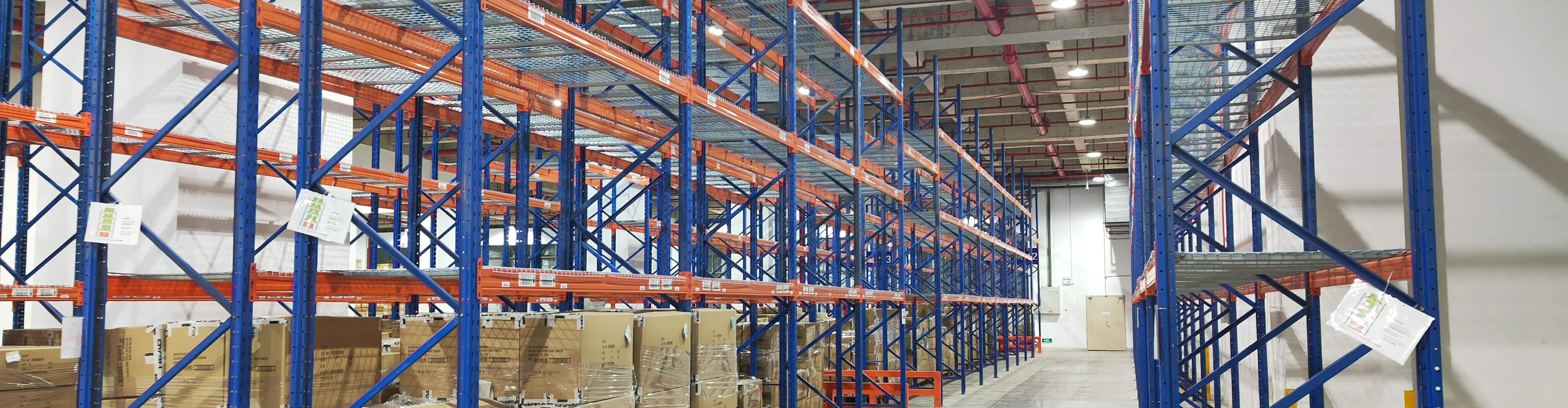
Choosing heavy duty pallet racking starts with one practical question: what exactly needs to be stored, handled, and accessed every day in your warehouse? The right system is not simply the one with the highest load capacity. It is the one that matches your pallet sizes, forklift operation, SKU profile, throughput, building constraints, and future growth plans.
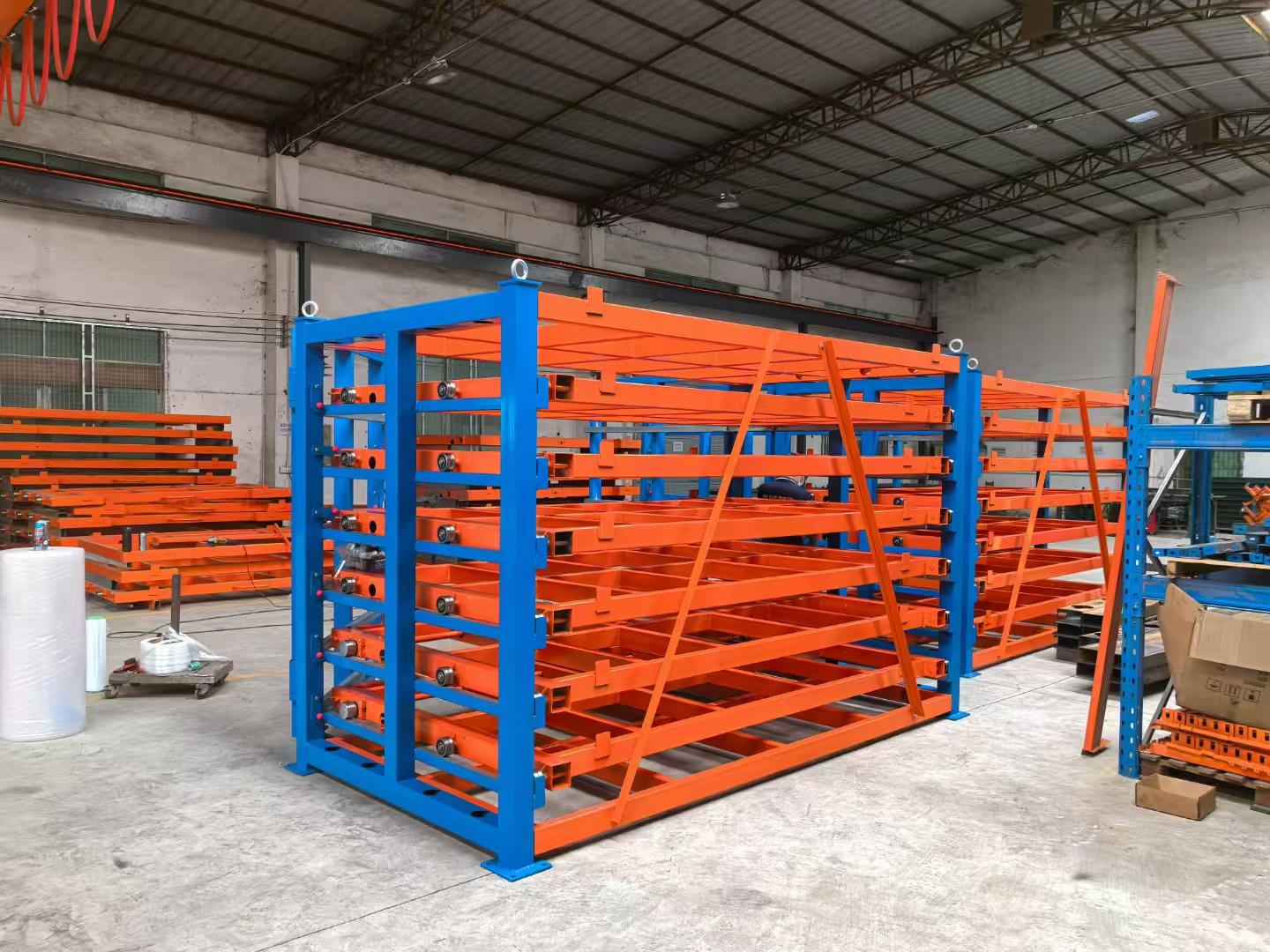
For most warehouses, heavy duty pallet racking is selected to store palletized goods safely while balancing storage density and accessibility. A good buying decision depends on understanding load requirements, aisle design, beam levels, rack depth, handling equipment, floor condition, and inspection needs before installation begins.
What heavy duty pallet racking is designed to do
Heavy duty pallet racking is a storage system built to hold palletized inventory in vertical levels using uprights, beams, and related accessories. It is commonly used in distribution centers, manufacturing plants, wholesale warehouses, and industrial storage facilities where pallet loads are moved by forklifts or reach trucks.
The main purpose of heavy duty pallet racking is to use vertical warehouse space efficiently while keeping pallet loads organized and accessible. In practice, the right layout depends on whether your operation prioritizes selective access to every pallet, higher storage density, faster replenishment, or a mix of storage and picking.
Before comparing layouts or prices, buyers should confirm the following:
- Type and weight of each pallet load
- Pallet dimensions and any variation in size
- Number of SKUs and stock rotation pattern
- Forklift type and turning radius
- Available ceiling height and clear height below sprinklers or building services
- Floor flatness and slab condition
- Need for future expansion or layout changes
Start with your load profile, not the rack brochure
The most common mistake when choosing heavy duty pallet racking is starting with the rack configuration before defining the load. Rack design should always begin with the actual pallet and the real operating environment.
Confirm pallet size and overhang
Not all pallets are uniform. Some operations use standard pallets consistently, while others store mixed pallet sizes, damaged pallets, non-standard skids, or long loads. These differences affect beam length, bay width, load distribution, and safe clearances between pallets.
If your pallets regularly overhang or vary in footprint, that should be addressed early. A system that looks efficient on paper can quickly become difficult to load safely if pallet dimensions are inconsistent.
Calculate realistic load weights
Do not base a purchase on average pallet weight alone. The design needs to reflect the heaviest realistic pallet load, including packaging changes, seasonal stock, or denser products added later. Underestimating load weight can create safety and compliance issues. Overestimating too aggressively can increase cost unnecessarily. The right approach is to define a realistic maximum operating load with a sensible margin.
Consider load stability
Some pallet loads are stable and easy to place. Others are tall, soft-packed, uneven, or stretch-wrapped in a way that shifts during handling. If loads are unstable, you may need to consider additional support, stricter beam spacing, decking options, back stops, or different operating procedures. A warehouse storing stable boxed goods behaves very differently from one storing drums, bagged materials, or irregular industrial components.
Choose the rack layout that fits your operation
Heavy duty pallet racking is not one single layout. The best choice depends on how your warehouse works day to day.
Selective pallet racking
Selective systems are often the default choice because every pallet position is directly accessible. This works well for warehouses with many SKUs, frequent stock rotation, and regular picking or replenishment activity.
Selective heavy duty pallet racking is usually a strong fit when:
- You need access to a wide range of palletized products
- Inventory rotation matters
- You want straightforward stock control
- Your operation values flexibility over maximum density
Its limitation is lower storage density compared with deeper-lane systems, because more aisle space is required.
Drive-in or drive-through racking
These systems increase density by reducing aisle count and storing pallets in lanes. They can be useful for larger volumes of similar products with lower SKU variety.
They may be less suitable if:
- You carry many SKUs in small quantities
- You require strict FIFO rotation without careful planning
- Your forklift operation already has a high rate of impact damage
Higher density can come with more demanding forklift operation and more attention to rack protection and driver discipline.
Double deep racking
Double deep layouts can improve storage density compared with standard selective systems, but they usually require suitable handling equipment and may reduce direct access. This can work for operations with moderate SKU variety and enough pallet depth per item.
Narrow aisle or high-bay layouts
If floor space is limited but ceiling height is available, a narrow aisle approach may improve cube utilization. However, this decision affects truck selection, guidance systems, maintenance access, and operating speed. It is not just a rack choice; it is an operational model.
When evaluating heavy duty pallet racking, the key question is not which layout stores the most pallets on paper. It is which layout supports your stock profile and handling process with acceptable risk, speed, and labor efficiency.
Check how your forklifts will interact with the racking
Forklift compatibility is one of the most important practical factors in selecting heavy duty pallet racking. A rack layout that looks efficient in a drawing may be difficult to operate safely if aisle widths, lift heights, or turning clearances do not match the trucks in use.
Aisle width matters more than many buyers expect
Counterbalance forklifts usually need wider aisles than reach trucks or specialized narrow aisle equipment. If your warehouse currently uses one truck type but may change later, that should be considered during planning. A layout optimized for one handling method may become restrictive if equipment changes.
Lift height and residual capacity
As lift height increases, forklift residual capacity can decrease. That means a truck that handles a pallet comfortably at low level may not safely place the same load at upper beam levels. Rack height decisions should therefore be coordinated with handling equipment, not treated separately.
Impact risk and protection
In busy warehouses, lower uprights are vulnerable to forklift impact. End-of-aisle protection, upright guards, and good traffic design can reduce damage risk. If your operation has tight turning areas or fast-paced loading activity, protection should be part of the selection discussion, not an afterthought.
Assess your building constraints early
The right heavy duty pallet racking system must fit the warehouse building, not just the storage target. Building limitations often shape the project more than buyers expect.
Clear height and obstructions
Ceiling height alone is not enough. You also need to account for lighting, ducting, sprinklers, doors, columns, and any suspended services. These elements affect rack height, aisle arrangement, and access routes.
Floor condition
Racking performance depends heavily on the slab beneath it. Floor flatness, levelness, thickness, and condition can influence installation quality and long-term stability. If the floor is uneven or damaged, that may affect shimming, anchoring, and truck operation.
Column spacing and fire protection constraints
Warehouse columns can interrupt ideal bay spacing. Fire protection design may also affect flue space, rack arrangement, and storage height. These are not details to leave until the end, because they can materially change capacity and layout efficiency.
Think about SKU mix, stock rotation, and picking method
Heavy duty pallet racking should support how inventory moves, not just where it sits. Two warehouses with the same floor area can need very different systems because their SKU and picking profiles are different.
High SKU count vs. bulk storage
If you store many SKUs with limited pallet quantity per item, direct selectivity is usually more valuable than maximum density. If you store fewer SKUs in larger volumes, denser storage may make more sense.
Full pallet handling vs. case picking
Some warehouses use pallet racking mainly for reserve storage, while others combine pallet storage with lower-level picking. If pick faces will be built into the rack, beam heights, accessibility, safety, and replenishment workflow all need more careful planning.
FIFO and LIFO implications
Stock rotation requirements matter. If product shelf life, batch control, or traceability is important, the racking layout should support the right flow. A dense system that complicates stock rotation may create operational problems even if it increases nominal pallet count.
Review safety, inspection, and maintenance requirements before buying
A practical buyer should evaluate not only purchase cost, but also the long-term upkeep of heavy duty pallet racking. Warehouses do not stay static. Loads change, forklifts make contact, and layouts evolve.
Routine inspection access
Some layouts are easier to inspect and maintain than others. The denser the system, the more important it becomes to plan for visibility, access, and regular checks. Buyers should think ahead about how damaged components will be identified and replaced.
Common damage points
In real warehouse use, the most frequent issues often include:
- Upright impact at lower levels
- Beam damage or displacement
- Loose or missing safety locks
- Anchor issues at the base plates
- Overloaded beam levels caused by changed stock profiles
- Pallets projecting into aisles or flue spaces
If your operation is fast-moving or has a history of rack contact, choose a system and layout that can be inspected clearly and protected properly.
Load notices and staff discipline
Even well-designed heavy duty pallet racking can become unsafe if load limits are not communicated or if pallets are loaded inconsistently. Clear load signage, operator training, and routine visual checks are basic but essential parts of a safe installation.
Plan for growth instead of designing only for current stock
Many warehouses outgrow their original storage layout faster than expected. If you are investing in heavy duty pallet racking, think beyond the current pallet count.
Useful questions include:
- Will SKU count increase over the next few years?
- Could pallet dimensions or packaging formats change?
- Will throughput rise enough to affect aisle congestion?
- Do you expect to add different forklift types later?
- Can the rack layout be extended or reconfigured without major disruption?
Expansion planning does not mean overspending from day one. It means avoiding a design that works only for current conditions and becomes inefficient after a modest change in inventory or workflow.
Common buying mistakes to avoid
When selecting heavy duty pallet racking, several mistakes show up repeatedly in warehouse projects:
- Choosing by price alone without reviewing operating fit
- Using average pallet weight instead of maximum realistic load
- Ignoring forklift aisle requirements
- Assuming all pallets are uniform when they are not
- Over-prioritizing density and under-prioritizing accessibility
- Failing to account for floor condition and building obstructions
- Not planning for rack protection, inspection, and component replacement
- Designing only for present stock without considering growth
A lower-cost system that creates handling delays, damage risk, or poor stock control can become more expensive over time than a better-matched layout.
A simple decision framework for choosing heavy duty pallet racking
If you need a practical way to evaluate options, work through the decision in this order:
Define the load. Confirm pallet size, weight, stability, and variation.
Define the operation. Review SKU count, rotation, picking method, and throughput.
Define the building. Measure clear height, columns, floor condition, and access constraints.
Define the handling method. Match aisle width, lift height, and truck type to the layout.
Compare layout options. Balance density, selectivity, speed, and maintenance access.
Review safety and upkeep. Include protection, inspections, and load control from the start.
Allow for change. Consider future growth, new SKUs, and possible operational shifts.
This process helps buyers choose heavy duty pallet racking based on operational suitability rather than assumptions or generic specifications.
FAQ
What is the main advantage of heavy duty pallet racking?
The main advantage of heavy duty pallet racking is efficient vertical storage of palletized goods while keeping inventory organized and accessible. The exact benefit depends on the layout chosen and how well it matches the warehouse operation.
How do I know if selective racking is the right choice?
Selective racking is usually suitable when you need direct access to many SKUs, regular stock rotation, and straightforward inventory control. It may be less suitable if your priority is maximum storage density for a small number of products.
Does heavier capacity always mean better racking?
No. Higher capacity alone does not make a system more suitable. The right choice depends on actual load requirements, pallet dimensions, handling equipment, layout efficiency, and safety considerations.
Should I plan for future expansion when buying pallet racking?
Yes. Even if you install only what you need today, the layout should be reviewed with future SKU growth, changing pallet profiles, and possible equipment changes in mind.
Final takeaway
The right heavy duty pallet racking system is the one that fits your loads, forklifts, building, stock profile, and operating priorities without creating avoidable safety or workflow problems. Start with real warehouse conditions, compare layout trade-offs honestly, and include inspection, protection, and future growth in the decision. That approach leads to a storage system that works in daily operation, not just in a layout drawing.