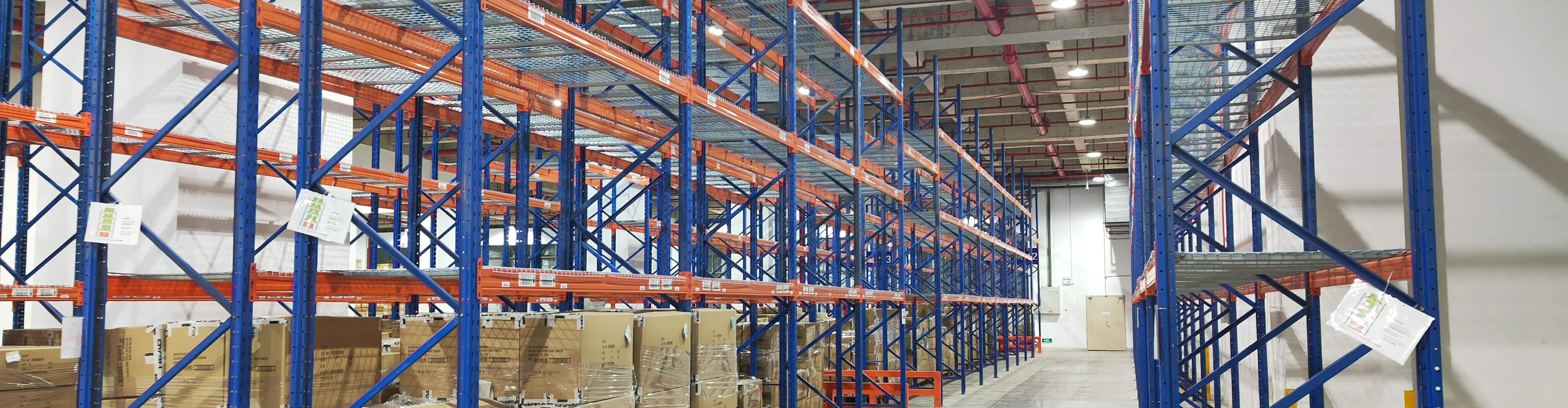
Heavy duty pallet racking lasts longer and performs more safely when it is inspected regularly, used within its load limits, protected from impact, and repaired correctly when damage appears. In most warehouses, premature racking problems come less from age and more from forklift strikes, overloaded beam levels, poor housekeeping, missing components, and small defects that are ignored until they become larger operational and safety issues.
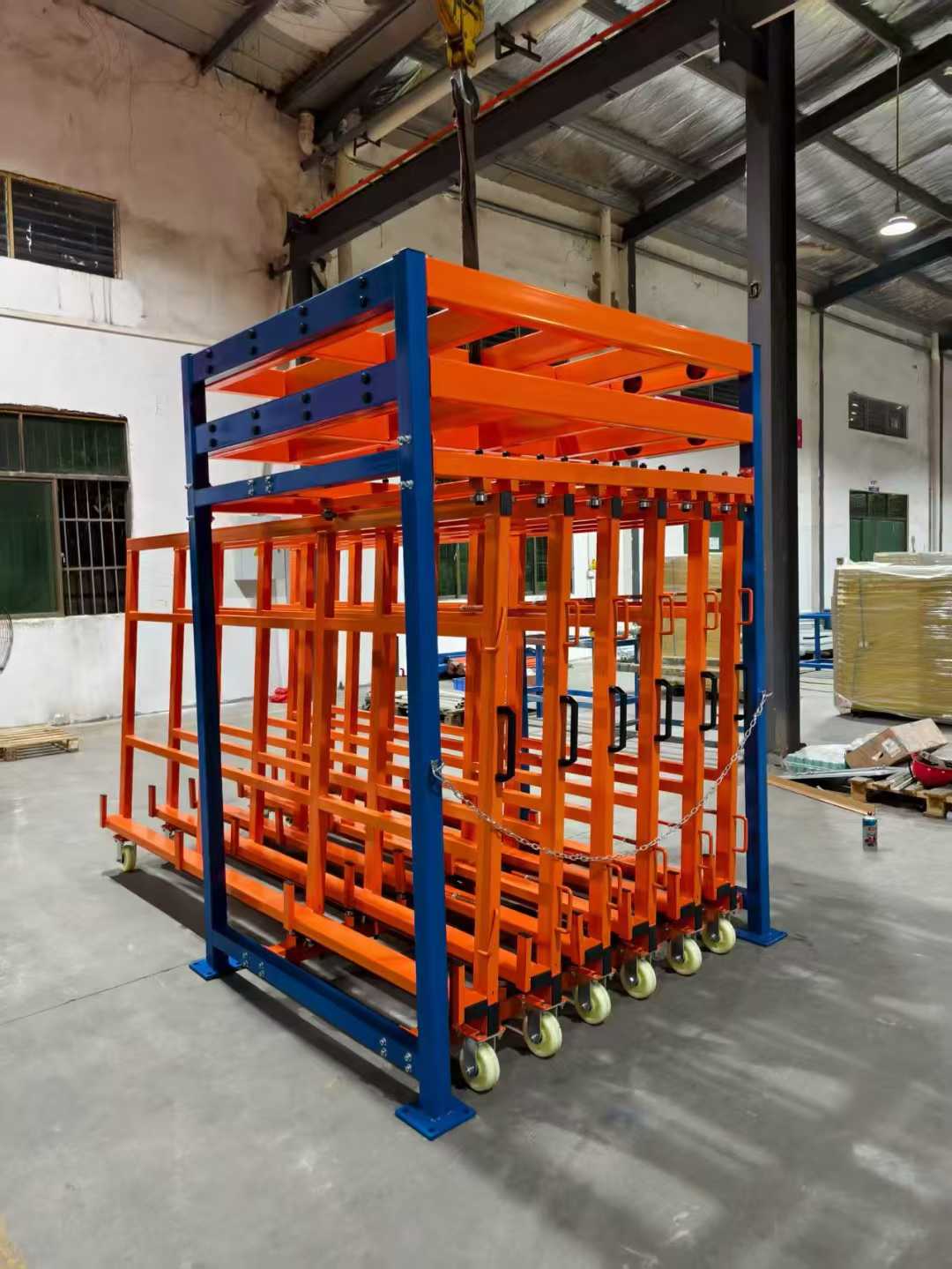
If you rely on heavy duty pallet racking for bulk pallet storage, reserve stock, or high-throughput warehouse operations, maintenance should be treated as part of day-to-day warehouse control rather than an occasional reaction to visible damage. A structured maintenance approach helps protect stock, reduce downtime, support safer forklift movement, and extend the usable life of the system.
Why heavy duty pallet racking maintenance matters
Heavy duty pallet racking is designed to carry substantial pallet loads, but its long-term performance depends on how it is used in real warehouse conditions. Rack frames, beams, baseplates, anchors, row spacers, safety locks, and protection accessories all work together as a system. When one part is damaged, missing, loose, or misused, the performance of the entire bay can be affected.
In practice, racking deterioration usually happens gradually. A forklift clips an upright. A beam connector is stressed. An anchor loosens. Pallets begin to overhang awkwardly. Housekeeping declines around the base of the rack. None of these issues may stop operations immediately, but together they increase the chance of product damage, instability, and operational disruption.
Regular maintenance of heavy duty pallet racking helps warehouse teams identify these issues early, before they lead to more costly repairs or unsafe storage conditions.
Common causes of wear and damage in heavy duty pallet racking
Understanding how heavy duty pallet racking gets damaged makes maintenance more effective. Most warehouses see the same recurring causes.
Forklift and pallet handling impact
Upright columns near aisle ends and lower frame sections are common impact points. Damage often occurs during pallet put-away, retrieval, or turning in narrow aisles. Even a low-speed strike can deform an upright or affect beam connections.
Overloading or uneven loading
Heavy duty pallet racking must be loaded according to its designed capacity and beam level configuration. Problems arise when operators place heavier pallets than intended, mix inconsistent load types without review, or concentrate weight unevenly across a level.
Poor pallet quality
Broken or weak pallets can collapse, shift loads onto beam edges, or cause dropped goods that damage rack components. Maintenance planning should include pallet condition checks, not only rack checks.
Missing or loose components
Beam safety locks, anchors, shims, row ties, and protection barriers are sometimes removed during operational changes and not replaced correctly. Heavy duty pallet racking cannot be expected to perform properly if key components are absent or unsecured.
Corrosion and environmental exposure
In damp warehouses, washdown areas, cold storage environments, or semi-exposed loading areas, corrosion can affect baseplates, anchors, and lower frame sections. Surface rust may begin as a cosmetic issue but can become more serious if ignored.
Housekeeping and floor condition problems
Debris around baseplates can hide damage or interfere with inspection. Uneven, cracked, or degraded floors can affect frame stability and anchoring over time. In busy facilities, these conditions are often overlooked because the racking itself appears unchanged from a distance.
What to inspect on heavy duty pallet racking
A practical inspection routine should focus on the components most likely to affect safety and performance. Heavy duty pallet racking does not need complicated daily analysis, but it does need consistent visual checks and periodic more detailed review.
1. Uprights and frames
Check for dents, bends, twists, or visible deformation, especially near the lower sections where forklift impact is most common. Compare suspicious frames with adjacent undamaged uprights if needed. Damage at the base of the frame should always be treated seriously.
2. Beams and beam connectors
Look for deflection, twisting, cracked welds, damaged end connectors, or signs that a beam has been struck during loading. Confirm beam locking devices are fitted and secure. A beam that has shifted out of position or lost its safety lock should be addressed immediately.
3. Baseplates and anchors
Inspect baseplates for distortion and anchors for looseness, pull-out, or corrosion. If the floor around the anchor is cracked or spalling, the problem may involve both the rack and the slab.
4. Bracing and row spacers
Frame bracing should be straight and intact. Row spacers in back-to-back runs should be present and secure. Missing or damaged bracing can reduce system stability.
5. Pallet support and load positioning
Check whether pallets sit properly on the beams with adequate support. Overhanging, broken, or poorly centered pallets can create unsafe loading conditions even when the heavy duty pallet racking itself is not visibly damaged.
6. Rack protection accessories
Column guards, end-of-aisle barriers, guide rails, and other protective items should be inspected for damage and secure fixing. These accessories often absorb impact that would otherwise reach the rack structure.
7. Load notices and identification
Make sure load signage is legible and still matches the current rack configuration. If beam levels have been changed, bays extended, or pallet types altered, posted load information should be reviewed accordingly.
Recommended inspection frequency
The right inspection schedule depends on traffic levels, pallet weight, forklift activity, and the general operating environment. A busy warehouse with frequent pallet movement needs closer attention than a low-turnover storage area.
- Daily or shift-based visual checks: Carried out by supervisors, forklift operators, or warehouse leads during normal operations. Focus on visible impact damage, dislodged beams, missing locks, and blocked aisles.
- Weekly housekeeping and damage review: Check aisle ends, upright bases, anchors, pallet condition, and any reported incidents.
- Monthly internal inspection: A more structured review of heavy duty pallet racking by a responsible site team member using a checklist.
- Periodic expert inspection: Depending on site risk and local requirements, arrange a more formal review by a competent rack inspection professional.
Frequency should increase if the warehouse has tight aisle widths, high forklift traffic, frequent product turnover, or a history of rack strikes.
How to build a practical maintenance routine
The most effective maintenance routines are simple enough to be followed consistently. Heavy duty pallet racking maintenance should be integrated into warehouse operations, not treated as a separate paperwork exercise.
Create a reporting process for rack damage
Operators should know how to report a rack strike or visible defect immediately. Delays often happen because teams assume minor damage is not worth escalating. In reality, early reporting is one of the lowest-cost ways to protect heavy duty pallet racking.
Use a standard checklist
A basic checklist helps supervisors review the same points each time. It should include uprights, beams, anchors, protection barriers, pallet overhang, signage, and housekeeping around the rack bases.
Tag and isolate damaged areas when needed
If a bay or component appears unsafe, prevent further loading until it has been assessed properly. Continuing to use visibly damaged heavy duty pallet racking to avoid short-term disruption often creates a larger operational problem later.
Keep inspection records
Record the date, location, issue found, action taken, and repair status. This helps identify recurring impact zones, training needs, and areas where additional rack protection may be justified.
Coordinate maintenance with operations
Repairs are easier and safer when planned around stock movement, replenishment cycles, and access requirements. In high-density warehouses, maintenance delays often occur because no one has planned when affected pallets can be moved.
Best practices to prevent damage to heavy duty pallet racking
Preventive measures usually deliver better value than repeated repairs. Most heavy duty pallet racking damage is operational, so prevention should focus on traffic flow, handling discipline, and rack protection.
Install protection where impact risk is highest
Use upright protectors and end-of-aisle barriers in exposed locations. These are especially valuable at aisle entrances, transfer zones, and corners where forklifts turn under pressure.
Review aisle width against truck type
If forklifts are operating in aisles that are too tight for the truck type, impact risk rises sharply. Damage prevention is not only about driver behavior; it is also about giving equipment enough room to work safely.
Train operators on load placement
Forklift operators should understand beam level clearances, pallet centering, and the risks of pushing loads into the rack structure. Poor placement habits can damage heavy duty pallet racking gradually even without a major collision.
Control pallet quality
Reject broken pallets before they enter storage. A damaged pallet can create unstable loading, dropped stock, and accidental contact with beams or bracing during handling.
Maintain clear aisles and good housekeeping
Loose wrap, broken timber, and product debris near rack bases increase the chance of handling errors and can hide developing damage. Good housekeeping supports both safer operations and better inspection quality.
When repair is appropriate and when replacement is the better option
Not every issue requires full rack replacement, but not every damaged component should remain in service either. The right decision depends on the type, location, and extent of damage, as well as whether original compatible components and proper repair methods are available.
Minor accessory replacement, such as damaged protection barriers or missing safety locks, is usually straightforward. More serious issues involving bent uprights, compromised beam connectors, damaged anchors, or repeated impact in the same area need more careful review.
Replacement is often the better option when:
- The structural component is visibly deformed
- Damage affects load-bearing elements
- Repeated impacts suggest an ongoing layout problem
- Correct matching parts are not available
- The rack configuration has changed from its original intended use
A common mistake is attempting improvised repair methods or reusing damaged parts because the rack still appears serviceable. Heavy duty pallet racking should be repaired with suitable components and methods, not temporary fixes that leave the root issue unresolved.
Operational changes that should trigger a rack review
Heavy duty pallet racking maintenance is not only about visible damage. Warehouses often change how they use the rack without reviewing whether the system still suits the application.
Review the racking if you plan to:
- Store heavier pallets than before
- Change pallet dimensions or load overhang
- Alter beam levels or bay spacing
- Switch forklift type or handling method
- Increase throughput significantly
- Convert reserve storage areas into faster-pick zones
- Expand upward and use more vertical space
These changes can affect clearances, load patterns, impact risk, and maintenance access. A rack that performed well in a low-turnover reserve area may face very different wear when moved into a faster, more congested operation.
Signs your heavy duty pallet racking maintenance plan is too weak
Some warehouses believe they are maintaining heavy duty pallet racking simply because obvious failures have not occurred. In reality, weak maintenance systems usually show warning signs long before a serious incident.
- Damage is noticed casually rather than through routine checks
- There is no clear record of rack strikes or repairs
- Load notices are missing, outdated, or ignored
- Operators regularly store poor-quality pallets
- Protection barriers are damaged and not replaced
- Baseplates are obstructed by debris or stock
- Beam locks or anchors are missing in some bays
- Rack modifications are made without review
If several of these conditions are present, the issue is usually not the heavy duty pallet racking alone. It points to broader warehouse control gaps involving supervision, training, housekeeping, and layout discipline.
FAQ
How often should heavy duty pallet racking be inspected?
Visible checks should happen daily or during normal operations, with more structured internal inspections carried out regularly based on warehouse activity. Higher-traffic sites need more frequent review.
What is the most common cause of damage to heavy duty pallet racking?
Forklift impact is one of the most common causes, especially at lower upright sections and aisle ends. Poor pallet quality and overloading are also frequent contributors.
Can damaged heavy duty pallet racking still be used temporarily?
If structural damage is suspected, continued use should be avoided until the affected area is assessed properly. Temporary use to keep operations moving can increase risk and make repairs more difficult later.
Do load changes require a rack review?
Yes. If pallet weight, dimensions, beam levels, or handling methods change, the heavy duty pallet racking should be reviewed to confirm it still suits the application.
Conclusion
Maintaining heavy duty pallet racking for long-term performance comes down to disciplined inspection, fast reporting of damage, proper load control, and practical prevention measures in the areas where impacts are most likely. The goal is not only to keep the rack standing, but to keep it safe, usable, and efficient under real warehouse conditions.
A good maintenance plan for heavy duty pallet racking is consistent rather than complicated. Check the right components, keep records, train operators, protect vulnerable areas, and review the system whenever warehouse operations change. That approach gives the racking a better chance of delivering reliable service over the long term.