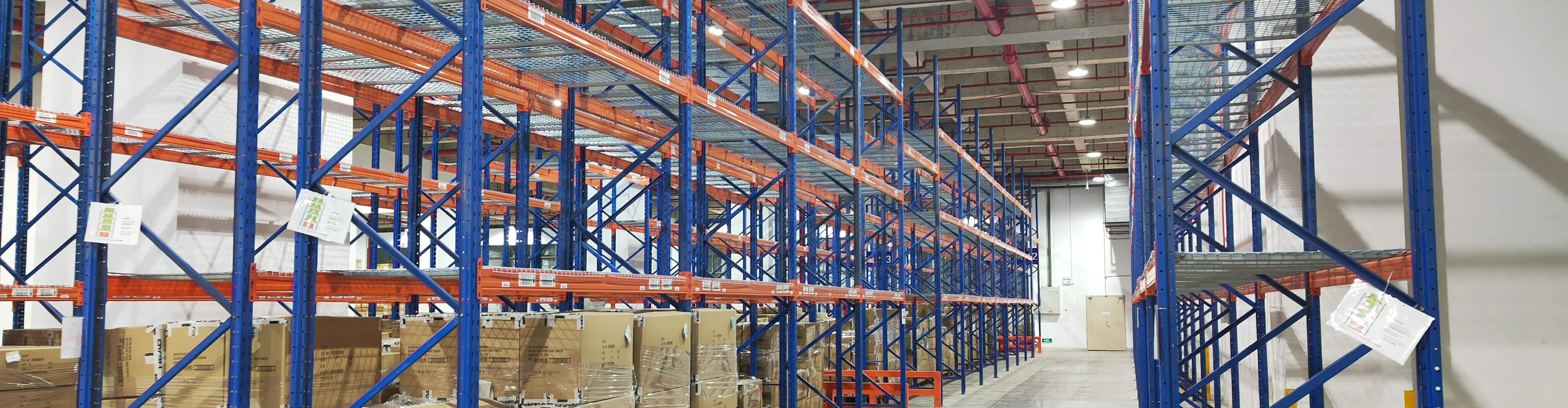
A heavy duty racking system is usually the right choice when a warehouse needs to store palletized goods safely, use vertical space efficiently, and support regular forklift handling. The best option depends less on a single product name and more on how your pallets move, how many SKUs you carry, how much selectivity you need, and how much storage density your operation can realistically manage.
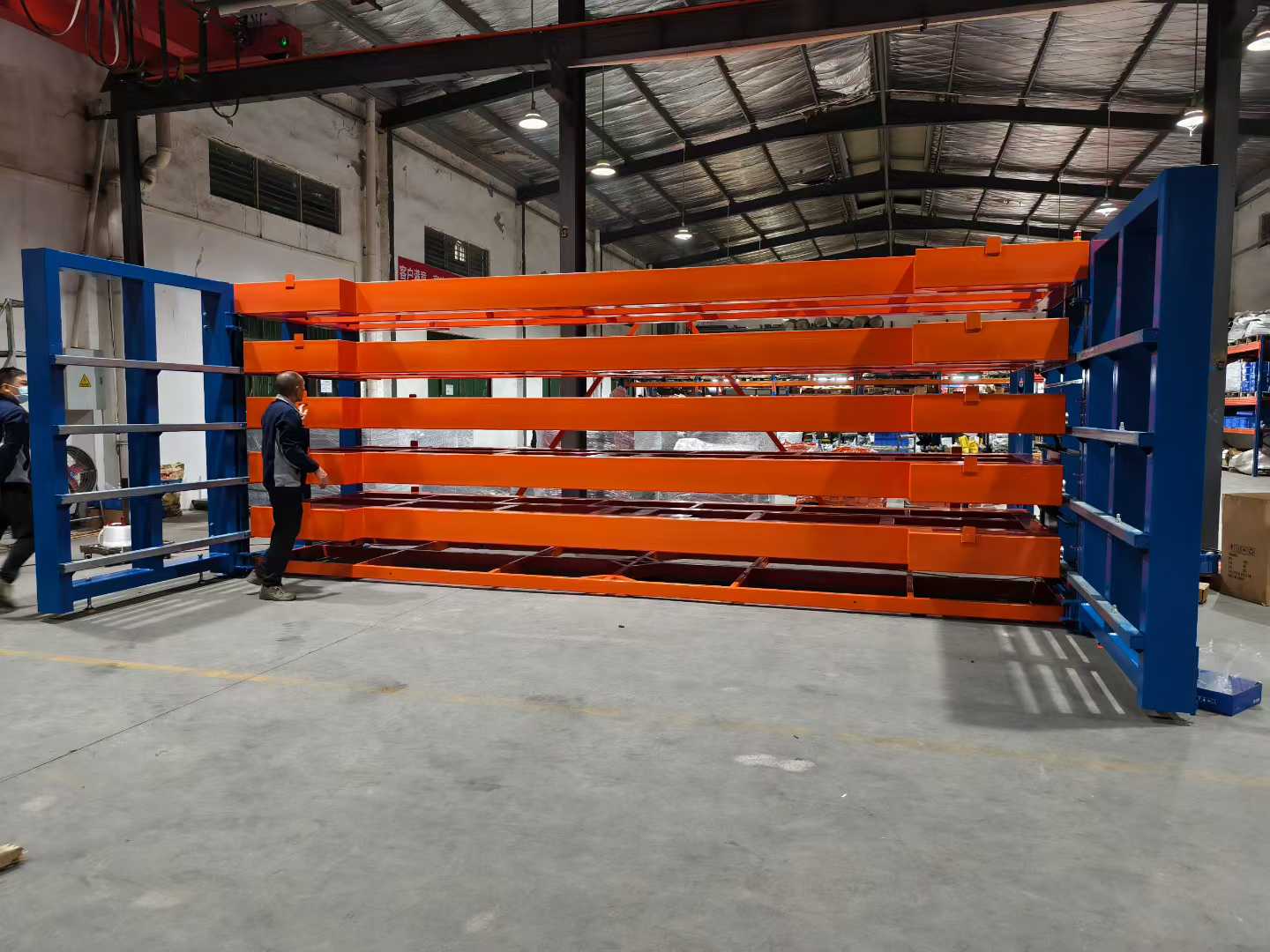
For most facilities handling standard pallets with frequent access requirements, selective pallet racking is the most practical heavy duty racking system. For higher density storage with fewer SKUs and larger batch quantities, drive-in, push back, or pallet flow systems may be more suitable. The real decision comes down to balancing access, density, speed, safety, and long-term flexibility.
What Is a Heavy Duty Racking System?
A heavy duty racking system is a warehouse storage structure designed to hold substantial pallet loads, bulky products, and industrial inventory using upright frames, beams, and related accessories. These systems are built for forklift access and are commonly used in manufacturing plants, distribution centers, logistics hubs, and bulk storage warehouses.
In practical terms, a heavy duty racking system is not one fixed layout. It is a category that includes several rack types designed for different handling patterns. Some prioritize direct access to every pallet. Others increase storage density by reducing aisle space or storing pallets in deeper lanes.
This is why the phrase “best heavy duty racking system” should always be tied to the actual operating requirement. A system that works well for fast-moving FMCG pallets may be inefficient for slow-moving industrial spare parts, and a layout built for dense bulk storage may create problems in a warehouse that needs frequent SKU access.
How to Choose the Best Heavy Duty Racking System
Choosing a heavy duty racking system starts with warehouse reality, not catalog features. Before comparing rack types, clarify the following:
- Are you storing full pallets only, or a mix of pallets and case picking?
- How many SKUs need to be stored?
- How many pallets do you hold per SKU?
- Do you need FIFO or is LIFO acceptable?
- What forklift types are used, and what aisle widths do they require?
- What is the clear building height and usable lift height?
- Is floor condition suitable for the proposed rack loads and traffic pattern?
- Will inventory volume grow in the next few years?
A heavy duty racking system should fit the flow of goods as much as the available space. Many storage problems come from choosing for maximum density without considering replenishment speed, picking access, or forklift maneuvering.
Main Types of Heavy Duty Racking System for Palletized Goods and Bulk Storage
1. Selective Pallet Racking
Selective pallet racking is the most widely used heavy duty racking system because it gives direct access to every pallet position. Each pallet can be loaded and retrieved independently, which makes it suitable for operations with many SKUs, mixed pallet turnover, and regular stock rotation.
This system works well when inventory visibility and flexibility matter more than maximum density. It is especially practical for general warehousing, third-party logistics, spare parts storage, and facilities where pallet profiles change over time.
Best suited for:
- High SKU count
- Frequent pallet access
- Mixed product ranges
- Warehouses needing flexible slotting
Limitations:
- Lower storage density than deep-lane systems
- Requires more aisle space
- May not be the best use of floor area for low-SKU bulk storage
2. Drive-In Racking
Drive-in racking is a heavy duty racking system designed for high-density pallet storage. Forklifts enter the rack lanes to place and retrieve pallets on rail supports. This reduces aisle count and increases cube utilization.
It is commonly used when there are large quantities of the same SKU and when direct access to every pallet is not necessary. Cold storage and seasonal stockholding often use this layout because density is often a higher priority than selectivity.
Best suited for:
- Bulk storage of low-SKU inventory
- Large pallet quantities per SKU
- Operations prioritizing storage density
Limitations:
- Lower selectivity
- Higher forklift impact risk inside lanes
- Requires disciplined pallet quality and operator control
- Less suitable for fast-moving mixed inventory
Drive-in can be effective, but it demands careful management. Poor pallet condition, inconsistent load sizes, or rushed forklift movement can quickly affect rack life and safety.
3. Push Back Racking
Push back racking is a heavy duty racking system that stores pallets on inclined carts or rollers. Loading a new pallet pushes the previous pallet backward, allowing multiple pallets to be stored in depth while still loading and unloading from the front aisle.
This system offers a middle ground between selectivity and density. It is useful when operations need better density than selective racking but want to avoid forklifts driving into the structure.
Best suited for:
- Medium SKU count
- Multiple pallets per SKU
- Faster loading and unloading from the aisle face
Limitations:
- Usually operates on LIFO principles
- Higher system complexity than standard selective racks
- Needs consistent pallet quality and proper load behavior
4. Pallet Flow Racking
Pallet flow racking uses gravity rollers so pallets move from the loading side to the picking side. This heavy duty racking system is commonly chosen when FIFO stock rotation is required and product throughput is high.
It is often used for food, beverage, cold chain, and production buffer storage where dated inventory or strict stock rotation matters.
Best suited for:
- FIFO inventory management
- High-throughput pallet movement
- Batch-controlled products
- Separated loading and retrieval faces
Limitations:
- Higher initial investment
- Requires accurate pallet specification control
- Less forgiving of damaged pallets or inconsistent loads
A pallet flow heavy duty racking system can improve throughput, but it only performs well when pallet quality, load weight consistency, and maintenance discipline are controlled.
5. Double Deep Racking
Double deep racking is a variation of selective pallet racking where pallets are stored two deep instead of one. It increases storage density compared with standard selective layouts while still preserving a relatively familiar rack structure.
Best suited for:
- Warehouses needing more density than selective racking
- Operations with multiple pallets per SKU
- Sites using suitable reach truck equipment
Limitations:
- Reduced selectivity
- Requires specialized forklift reach capability
- Can slow access to rear pallets
Which Heavy Duty Racking System Is Best for Your Warehouse?
If the question is asked in general terms, selective pallet racking is usually the safest answer for most warehouses because it offers the best combination of access, flexibility, and ease of operation. It is often the most practical heavy duty racking system for businesses storing different pallet types, changing SKU profiles, and mixed turnover inventory.
However, selective racking is not automatically the best use of space. If your warehouse stores many pallets of the same product and retrieval sequence is predictable, a denser heavy duty racking system such as drive-in, push back, or pallet flow may deliver better storage economics.
A useful way to decide is this:
- Choose selective racking if pallet accessibility is the main priority.
- Choose drive-in racking if maximum density matters more than selectivity.
- Choose push back racking if you want denser storage with front-face loading.
- Choose pallet flow racking if FIFO rotation is operationally important.
- Choose double deep racking if you need moderate density gains and have the right handling equipment.
Practical Decision Factors Buyers Should Review
Pallet Type and Load Consistency
A heavy duty racking system should be matched to actual pallet dimensions, overhang, load stability, and weight distribution. Not all pallets behave the same way. Damaged timber pallets, inconsistent load heights, and weak pallet bases create problems in deep-lane and gravity-based systems.
If pallet quality varies, a simpler heavy duty racking system is often more forgiving and easier to manage safely.
SKU Profile and Accessibility
Warehouses with many SKUs usually need direct access. In those environments, high-density storage can create congestion, reshuffling, and lost productivity. A dense heavy duty racking system only works well when pallet quantities per SKU are high enough to justify reduced selectivity.
Forklift Movement and Aisle Planning
Rack selection cannot be separated from forklift operation. Turning radius, lift height, mast type, and operator visibility all affect layout practicality. A heavy duty racking system that looks efficient on paper may perform poorly if aisles are too tight for safe handling or if lift trucks struggle at upper beam levels.
It is also worth checking whether traffic flow will remain clear during peak periods. Narrow aisles can improve storage capacity, but they may also increase waiting time and impact risk if throughput is high.
Ceiling Height and Vertical Use
One of the biggest advantages of a heavy duty racking system is the ability to use building height effectively. But upper levels only add value if the forklift fleet can reach them efficiently and if replenishment cycles justify the vertical storage. Very high racks can reduce floor pressure on storage space, but they also increase planning demands around beam levels, clearances, and safe handling.
Floor Condition and Load Capacity
Rack performance depends on the floor as much as the steel structure. Uneven slabs, poor anchoring conditions, or insufficient floor capacity can complicate installation and long-term stability. Before finalizing any heavy duty racking system, buyers should make sure floor suitability is properly reviewed.
Expansion and Reconfiguration
Some warehouses outgrow their original layout faster than expected. A heavy duty racking system should be assessed not only for today’s stockholding but also for future SKU growth, throughput changes, and possible process shifts. Selective systems are often easier to adapt. Denser systems may deliver better short-term capacity but can be harder to reconfigure later.
Common Mistakes When Selecting a Heavy Duty Racking System
- Choosing based only on maximum pallet count without reviewing access needs
- Ignoring pallet quality and load consistency
- Underestimating forklift operating requirements
- Using deep-lane systems for high-SKU storage
- Failing to plan for inspection access and rack protection
- Not considering future expansion or product mix changes
- Assuming every heavy duty racking system is equally suitable for FIFO rotation
These mistakes are common because storage density is easy to measure, while operational inefficiency often appears later. The right heavy duty racking system should improve storage capacity without creating avoidable handling delays or safety exposure.
Safety, Inspection, and Maintenance Considerations
Any heavy duty racking system needs regular inspection and disciplined daily use. Damage often starts with small forklift impacts, overloaded beam levels, missing safety locks, or poor housekeeping around rack bases. Left unaddressed, these issues can affect rack integrity and disrupt operations.
Practical inspection points include:
- Visible upright damage or twisting
- Beam deflection or dislodged connectors
- Missing locking pins or safety clips
- Damaged anchors or base plates
- Pallet overhang problems
- Signs of overloading or misused beam levels
- Impact damage in drive-in entry points and aisle ends
A heavy duty racking system also benefits from rack protection such as column guards, end-of-aisle barriers, and clear load signage. These are not substitutes for good operator behavior, but they help reduce avoidable damage in busy pallet handling environments.
How to Match the System to Real Storage Scenarios
For a general warehouse with many SKUs
Selective pallet racking is usually the most effective heavy duty racking system. It supports direct pallet access, easier stock control, and simpler slotting changes.
For bulk storage of the same product
Drive-in racking or push back racking may be a better heavy duty racking system if storage density is more valuable than direct access to every pallet.
For FIFO-sensitive inventory
Pallet flow is often the more suitable heavy duty racking system where dated stock rotation and throughput discipline are important.
For facilities short on space but needing moderate access
Double deep racking can be a practical compromise if the forklift fleet and pallet profile support it.
FAQ
What is the most common heavy duty racking system?
Selective pallet racking is the most common heavy duty racking system because it offers direct access to each pallet and works well for a wide range of industries and SKU profiles.
Which heavy duty racking system gives the highest storage density?
Drive-in and pallet flow systems can provide higher density than standard selective racking, but the best choice depends on SKU count, rotation method, and pallet handling discipline.
Is a heavy duty racking system suitable for bulk storage?
Yes. A heavy duty racking system is widely used for bulk pallet storage, especially when the layout is selected around pallet volume, turnover pattern, and forklift access requirements.
How do I know if selective racking is enough?
If your warehouse carries many SKUs, needs frequent access to individual pallets, and changes slotting often, selective racking is usually the most practical starting point.
Conclusion
The best heavy duty racking system for palletized goods and bulk storage is the one that matches your inventory profile, handling method, and space constraints without creating unnecessary complexity. For many warehouses, selective pallet racking remains the most practical solution because it is flexible, accessible, and easier to manage. For denser bulk storage, drive-in, push back, double deep, or pallet flow may be more efficient when used in the right conditions.
Before choosing any heavy duty racking system, review pallet type, SKU mix, forklift operation, aisle planning, floor condition, inspection access, and future expansion needs. A good rack layout should not only fit more pallets. It should support safe, consistent, and cost-effective warehouse operation over time.