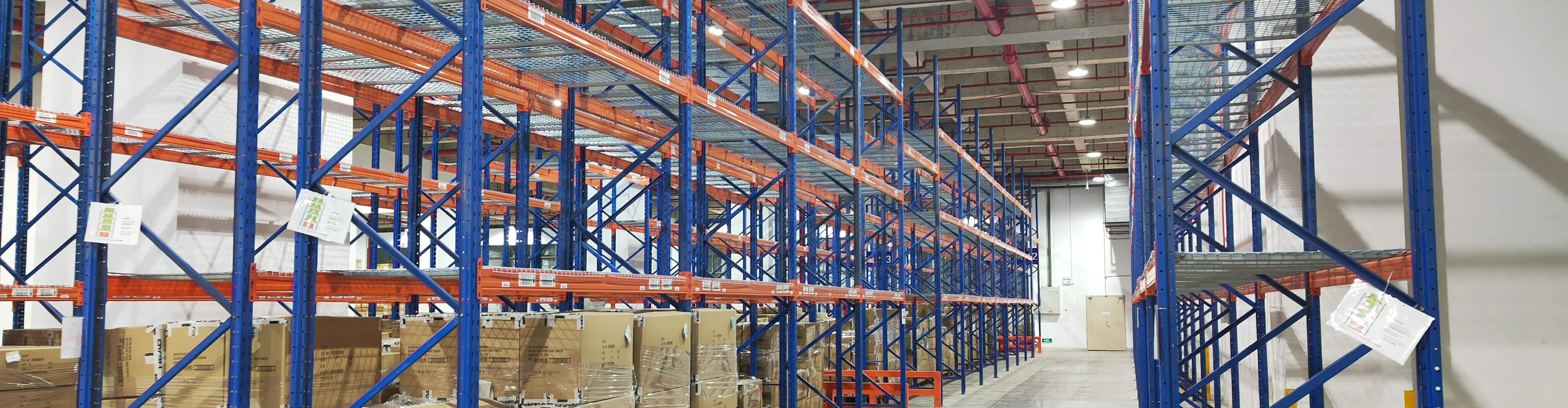
A heavy duty racking system is designed for higher load capacity, larger palletized goods, frequent forklift handling, and more demanding warehouse conditions. Standard storage racks are usually intended for lighter loads, hand-loaded items, smaller stock volumes, or backroom storage where structural demands are lower. That is the core difference, but in practice the right choice depends on load weight, access method, SKU profile, building height, floor condition, and how the storage area actually operates day to day.
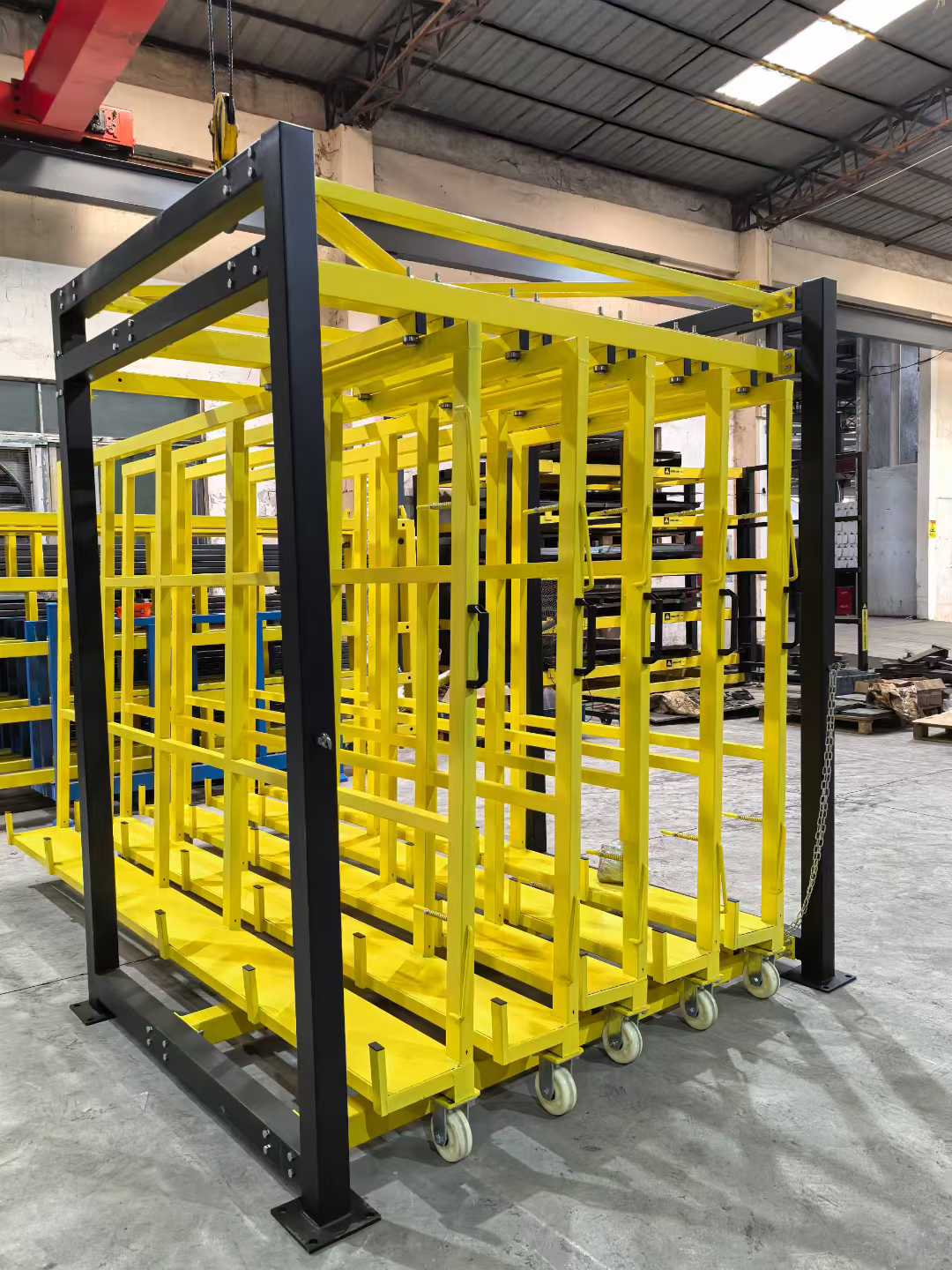
For warehouse managers and buyers, the comparison is not only about strength. It is about whether the storage system matches the handling equipment, the inventory type, and the level of operational risk. Choosing a heavy duty racking system when you only store light cartons can waste space and budget. Choosing standard storage racks for pallet loads or forklift traffic can create safety problems, damage, and early replacement costs.
What is a heavy duty racking system?
A heavy duty racking system is a structural storage solution built to hold heavier loads and support industrial warehouse operations. It commonly uses steel uprights, beams, bracing, anchors, and accessories designed for pallet storage, mechanical handling, and higher bay heights. These systems are often used in distribution centers, manufacturing plants, third-party logistics facilities, cold storage rooms, and bulk storage areas.
In most warehouses, a heavy duty racking system is selected when goods are stored on pallets, moved by forklifts, and stacked vertically to use building height efficiently. The design usually considers beam levels, bay width, upright depth, aisle requirements, load distribution, and impact risk from handling equipment.
Common applications include:
- Full pallet storage
- Bulk industrial components
- Raw material storage
- Finished goods warehouses
- High-volume replenishment zones
- Facilities with regular forklift movement
What are standard storage racks?
Standard storage racks generally refer to lighter-duty shelving or rack systems used for cartons, bins, loose items, archives, tools, spare parts, or manually handled inventory. Depending on the design, they may include longspan shelving, light-duty shelving, boltless shelving, or general-purpose rack units used in stockrooms and smaller storage spaces.
These systems are often suitable where items are picked by hand rather than by forklift, where load weights per level are moderate, and where the operating environment is less intensive than a pallet warehouse. Standard storage racks can be very effective for small parts storage, maintenance stores, retail backrooms, and low-height storage areas.
They are not automatically inferior. In the right application, standard racks are more practical, easier to access for hand picking, and more cost-efficient than a heavy duty racking system.
Heavy duty racking system vs standard storage racks: the main differences
1. Load capacity
The most obvious difference is load capacity. A heavy duty racking system is built for heavier unit loads, often palletized goods or dense industrial products. Standard storage racks are intended for lighter stock and lower level loads.
This matters because the rack must safely support not only the product weight but also the way that weight is distributed. Pallet loads can create concentrated point loads, especially if pallets are damaged, uneven, or overloaded. A heavy duty racking system is generally better suited to these conditions than standard shelving or lighter racks.
2. Handling method
A heavy duty racking system is usually designed for forklift access, reach trucks, pallet jacks, or other material handling equipment. Standard storage racks are more commonly used for hand loading and manual picking.
If your operation depends on regular pallet put-away and retrieval, standard racks may not provide the structural strength, bay dimensions, or clearance needed for safe mechanical handling. Forklift traffic also increases the risk of upright impact, which makes rack protection and proper anchoring more important.
3. Storage unit type
A heavy duty racking system is generally used for pallets, crates, drums, or large industrial loads. Standard storage racks are more appropriate for bins, cartons, tools, spare parts, and smaller packaged items.
This distinction affects beam spacing, shelf type, rack depth, and picking ergonomics. If your inventory is mainly small SKU lines with frequent order picking, standard racks may support faster manual access. If your inventory moves in pallet quantities, a heavy duty racking system is usually the more practical choice.
4. Warehouse height and vertical use
A heavy duty racking system is often installed to take advantage of vertical warehouse height. It can support multiple beam levels and higher storage elevations, provided the building, floor, and handling equipment are suitable. Standard storage racks are usually lower in height and more limited in vertical capacity.
In facilities where floor space is tight but ceiling height is available, a heavy duty racking system can improve cube utilization significantly. However, higher storage also means greater planning needs around aisle width, forklift lift height, sprinkler clearance, lighting, and inspection access.
5. Structural robustness
Heavy duty systems are built for tougher operating environments. They are more likely to include industrial-grade frames, beam locks, base plates, floor anchors, row spacers, and rack guards. Standard storage racks are generally less robust because they are not intended for the same load demands or impact exposure.
This does not mean every warehouse needs the heaviest possible structure. It means the rack must match the environment. In a calm stockroom with manual picking, standard racks can perform well. In a busy pallet warehouse, a heavy duty racking system is usually the safer and more durable option.
6. Cost and installation complexity
Standard storage racks usually cost less to purchase and install than a heavy duty racking system. They may also be easier to reconfigure for changing shelf heights or mixed small-item storage. A heavy duty racking system often involves more design coordination, load planning, anchoring, layout work, and equipment compatibility checks.
That said, the lower upfront cost of standard racks can become a false economy if the application really requires pallet racking. Damage, poor access, overloaded levels, and inefficient handling can quickly outweigh initial savings.
When a heavy duty racking system is the better choice
A heavy duty racking system is usually the better option when the warehouse stores palletized loads, heavy products, or high stock volumes and relies on mechanical handling. It is also the stronger choice where vertical storage is needed to maximize available height.
You should seriously consider a heavy duty racking system if your operation includes:
- Regular forklift loading and unloading
- Heavy pallets or dense product loads
- Bulk storage requirements
- High bay storage layouts
- Fast pallet throughput
- A need for scalable warehouse capacity
- Industrial environments with frequent equipment movement
Examples include manufacturing warehouses, distribution centers, raw material stores, and export packing areas where products move in pallet quantities rather than piece picking.
When standard storage racks may be more suitable
Standard storage racks may be more suitable when products are lightweight, manually handled, and stored in smaller units. They also make sense when the operation requires direct hand access to many SKUs and the storage area does not justify a full heavy duty racking system.
Typical good-fit situations include:
- Parts rooms and maintenance stores
- E-commerce pick shelves for smaller items
- Retail backroom storage
- Archive and document storage
- Tool cribs
- Low-volume stockrooms
- Carton and bin storage without forklift handling
In these environments, standard racks can improve pick speed and reduce unnecessary structural cost. They may also be easier to adapt if product dimensions change frequently.
Operational trade-offs buyers should think about
Accessibility vs density
A heavy duty racking system can support efficient pallet storage, but not every configuration delivers the same accessibility. For example, selective pallet racking gives direct access to each pallet but uses more aisle space. Denser systems may store more pallets but reduce selectivity. Standard storage racks often offer very good manual access for small items but are less efficient for pallet storage.
The right decision depends on whether your priority is full-pallet access, dense storage, fast piece picking, or a balance of all three.
SKU mix
If your warehouse holds many SKUs with low quantities per item, standard storage racks may support picking better than a heavy duty racking system. If you store fewer SKUs in larger pallet volumes, a heavy duty racking system often aligns better with the inventory profile.
This is a common planning mistake: selecting a pallet-oriented system for an operation that really behaves like a picking warehouse, or selecting light racks for stock that should remain palletized.
Forklift aisle width and maneuvering
A heavy duty racking system needs a layout that matches the equipment used. Reach trucks, counterbalance forklifts, and very narrow aisle equipment all have different aisle requirements. If aisles are too narrow for actual operations, productivity drops and rack damage risk increases. Standard storage racks in manual areas have different circulation needs and can often be arranged more flexibly.
Before choosing a system, it is worth reviewing turning radius, pallet overhang, beam clearance, and staging space at aisle ends.
Floor condition and anchoring
A heavy duty racking system places more demand on the floor because of concentrated loads at base plates and anchors. Uneven floors, poor slab condition, or unverified load-bearing capacity can complicate installation. Standard storage racks may be less demanding, though floor level and stability still matter.
This is often overlooked during budgeting. The rack may be suitable, but the floor may need repair, leveling, or confirmation before installation proceeds.
Future expansion
If inventory volume is expected to grow, a heavy duty racking system may offer a better long-term platform for expansion. Additional bays, levels, protection accessories, or layout extensions may be easier to integrate if the initial design allows for growth. Standard racks can also be expanded, but they may reach practical limits sooner in industrial settings.
It is usually cheaper to plan for future capacity during the first layout stage than to redesign the whole storage area later.
Common mistakes when comparing these systems
- Comparing only purchase price without considering handling method and load requirements
- Using standard storage racks for pallet loads because they appear similar visually
- Ignoring forklift impact risk and the need for rack protection
- Underestimating the importance of floor condition and anchoring
- Choosing rack height without checking equipment lift height and clearance
- Not planning for SKU growth, replenishment flow, or future layout changes
- Assuming a heavy duty racking system is always the right answer for every warehouse
In practice, the best choice is the one that supports safe handling, realistic load conditions, and efficient daily work.
How to choose between a heavy duty racking system and standard racks
A simple selection process can help narrow the decision:
1. Define the actual load
List the product type, pallet size, unit weight, and whether loads are uniform or mixed. Do not estimate casually. Rack selection starts with reliable load information.
2. Review the handling process
Decide whether goods are hand-picked, pallet-moved, or both. If forklifts are part of the operation, a heavy duty racking system is often necessary.
3. Check space constraints
Measure clear height, column positions, door access, aisle potential, and staging areas. Storage design should fit the building, not just the product.
4. Look at SKU behavior
High-SKU, low-quantity operations often benefit from accessible shelving. Lower-SKU, high-volume operations often benefit from pallet racking.
5. Consider safety and maintenance
A heavy duty racking system requires regular inspection for impact damage, beam security, anchor condition, and overloading. Standard racks also need review, but the risk profile is usually different. Choose a system your team can operate and maintain properly.
6. Plan for growth
If the warehouse may add more pallets, larger loads, or more equipment traffic later, selecting a heavy duty racking system early may avoid disruption and replacement costs.
Inspection and maintenance differences
A heavy duty racking system usually needs stricter routine checks because the consequences of damage or misuse are greater. Upright dents, beam deflection, missing safety locks, loose anchors, and collision damage should be identified early. Load notices, pallet condition, and proper placement also matter.
Standard storage racks still need inspection, especially for bent shelves, loose connections, corrosion, instability, or overloading by staff who assume every level can hold the same weight. The difference is that a heavy duty racking system typically operates under higher structural demand and more frequent equipment interaction.
For both systems, good housekeeping, staff training, and reporting of damage are just as important as the rack itself.
FAQ
Can standard storage racks hold pallets?
Some rack designs can support pallet storage, but many standard storage racks are not intended for forklift-loaded pallets or heavy unit loads. The safe answer depends on the actual rack design, load rating, and handling method.
Is a heavy duty racking system always more expensive?
Usually yes in terms of upfront cost, but it may be more economical over time if the warehouse stores heavy pallets or uses forklifts regularly. The right comparison is total suitability, not only purchase price.
Which system is better for small parts and many SKUs?
Standard storage racks are often better for small parts, bins, and manual picking because they provide easier direct access and more practical shelf-based organization.
What is the biggest risk of choosing the wrong rack type?
The biggest risk is a mismatch between the rack and the real operating load. That can lead to damage, poor workflow, wasted space, unsafe handling, and avoidable replacement costs.
Final decision framework
If your operation stores palletized goods, uses forklifts, carries heavy loads, and needs to use vertical space efficiently, a heavy duty racking system is usually the correct direction. If your storage is manual, lighter, lower, and more SKU-focused, standard storage racks may be the smarter and more economical choice.
The key difference is not simply strength. It is whether the storage system fits the way your warehouse actually works. A heavy duty racking system should be chosen when load, handling, and growth requirements justify it. Standard racks should be chosen when accessibility, lighter inventory, and manual picking make them more practical. The better decision comes from matching the rack to the operation, not from assuming one category suits every facility.