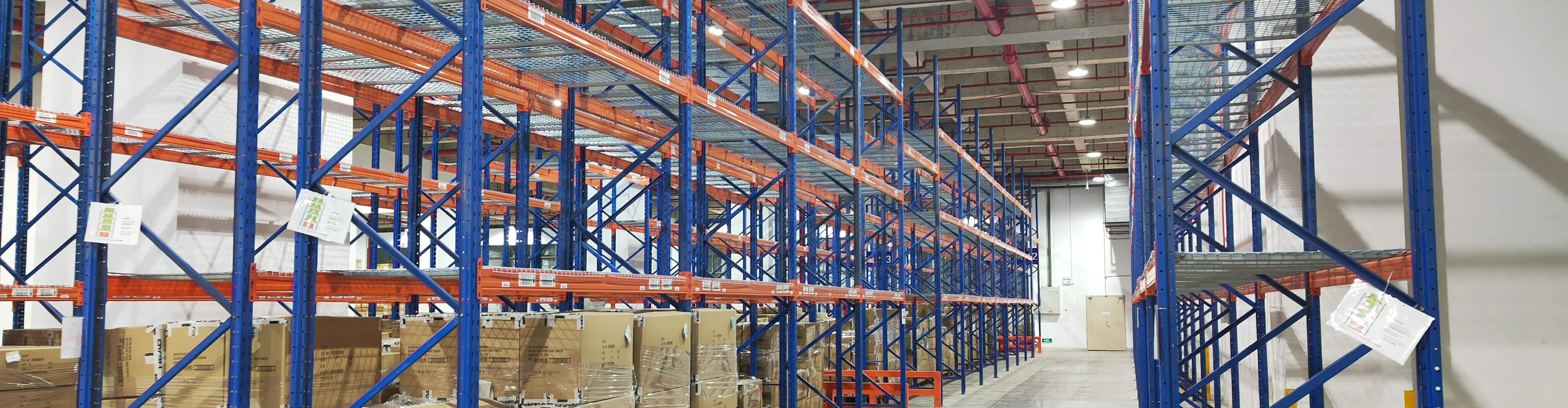
A heavy duty racking system is designed to store substantial pallet loads safely and efficiently in industrial environments. Buying the right system is not just about load capacity. It depends on your pallet type, forklift operation, SKU profile, building constraints, floor condition, inspection routine, and future expansion plans. For most industrial facilities, the right choice comes from balancing storage density, selectivity, safety, and day-to-day workflow rather than simply choosing the highest-capacity rack available.
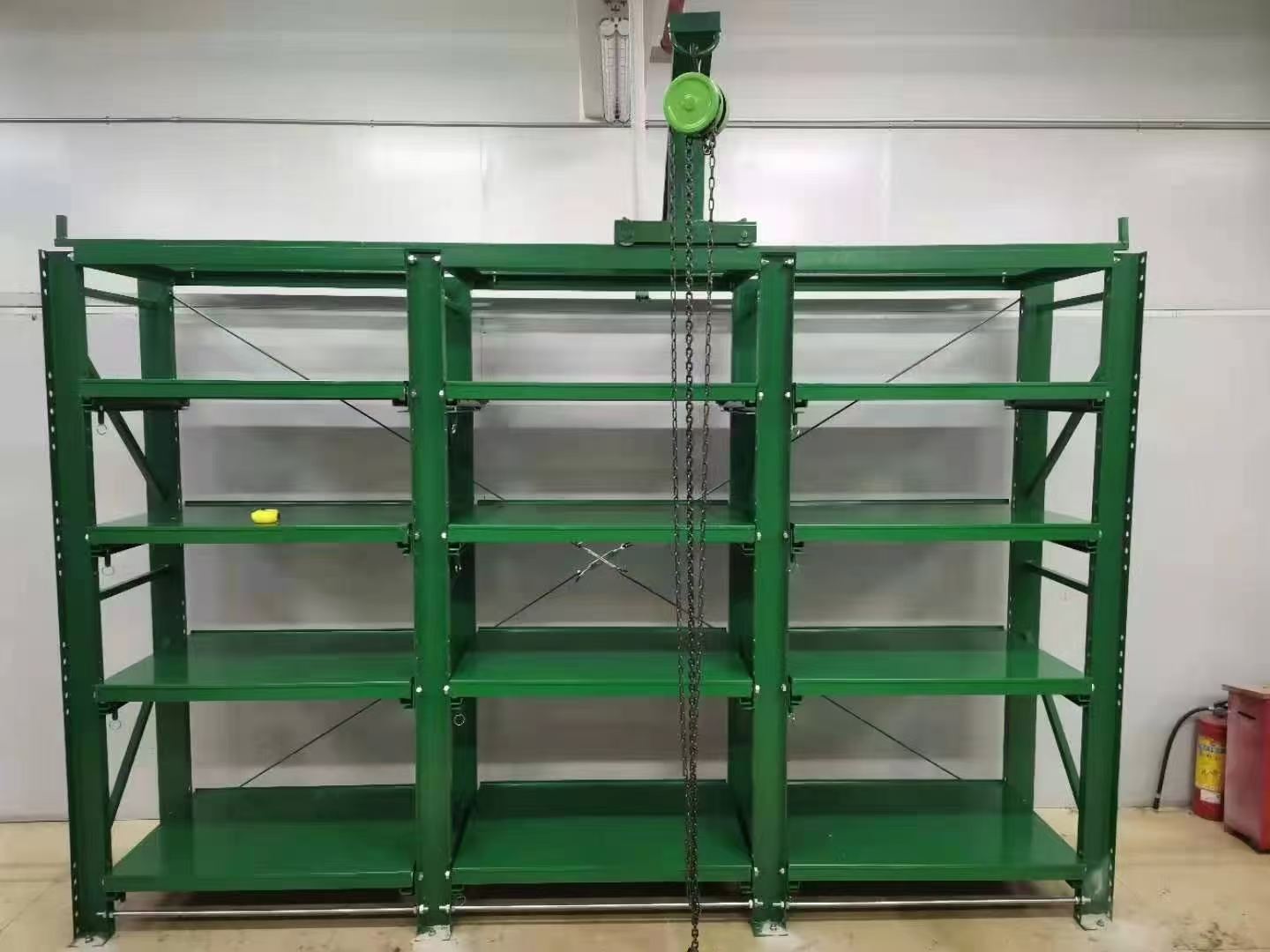
This guide explains how to evaluate a heavy duty racking system before purchase, what questions to ask suppliers, and which planning mistakes commonly create cost and operational problems later.
What buyers should expect from a heavy duty racking system
A heavy duty racking system is typically used for palletized goods, bulk industrial materials, components, finished products, and reserve stock in warehouses, factories, and distribution facilities. Compared with lighter shelving, it is built for higher loads, forklift access, and larger bay configurations.
In practice, buyers usually expect three things from a heavy duty racking system:
- Safe load support for palletized or unitized goods
- Efficient use of floor area and clear height
- Reliable access for put-away, replenishment, and order fulfillment
The challenge is that these goals can conflict. A layout that improves storage density may reduce direct access. A system that supports fast picking may use more floor space. A lower-cost installation may become restrictive if SKU count or throughput increases. That is why a buying decision should start with operational requirements, not just price per bay.
Start with the storage profile, not the rack catalog
Before comparing beam sizes, frame depths, or accessories, define what the system needs to store and how it will be used. A heavy duty racking system should match the real inventory and handling pattern of the facility.
Key questions to answer first
- What are the pallet dimensions and maximum loaded pallet weight?
- Are loads uniform, or do dimensions vary by product line?
- How many SKUs require direct access?
- Is the stock rotation FIFO, LIFO, or mixed?
- Will the system be used mainly for reserve storage, picking, or both?
- What forklift types operate in the area?
- How much clear building height is available after lighting, sprinklers, and services are considered?
- Are there any floor condition or slab loading limitations?
If these answers are unclear, the risk of buying the wrong heavy duty racking system rises quickly. For example, a system planned around standard pallets may perform poorly if loads overhang, vary in depth, or arrive inconsistently wrapped. Likewise, a dense layout can look efficient on paper but become slow and damage-prone if forklift turning space is too tight.
Main heavy duty racking system options to consider
The term heavy duty racking system covers several rack types. The right option depends on whether your priority is accessibility, density, stock rotation, or a mix of these.
Selective pallet racking
This is the most common heavy duty racking system for industrial facilities because it provides direct access to every pallet position. It suits operations with many SKUs, mixed pallet movement, and changing inventory profiles.
Good fit for:
- General warehousing
- Mixed SKU storage
- Facilities needing easy access to each pallet
- Operations that value flexibility and simpler inspection
Limitations:
- Lower storage density than compact systems
- Can require more aisle space
Drive-in and drive-through racking
This heavy duty racking system increases storage density by reducing aisle count. Forklifts enter the rack structure to place or retrieve pallets from rails.
Good fit for:
- High-volume storage of similar products
- Low SKU count with multiple pallets per SKU
- Cold storage or space-constrained facilities where density matters
Limitations:
- Reduced selectivity
- Higher potential for forklift impact damage
- Operational discipline is important
- May be less suitable for fast-moving mixed inventory
Double deep racking
Double deep layouts store pallets two positions deep, improving density compared with standard selective racks. They usually require suitable reach truck handling and disciplined stock management.
Good fit for:
- Facilities seeking a compromise between density and access
- Reserve storage with repeat pallet profiles
Limitations:
- Not every pallet is directly accessible
- May require specialized handling equipment
- Can slow retrieval if stock sequencing is poor
Push back or pallet flow systems
These are often considered when storage density and stock rotation control matter. They can be effective, but they are more application-specific than standard selective racking.
Good fit for:
- Batch storage
- Lane-based inventory management
- Operations wanting denser pallet storage with controlled flow
Limitations:
- Higher system complexity
- More components to inspect and maintain
- Less suitable if pallet quality is inconsistent
How to choose the right heavy duty racking system for your facility
1. Match the rack to pallet handling equipment
A heavy duty racking system should be planned around the actual forklift fleet, not an assumed one. Counterbalance forklifts, reach trucks, and articulated trucks all need different aisle allowances and have different lift and handling characteristics.
If aisles are designed too narrowly, productivity falls and rack damage risk rises. If aisles are too wide, the facility gives up storage capacity. The right balance depends on your truck type, operator skill, pallet dimensions, and turning behavior at peak activity times.
2. Review building height and usable vertical space
Not all clear height is usable height. Buyers should account for roof slope, sprinklers, lighting, ducting, and lift clearances. A heavy duty racking system may look efficient in a concept drawing but lose a full beam level once real building obstructions are considered.
It is also worth checking whether higher storage levels will remain practical for your operation. Very tall racks can improve cube utilization, but if replenishment becomes slow or handling becomes more sensitive, the operational benefit may be smaller than expected.
3. Check floor condition and anchoring requirements
A heavy duty racking system relies on proper anchoring and a suitable floor. Uneven slabs, damaged concrete, or weak areas can complicate installation and affect long-term performance. Buyers should not treat the slab as a minor detail. Floor flatness, joint condition, and load-bearing suitability can influence both rack stability and forklift operation.
If the floor has known issues, this should be addressed early in the project rather than after layout approval.
4. Think about SKU profile and selectivity
Facilities with many SKUs usually benefit from a heavy duty racking system that offers direct pallet access. High-density systems can reduce floor space use, but they work best when each lane or channel holds multiple pallets of the same item.
If your product mix changes often, highly compact storage can create hidden inefficiencies: more relocations, more blocked pallets, slower picking, and more reliance on operator discipline.
5. Plan for inspection and maintenance access
A heavy duty racking system should be easy to inspect and maintain in real operating conditions. Dense layouts sometimes reduce access to damaged uprights, anchors, or rear bays. That can delay repairs or make routine inspections less effective.
Buyers should consider how teams will check for impact damage, beam seating issues, missing safety locks, upright deformation, and overloaded positions after the system is in use.
6. Leave room for future changes
Many industrial facilities outgrow their original layout faster than expected. A heavy duty racking system should be evaluated not only for current pallet count but also for future SKU growth, throughput changes, revised picking methods, or equipment upgrades.
A layout with no flexibility may force expensive rework later. Expansion planning can include spare bay capacity, compatible components, phased installation, or a layout that can be extended into adjacent zones.
Important technical and commercial questions to ask before buying
Procurement teams often compare quotations too early, before confirming whether each proposed heavy duty racking system is based on the same assumptions. That can lead to misleading price comparisons.
Ask suppliers to clarify the following:
- The exact pallet size, load weight, and beam level assumptions used in the proposal
- The proposed bay widths, frame depths, and number of beam levels
- Required aisle widths for the intended handling equipment
- Whether load notices and safety accessories are included
- Anchor and baseplate assumptions
- Protection accessories such as upright guards or end-of-aisle protection
- Installation scope and exclusions
- Any assumptions related to floor condition or tolerances
- Lead time for supply, installation, and future add-on components
This approach helps ensure you are comparing like for like rather than choosing a lower quote that omits important items.
Common buying mistakes with a heavy duty racking system
Choosing density over usability
A dense heavy duty racking system can look attractive when floor space is tight, but if it slows stock access or increases handling complexity, the operational cost may outweigh the space savings.
Ignoring pallet quality
Damaged or inconsistent pallets can create problems in many rack types, especially systems with rails, deep lanes, or flow mechanisms. Rack design should reflect the actual pallet condition in circulation, not ideal pallets only.
Underestimating forklift impact risk
In busy facilities, rack damage often starts at lower uprights, end frames, and aisle entries. A heavy duty racking system should be specified with realistic protection and enough maneuvering space.
Planning only for current inventory
A system that fits today’s stock profile may become restrictive after product range changes, throughput growth, or a shift from reserve storage to mixed picking.
Comparing quotes without checking assumptions
Lower price does not always mean lower total cost. Missing accessories, reduced protection, fewer beam levels, or unrealistic aisle assumptions can distort the comparison.
Safety, inspection, and operational discipline matter after purchase
Buying a heavy duty racking system is only the start. Long-term value depends on safe use, routine checks, and timely repair when damage appears. Industrial facilities should establish clear internal rules for load placement, beam overloading prevention, reporting impact damage, and keeping aisles clear.
Routine checks typically focus on:
- Damaged uprights and bracing
- Dislodged or damaged beams
- Missing locking pins or safety clips
- Loose anchors or damaged base areas
- Overloaded or badly positioned pallets
- Rack protection damage at aisle ends and impact zones
A heavy duty racking system performs well when it is treated as part of the operating process, not just a static fixture installed once and forgotten.
When a heavy duty racking system may not be the right answer
Not every facility needs the same pallet storage approach. A heavy duty racking system may be less suitable if the inventory is mostly small-parts picking, if goods are not palletized consistently, or if the operation depends heavily on manual access to cartons rather than full-pallet handling.
In those cases, longspan shelving, multi-tier shelving, mezzanine-supported picking areas, or mixed storage layouts may be more practical. Some facilities also benefit from combining a heavy duty racking system for reserve stock with a separate picking solution for faster order preparation.
FAQ
How do I know which heavy duty racking system is best for my warehouse?
Start with pallet size, pallet weight, SKU count, stock rotation, and forklift type. If you need direct access to many SKUs, selective pallet racking is often the most practical starting point. If density is the main goal and SKU variety is lower, compact systems may be worth evaluating.
What is the biggest mistake when buying a heavy duty racking system?
One of the most common mistakes is choosing a layout based on storage density alone without checking how it will affect forklift movement, stock access, inspection, and future flexibility.
Can a heavy duty racking system be expanded later?
Often yes, but expansion depends on the original layout, component compatibility, available floor space, and whether future operational needs were considered early. It is better to discuss expansion potential before the first installation phase.
Does a heavy duty racking system require regular inspection?
Yes. Industrial racking should be checked routinely for impact damage, loose components, missing safety devices, overloaded levels, and pallet handling issues. Inspection frequency depends on usage intensity and site conditions.
Final buying takeaway
The right heavy duty racking system is the one that supports safe storage, practical access, and efficient daily operation in your actual facility conditions. Buyers should evaluate pallet profile, forklift handling, aisle design, building constraints, floor suitability, inspection access, and future growth before making a decision. A well-chosen heavy duty racking system improves storage performance over time; a poorly matched one usually creates avoidable handling, safety, and expansion problems.