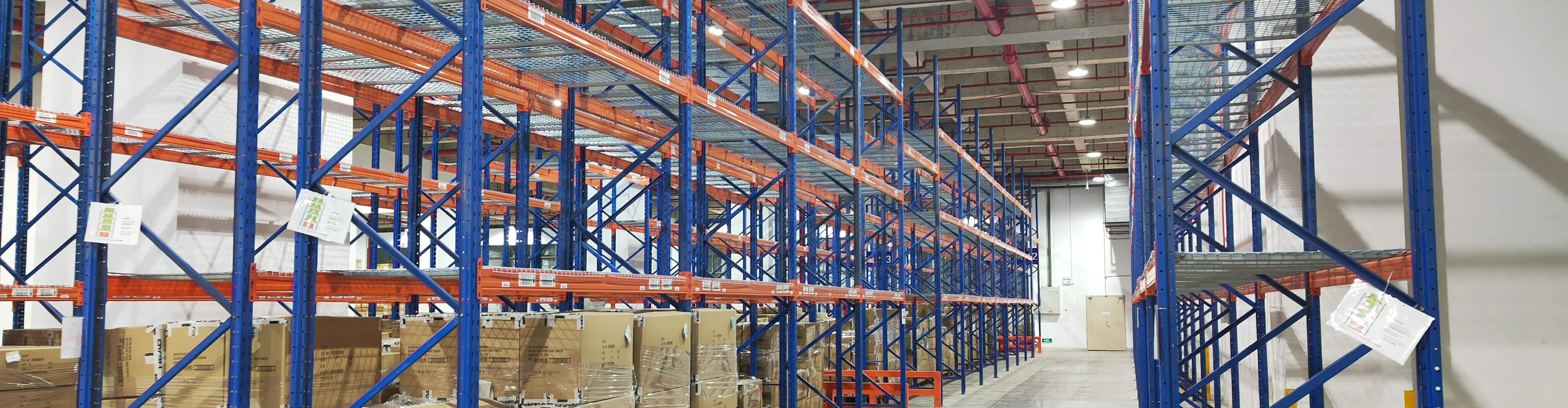
The main difference between heavy duty warehouse shelving and standard shelving is load capacity, structural strength, and intended use. Heavy duty systems are designed for larger, heavier, and more demanding warehouse loads, while standard shelving is usually better suited to lighter inventory, smaller parts, archives, or low-intensity storage areas. In practice, the right choice depends on what you store, how you access it, how often stock moves, and how much future growth you need to accommodate.
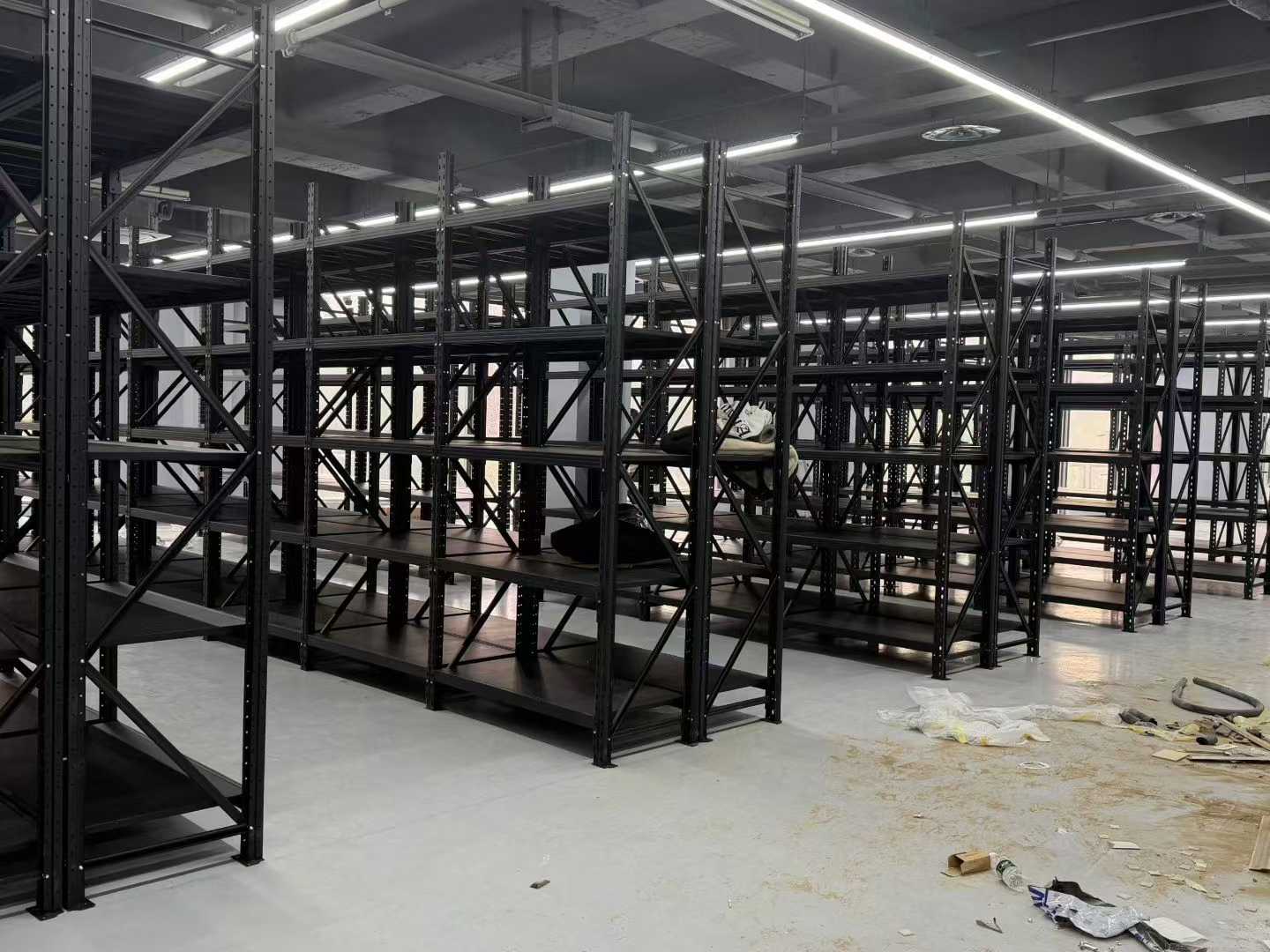
For warehouse managers and buyers, this is not just a question of weight rating. The choice affects safety, picking efficiency, aisle planning, floor loading, maintenance requirements, and the cost of future expansion. A shelving system that looks acceptable on paper can become inefficient or unsafe if it does not match the actual operating environment.
What is heavy duty warehouse shelving?
Heavy duty warehouse shelving is a storage system built to handle higher loads, larger product sizes, and more demanding industrial use than standard shelving. It typically uses thicker steel components, stronger uprights, more robust shelves or beams, and a structure intended for repeated loading in active warehouse conditions.
These systems are commonly used for:
- Bulky cartons and containers
- Heavy spare parts and components
- Industrial supplies and maintenance stock
- Mixed warehouse inventory with higher shelf loads
- Backroom and distribution storage with frequent handling
Depending on the design, heavy duty warehouse shelving may be hand-loaded, trolley-served, or integrated into storage areas where forklift support is used nearby. It is often selected when standard shelving would be structurally marginal, operationally inconvenient, or too limited for long-term warehouse use.
What is standard shelving?
Standard shelving is generally intended for lighter-duty storage. It is often used for manual picking, office stores, small parts rooms, archive areas, maintenance consumables, or low-weight inventory. In many facilities, standard shelving works well where goods are easy to lift by hand and shelf loads remain modest.
That does not make standard shelving unsuitable. In the right setting, it can be a practical and cost-effective option. The issue is fit. If the warehouse stores dense products, heavy cartons, metal parts, tools, or fast-moving stock that creates repeated loading stress, standard shelving can become a weak choice both operationally and structurally.
Heavy duty warehouse shelving vs standard shelving: the practical differences
1. Load capacity
The most obvious difference is load capacity. Heavy duty warehouse shelving is built for significantly higher shelf and bay loads than standard shelving. This matters not only for single-item weight, but also for cumulative load across a full shelf level and the entire run of shelving.
In real warehouse conditions, underestimating total shelf load is common. A shelf may start with light cartons, then gradually receive denser products over time. If the original system was standard shelving, it may no longer be appropriate once inventory profiles change.
2. Structural strength and durability
Heavy duty warehouse shelving usually has stronger uprights, deeper shelf reinforcements, and a more robust frame design. This gives it better resistance to deflection, distortion, and wear in active industrial environments.
Standard shelving can perform well in controlled, lighter-duty areas. But in warehouses with constant replenishment, frequent order picking, rougher handling, or occasional contact from carts and equipment, a lighter system may show damage faster or require more cautious use.
3. Product size and storage flexibility
Heavy duty systems are generally better for larger and more awkward items. If inventory includes wide cartons, heavy bins, parts in metal containers, or irregular industrial stock, heavy duty warehouse shelving usually offers more practical support and stability.
Standard shelving often works best with smaller, lighter, uniform items. Once products become denser or less consistent in size, shelf spacing, rigidity, and access can become limiting factors.
4. Warehouse operating intensity
One of the most overlooked differences is operating intensity. A shelving system may hold the load, but still be a poor fit if the storage area has fast turnover, repeated picking, constant replenishment, or heavy daily use.
Heavy duty warehouse shelving is generally more suitable where stock movement is frequent and the shelving is part of a working warehouse process rather than a static storage area. Standard shelving is more appropriate where movement is lighter and handling is less demanding.
5. Safety margin in real use
In day-to-day operations, shelving is not always loaded perfectly. Stock may be unevenly distributed, shelves may be overloaded temporarily, or operators may place heavier items where they fit rather than where they were planned. That is why system selection should include a practical safety margin, not just a theoretical load figure.
Heavy duty warehouse shelving is often chosen because it gives more tolerance for real-world warehouse behavior. That does not remove the need for load control or inspection, but it can reduce risk where operating conditions are less predictable.
6. Cost and long-term value
Standard shelving usually has a lower initial purchase cost. For light-duty applications, that can be the right commercial decision. But if the system later needs reinforcement, replacement, or reconfiguration because loads increase, the lower upfront price may not represent the lower total cost.
Heavy duty warehouse shelving often costs more at the beginning, but it may provide better long-term value when inventory is heavy, product lines change, or the warehouse is expected to scale.
When heavy duty warehouse shelving is the better choice
Heavy duty warehouse shelving is usually the better option when the storage environment includes one or more of the following conditions:
- Products are heavy, dense, or stored in bulk cartons
- Stock handling is frequent and operational intensity is high
- Inventory sizes vary and shelf loads may change over time
- The warehouse needs stronger long-term durability
- There is a risk that lighter shelving will be overloaded in practice
- The business wants room for future expansion without replacing the entire system
It is also a sensible choice where safety and operational resilience matter more than achieving the lowest initial equipment cost.
When standard shelving may still be the right option
Standard shelving can still be a practical solution when load demands are genuinely light and the use case is stable. Typical examples include:
- Small parts storage with lightweight bins
- Archive or document storage
- Maintenance rooms with modest stock levels
- Back-office or support areas rather than active warehouse zones
- Low-volume manual picking operations
If the inventory profile is unlikely to change and shelf loads remain well within design limits, standard shelving can be efficient and economical. The key is not to specify it for a more demanding application than it was intended to handle.
Operational factors buyers should compare before choosing
Inventory weight and density
This is the first filter. If products are compact but heavy, standard shelving may be unsuitable even when item dimensions appear manageable. Dense stock creates higher shelf loads quickly.
SKU mix and accessibility
Warehouses with many SKUs and frequent manual picking often need shelving that supports clear organization and reliable access. Heavy duty warehouse shelving can be useful when the SKU count is high but item weights are still substantial. If items are light and pick density is moderate, standard shelving may be enough.
Handling method
Consider whether stock is placed and retrieved entirely by hand, by trolley, or with nearby mechanical handling equipment. If shelving is located in areas with forklift traffic, impact risk and operating stress increase. In that environment, a stronger system is often the safer commercial choice.
Aisle width and workflow
Storage selection should support movement, not just load holding. If aisles are narrow, replenishment is frequent, and operators need quick access to multiple shelf levels, the shelving design must suit the picking method. A stronger shelving system may allow better use of vertical space without compromising stability.
Ceiling height and vertical use
Some facilities choose heavy duty warehouse shelving because they need to build upward and make better use of clear height. Before doing so, it is important to review access method, shelf loading, picking ergonomics, and whether higher levels remain practical for daily operations.
Floor condition
Warehouse floors are not always perfectly level or equally suitable for all storage systems. Heavier shelving and heavier stored loads place more demand on the floor. Floor condition, flatness, and load-bearing capability should be reviewed as part of the planning process.
Expansion plans
If the business expects product growth, heavier SKUs, or changes in storage layout, heavy duty warehouse shelving may reduce the chance of early obsolescence. Standard shelving can be restrictive if future storage demands increase beyond its intended range.
Common selection mistakes
Choosing by price alone
The cheapest shelving is not automatically the most economical option. A lower-cost system can become expensive if it limits capacity, slows operations, or needs replacement when stock changes.
Using current loads only
Buyers often size shelving around today’s inventory without considering growth, denser products, or seasonal changes. A system should reflect likely operating conditions over time, not just the first installation phase.
Ignoring handling damage risk
Even hand-loaded shelving can be damaged by carts, ladders, poor loading practice, or nearby equipment. In active warehouse areas, durability matters.
Overlooking inspection and maintenance
Both standard and heavy duty warehouse shelving need routine inspection. Loose components, bent members, corrosion, overloaded shelves, and damaged frames should be identified early before they affect safety or service life.
Maintenance and inspection considerations
Although the article focuses on comparison, maintenance is part of the decision. Heavy duty warehouse shelving is not maintenance-free. It still requires regular checks, especially in busy warehouse environments.
Practical inspection points include:
- Visible bending or deformation in uprights or shelf supports
- Loose bolts, clips, or connectors
- Shelf deflection under load
- Damage from carts, pallet movement, or nearby forklift traffic
- Corrosion in humid or exposed areas
- Uneven loading across shelf levels
- Missing load notices or poor operator awareness of limits
For standard shelving, these checks are just as important because lighter-duty systems can be pushed beyond their intended use without obvious warning.
How to decide between heavy duty warehouse shelving and standard shelving
A practical way to decide is to review the storage application in this order:
Define the actual products to be stored, including weight, dimensions, and packaging type.
Assess how stock moves through the area: static storage, occasional picking, or high-frequency replenishment.
Review handling conditions such as manual access, trolley use, forklift traffic, and aisle constraints.
Consider future changes in SKU range, inventory density, and storage volume.
Compare not only purchase cost, but expected lifespan, adaptability, and operational reliability.
If there is any realistic chance that stock loads will be heavy, variable, or operationally demanding, heavy duty warehouse shelving is often the safer and more commercially durable choice.
FAQ
Is heavy duty warehouse shelving always better than standard shelving?
No. Heavy duty warehouse shelving is better for heavier loads and tougher warehouse use, but standard shelving can be more appropriate for light-duty storage where cost, simplicity, and manual access are the main priorities.
Can standard shelving be used in a warehouse?
Yes, if the products are light and the operating conditions are not demanding. It is often used in parts rooms, picking areas for small items, and support spaces. It should not be assumed suitable for heavier industrial stock without proper load evaluation.
What is the main risk of choosing shelving that is too light?
The main risks are overloading, reduced service life, operational inefficiency, and a higher chance of damage in daily use. A system that is too light may also limit future storage changes.
Does heavy duty warehouse shelving require more floor strength?
It can, especially when the stored loads are significantly higher. Floor condition and load-bearing capacity should always be reviewed as part of warehouse planning.
Final decision framework
If your warehouse stores light items, has low handling intensity, and needs economical manual storage, standard shelving may be enough. If your operation deals with heavier stock, more demanding workflows, changing inventory profiles, or a need for stronger long-term performance, heavy duty warehouse shelving is usually the more suitable option.
The difference is not just about stronger steel. It is about matching the shelving system to real warehouse conditions so the storage remains safe, efficient, and commercially sensible as the operation evolves.