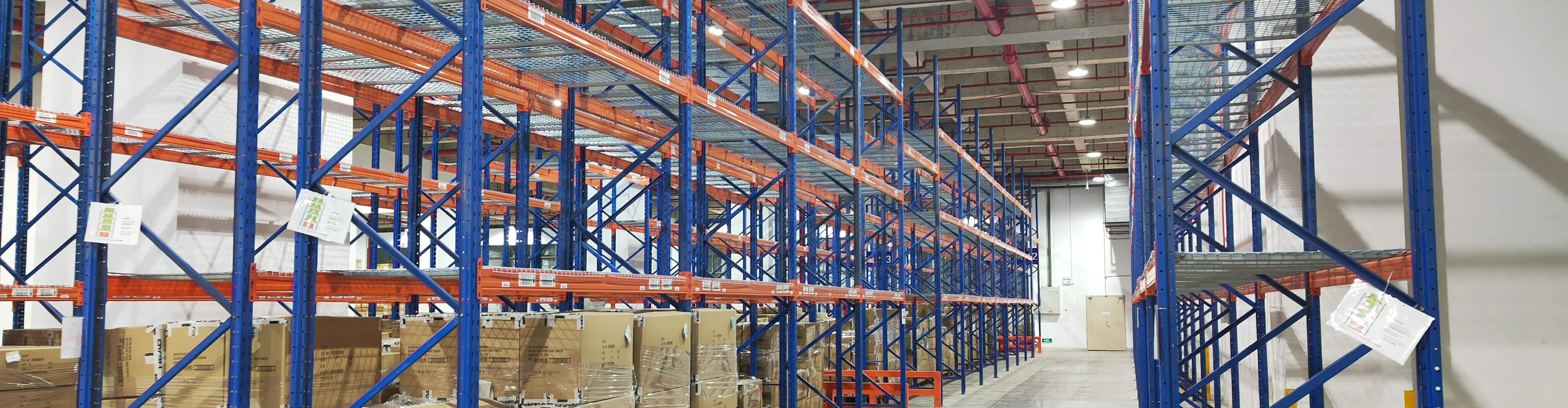
Heavy duty warehouse shelving is a practical choice for bulk inventory storage when you need high load capacity, direct access to goods, and better use of vertical space than floor stacking alone can provide. The right system depends less on finding a single “best” product and more on matching shelf design, bay size, loading method, and warehouse workflow to the inventory you actually handle.
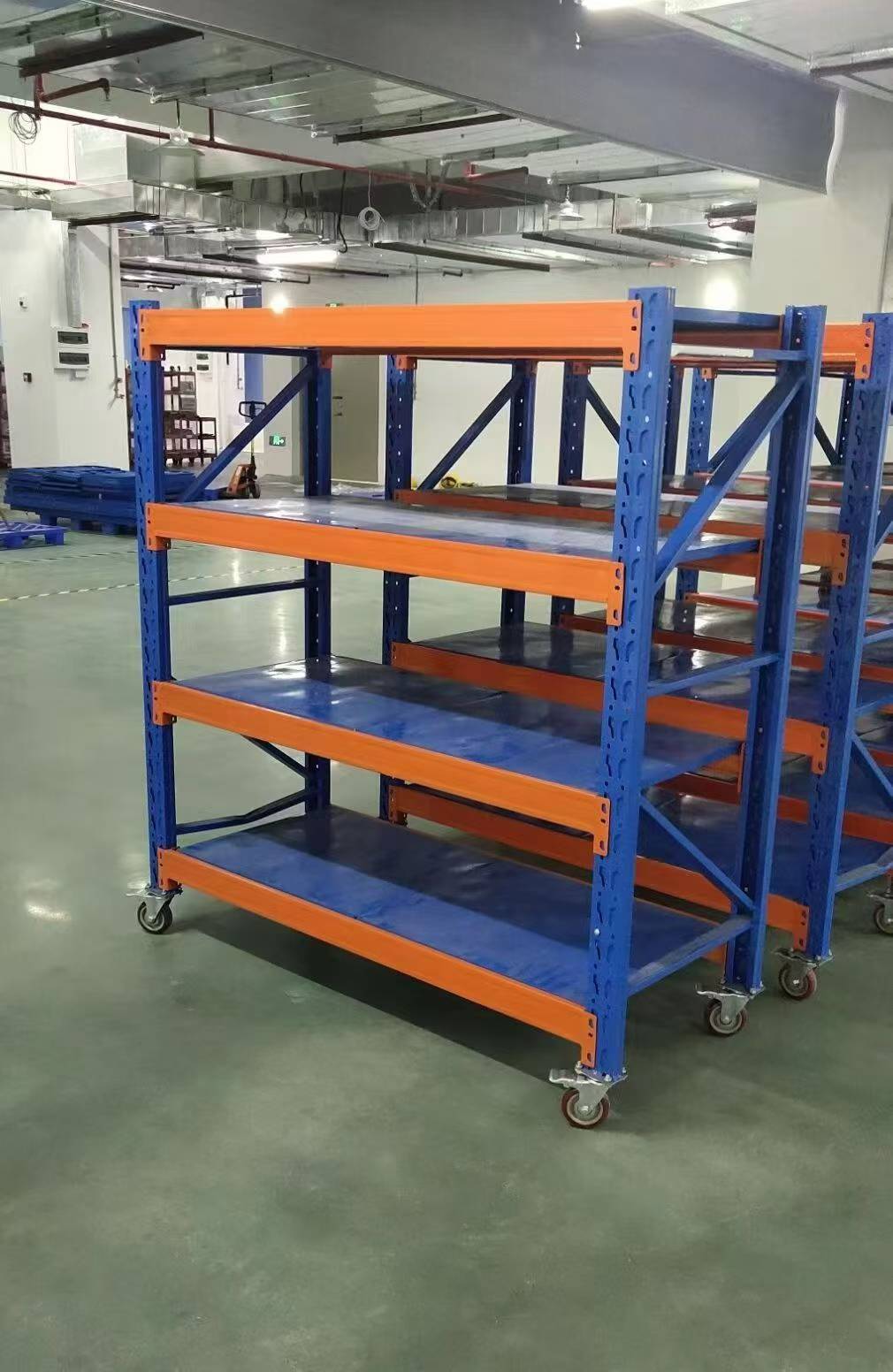
For warehouse managers and buyers, the main question is usually straightforward: which heavy duty warehouse shelving system gives enough strength and storage density without slowing down picking, replenishment, or forklift movement? The answer depends on your SKU profile, carton or bin size, floor condition, ceiling height, and whether the shelving will support case picking, reserve stock, archive loads, parts storage, or mixed bulk items.
How to Evaluate Heavy Duty Warehouse Shelving for Bulk Inventory Storage
When selecting heavy duty warehouse shelving, start with the inventory rather than the shelf. Bulk storage can mean many different things in practice. One warehouse may be storing heavy cartons, spare parts, and plastic containers by hand. Another may be holding large non-palletized items, oversize components, or reserve stock that needs occasional forklift access. A shelving system that works well for one operation may create congestion or safety issues in another.
For most commercial buyers, the strongest selection criteria are load capacity per shelf and per bay, access method, adjustability, storage density, and ease of future expansion. It is also important to assess whether shelving is truly the right solution, or whether pallet racking, longspan shelving, cantilever racking, or a mezzanine-supported layout would be more efficient.
Questions to Ask Before Choosing a System
- What is the typical weight of each stored item, carton, tote, or container?
- Will stock be loaded by hand, pallet jack, reach truck, or forklift?
- Do you need direct access to every SKU, or mainly reserve bulk storage?
- Are the goods uniform in size, or does the shelf spacing need regular adjustment?
- How much aisle width is available without disrupting traffic flow?
- Will the shelving support picking, replenishment, or both?
- Is the floor level and strong enough for the planned loads?
- Do you expect the storage requirement to expand within the next few years?
These questions help narrow the decision quickly. A system that looks cost-effective on paper can become inefficient if it forces too much manual handling, creates dead space above stock, or limits replenishment speed.
Common Types of Heavy Duty Warehouse Shelving
Heavy duty warehouse shelving is not one single format. In bulk inventory environments, several shelving styles are commonly considered, each with different strengths and limitations.
Longspan Shelving
Longspan shelving is often one of the most practical options for heavy duty warehouse shelving where goods are stored in cartons, bins, loose units, or non-palletized bulk items. It offers wider shelf spans than standard shelving and can support heavier loads while keeping stock directly accessible.
This format suits warehouses that need a balance between capacity and hand-loading convenience. It is frequently used for spare parts, case picking, e-commerce back stock, maintenance inventory, and mixed-SKU storage. Adjustable shelf levels make it easier to adapt to changing product dimensions.
Its main limitation is that it is not the most space-efficient option for full-pallet reserve stock. If the majority of your inventory remains on pallets and is moved mainly by forklift, pallet racking is usually a better fit than heavy duty warehouse shelving.
Rivet or Boltless Heavy Duty Shelving
Boltless shelving is valued for quick assembly and flexible shelf adjustment. In heavy duty applications, it can work well for medium to high load manual storage, especially where layout changes are common. It is often used in back-of-house warehouse zones, parts rooms, maintenance stores, and secondary bulk storage areas.
However, buyers should check that the shelving configuration is genuinely suitable for industrial loads and not just light commercial use. The term heavy duty warehouse shelving is sometimes used loosely in the market, so actual load ratings, deck material, bay dimensions, and bracing design matter more than labels alone.
Steel Panel Shelving
Steel shelving with metal shelves can be useful where durability, fire-conscious material selection, and easier cleaning are priorities. It can be a sensible choice for dusty environments, technical parts storage, and operations that want a more enclosed shelf surface than wire decking.
The trade-off is that steel shelves may not always be the most economical solution for very large bulk storage volumes, especially if stock dimensions vary widely and shelf reconfiguration is frequent.
Wire Shelving for Specific Uses
Wire shelving is sometimes considered within heavy duty warehouse shelving discussions because it offers airflow, visibility, and reduced dust accumulation. It may suit lighter industrial applications, component storage, or environments where product visibility matters.
For dense bulk inventory with high loads, rough handling, or large carton storage, wire shelving is often less suitable than heavier structural formats. It should be selected carefully based on real load and handling conditions.
When Heavy Duty Warehouse Shelving Is the Right Choice
Heavy duty warehouse shelving works well when inventory needs direct shelf access and does not justify pallet-only storage. It is especially useful for operations with medium to heavy cartons, split-case picking, maintenance stock, archived materials, tools, hardware, and mixed product lines that are awkward to store on pallets.
It is also a good option where SKU count is relatively high and warehouse teams need to reach stock quickly without moving other items first. Compared with block stacking, heavy duty warehouse shelving improves stock visibility, housekeeping, and inventory control.
In many facilities, the best approach is not replacing pallet racking with shelving entirely, but combining both. Reserve stock can remain on pallets in racking, while active picking inventory is transferred into heavy duty warehouse shelving at accessible levels. This often improves picking speed without sacrificing reserve capacity.
When Heavy Duty Warehouse Shelving May Be a Poor Fit
Heavy duty warehouse shelving is not ideal for every bulk storage requirement. If you handle mostly palletized loads, pallet racking will usually provide better forklift compatibility and more efficient use of labor. If your products are very long, such as pipe, timber, profiles, or bar stock, cantilever racking is generally more suitable.
If storage density is the main priority and direct access to every item is less important, shelving may also be less efficient than high-density racking systems. Likewise, if stored items are extremely heavy or irregular, a custom-engineered storage approach may be needed instead of standard shelving bays.
Another common mistake is using heavy duty warehouse shelving for loads that should really stay on pallets. This can increase manual handling, slow replenishment, and create a higher risk of overloading individual shelf levels.
Key Buying Factors for Bulk Inventory Storage
Load Capacity and Load Distribution
Load capacity should be reviewed at both shelf level and total bay level. Buyers should also consider how the load is distributed. Uniformly distributed cartons behave differently from concentrated point loads created by dense metal parts or machinery components. A shelf that handles evenly spread loads may not be suitable for narrow, heavy items placed in one area.
It is also worth planning for real operating behavior, not ideal behavior. Staff may place heavy items on the front edge, combine different SKUs on one level, or use the lowest shelf for overflow. Heavy duty warehouse shelving should be selected with enough practical margin for normal warehouse use, not just controlled conditions.
Shelf Size and Adjustability
Oversized shelves can waste space if cartons are small, while narrow shelves can reduce storage density for larger bulk items. Adjustable shelf levels are valuable where product mix changes over time. In operations with seasonal inventory or changing packaging dimensions, this flexibility can extend the useful life of the shelving system.
Access Method and Aisle Planning
One of the most overlooked decisions is how the shelving will actually be loaded and picked. Hand-loaded shelving needs comfortable reach heights and logical pick-face presentation. If forklifts are used near the shelving, aisle width, turning radius, and impact protection become important.
Heavy duty warehouse shelving placed in aisles that are too narrow can reduce throughput and increase collision risk. On the other hand, aisles that are wider than necessary reduce storage density. The right balance depends on equipment type, traffic pattern, and pick frequency.
Warehouse Height and Vertical Use
Bulk inventory storage often fails to use vertical cube effectively. Heavy duty warehouse shelving can help recover wasted height, but only if upper levels remain safe and practical to access. If stock on high levels requires ladders, order pickers, or frequent manual handling, the layout should be reviewed carefully for safety and productivity.
In taller buildings, it may be more efficient to combine shelving with a mezzanine floor or to dedicate upper levels to slower-moving reserve inventory.
Floor Condition and Anchoring
Warehouse floors affect installation quality and long-term stability. Uneven slabs can complicate alignment, while poor floor condition may require shimming, repair, or a revised layout. Heavy duty warehouse shelving should be installed on a floor suitable for the planned loads and anchored where required by the system design and site conditions.
This is one reason a quick price comparison alone is rarely enough. A low-cost shelving layout can become more expensive if installation conditions are not properly assessed in advance.
Operational Considerations That Affect Long-Term Performance
Picking Efficiency
Bulk inventory storage should support the way orders are actually built. If fast-moving SKUs are placed too high or too low, labor efficiency drops. Heavy duty warehouse shelving should be arranged so that high-frequency items sit in the most accessible zones, with slower lines placed above, below, or in secondary bays.
Replenishment Logic
Some warehouses use shelving for both picking and reserve stock, but this only works well if replenishment is disciplined. Without clear slotting rules, bays can become mixed, overloaded, or difficult to count. If replenishment volume is high, separate pick faces and reserve storage may be a better solution.
Damage Prevention
Even durable heavy duty warehouse shelving can be damaged by forklift contact, overloaded shelf levels, makeshift shelf modifications, or poor housekeeping. End-of-aisle protection, upright guards, clear load labels, and staff training all help reduce damage risk.
Warehouses should also avoid informal alterations such as adding unsupported boards, removing bracing, or changing beam positions without checking system suitability. Small changes can affect stability and safe loading.
Common Selection Mistakes
- Choosing heavy duty warehouse shelving based only on price per bay instead of total operational fit.
- Using shelving where pallet racking would be more efficient for reserve stock.
- Ignoring aisle width and forklift interaction during layout planning.
- Failing to account for future SKU growth or seasonal stock increases.
- Overestimating usable shelf capacity without considering real load distribution.
- Installing deep shelves that make stock hard to see, count, or rotate.
- Mixing very heavy and very light items on the same levels without a clear loading plan.
A Practical Selection Framework
If you are comparing heavy duty warehouse shelving options for bulk inventory storage, it helps to work through the decision in a simple order.
Define the inventory type: weight, dimensions, packaging, and SKU count.
Decide the handling method: hand loading, trolley, pallet jack, or forklift support.
Set storage priorities: direct access, density, picking speed, or reserve capacity.
Review the building: clear height, floor condition, fire routes, and aisle constraints.
Choose the shelving format that matches the operation, not just the budget.
Plan for expansion, relabeling, maintenance access, and periodic inspection.
This approach usually leads to a more durable decision than starting with shelf dimensions alone.
FAQ
What is the difference between heavy duty warehouse shelving and pallet racking?
Heavy duty warehouse shelving is typically used for hand-loaded or non-palletized goods that need direct shelf access. Pallet racking is designed primarily for palletized loads handled by forklifts. Some warehouses use both together for picking and reserve storage.
Can heavy duty warehouse shelving store very heavy items?
It can store heavy items if the shelving is designed and rated for those loads, but suitability depends on shelf capacity, bay capacity, and how the weight is distributed. Extremely heavy or irregular loads may require a different storage system.
Is adjustable shelving important for bulk inventory storage?
Yes. Adjustable levels help reduce wasted vertical space and make it easier to adapt to changing carton sizes, bins, or product lines. This is especially useful in mixed-SKU environments.
How often should warehouse shelving be inspected?
Visual checks should be part of routine warehouse supervision, especially in areas with forklift traffic or heavy replenishment activity. More formal periodic inspections are advisable to identify damage, loose components, overloading, or unsafe modifications.
Conclusion
The best heavy duty warehouse shelving for bulk inventory storage is the system that matches your load profile, access method, and warehouse workflow without creating avoidable handling, safety, or expansion problems. For mixed bulk goods, case picking, and non-palletized stock, heavy duty warehouse shelving can be highly effective. For full-pallet reserve stock or very high-density storage, other systems may be more suitable.
A sound buying decision comes from evaluating how the shelving will be used day to day: how stock arrives, how it is picked, how often it changes, and how the layout will perform as volumes grow. When those factors are planned properly, heavy duty warehouse shelving becomes a practical long-term asset rather than just another row of storage bays.