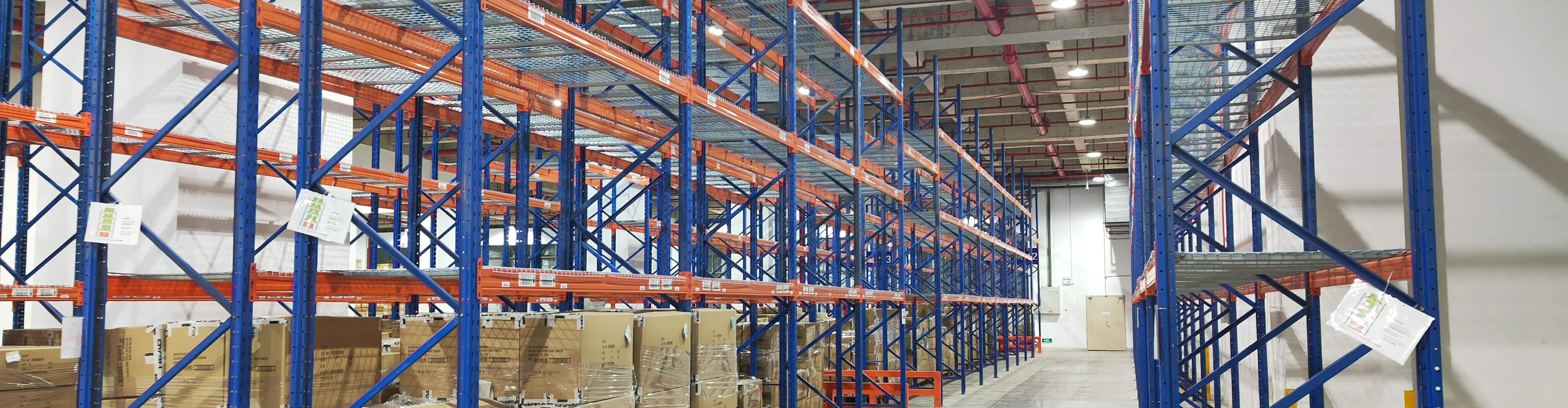
Choosing heavy duty warehouse shelving is not just a matter of fitting more stock into a building. The right system has to match your load profile, picking method, aisle layout, floor capacity, and future growth plans. For industrial facilities, a good buying decision starts with understanding what will be stored, how it will be handled, and what operating constraints the shelving must work within every day.
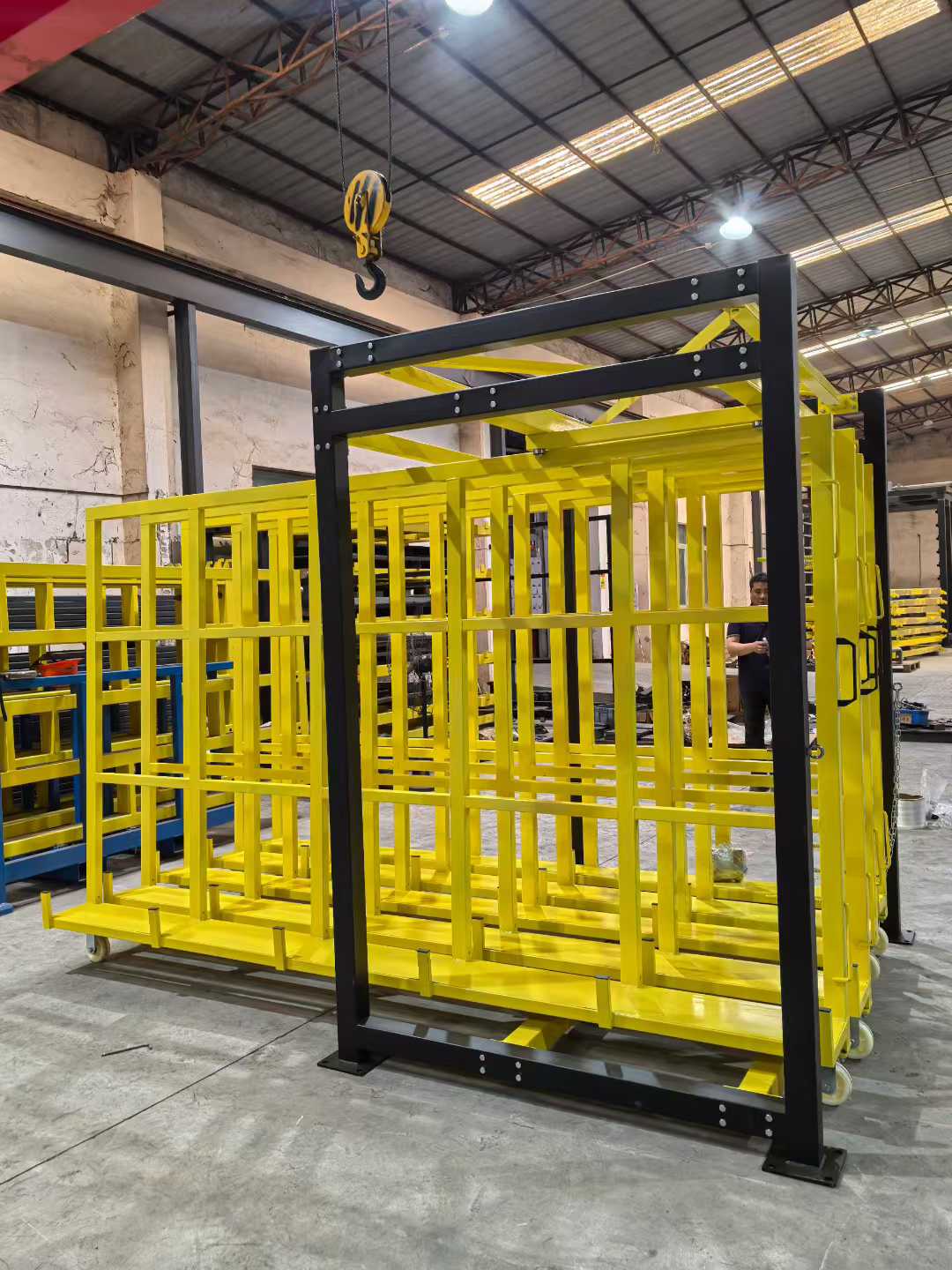
This guide explains how to evaluate heavy duty warehouse shelving for real warehouse use. It covers system types, load and layout considerations, safety checks, common buying mistakes, and the practical questions procurement teams and warehouse managers should answer before placing an order.
What Is Heavy Duty Warehouse Shelving?
Heavy duty warehouse shelving is a storage system designed for industrial loads, higher usage frequency, and more demanding operating conditions than light commercial shelving. It is commonly used for cartons, bins, parts, tools, archive stock, component storage, and hand-loaded inventory that does not always suit standard pallet racking.
In practical terms, heavy duty warehouse shelving is often selected when a facility needs stronger shelf levels, larger bay spans, better durability, and more reliable long-term performance under regular warehouse traffic. It is widely used in spare parts stores, e-commerce picking zones, maintenance stores, back-up bulk shelving areas, and mixed-SKU storage environments.
It is not automatically the right choice for every product. If most inventory is stored and moved as full pallets by forklift, pallet racking may be the more efficient system. Heavy duty warehouse shelving is usually more suitable when stock is accessed manually, split into smaller units, or requires direct shelf-level visibility.
When Heavy Duty Warehouse Shelving Makes Sense
Heavy duty warehouse shelving is typically a strong fit in the following situations:
- High-SKU operations where many product lines need direct access
- Hand-picking environments with cartons, bins, or loose items
- Maintenance and spare parts storage with mixed item sizes
- Back-of-house industrial storage where loads exceed light shelving capacity
- Facilities that need vertical storage but do not want to rely only on pallet positions
- Operations combining shelving with mezzanines, workstations, or picking platforms
It may be less suitable where inventory is mostly palletized, where forklifts handle nearly all stock movement, or where very high storage density is the main priority. In those cases, pallet racking, narrow aisle systems, or denser pallet storage solutions may deserve closer review.
Key Questions to Answer Before You Buy
Before comparing models or asking for quotations, define the operating requirement clearly. Many shelving projects go wrong because buyers focus on bay dimensions first and workflow second.
1. What exactly will be stored?
List the item types, dimensions, unit weights, and packaging format. A shelving system for small parts in bins is very different from one intended for heavy cartons, cast components, tooling, or irregular maintenance stock. Shelf depth, shelf material, bay width, and bracing requirements all depend on the real load.
2. How will stock be handled?
Will items be picked by hand, loaded by trolley, replenished from ladders, or accessed from platforms? If operators need fast order picking, shelf visibility and ergonomic reach matter more than simply adding more levels. If replenishment is frequent, beam spacing and access clearance need to support efficient movement.
3. What is the SKU profile?
A facility with many slow-moving SKUs often needs flexible shelf adjustment and easy product identification. A facility with fewer, heavier lines may prioritize load capacity and robust bay construction over configurability. Heavy duty warehouse shelving should reflect the real inventory profile, not an assumed average.
4. How much future expansion is likely?
Industrial facilities rarely stay static. If product range, order volume, or storage height may change, choose heavy duty warehouse shelving that can be extended, reconfigured, or integrated with additional bays and accessories. Expansion planning is usually less expensive when considered at the start than after the initial installation is full.
5. What are the building constraints?
Ceiling height, column positions, fire protection layout, floor condition, and door access can all affect the design. A shelving plan that looks efficient on paper may create blind corners, block services, or reduce safe movement space if the building is not assessed properly.
Main Factors That Determine the Right Shelving Specification
Load Capacity at Shelf and Bay Level
This is one of the most important buying points. Buyers should confirm both shelf load and total bay load, not just one figure. A shelf may support a certain distributed load, but the entire bay also has a limit. Overlooking this can create an unsafe mismatch between day-to-day use and system design.
Load clarity matters especially in industrial settings where stock profiles change over time. If there is any chance that heavier items will be stored later, leave a practical safety margin rather than buying only to the current minimum requirement.
Shelf Size and Adjustability
Shelf width, depth, and level spacing should match the actual product mix. Deep shelves can waste space if items are small and hand-picked. Very shallow shelves can create overhang, reduce stability, and make stock presentation untidy. Adjustable levels are valuable in facilities where product dimensions vary or change seasonally.
Access and Picking Efficiency
Heavy duty warehouse shelving should support the workflow, not slow it down. Consider whether operators need one-sided or two-sided access, whether labels and bin locations will be visible, and whether replenishment can happen without blocking picking activity. In a busy warehouse, small access improvements often matter more than squeezing in one extra bay.
Aisle Width and Equipment Movement
If shelving is installed in operational warehouse space, aisle planning is critical. Hand-picking aisles, trolley routes, and forklift crossing points should all be considered. Shelving that narrows access too much may increase congestion, create safety risks, and reduce picking speed. A layout should allow comfortable movement, not just theoretical storage density.
Height and Safe Reach
Taller heavy duty warehouse shelving can improve cubic storage use, but only if stock remains accessible and replenishment remains safe. If upper levels require ladders, platforms, or lifting equipment, factor that into labor efficiency and safety procedures. Maximum height should be based on how the shelving will actually be used, not only on available ceiling clearance.
Floor Condition and Anchorage
Industrial shelving performance depends partly on the floor beneath it. Uneven surfaces, damaged concrete, or weak floor areas can complicate installation and affect long-term stability. Buyers should review floor condition early, especially for tall or heavily loaded shelving runs. Proper fixing and leveling should not be treated as an afterthought.
Comparing Heavy Duty Warehouse Shelving With Other Storage Options
Heavy Duty Shelving vs Pallet Racking
Heavy duty warehouse shelving is generally better for hand-loaded items, carton picking, bins, parts, and mixed small-unit storage. Pallet racking is generally better for forklift-handled pallet loads and bulk stock. If your operation needs direct access to many small SKUs, shelving may be more practical. If most stock moves by pallet, shelving may use labor inefficiently.
Heavy Duty Shelving vs Longspan Shelving
In many markets, the terms overlap, but the practical difference usually comes down to load range and application. Some longspan systems suit medium to heavy hand-loaded goods, while heavier-duty industrial shelving is chosen for more demanding loads, more frequent use, or tougher warehouse conditions. The key is not the label alone, but verified capacity, construction quality, and suitability for the intended use.
Heavy Duty Shelving vs Mezzanine-Supported Storage
If floor space is tight and the building has usable height, shelving combined with a mezzanine can increase storage and picking area significantly. However, this adds complexity in access planning, fire protection coordination, and goods movement between levels. For some facilities, standard heavy duty warehouse shelving at ground level is simpler and easier to manage.
Common Buying Mistakes to Avoid
- Buying on price alone: A lower upfront cost can lead to reduced durability, limited adjustability, or earlier replacement.
- Underestimating load requirements: Buyers sometimes specify current average loads instead of realistic peak or future loads.
- Ignoring workflow: A dense layout can look efficient but perform poorly if picking, replenishment, and traffic conflict.
- Choosing the wrong shelf depth: This often leads to wasted space, poor stock presentation, or unsafe overhang.
- Overbuilding unnecessarily: Not every area needs the heaviest possible configuration. Match the system to the actual application.
- Failing to plan for growth: Facilities that expect SKU expansion or process changes should consider modularity from the start.
- Overlooking inspection and maintenance: Even heavy duty warehouse shelving needs routine checks for damage, movement, and misuse.
Practical Buying Checklist for Industrial Facilities
Use this checklist before requesting final pricing or layout drawings for heavy duty warehouse shelving:
- Confirm item dimensions, unit weights, and packaging types
- Define whether storage is hand-loaded, trolley-served, or supported by lifting equipment
- Estimate required number of bays, levels, and storage locations
- Check building height, obstructions, and available aisle space
- Review floor condition and anchoring requirements
- Decide whether future expansion or reconfiguration is likely
- Identify any areas exposed to impact, moisture, or tougher operating conditions
- Plan labeling, binning, and location control for efficient picking
- Clarify inspection responsibility after installation
- Compare total suitability, not only unit price
Installation, Maintenance, and Safety Considerations
Heavy duty warehouse shelving should be treated as a working industrial asset, not just furniture. Once installed, it should be used within its intended load limits and checked regularly for damage or misuse.
What to inspect regularly
- Damaged uprights, frames, or shelf supports
- Loose or missing fixings
- Shelves showing deflection, distortion, or overload signs
- Impact damage from trolleys, handling equipment, or stock movement
- Bay instability caused by altered configurations or uneven loading
- Poor housekeeping that blocks access or encourages unsafe loading practices
Where shelving is located near forklift routes or loading activity, protection measures may also be worth considering. Even if stock is hand-picked, adjacent traffic can still cause accidental impact over time.
Operational discipline matters
Many shelving problems come from misuse rather than design failure. Common examples include storing heavier goods than planned, placing loads unevenly, removing components during layout changes, or using upper levels in ways that were never intended. Clear loading rules and periodic review are part of protecting the investment.
How to Decide if Heavy Duty Warehouse Shelving Is the Right Fit
Heavy duty warehouse shelving is usually a strong choice when your facility needs direct access to many items, stronger load performance than light shelving can offer, and a practical system for hand-loaded industrial stock. It is especially useful for spare parts, cartons, components, tools, and mixed-SKU storage where visibility and accessibility matter.
It may be a weaker fit when the operation is dominated by full pallets, when forklifts handle most stock movement, or when maximum storage density is more important than selective shelf access. In those cases, buyers should compare shelving with pallet racking or other storage formats before committing.
The most effective buying decision balances capacity, accessibility, safety, and future flexibility. Heavy duty warehouse shelving should support the way the warehouse actually runs, not just fill floor space.
FAQ
What is the difference between heavy duty warehouse shelving and standard shelving?
Heavy duty warehouse shelving is designed for higher loads, more demanding industrial use, and stronger structural performance. Standard shelving is usually intended for lighter storage and less intensive operating conditions.
Can heavy duty warehouse shelving store palletized goods?
It can store some pallet-related items if the system is designed for that use, but standard pallet racking is usually the better solution for regular forklift-handled pallet storage.
How do I know what load capacity I need?
Start with the heaviest items likely to be stored on each shelf and in each bay. Consider future changes in stock profile as well. Buyers should verify both shelf capacity and total bay capacity.
Is taller shelving always better for warehouse space use?
No. Taller shelving only adds value if stock remains safe and efficient to access. If upper levels slow picking or require awkward replenishment, the extra height may not improve overall performance.
How often should heavy duty warehouse shelving be inspected?
Visual checks should be part of normal warehouse housekeeping, with more formal periodic inspections based on usage intensity, load conditions, and exposure to impact or operational changes.