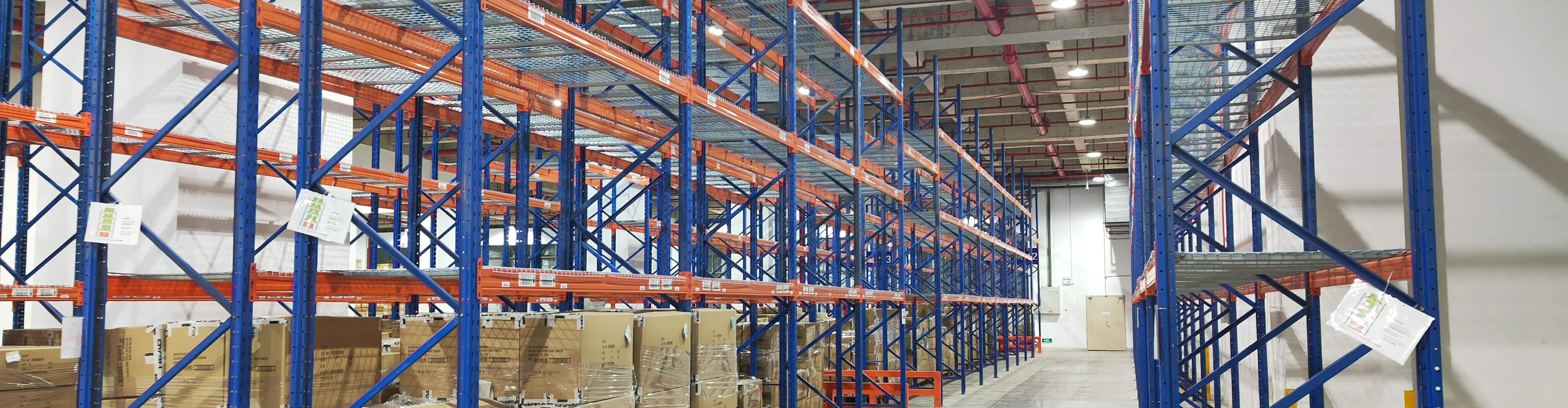
Maintaining heavy duty warehouse shelving is mainly about three things: preventing impact damage, controlling load-related misuse, and catching small defects before they turn into safety or operational problems. A shelving system can stay serviceable for many years if it is inspected regularly, used within its intended load limits, kept clean, and protected from avoidable abuse by forklifts, pallet trucks, and poor handling practices.
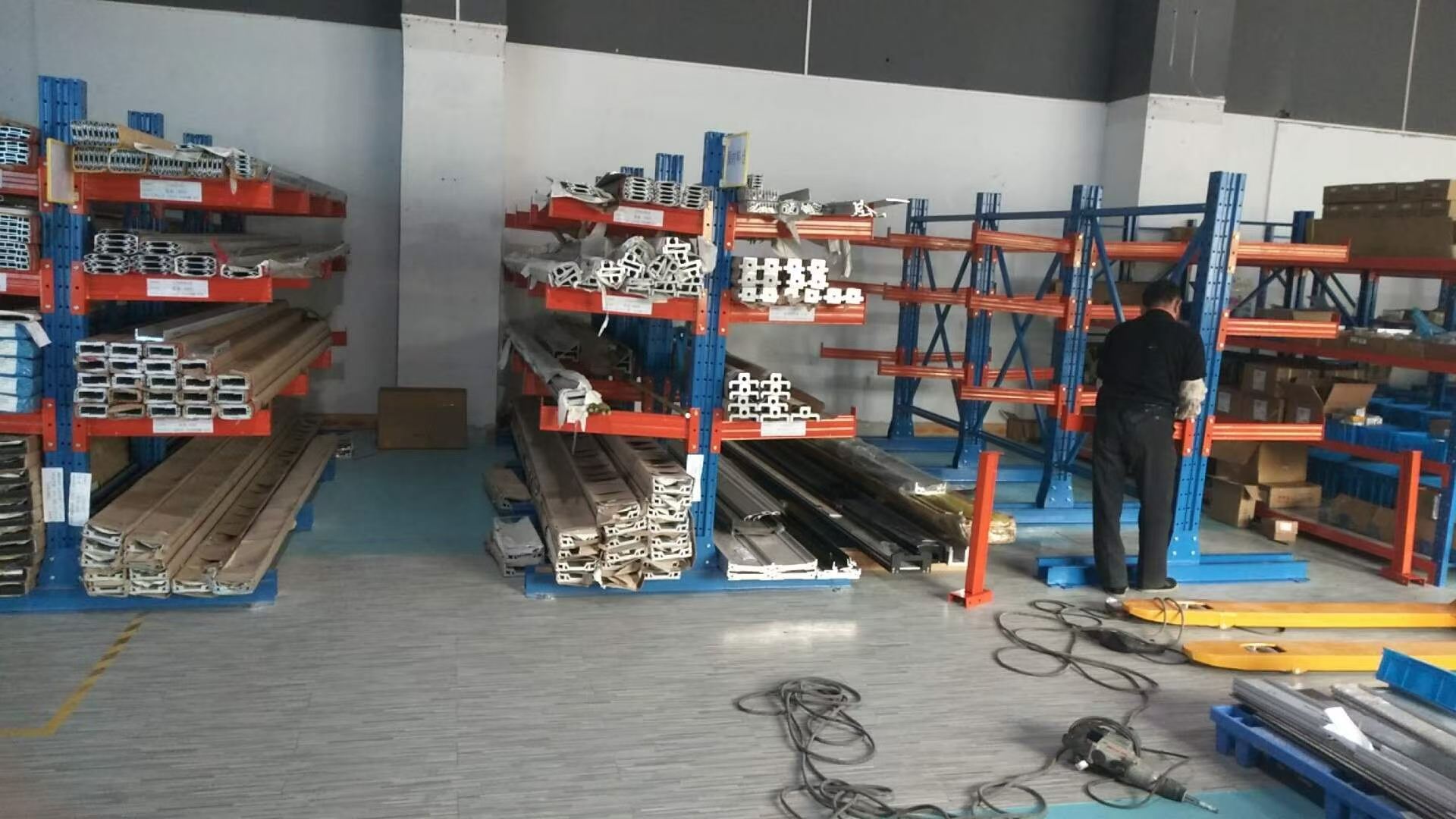
In most warehouses, shelving does not fail because it is old. It fails early because it is overloaded, struck by equipment, modified without review, or left unchecked after visible damage appears. A practical maintenance plan helps reduce downtime, protect inventory, and extend the working life of heavy duty warehouse shelving without turning routine upkeep into an administrative burden.
Why maintenance matters for heavy duty warehouse shelving
Heavy duty warehouse shelving supports valuable stock, affects picking efficiency, and sits directly in the path of daily warehouse traffic. Once a shelf upright is bent, a beam connector is loosened, or anchors begin to shift, the issue rarely stays isolated. Damage in one bay can affect load distribution, access safety, and the reliability of the surrounding storage area.
Good maintenance is not only about appearance. It helps warehouse teams:
- Reduce the risk of collapse or partial structural failure
- Prevent stock damage caused by unstable shelves or misaligned levels
- Limit disruption to picking and replenishment operations
- Identify misuse patterns such as overloading or poor pallet placement
- Protect the long-term value of the shelving investment
For busy facilities, the practical goal is simple: keep the shelving safe, usable, and predictable under normal operating conditions.
Set up a simple maintenance routine instead of reacting to problems
The most effective approach to heavy duty warehouse shelving maintenance is a layered routine. Daily users should notice obvious problems, supervisors should carry out regular checks, and more formal periodic inspections should review the system in a structured way.
Daily visual checks
Operators, pickers, and forklift drivers are usually the first people who can spot developing issues. They should be encouraged to report visible damage immediately rather than working around it.
Daily checks should look for:
- New dents or bends in uprights and braces
- Beams that appear dislodged, uneven, or sagging
- Loose or missing locking pins, clips, or fasteners
- Leaning bays or shelves that no longer sit level
- Damaged decking, shelf panels, or support members
- Obstructions in aisles that increase collision risk
This does not need to be a long checklist. The key is consistency and clear reporting.
Weekly or monthly supervisor checks
A more deliberate walk-through should be completed by a warehouse supervisor, maintenance lead, or responsible site manager. The frequency depends on traffic intensity, load weight, and how often the shelving is accessed. High-traffic facilities may need weekly checks, while lower-intensity operations may review monthly.
These checks should confirm:
- The shelving remains plumb and stable
- Anchor points are intact and secure
- Load labels are present and readable where applicable
- Stored items match the intended shelf use
- No unauthorized modifications have been made
- Protectors, barriers, and guards are still in place
Periodic formal inspections
Formal inspections are useful for identifying trends that daily users may overlook, such as recurring impact in the same aisle, gradual frame distortion, or repeated misuse of certain levels. The exact inspection interval depends on internal policy, operating risk, and local compliance requirements. For many warehouses, an organized periodic review is a practical part of responsible shelving management.
What to inspect on heavy duty warehouse shelving
Not every part of heavy duty warehouse shelving wears in the same way. Some components are more vulnerable to impact, while others are more likely to loosen over time or show signs of overloading.
Uprights and frames
Uprights are among the most critical parts of the system because they carry vertical loads and are often exposed to forklift contact. Even a small bend near the base can matter, especially in narrow aisles or busy replenishment zones.
Check for:
- Dents, twists, or visible buckling
- Damage near base plates and lower frame sections
- Frame misalignment or leaning
- Corrosion in damp, cold-chain, or poorly ventilated areas
If upright damage is visible, the safest response is usually to isolate the affected bay until it can be assessed properly.
Beams and shelf supports
Beams can be damaged by overloading, incorrect loading patterns, or impact from pallets being placed roughly. A beam that looks slightly bowed may indicate that the level has been carrying more than intended.
Look for:
- Beam deflection or sagging
- Cracked welds or damaged connectors
- Missing safety locks or retaining clips
- Signs that beams have been repositioned incorrectly
Where teams frequently change shelf heights to suit new SKU profiles, accidental misassembly becomes more likely. Any adjustment should be checked carefully before the bay is returned to use.
Anchors and floor interface
The condition of the warehouse floor affects the performance of heavy duty warehouse shelving. If the floor is cracked, uneven, or deteriorating around anchor points, the shelving may lose stability over time.
Inspect for:
- Loose, missing, or damaged anchors
- Base plates lifting or shifting
- Concrete cracking around fixings
- Water exposure or dirt buildup around the base
This area is often ignored because it sits below eye level, but it is one of the most important points to monitor.
Shelf panels, decking, and accessories
If the shelving uses steel panels, wire mesh, timber decking, dividers, or bins, those parts also need routine checks. Accessories may not be structural in the same way as frames and beams, but failure at shelf level can still damage stock and disrupt picking.
Check for:
- Decking deformation or breakage
- Panels that no longer sit securely in place
- Loose dividers or damaged bin fronts
- Sharp edges that create handling hazards
Common causes of early shelving damage
Understanding what shortens the life of heavy duty warehouse shelving helps managers prevent repeat problems instead of only repairing the result.
Forklift and pallet handling impact
Impact is one of the most common sources of damage. It often occurs at lower upright sections, end frames, and aisle corners. In facilities with tight aisle widths, fast replenishment cycles, or mixed operator skill levels, repeated minor contact can gradually weaken the shelving.
Risk increases when:
- Aisles are too narrow for the handling equipment in use
- Pallets overhang or are poorly wrapped
- Visibility is blocked by high loads
- Drivers place pallets too quickly onto shelves
If impact marks appear regularly in the same locations, the problem may be layout-related rather than purely behavioral.
Overloading and uneven loading
Even strong-looking shelving can be damaged if loads exceed design intent or are placed unevenly. This often happens when stock profiles change over time but the storage setup is not reviewed. A shelf originally used for cartons may later carry denser goods, spare parts, or heavier containers without any adjustment to operating rules.
Common warning signs include sagging beams, shelf distortion, and operators stacking goods beyond the intended shelf depth or height.
Unauthorized changes
Warehouse teams sometimes move beam levels, remove bracing clearance, add makeshift decking, or combine parts from different systems to solve short-term storage problems. These changes can create hidden weaknesses or unpredictable load paths.
Any modification to heavy duty warehouse shelving should be reviewed carefully before use, especially if it affects bay spacing, beam positions, shelf support, or anchoring.
Poor housekeeping
Dust, debris, shrink wrap, broken pallets, and loose packaging around shelving bases create avoidable hazards. They can hide damage, interfere with inspections, and increase collision risk. In damp or dirty environments, poor housekeeping can also accelerate corrosion and wear.
Practical steps to extend service life
Long-term performance depends on daily operating discipline as much as on the shelving itself. These measures are practical for most warehouse environments.
1. Train operators on correct use
Teams should understand that heavy duty warehouse shelving is not a general-purpose structure for any load that fits physically. Operators need clear guidance on:
- Which items belong on which shelf levels
- How to place loads evenly
- What to do after impact or visible damage
- Why climbing on shelving or using it as a support point is unsafe
Short, repeated training is usually more effective than a one-time instruction session.
2. Keep load information visible
Where practical, display load guidance clearly so supervisors and operators can confirm intended use. This is especially helpful in multi-shift operations or facilities where stock types change seasonally.
If load labels are missing, faded, or no longer match actual use, the risk of misuse increases.
3. Install protection in high-risk areas
Column guards, end-of-aisle barriers, and other protective measures can reduce damage in exposed zones. Protection is especially useful near corners, cross-aisles, loading interface areas, and replenishment points with frequent truck movement.
Protection does not replace careful driving, but it can reduce repeated low-level impacts that shorten system life.
4. Control aisle conditions
Maintenance is easier when the operating environment supports safe handling. Review aisle width, turning space, lighting, floor condition, and pallet quality. If drivers struggle to approach shelving squarely, damage is more likely regardless of how often inspections are performed.
5. Replace damaged parts promptly
Temporary workarounds often become permanent. If a component is bent, loose, cracked, or missing, replace it with the correct compatible part as soon as possible. Continuing to load a damaged bay can transfer stress to adjacent components and increase repair costs later.
When damage means stop using the shelving
Some issues should trigger immediate action rather than routine monitoring. Stop using the affected bay or area if you notice:
- A visibly bent upright or twisted frame
- A beam connector that has pulled away or does not seat correctly
- Missing anchors at a loaded bay
- Severe beam sagging
- Leaning shelving or sudden misalignment
- Damage after a significant forklift collision
In these situations, isolate the area, unload it if safe to do so, and arrange proper assessment. Delaying action creates unnecessary risk to staff, stock, and nearby storage positions.
Maintenance planning for different warehouse conditions
Not all heavy duty warehouse shelving operates under the same conditions, so maintenance priorities should reflect the environment.
High-throughput warehouses
Facilities with constant replenishment, forklift traffic, and rapid order picking usually need more frequent visual checks. Impact damage and rushed loading are common concerns.
Cold storage or damp environments
Moisture exposure increases the need to monitor corrosion, floor condition, and the integrity of anchors and base areas. Cleaning materials and methods should also suit the environment.
Manual picking operations
Where workers access shelves by hand, watch for overloaded picking levels, damaged shelf panels, and unsafe climbing behavior. Manual handling pressure can cause misuse at lower levels.
Mixed-SKU storage
Warehouses with changing product dimensions and weights should review whether the original shelving layout still matches current use. A system designed for consistent carton loads may be stressed differently once denser or bulkier items are introduced.
Simple recordkeeping improves long-term control
You do not need a complex system to manage heavy duty warehouse shelving maintenance well. A basic record of inspections, reported damage, repairs, and recurring problem areas helps managers make better decisions.
Useful records include:
- Date and location of each inspection
- Description of damage found
- Action taken and parts replaced
- Areas with repeated impact history
- Any operational changes affecting load patterns
Over time, these records show whether the real problem is isolated damage, poor driving routes, unsuitable aisle dimensions, or a mismatch between shelving and inventory profile.
FAQ
How often should heavy duty warehouse shelving be inspected?
Daily visual awareness by users is a good baseline, with more structured supervisor checks weekly or monthly depending on traffic, load weight, and damage risk. Formal periodic inspections should also be scheduled based on site conditions and internal safety procedures.
What is the most common cause of damage to heavy duty warehouse shelving?
Forklift or pallet handling impact is one of the most common causes, especially at lower upright sections and aisle ends. Overloading and unauthorized modifications are also frequent problems.
Can damaged shelving still be used temporarily?
That depends on the type and severity of the damage, but visible structural damage should not be ignored. If an upright, beam connection, or anchor condition looks compromised, isolate the bay and have it assessed before continued use.
Does cleaning really affect shelving lifespan?
Yes. Good housekeeping makes inspections easier, reduces collision hazards, helps control corrosion risk, and prevents debris from hiding base damage or anchor problems.
Conclusion
Maintaining heavy duty warehouse shelving for long-term use is less about complicated procedures and more about disciplined routine. Inspect the system regularly, control loading practices, protect vulnerable areas, and respond quickly when damage appears. Warehouses that treat shelving as active infrastructure rather than static furniture usually get longer service life, fewer disruptions, and safer day-to-day operations from their storage system.