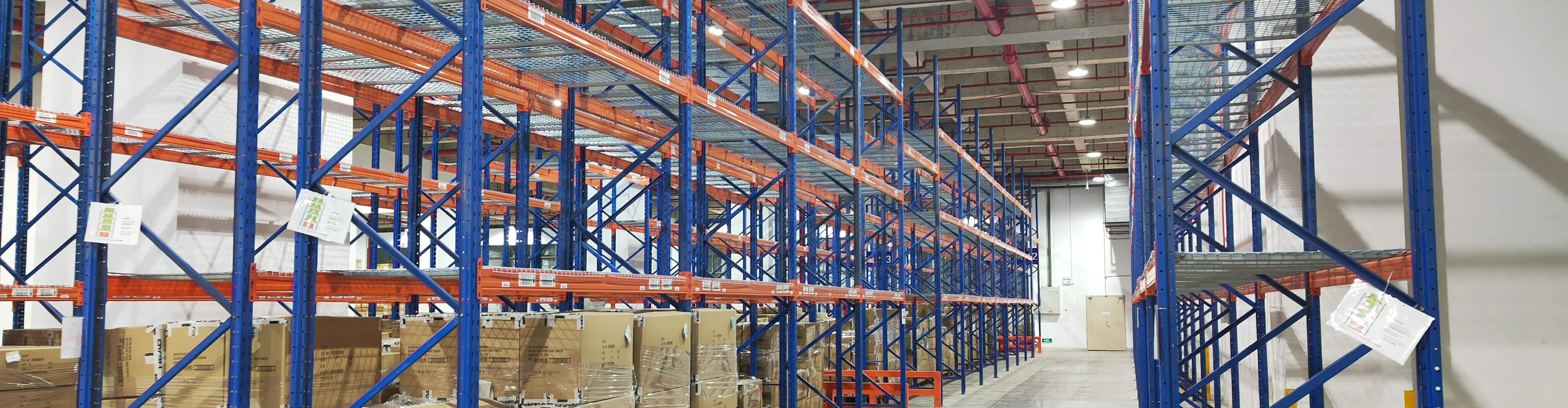
Upgrading storage space with industrial warehouse shelving starts with a simple principle: match the shelving system to your inventory, handling method, and available building space. The right setup can improve storage capacity, picking efficiency, and day-to-day organization, but the wrong one can create congestion, wasted vertical space, and ongoing operational problems.
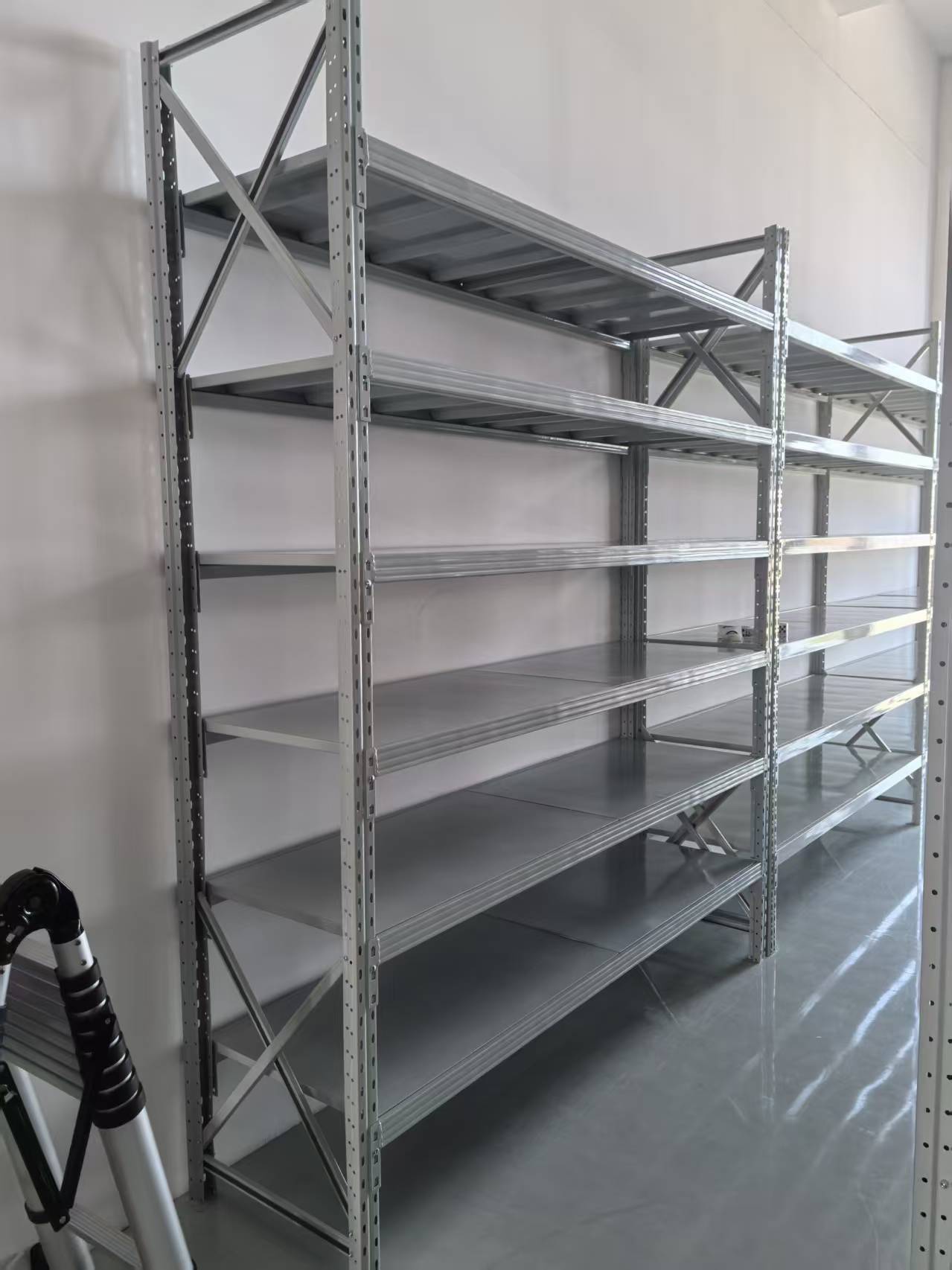
For most warehouses, upgrading storage is not just about adding more shelves. It means reviewing SKU mix, carton sizes, replenishment flow, aisle width, access requirements, floor loading, and future growth. Industrial warehouse shelving works well when goods need direct access, manual picking, and flexible slotting, but it still needs careful planning to deliver real gains.
Why industrial warehouse shelving is used to upgrade storage space
Industrial warehouse shelving is commonly used for hand-loaded goods, cartons, bins, parts, tools, archive stock, and medium-duty inventory that does not always suit pallet racking. It helps businesses use vertical space more effectively while keeping products visible and accessible.
Compared with stacking goods on the floor or using unsuitable light-duty shelving, a properly specified industrial system gives better stock control and cleaner aisle layouts. It can also support faster picking because operators can reach items directly without moving other stock first.
That said, shelving is not the right answer for every warehouse zone. If your operation stores mostly full pallets moved by forklift, pallet racking may be more efficient. If your inventory is highly irregular, very heavy, or long in shape, you may need a mixed storage layout rather than relying only on shelving.
Start with a storage assessment before changing your layout
Before investing in industrial warehouse shelving, assess how your current space is being used. Many storage problems are caused by layout mismatch rather than lack of floor area.
Key questions to answer first
- What types of products will go on the shelves?
- Are items stored in cartons, bins, loose pieces, or totes?
- What are the typical load weights per shelf level and per bay?
- Is access mainly manual picking, trolley picking, or mixed with forklift replenishment?
- How many SKUs require direct access?
- How often does stock rotate?
- How much ceiling height is available, and can it be used safely?
- Are aisle widths wide enough for current traffic and picking equipment?
- Is future expansion likely within the same building?
These questions shape the shelving specification. A warehouse storing slow-moving spare parts has different needs from an e-commerce operation picking many small SKUs every hour. Choosing industrial warehouse shelving without this review often leads to underused levels, overcrowded aisles, or shelf depths that do not fit the product properly.
Choose the right type of industrial warehouse shelving
Not all industrial warehouse shelving is the same. The best choice depends on the weight, dimensions, handling pattern, and accessibility needs of your stock.
Longspan shelving
Longspan shelving is widely used for cartons, archive boxes, parts, and hand-loaded stock. It suits operations that need wider shelf bays and flexible beam-level adjustment. This is often a practical option for backroom storage, spare parts areas, packing stock, and medium-duty warehouse applications.
It may be less suitable where very small SKU locations are needed, because wider spans can reduce slotting precision unless dividers or bins are added.
Multi-tier shelving
Multi-tier shelving adds extra picking levels above ground level to use building height more efficiently. It is often considered when floor space is tight but ceiling height is available.
This approach can significantly increase storage locations, but it also changes workflow. Businesses need to think about stair access, pick routes, replenishment time, lighting, fire protection planning, and how stock moves between levels. Multi-tier layouts are useful for high-SKU operations, but they require more planning than standard single-level shelving.
Bin shelving and small parts shelving
For maintenance stores, component inventory, and parts picking, shelving designed around bins or small containers can improve accuracy and visibility. This is especially helpful where SKU count is high and item sizes are small.
However, if products are bulky or frequently re-packed, this type of industrial warehouse shelving may create too many narrow pick faces and reduce flexibility.
How to use vertical space without creating access problems
One of the biggest advantages of industrial warehouse shelving is vertical storage. Many facilities underuse clear height and rely too heavily on floor-level storage. Adding more levels can improve capacity, but only if operators can access stock safely and efficiently.
When increasing shelving height, consider:
- Manual reach limits for frequent picking
- Whether ladders, steps, or platforms are required
- Replenishment access for upper levels
- Clearance below lighting, sprinklers, doors, and building services
- Product weight on higher shelf levels
- Visibility of labels and locations
A common mistake is placing fast-moving SKUs too high. High-value shelf space should be assigned by movement profile, not just by physical fit. Fast pick items usually belong in the most accessible zones, while reserve or slow-moving stock can go higher.
Plan aisle width around real warehouse movement
Storage upgrades often fail because the shelving layout ignores traffic flow. Industrial warehouse shelving should support movement, not block it. Aisle width needs to reflect how people, carts, and equipment actually travel through the area.
For manual picking zones, narrow aisles may improve storage density, but if pickers cannot pass each other or turn trolleys comfortably, productivity can drop. In mixed-use spaces where forklifts replenish shelving or move nearby pallets, aisle planning becomes even more important.
Review these practical factors:
- Pedestrian traffic volume
- Trolley or cart turning radius
- Forklift interaction points
- Cross-aisle access
- Emergency egress routes
- Packing or staging areas near shelving runs
The most space-efficient layout is not always the most operationally efficient one. A slightly wider aisle can be a better commercial choice if it reduces delays and congestion.
Match shelf capacity to actual loads
Every industrial warehouse shelving project should be based on realistic load requirements. That means understanding the weight of stored goods per shelf level and per bay, not just estimating visually.
Overloading is a common risk when shelving is used for mixed inventory. A bay that was originally planned for boxed parts may later be used for denser stock, creating a load problem that the original design did not anticipate. Clear load planning and visible load notices help reduce misuse.
It is also worth thinking about load distribution. Even if total weight is within limits, concentrated loads or uneven placement can affect performance. Heavier items should generally be stored lower, both for stability and easier handling.
Consider the floor condition before installation
Warehouse managers sometimes focus on the shelving structure and overlook the floor. But floor condition matters. Uneven slabs, damage, poor joint areas, or insufficient load-bearing performance can affect installation quality and long-term stability.
Before installing industrial warehouse shelving, check whether the floor is level enough for proper assembly and whether anchors can be fixed correctly. If the area has experienced forklift damage, water exposure, or slab movement, those issues should be reviewed before the final layout is approved.
This is especially important for taller shelving, multi-tier systems, or installations that will carry dense inventory over time.
Improve picking efficiency, not just storage density
The goal of a storage upgrade is usually broader than adding locations. Industrial warehouse shelving should also support faster and more accurate picking.
To improve picking performance, consider:
- Placing fast-moving SKUs between waist and shoulder height
- Separating similar-looking items to reduce pick errors
- Using clear bay, shelf, and bin labeling
- Grouping stock by order profile or process sequence
- Leaving enough working room at picking faces
- Keeping replenishment activity from interrupting active pick zones
A dense layout with poor slotting discipline can still perform badly. Storage capacity and picking speed need to be balanced based on how the warehouse actually operates.
Think about expansion before the first bay is installed
Good storage planning leaves room for change. SKU counts grow, product dimensions change, and warehouse workflows rarely stay fixed for long. When specifying industrial warehouse shelving, it helps to consider whether the system can be extended, reconfigured, or integrated into a later layout change.
Useful planning questions include:
- Can additional bays be added in the future?
- Will shelf levels need to be adjusted as packaging changes?
- Could the area later be converted into a multi-tier zone?
- Will nearby pallet racking, conveyors, or packing stations affect future expansion?
- Is there enough access for maintenance and inspection as the layout grows?
Buying only for current stock levels can create avoidable replacement costs later. A flexible shelving plan is often more cost-effective than a tightly optimized layout that cannot adapt.
Common mistakes when upgrading with industrial warehouse shelving
Many storage upgrades run into issues because the shelving decision is made too quickly. The system itself may be sound, but the planning assumptions are weak.
Frequent mistakes to avoid
- Using shelving for loads better suited to pallet racking
- Ignoring ceiling height and leaving vertical space unused
- Making aisles too narrow for real picking activity
- Choosing shelf depths that do not match carton or bin sizes
- Placing heavy or fast-moving items too high
- Failing to define load limits clearly
- Overlooking floor condition and anchor points
- Not planning for growth, seasonality, or SKU expansion
- Skipping regular inspection after installation
Most of these problems are preventable if the project starts with a proper operational review rather than a simple count of available square meters.
Maintenance and inspection still matter after installation
Once industrial warehouse shelving is installed, it should not be treated as static infrastructure. Shelving in active warehouse environments is exposed to knocks, overloading, ad hoc modifications, and gradual wear.
Basic routine checks should include:
- Visible damage to uprights, beams, shelves, or bracing
- Loose fixings or anchor issues
- Shelf deflection or signs of overloading
- Missing components or unauthorized alterations
- Blocked aisles or poor housekeeping around shelving runs
- Unreadable load notices or location labels
Inspection frequency depends on usage intensity and operating conditions. Busy areas with frequent replenishment or equipment traffic may need closer attention than low-activity stock zones. If damage is found, the affected area should be reviewed promptly rather than left in service without assessment.
When industrial warehouse shelving is a strong fit
Industrial warehouse shelving is usually a strong option when you need direct access to many SKUs, manual picking efficiency, better organization, and flexible shelf adjustment. It works particularly well for parts storage, carton storage, reserve pick faces, maintenance stock, e-commerce inventory, and mixed product ranges that are not handled only as full pallets.
It may be a weaker fit when goods are very heavy, very bulky, or almost entirely forklift-handled at pallet level. In those cases, shelving may still play a role, but usually as part of a broader storage mix rather than the main system.
FAQ
How do I know if industrial warehouse shelving is better than pallet racking?
If your stock is mainly hand-loaded, carton-based, bin-based, or picked by individual units, industrial warehouse shelving is often more suitable. If most goods are stored and moved as full pallets by forklift, pallet racking is usually the better primary system.
Can industrial warehouse shelving help in a small warehouse?
Yes, especially when floor space is limited and vertical height is available. The key is to use the height without making access, replenishment, or picking less efficient.
What should I check before installing shelving?
Review product dimensions, shelf loads, aisle width, access method, ceiling height, floor condition, and future expansion needs. These factors affect both performance and long-term usability.
Does shelving need regular inspection?
Yes. Even manually loaded shelving should be checked for damage, overloading, loose fixings, missing parts, and layout misuse. Regular inspection helps prevent small issues from becoming safety or operational problems.
Conclusion
Upgrading storage space with industrial warehouse shelving is most effective when the decision is based on workflow, stock profile, access needs, and building constraints rather than storage capacity alone. A well-planned system can increase usable space, improve picking efficiency, and support cleaner inventory control. The strongest results usually come from balancing density, accessibility, safety, and flexibility so the shelving works with the warehouse operation instead of against it.