1. Concept Decomposition & Introduction
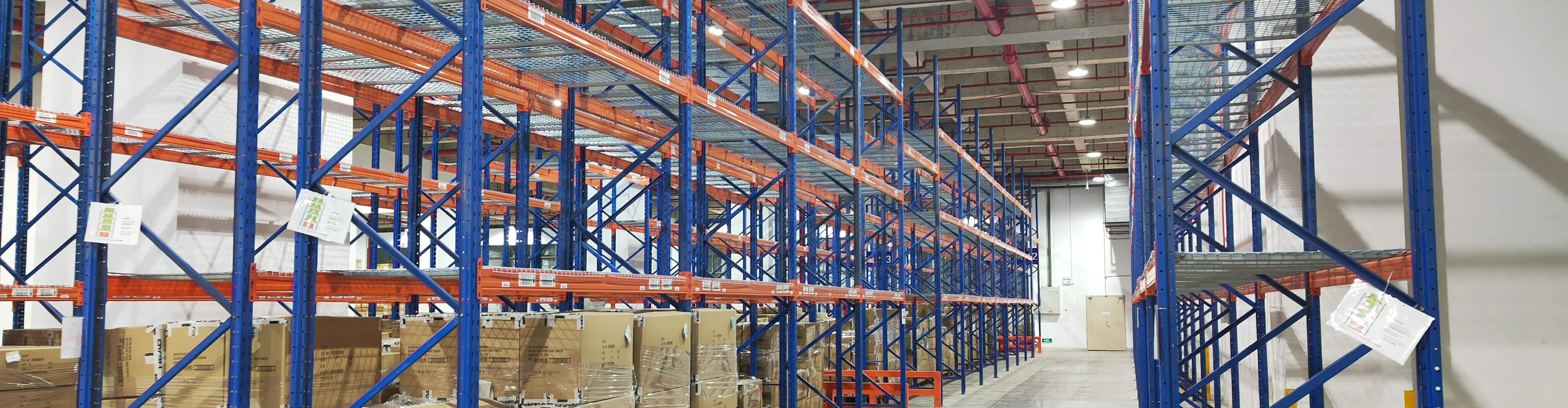
Pallet racking is a specialized storage system designed to hold palletized goods, widely used in warehouses and distribution centers across North America and Europe. It provides a structured framework that maximizes vertical and horizontal space, enabling efficient inventory management for businesses of all sizes. This system is the backbone of modern warehousing operations, as it simplifies loading, unloading, and stock rotation while ensuring goods remain secure.
At its core, pallet racking consists of three primary components: columns, beams, and decking. Columns are vertical steel structures that bear the main load, with standard heights ranging from 8 feet to 40 feet to accommodate different warehouse ceiling heights. Beams are horizontal members that connect columns, forming levels for pallets; they are typically made of high-grade steel with a powder-coated finish to resist corrosion, available in lengths from 4 feet to 10 feet based on pallet dimensions. Decking materials vary by application—wire mesh decking is ideal for ventilation and fire safety, while plywood decking offers enhanced stability for heavy or irregularly shaped pallets.
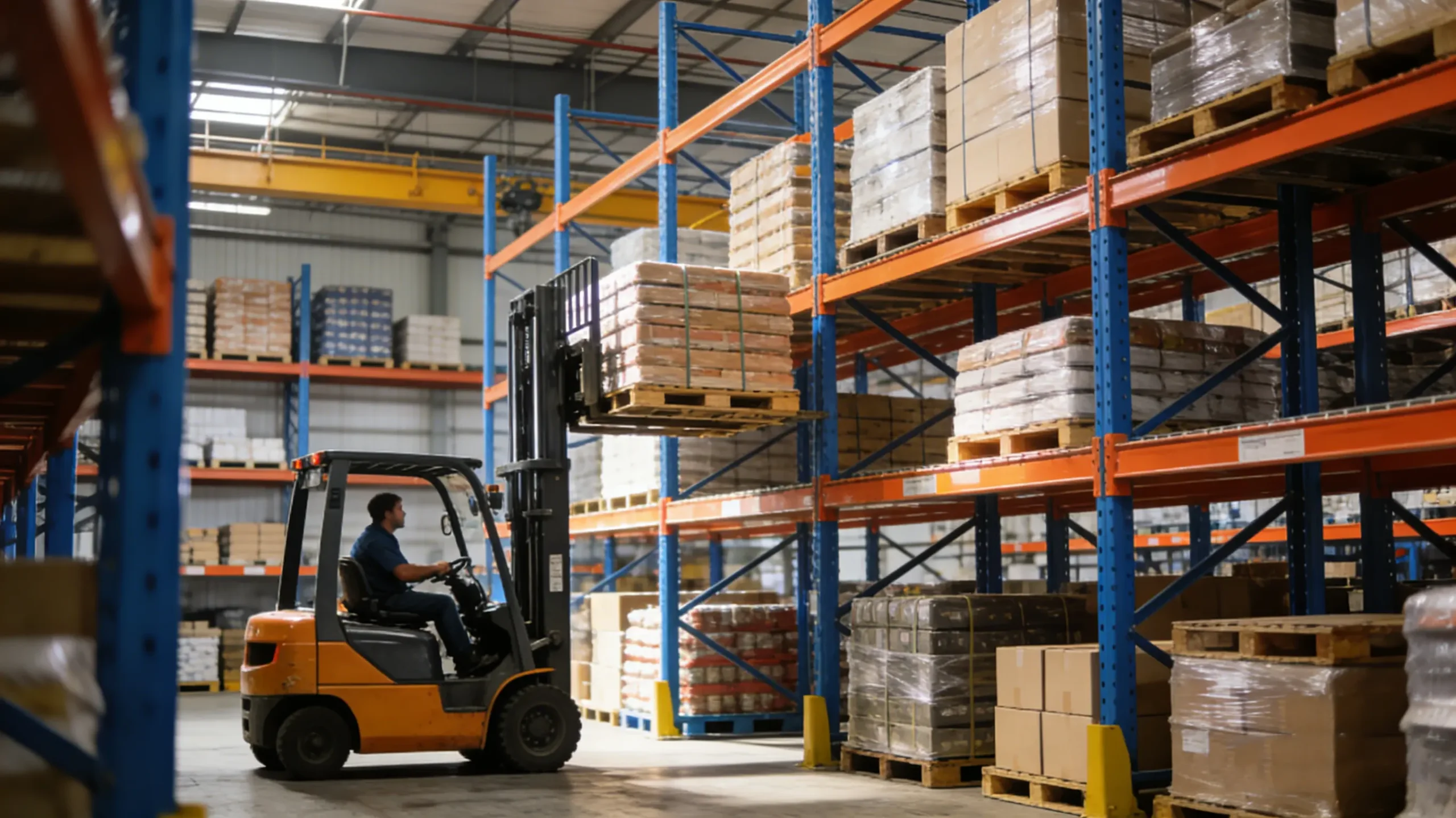
Pallet racking is versatile, adapting to diverse scenarios such as high-load warehousing, irregularly shaped spaces, and sector-specific needs of e-commerce, manufacturing, and cold storage facilities. Unlike standard shelving, which is designed for small, individual items, pallet racking focuses on unit loads (pallets), with load capacity ranging from 1,000 lbs per level for light-duty systems to 10,000 lbs or more for heavy-duty configurations. A key industry term to note is “beam level spacing”—the distance between consecutive beams, which can be adjusted to fit varying pallet heights, a feature critical for optimizing space usage.
Our factory classifies pallet racking into three load grades: light-duty (up to 2,000 lbs/level), medium-duty (2,000-5,000 lbs/level), and heavy-duty (over 5,000 lbs/level). This classification aligns with EN 15512 standards, ensuring each system meets regional safety requirements. For businesses handling bulky items like automotive parts or industrial equipment, heavy-duty pallet racking is indispensable, as it distributes weight evenly across the structure to prevent structural failure.
2. Frequently Asked Questions & Answers
Q1: How to confirm the load capacity of custom heavy duty pallet racking for my warehouse?
Confirming load capacity requires a systematic assessment of your specific needs and compliance with industry standards like OSHA and RMI. First, calculate the unit load weight—this includes the pallet weight plus the maximum weight of goods per pallet. For example, if your pallets weigh 50 lbs and each holds 1,200 lbs of goods, the unit load is 1,250 lbs. Next, determine the number of pallets per level; a standard beam length of 8 feet can typically accommodate two 48×40-inch pallets (the most common size in North America).
Our factory conducts structural calculations based on these parameters, using S275JR steel for heavy-duty components to ensure load-bearing stability. We also factor in environmental conditions—cold storage facilities, for instance, require materials resistant to temperature fluctuations that may weaken steel. Additionally, OSHA mandates that load capacities be clearly labeled on each racking unit, and our team integrates these labels during production to keep your warehouse compliant. For peace of mind, we provide load test reports for custom systems, verifying that each level meets or exceeds the required capacity.
Q2: Can custom pallet racking adapt to irregular warehouse layouts, such as those with columns or low ceilings?
Yes, custom pallet racking is specifically designed to navigate irregular layouts, a common challenge in older warehouses or facilities with structural obstacles. Our factory’s design team uses 3D modeling to map your warehouse, identifying columns, low ceiling areas, and other constraints before drafting a solution. For columns, we adjust beam lengths and column spacing to create gaps around the obstacle, ensuring full access to pallets while maintaining structural integrity.
For low ceilings, we optimize vertical space by reducing beam level spacing or using shorter column heights, without compromising load capacity. In one recent project for a European manufacturing facility with uneven floors, we customized the column base plates to compensate for height variations, ensuring the racking system remained level and stable. All custom designs adhere to EN 15512, which requires systems to withstand lateral forces (such as those from forklifts) even in irregular layouts. This adaptability eliminates the need for costly warehouse renovations, saving time and resources.
3. Core Benefits of Pallet Racking
Enhanced Space Utilization
Pallet racking maximizes vertical space, a critical advantage for warehouses with limited square footage. Our factory’s custom racking can increase storage density by 30%-40% for narrow warehouses, as we design systems that extend upward rather than outward. This eliminates wasted vertical space and allows businesses to store more pallets without expanding their facility, a cost-effective solution for growing operations.
Superior Load-Bearing Safety
Safety is paramount in warehousing operations, and our pallet racking systems are engineered to meet strict OSHA and RMI standards. We use high-tensile steel for columns and beams, with reinforced connections to prevent structural collapse. Each system undergoes rigorous load testing before delivery, ensuring it can withstand intended weights plus a safety margin of 25%. This reduces the risk of accidents, protecting both employees and inventory.
Tailored Adaptability to Pallet & Cargo Types
Every business handles unique cargo, and custom pallet racking adapts to these needs. For lightweight, fragile goods like electronics, we integrate wire mesh decking with anti-slip surfaces to prevent pallets from shifting. For oversized items like machinery parts, we design extra-wide beams and reinforced decking to distribute weight evenly. Our team also considers pallet types—wooden, plastic, or metal—and adjusts decking gaps to ensure a secure fit, eliminating the need for additional stabilizing equipment.
Long-Term Cost Control
Pallet racking’s durability translates to lower long-term costs. Our systems use powder-coated steel that resists rust and wear, reducing the need for frequent replacements. Unlike temporary storage solutions, which may need to be replaced every 2-3 years, our custom pallet racking has a lifespan of 10-15 years with proper maintenance. This longevity lowers total cost of ownership, as businesses avoid repeated purchasing and installation expenses.
Regulatory Compliance & Risk Mitigation
Non-compliance with OSHA or EN 15512 can result in costly fines (up to $136,000 per violation in the U.S.) and operational shutdowns. Our pallet racking is engineered to meet these standards, with features like load labels, safety clips, and stable base plates. We also provide compliance documentation, helping you pass inspections smoothly. For European clients, our systems are RMI-certified, ensuring adherence to regional safety protocols and reducing legal risks.
4. Step-by-Step Implementation Guide for Pallet Racking
Step 1: Conduct a Comprehensive Warehouse Assessment
Start by documenting key warehouse parameters: ceiling height, floor space, structural obstacles (columns, beams), and floor load capacity. Measure pallet dimensions (length, width, height) and calculate unit load weight. Our factory’s technical team can assist with on-site surveys, using laser measurement tools to ensure accuracy. A common pitfall here is overlooking floor condition—uneven floors require custom base plates, so include this in your assessment.
Step 2: Define Requirements & Align with Business Goals
Clarify your priorities: Are you focused on maximizing storage density, improving accessibility, or accommodating heavy loads? For e-commerce businesses with high inventory turnover, prioritize racking that supports forklift access (like selective pallet racking). For manufacturing facilities storing raw materials long-term, consider drive-in racking for higher density. Share these goals with your factory partner to ensure the design aligns with operational needs.
Step 3: Custom Design & Engineering
Work with your factory’s design team to create a 3D model of the pallet racking system. Review beam spacing, column height, and decking material to ensure they fit your requirements. Our engineers optimize the design for structural integrity, using finite element analysis (FEA) to test load distribution. Request a design revision if adjustments are needed—this step is critical to avoiding costly changes during installation.
Step 4: Material Selection & Production Planning
Select materials based on load capacity and environment: S275JR steel for heavy-duty applications, galvanized steel for cold storage, and wire mesh decking for fire safety. Our factory sources materials from ISO 9001-certified suppliers, ensuring consistent quality. Confirm production timelines (typically 4-6 weeks for custom orders) and coordinate delivery to align with your installation schedule.
Step 5: Professional Installation & Debugging
Hire certified installers familiar with OSHA and EN 15512 standards—our factory provides trained teams for on-site installation. Installers will secure columns to the floor with anchor bolts, attach beams, and install decking, ensuring all connections are tight. After installation, conduct a test load: place pallets of the maximum intended weight on each level and inspect for structural movement. Adjust beam levels or connections as needed.
Step 6:验收, Maintenance Training & Documentation
Perform a final inspection to verify compliance with the design and safety standards. Our team provides a comprehensive acceptance package, including load test reports, compliance certificates, and maintenance guidelines. Train staff on proper use: avoid overloading racks, use forklifts carefully to prevent impacts, and inspect the system monthly for damage. Document inspections to maintain compliance and extend the racking’s lifespan.
5. Practical Case Studies
Case Study 1: North American E-Commerce Warehouse
Client: A mid-sized e-commerce company in Illinois with a 10,000 sq. ft. warehouse and irregular column placement, struggling with low storage density and slow order fulfillment. Core Need: Increase pallet storage capacity by 40% while maintaining easy access for forklifts.
Solution: Our factory designed a custom selective pallet racking system with adjusted beam lengths to work around columns. We used 24-foot tall columns and optimized beam spacing to fit 48×40-inch pallets, with wire mesh decking for fire safety. The system included load labels and safety clips to meet OSHA standards.
Result: Storage density increased by 42%, allowing the client to store 120 additional pallets. Order fulfillment time decreased by 25% due to improved accessibility, and the system passed OSHA inspection with zero violations. The client reported a 15% reduction in storage-related costs within the first year.
Case Study 2: European Automotive Parts Manufacturer
Client: A German automotive parts manufacturer with a 15,000 sq. ft. facility, needing to store heavy components (8,000 lbs per pallet) in a space with low ceilings (12 feet). Core Need: Heavy-duty pallet racking that fits vertical constraints and meets EN 15512 standards.
Solution: We customized heavy-duty pallet racking with 10-foot tall columns and reinforced beams made of S275JR steel. Beam level spacing was set to 3 feet to fit the client’s pallet height, with plywood decking for enhanced stability. We also adjusted column base plates to compensate for uneven floors, ensuring structural integrity.
Result: The system safely supports 8,000 lbs per level, with a lifespan projection of 12 years. The client eliminated the risk of structural failure, and the custom design allowed them to use 90% of available vertical space. The system passed RMI certification, enabling compliance with European safety regulations.
Case Study 3: Canadian Cold Storage Facility
Client: A small cold storage business in Ontario, storing frozen food products (-20°C) with a need for corrosion-resistant racking and easy cleaning. Core Need: Custom pallet racking that withstands low temperatures and meets food safety standards.
Solution: Our factory designed a system using galvanized steel columns and beams to resist corrosion from cold, humid conditions. We used smooth wire mesh decking for easy cleaning and drainage, with adjustable beam levels to fit varying pallet sizes. The system included anti-slip features to prevent pallet movement in cold environments.
Result: The racking system remains corrosion-free after 3 years of use, reducing maintenance costs by 20%. The client improved storage efficiency by 35%, and the smooth decking simplified cleaning, helping them maintain food safety certifications. The system’s durability eliminated the need for replacements, supporting long-term cost control.
Pallet racking is an indispensable investment for modern warehouses, blending space efficiency, safety, and adaptability to drive operational success. By partnering with a factory that understands custom needs and regional standards, businesses can optimize their storage systems to meet growth goals while staying compliant.
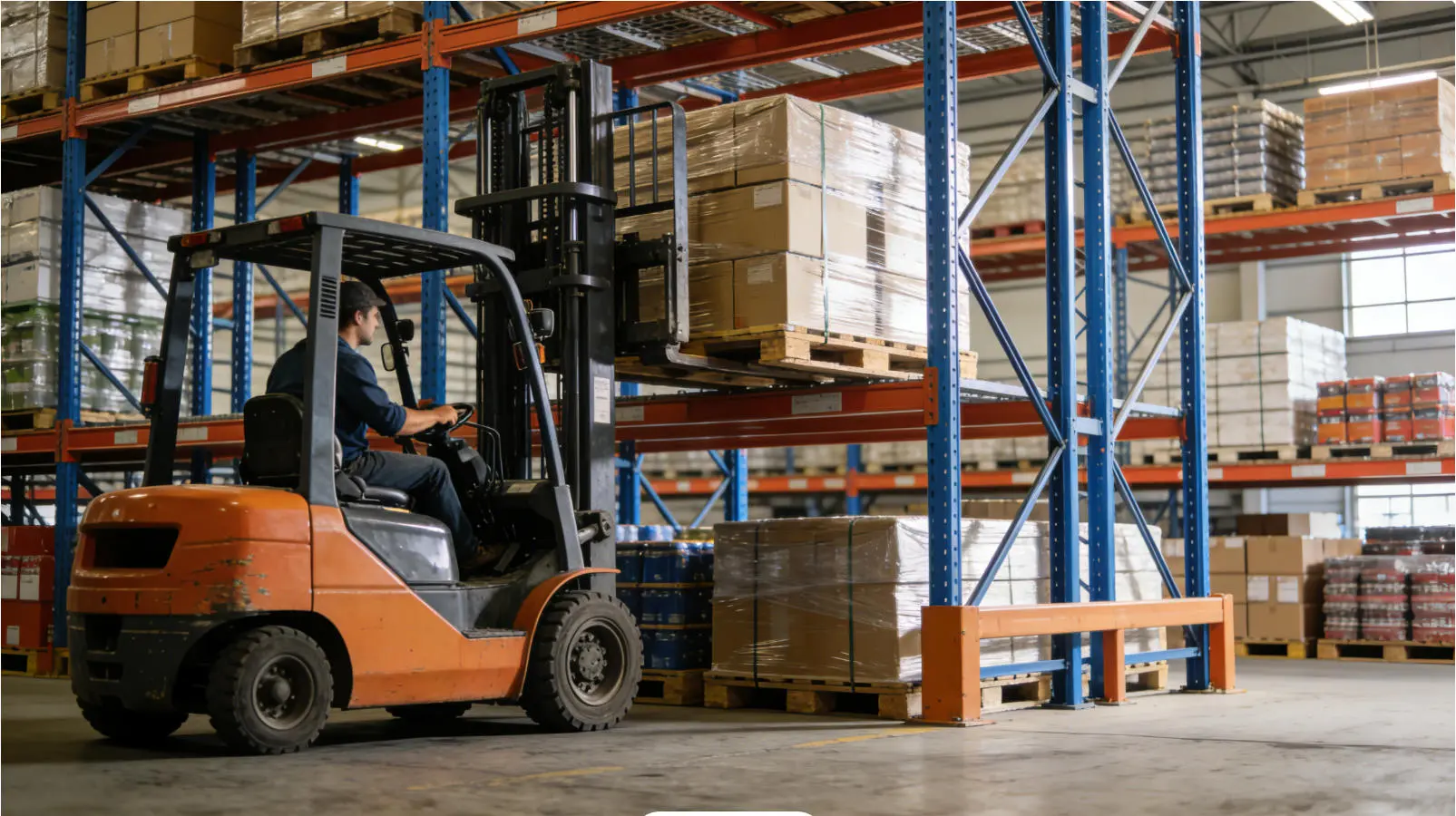
Contact our factory for a free custom heavy duty pallet racking design quote, tailored to your warehouse’s unique layout, load requirements, and compliance needs. Our 10+ years of experience in serving North American and European clients ensures a solution that balances performance, safety, and cost-effectiveness.
About the Author
John Miller is a senior technical consultant with 12 years of experience in the pallet racking industry, working for a leading factory specializing in custom heavy-duty and pallet racking systems. He is proficient in EN 15512, RMI, and OSHA standards, with a focus on designing solutions for North American and European warehouse operations. John has advised over 500 small and medium-sized businesses on optimizing their storage systems for efficiency and compliance.