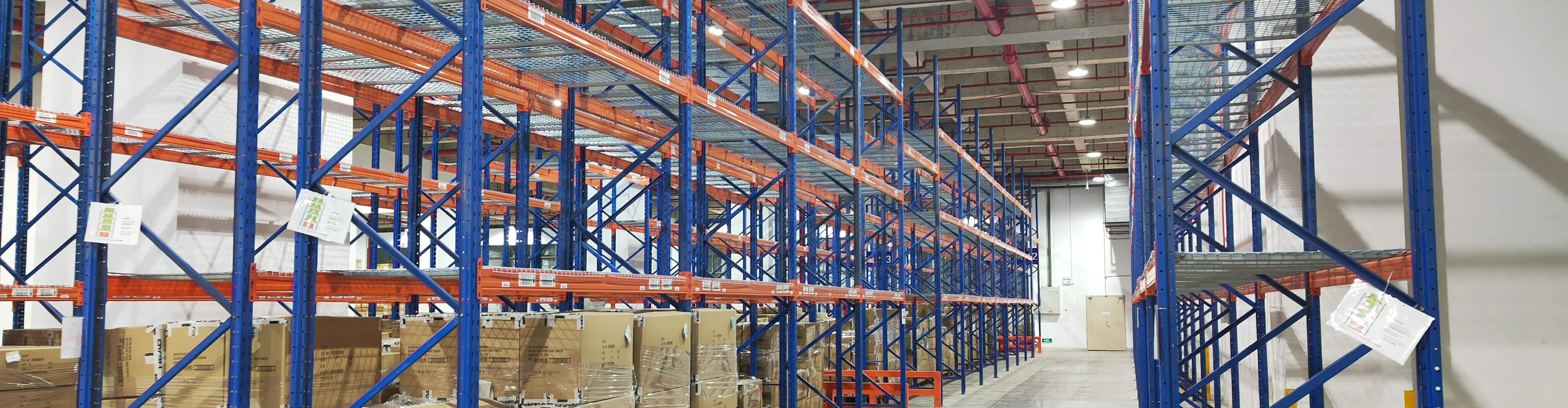
Choosing the right heavy duty metal shelving starts with a simple question: what exactly will the shelving need to support in daily warehouse use? The right system depends on load weight, SKU profile, picking method, available space, and how often the layout may need to change. A shelving system that works well for hand-loaded cartons and parts storage may be a poor fit for pallet handling, forklift traffic, or long-term high-capacity storage.
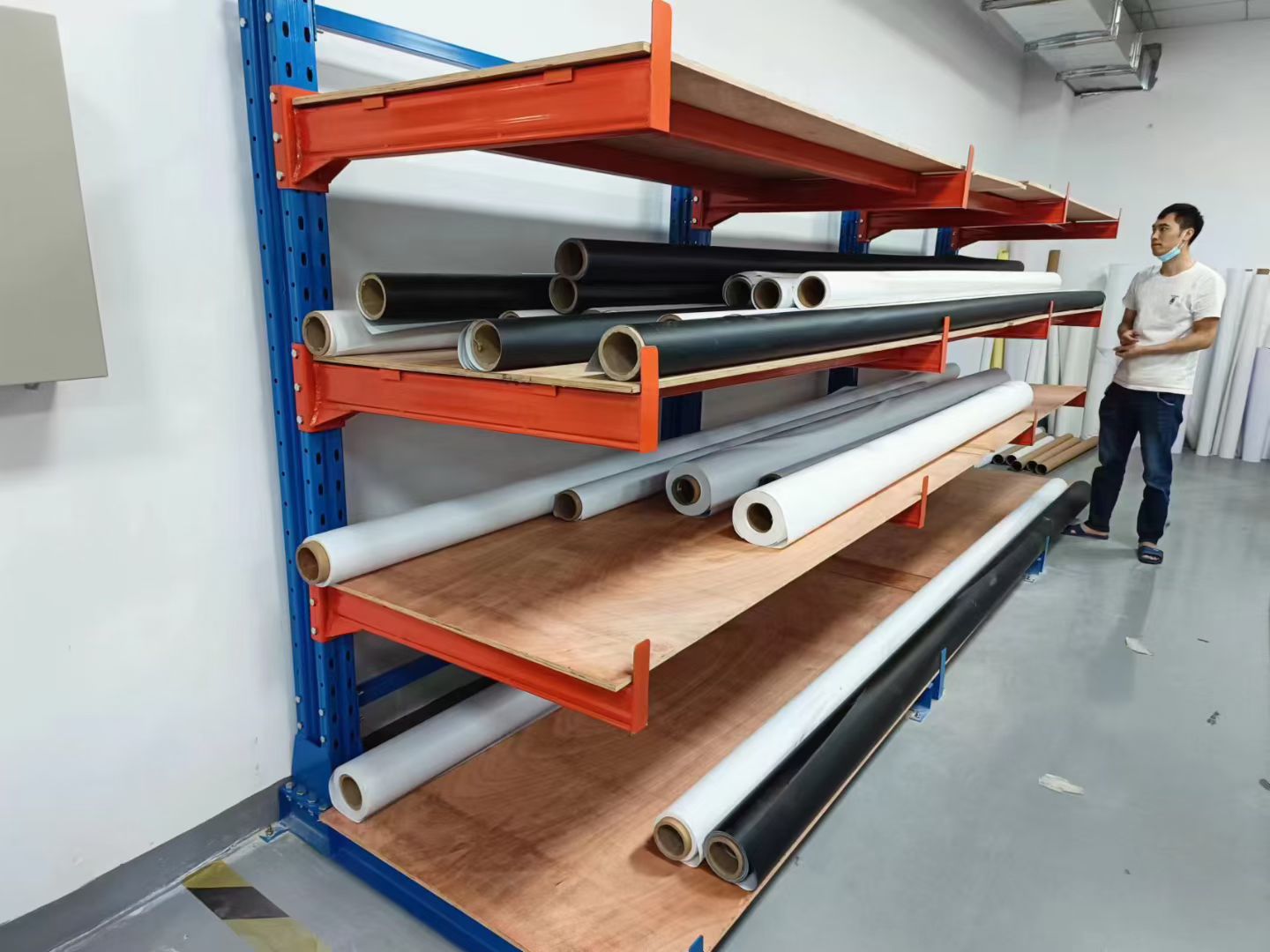
For warehouse managers and procurement teams, the decision is rarely about shelving alone. It affects picking speed, aisle planning, safety checks, floor utilization, and future expansion. This guide explains how to evaluate heavy duty shelving in a practical way so you can match the system to actual warehouse conditions rather than buying on price or appearance alone.
What Heavy Duty Metal Shelving Is Used For in Warehouses
Heavy duty metal shelving is typically used for storing cartons, bins, tools, components, spare parts, archive boxes, and other non-palletized inventory that needs direct access. In many warehouses, it fills the gap between light-duty shelving and pallet racking.
It is commonly selected when operators need to pick individual items by hand, store a wide mix of SKUs, or create organized storage for maintenance supplies, e-commerce stock, parts rooms, back-of-house inventory, or intermediate stockholding areas.
That said, heavy duty shelving is not automatically the right answer for every warehouse. If most inventory is stored on pallets and moved by forklift, pallet racking may be the more efficient system. If the operation needs very high-density small-parts storage, modular bin systems or multi-tier shelving layouts may deserve consideration.
Start With the Real Storage Requirement, Not the Product Brochure
One of the most common buying mistakes is selecting shelving based on nominal dimensions or headline load capacity without reviewing the actual storage task. Before comparing products, define the operating requirement clearly.
Key questions to answer first
- What items will be stored on the shelves?
- What is the weight per shelf level and per bay?
- Are items hand-loaded, trolley-loaded, or supported by lifting equipment?
- How many SKUs need direct access?
- What are the item dimensions and packaging types?
- How frequently will stock rotate?
- Will the layout need to expand or change later?
- Is the shelving used in a general warehouse, parts room, production support area, or archive zone?
Without these answers, it is easy to overspecify the system and pay for unnecessary capacity, or underspecify it and create safety and operational problems later.
Check Load Capacity Carefully
Load capacity is one of the first things buyers look at, but it also causes some of the biggest misunderstandings. A shelving system must be suitable for the actual load per shelf level and the total load per bay, not just a general claim that it is heavy duty.
In practice, warehouse loads are not always evenly distributed. Dense cartons, metal parts, tooling, and spare components can create concentrated point loads that affect shelf performance differently from evenly spread lightweight stock.
What to review
- Maximum load per shelf level
- Maximum total bay load
- How the load rating is defined
- Whether the stored goods create uniform or point loading
- Whether shelf material and support design match the stock profile
If your operation stores mixed inventory, do not assume every shelf level can safely carry the same load in real use. The safest purchasing approach is to plan around the heaviest realistic loading condition, not the average one.
Match the Shelving to the Inventory Type
Different stock profiles place different demands on heavy duty metal shelving. A system suitable for boxed consumer goods may not perform as well for irregular spare parts, maintenance items, or bulky industrial components.
Common warehouse inventory types and what they mean for shelving selection
- Cartons and case-packed goods: Usually require predictable shelf spacing, clear labeling areas, and straightforward hand access.
- Small parts and components: Often benefit from shelving that works well with bins, dividers, and high-SKU organization.
- Bulky but non-palletized items: Need larger shelf depths and careful review of level spacing and manual handling safety.
- Maintenance, repair, and operations stock: Often needs flexible shelf adjustment because item sizes change over time.
- Archive boxes or slow-moving stock: May prioritize storage volume over fast-pick access.
The more varied the SKU mix, the more valuable adjustability becomes. Fixed layouts can look efficient on paper but become restrictive when inventory changes.
Consider How the Warehouse Actually Picks and Replenishes Stock
Shelving should support the workflow, not force operators into inefficient movement. In many facilities, the real issue is not whether shelving can hold the product, but whether staff can access it safely and quickly.
Operational factors that matter
- Hand picking versus full-case picking
- Use of picking carts or ladders
- Replenishment frequency
- Travel distance between shelving rows
- Access to fast-moving versus slow-moving SKUs
- Need for batch picking, zone picking, or line-side supply
For example, very deep shelves may increase storage volume but slow down picking if operators need to reach too far into each level. Very high shelving may improve cubic utilization but create ergonomic issues if frequently picked items are stored above comfortable access height.
A practical rule is to place fast-moving items in the most accessible pick zone and use upper or lower levels for reserve stock or slower-moving inventory where appropriate.
Aisle Width, Access, and Warehouse Layout
The shelving itself is only part of the decision. The surrounding layout often determines whether the system works well in daily operation.
When planning heavy duty metal shelving, review aisle width, cross-aisles, doorways, column locations, fire exits, and any interaction with forklifts or pallet trucks. Shelving rows that are too tightly packed may improve storage density but reduce pick efficiency and create congestion.
Layout planning points
- Allow enough aisle width for safe pedestrian movement and picking equipment
- Maintain clear access to exits, service areas, and inspection routes
- Avoid creating blind corners where traffic conflict may occur
- Consider whether shelving blocks future racking expansion or conveyor routes
- Review ceiling height in relation to usable shelf height, lighting, and sprinkler clearance where relevant
A layout that looks space-efficient in a drawing can become difficult to operate if replenishment, picking, and supervision all compete in the same narrow aisles.
Do Not Ignore Floor Condition and Installation Environment
Warehouse shelving performance depends partly on the condition of the floor and the surrounding environment. Uneven floors can affect stability and alignment. Damp, corrosive, or dirty areas may influence material finish and maintenance needs.
Environmental and site factors to review
- Floor flatness and load-bearing suitability
- Indoor dry storage versus damp or washdown-prone areas
- Exposure to corrosion risks
- Temperature conditions if used in cold or temperature-controlled spaces
- Nearby forklift traffic that increases impact risk
If shelving is installed close to vehicle routes, end-of-aisle protection and impact awareness become more important. Even hand-loaded shelving can be damaged over time if it sits in mixed-use warehouse zones with pallet movement nearby.
Adjustability and Future Expansion Matter More Than Many Buyers Expect
Warehouses rarely stay static. Product lines change, packaging changes, and picking profiles change. A shelving system that cannot adapt may become inefficient long before it wears out.
When comparing options, ask how easily shelf levels can be adjusted, whether additional bays can be added later, and whether the system can support phased expansion without creating compatibility problems.
Expansion-related questions
- Can shelf heights be changed without major disruption?
- Can extra bays be added in the future?
- Will matching components still be available later?
- Can the layout be reconfigured if SKU mix changes?
- Will the shelving integrate with bins, dividers, labels, or mesh accessories if needed?
If the warehouse is growing or the stock profile is uncertain, flexibility often has more long-term value than choosing the lowest initial purchase cost.
Know When Heavy Duty Metal Shelving Is Not the Right Fit
Not every warehouse storage problem should be solved with shelving. Buyers make better decisions when they also understand the limits of the system.
Heavy duty shelving may be less suitable when:
- Most stock is palletized and moved by forklift
- Very high storage density is required for full pallets
- Inventory is extremely long, oversized, or irregularly shaped
- The operation needs automated storage interfaces
- Load weights are better suited to pallet racking or cantilever systems
- Frequent forklift interaction creates high impact risk around shelving rows
In these cases, pallet racking, longspan shelving, cantilever racking, or a mixed storage layout may be more practical. The right decision is often a combination of systems rather than forcing one product type to do everything.
Safety, Maintenance, and Inspection Should Influence the Purchase
Selection should not stop at capacity and dimensions. A warehouse shelving system also needs to remain safe and manageable over time. This means thinking ahead about inspection access, housekeeping, misuse prevention, and visible load control.
Practical safety considerations
- Clear load signage where appropriate
- Routine checks for bent members, loose fixings, or damaged shelves
- Good housekeeping to prevent overhang and trip hazards
- Protection from vehicle impact where traffic is nearby
- Staff awareness on correct loading and shelf use
Some shelving failures are caused less by the original design and more by misuse after installation. Overloading one level, placing heavy dense items on unsuitable shelves, or allowing damaged components to remain in service can create avoidable risk.
Common Buying Mistakes to Avoid
Most shelving problems can be traced back to planning shortcuts. Buyers can reduce risk by watching for a few repeat mistakes.
- Buying by price alone: Lower upfront cost can lead to poor fit, faster damage, or operational inefficiency.
- Using average load instead of maximum realistic load: Warehouses do not always load shelves evenly.
- Ignoring workflow: A capacity-focused layout may slow picking and replenishment.
- Underestimating future change: Fixed layouts can become restrictive quickly.
- Confusing shelving with pallet racking: The two systems serve different handling methods.
- Skipping site review: Floor issues, aisle constraints, and access conflicts matter.
A careful specification process usually saves more time and cost than trying to correct a poor layout after installation.
A Simple Decision Framework for Choosing Heavy Duty Metal Shelving
If you need a practical way to shortlist options, use this sequence:
Define the inventory: item sizes, weights, packaging, and SKU count.
Confirm the handling method: hand picking, trolley picking, or mixed access.
Set the load requirement per shelf and per bay using realistic maximum loads.
Review the warehouse layout: aisle width, height, floor condition, and traffic flow.
Decide how much adjustability and future expansion is needed.
Check whether shelving is truly the right system versus racking or another storage format.
Plan for inspection, maintenance, and protection in day-to-day use.
This approach helps buyers choose heavy duty metal shelving based on operational fit rather than assumptions.
FAQ
What is the difference between heavy duty metal shelving and pallet racking?
Heavy duty shelving is generally used for hand-loaded or manually accessed goods such as cartons, bins, and parts. Pallet racking is designed for palletized loads handled by forklifts or similar equipment.
How do I know what load capacity I need?
Start with the heaviest realistic load expected on each shelf level, not the average load. Also review the total load per bay and whether the stored goods create even or concentrated loading.
Is heavy duty metal shelving suitable for all warehouses?
No. It works well for many picking and parts-storage applications, but it may be less suitable for pallet-heavy operations, oversized goods, or layouts dominated by forklift handling.
Can shelving be expanded later?
Many systems can be expanded, but this depends on the product design and long-term component availability. If future growth is likely, expansion planning should be part of the initial selection process.
Conclusion
The right heavy duty metal shelving for warehouse use is the system that matches your stock profile, load requirement, picking method, and layout constraints without creating avoidable safety or workflow problems. Buyers should look beyond basic dimensions and focus on how the shelving will perform in real operation: how it will be loaded, accessed, inspected, and adapted over time.
If you assess load, access, layout, flexibility, and operational fit in that order, you are far more likely to choose a shelving solution that supports efficient warehouse use rather than becoming a limitation a few months after installation.