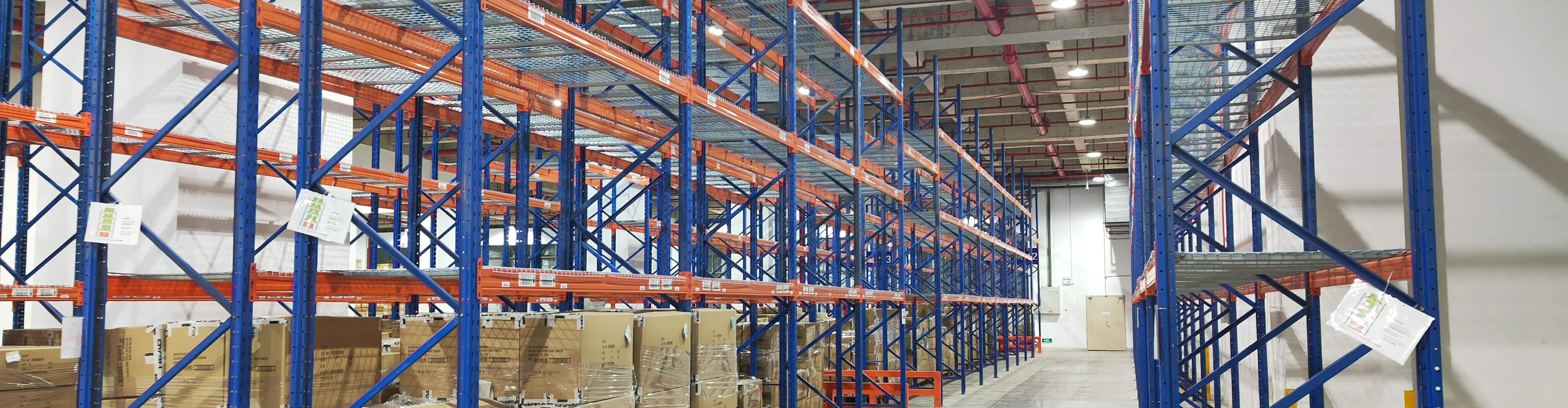
Choosing the right industrial warehouse shelving depends less on finding one universal system and more on matching the shelving to the inventory, handling method, and workflow in the building. Small parts, hand-picked cartons, and bulky reserve stock do not behave the same way in storage, so they should not be planned the same way either. The most suitable solution usually balances accessibility, load capacity, space efficiency, safety, and future expansion.
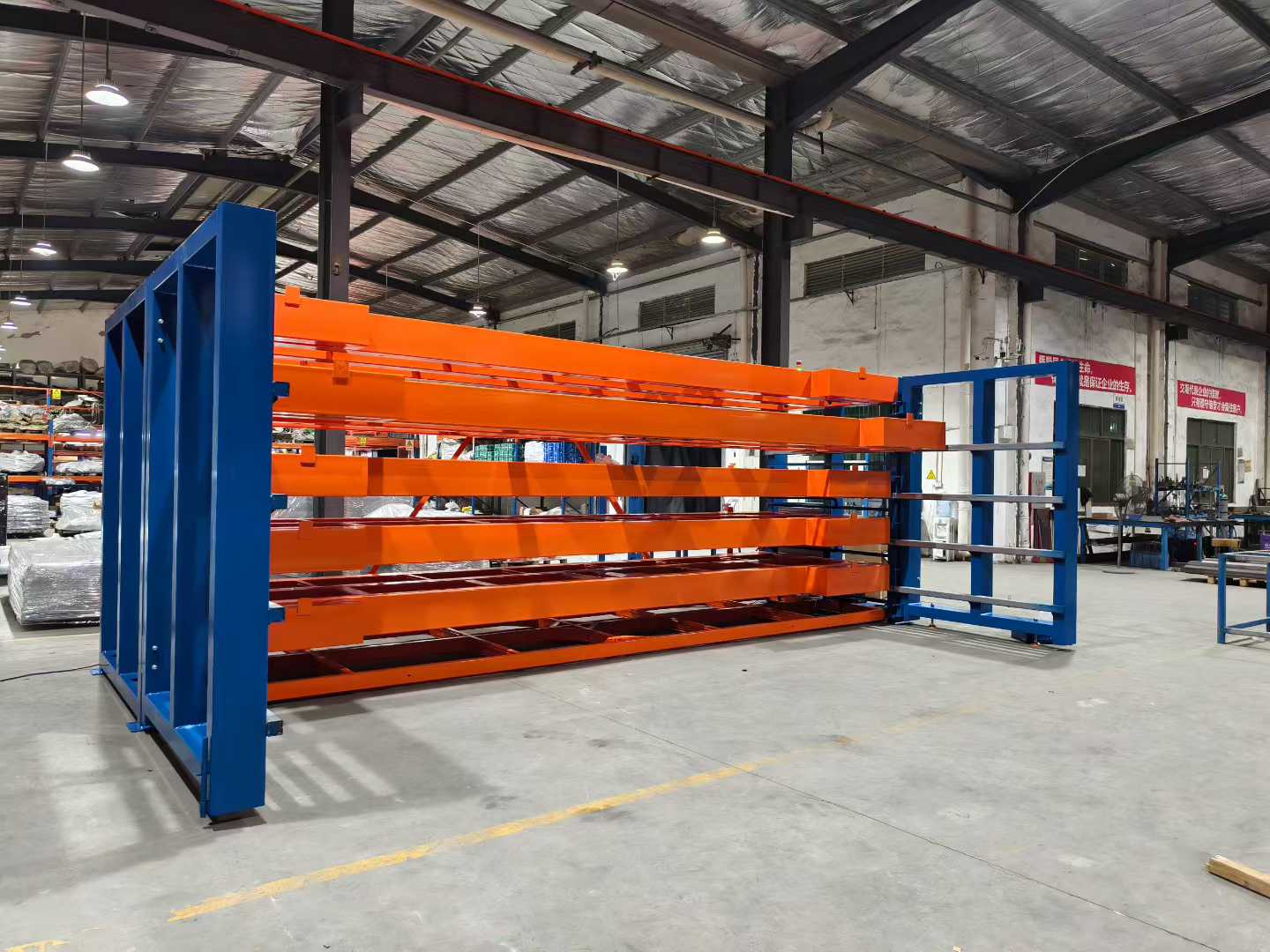
For most operations, the practical starting point is simple: use shelving that gives direct access for fast-moving parts and carton picking, and use heavier-duty storage systems where loads become larger, deeper, or more pallet-based. That means a warehouse may need more than one type of industrial warehouse shelving rather than a single system across every zone.
What industrial warehouse shelving is designed to do
Industrial warehouse shelving is used to store goods that need organized, visible, and repeatable access at shelf level. It is commonly selected for hand-loaded inventory, split-case picking, spare parts, maintenance stock, archive materials, e-commerce cartons, and lighter bulk goods that do not need full pallet racking.
In practical warehouse use, shelving sits between simple floor storage and pallet racking. It offers better SKU organization than floor stacking and easier item access than pallet-only systems. The trade-off is that shelving generally stores less weight per position than pallet racking and may require more labor if products are picked manually.
When buyers evaluate industrial warehouse shelving, they should look beyond headline capacity and consider how the shelving will be used every day. A system that looks efficient on paper can become slow, congested, or hard to maintain if aisle widths, replenishment methods, and SKU growth are not planned early.
Best shelving options for different warehouse inventory types
1. Shelving for small parts and high-SKU storage
For small parts, maintenance items, components, and mixed SKUs, open steel shelving is often the most practical choice. It allows direct visibility, easy labeling, and quick hand access. This matters in facilities where pickers need to identify many item lines quickly and reduce search time.
Open shelving works well when:
- There are many SKUs with relatively low unit size
- Items are picked by hand rather than forklift
- Fast visual identification is important
- Bin storage, dividers, or shelf labels are part of the process
- Frequent stock counting is required
However, this type of industrial warehouse shelving is less suitable for long, oversized, or unstable goods. It can also become inefficient if SKU discipline is poor. Without clear slotting, labels, and replenishment rules, small-parts shelving quickly turns into mixed stock overflow.
2. Shelving for cartons and case picking
Carton storage typically needs a different approach. Cartons are often larger than loose parts, may vary in dimensions, and are commonly handled in pick faces with reserve stock above or nearby. Adjustable shelving is useful here because carton profiles change over time, especially in distribution environments with changing product mixes.
The best shelving setup for cartons usually supports:
- Easy front-facing access for pickers
- Clear carton labeling and bay identification
- Adjustable shelf heights to reduce wasted vertical space
- Safe manual handling without overreaching
- Simple replenishment from reserve locations
If cartons are heavy, awkward, or frequently replenished by pallet, standard shelving may stop being the right answer. In those cases, carton flow systems, longspan shelving, or pallet racking with lower-level picking positions may be more practical than conventional shelf bays.
3. Shelving for bulk goods and larger stored items
Bulk goods create the biggest selection mistakes. Many buyers initially assume all non-palletized stock belongs on shelving, but bulky items often need stronger and wider shelf spans, fewer levels, and more open access. Longspan shelving is commonly considered when goods are too large or too heavy for light-duty shelving but do not justify full pallet racking.
This form of industrial warehouse shelving is often a good fit for:
- Larger cartons and reserve stock
- Tools, hardware packs, and maintenance inventory
- Bulky but hand-loaded goods
- Archive boxes or packaged materials
- Mixed commercial stock that changes regularly
Its limitation is density. Bulk items consume cube quickly, and shelf storage can leave unused air space if shelf levels are not matched to product height. If loads are genuinely pallet-scale, pallet racking is usually the better engineering and operational choice.
How to choose industrial warehouse shelving by warehouse operation
The right industrial warehouse shelving is not chosen by product weight alone. It should be selected around how inventory moves through the building.
Picking method
If most orders are hand-picked by piece or carton, shelving with direct access is usually more efficient than deeper storage. If goods are handled mostly by forklift in larger units, shelving may create unnecessary labor because staff must break loads down before storage or dispatch.
SKU profile
High-SKU operations usually benefit from more shelf locations, clear labeling, and smaller slot sizes. Low-SKU operations with larger quantities per item may be better served by pallet storage, bulk bays, or a combination of shelving and racking.
Replenishment frequency
Fast-moving pick faces need easy replenishment without disrupting order picking. If the shelving zone empties quickly, planners should think about reserve stock placement, access routes, and whether replenishment will happen during active picking hours.
Available building height
Many warehouses underuse vertical space. Multi-tier shelving can improve cube utilization for small parts and carton picking, but only if safe access, picking productivity, and fire protection requirements are considered. Simply adding height without planning travel paths and ergonomics can reduce efficiency.
Aisle width and access equipment
Industrial warehouse shelving must fit the actual handling environment. Narrow aisles may improve density, but only if picking carts, ladders, or handling equipment can move safely. In mixed traffic areas, aisle congestion often becomes a bigger problem than storage capacity.
Floor condition and load distribution
Before installing shelving, buyers should confirm the floor is suitable for the intended loads and fixing method. Uneven floors can affect alignment, stability, and installation quality. This is especially relevant in older warehouses where slab condition varies across the building.
When standard shelving is the right choice
Standard shelving is usually the right fit when goods are relatively light, manually handled, and stored in many SKU locations. It works well in spare parts rooms, maintenance stores, e-commerce pick modules, pharmaceutical support areas, and general warehouse picking zones where visibility matters.
It is especially useful when operations need:
- Flexible shelf adjustment
- Good stock visibility
- Manual access to each SKU
- Simple expansion bay by bay
- Orderly storage for bins, totes, and cartons
The weakness of standard industrial warehouse shelving is that it can be overloaded or misused when inventory gradually becomes heavier or larger than originally planned. Many shelving problems begin not with the design, but with stock drift over time.
When longspan shelving is a better fit
Longspan shelving is often more suitable where products are too heavy, too wide, or too awkward for lighter shelf systems. It is commonly used for larger cartons, tools, packaged components, and hand-loaded reserve stock. Compared with lighter shelving, it usually offers wider bays and stronger shelf levels.
It may be the better option if:
- Products are bulky but not always palletized
- Operators need wide shelf openings
- Stock dimensions change regularly
- The warehouse needs a mix of picking and reserve storage
- Load demands exceed light-duty shelving comfort levels
That said, longspan shelving still has limits. If forklifts need to place full loads directly into storage positions, pallet racking is often more practical. Using shelving where pallet handling dominates can slow operations and increase damage risk.
When pallet racking may be more suitable than industrial warehouse shelving
Not every storage problem should be solved with industrial warehouse shelving. If goods are stored and moved mainly as pallets, pallet racking is usually the more appropriate system. It offers higher load capacity, better forklift integration, and clearer beam-level loading structures.
Pallet racking may be the better choice when:
- Inventory arrives and ships in pallet quantities
- Loads are too heavy for shelf-based handling
- Forklift replenishment is constant
- Reserve stock volume is high
- The operation needs scalable pallet positions more than hand-pick slots
In many facilities, the most effective layout combines pallet racking and industrial warehouse shelving. Shelving handles active picking, while pallet racking supports reserve inventory. This hybrid approach often improves both productivity and stock control.
Key buying factors before selecting industrial warehouse shelving
Load requirements
Each shelf level and bay must be matched to the real stored load, not the estimated average. Buyers should consider the heaviest likely condition, including future product changes. Underestimating load is a common and costly mistake.
Adjustability
Adjustable shelves are valuable in operations where carton sizes or SKU profiles change. Fixed layouts may look tidy initially but become inefficient when products evolve.
Ease of inspection and maintenance
Shelving should allow easy visual checks for bent frames, damaged shelves, missing clips, loose fixings, and overloaded levels. If damage is hard to spot, maintenance standards tend to slip.
Expansion potential
Good industrial warehouse shelving planning should leave room for future bays, revised slotting, or changes in inventory mix. A system that fills every meter of floor space on day one can make later growth much harder.
Integration with workflow
The shelving layout should support receiving, put-away, picking, replenishment, and stock counts. Storage density means little if pickers must cross the warehouse repeatedly or replenishment blocks key aisles.
Common mistakes buyers make
- Choosing shelving only by price without considering handling method
- Using light-duty shelving for goods that steadily become heavier
- Ignoring aisle space for ladders, carts, or replenishment traffic
- Failing to separate fast-moving pick faces from reserve stock
- Overlooking ceiling height and wasted vertical cube
- Installing shelving without a clear labeling and slotting plan
- Not planning routine inspections after the system goes into use
Most of these issues are avoidable if the shelving decision is based on operational reality rather than a simple equipment list.
Maintenance and safety considerations
Even well-chosen industrial warehouse shelving needs routine attention. Shelving used for daily picking is exposed to impact, overloading, and gradual misuse. A practical inspection routine should check for visible frame damage, shelf deflection, loose components, missing safety parts, poor housekeeping, and stock stored beyond intended limits.
Managers should also review whether product changes have altered the original use case. A shelving system that was suitable for light cartons may no longer be suitable if heavier items have migrated into the same bays. Safety problems often develop slowly as stock profiles change.
Basic housekeeping also matters. Overhanging cartons, unstable stacking, blocked aisles, and unclear location labels reduce both safety and productivity. Clean, legible, and disciplined shelving usually performs better than a theoretically dense layout with poor stock control.
A practical framework for choosing the right system
If you are comparing options, use this simple decision framework:
- Choose standard shelving for small parts, bins, and light carton picking with many SKUs.
- Choose longspan shelving for larger, heavier, or bulkier hand-loaded items that need wider shelf access.
- Choose pallet racking when loads are palletized, forklift-handled, or too heavy for shelf-based storage.
- Use a mixed layout when you need both active picking and reserve stock in the same warehouse.
The right industrial warehouse shelving is the one that supports daily work without creating hidden handling, replenishment, or safety problems elsewhere in the operation.
FAQ
What is the best industrial warehouse shelving for small parts?
For small parts, open adjustable shelving is usually the most practical because it supports clear labeling, direct hand access, and high SKU organization. Bins and dividers can improve control further.
Is industrial warehouse shelving suitable for heavy goods?
It depends on the shelving type and the actual load. Lighter shelving is not suitable for heavy bulk stock. For heavier or wider items, longspan shelving or pallet racking may be more appropriate.
Can one warehouse use both shelving and pallet racking?
Yes. Many warehouses use industrial warehouse shelving for picking locations and pallet racking for reserve stock. This is often the most practical approach for mixed inventory.
How do I know if shelving is becoming unsuitable?
Warning signs include overloaded shelves, product overhang, poor accessibility, frequent replenishment disruption, damaged components, and stock types that have changed significantly since installation.
Conclusion
The best industrial warehouse shelving for parts, cartons, and bulk goods depends on what is being stored, how it is handled, and how the warehouse needs to perform each day. Small parts usually need visibility and slot control, cartons need flexible picking access, and bulk goods often require stronger, wider shelving or a shift to pallet-based storage. Buyers who evaluate load, SKU mix, picking method, aisle access, and future growth will make better long-term decisions than those who choose shelving by price or appearance alone.