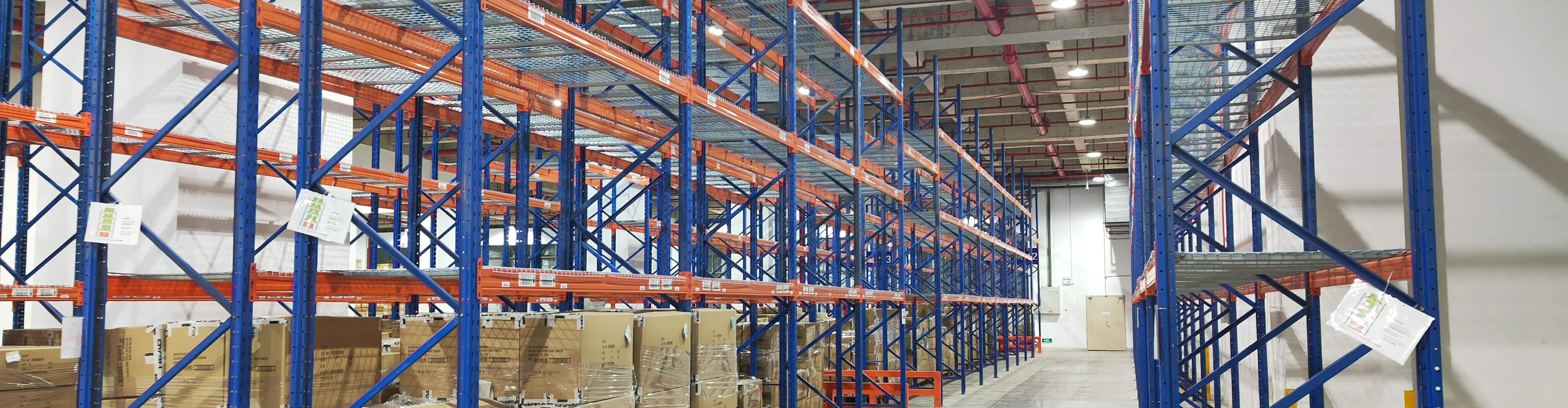
Installing heavy duty warehouse shelving safely starts with planning, not assembly. Before any uprights, beams, or shelves are placed on the floor, the installer needs to confirm load requirements, floor condition, layout clearances, anchoring method, and the manufacturer’s installation instructions. A safe installation reduces the risk of collapse, product damage, blocked aisles, and avoidable injuries during daily warehouse use.
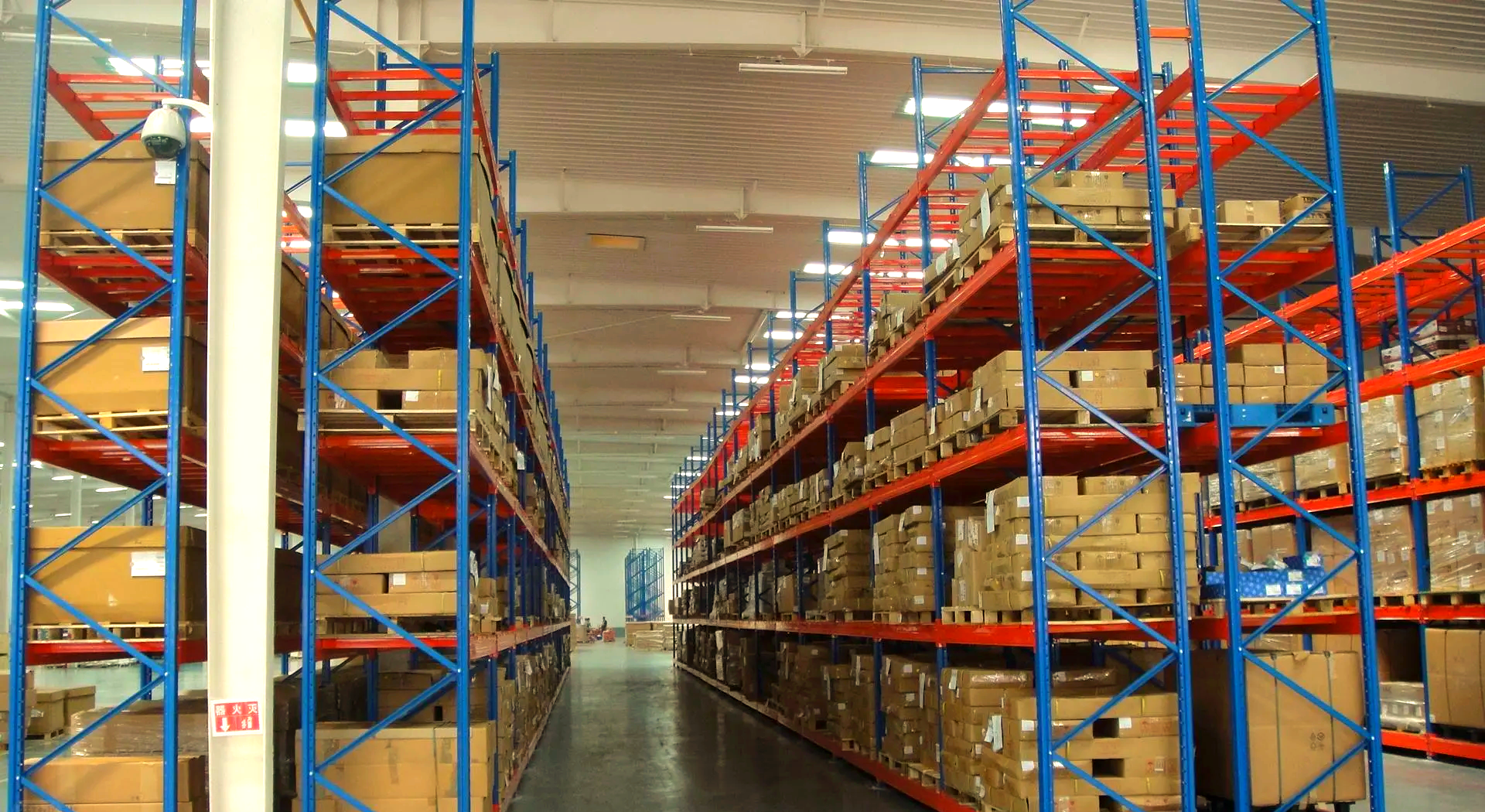
For warehouse managers and project teams, the key point is simple: heavy duty warehouse shelving must be installed as a load-bearing storage system, not treated like ordinary light-duty shelving. The way it is positioned, anchored, leveled, and used will directly affect safety, accessibility, and long-term reliability.
What counts as heavy duty warehouse shelving?
Heavy duty warehouse shelving generally refers to industrial shelving systems designed to hold substantial loads for cartons, bins, parts, tools, archive stock, or hand-loaded inventory. Depending on the design, it may include boltless shelving, longspan shelving, or other industrial shelf systems used in warehouses, stockrooms, back-of-house storage areas, and light industrial facilities.
These systems are often chosen when operators need better accessibility than pallet racking but more strength than standard commercial shelving. They are commonly used for piece-picking, mixed-SKU storage, maintenance parts, e-commerce inventory, and reserve stock that is handled manually rather than by pallet at every level.
That said, not every shelving product suits every warehouse. If stock is very heavy, moved mainly by forklift, or stored on pallets at height, pallet racking may be more appropriate than heavy duty warehouse shelving. Safe installation begins with confirming that the selected system matches the handling method and load profile.
Start with a site assessment before installation
The most common installation mistakes happen before the first frame is assembled. A proper site review helps avoid layout conflicts and unsafe loading conditions later.
Check the floor condition
The floor must be suitable for the proposed shelving load and anchoring method. Uneven, cracked, sloping, or damaged concrete can create instability and make it difficult to level frames correctly. If the floor is significantly out of level, installers may need approved shimming methods rather than forcing the structure into position.
Floor condition matters even more when heavy duty warehouse shelving will be installed in long runs, near loading areas, or in older buildings where slab quality varies across the warehouse.
Review ceiling height and overhead obstructions
Measure the clear installation height, not just the building height. Lighting, sprinklers, ducting, doors, and suspended services can affect where shelving can be placed and how high it can safely go. Do not assume that a shelf unit that fits on paper will fit safely in operation.
Confirm aisle width and traffic flow
Shelving should not create pinch points for staff, trolleys, ladders, or picking equipment. If forklifts operate nearby, aisle protection and clear separation from shelving zones may be necessary. In mixed-use warehouses, poor layout planning often causes impact damage, blocked access, and unsafe manual handling.
Define load requirements clearly
Before installation, identify:
- Maximum load per shelf level
- Maximum bay load
- Type of items being stored
- Whether stock is evenly distributed or concentrated
- How inventory will be loaded and picked
- Whether future load increases are likely
One of the biggest risks with heavy duty warehouse shelving is installing a system that is physically assembled correctly but operationally overloaded from day one.
Plan the shelving layout for safe daily use
A safe installation is not only about structural assembly. It must also support practical warehouse operations. Layout decisions should reflect how people will actually use the shelving during receiving, replenishment, picking, counting, and cleaning.
Allow for access and replenishment
If staff need regular access to every shelf level, the layout should support safe reach ranges and suitable access equipment. Placing fast-moving stock too high or too low can increase manual handling strain. If replenishment trolleys or mobile steps are used, leave enough working space around each bay.
Separate shelving from vehicle impact zones
Where forklifts or pallet trucks operate nearby, install protection where needed. End-of-aisle barriers, upright guards, and clearly marked pedestrian routes can reduce accidental impacts. Even when the shelving itself is not used for pallet handling, nearby vehicle traffic can still damage frames and anchors over time.
Think about expansion early
If the warehouse is likely to add more bays later, leave room for extension without compromising aisles or emergency access. Many businesses install heavy duty warehouse shelving in phases, but poor initial spacing can make later expansion awkward and unsafe.
Step-by-step guide to installing heavy duty warehouse shelving safely
The exact method depends on the shelving design and manufacturer’s instructions, but the following sequence reflects good installation practice for most industrial shelving systems.
1. Review the installation drawings and component list
Before assembly starts, check that the delivered components match the layout and bill of materials. Identify uprights, beams, braces, shelf panels, base plates, fixings, and anchors. Do not mix incompatible parts from different systems unless the manufacturer explicitly allows it.
Using unmatched components is a common cause of unsafe heavy duty warehouse shelving installations because load performance depends on the full system working as designed.
2. Mark out the floor accurately
Set out bay positions, aisle lines, and clearance zones before standing frames. Accurate marking helps maintain alignment across long runs and avoids last-minute adjustments that can affect spacing and anchor positions.
At this stage, verify access around columns, doors, fire equipment, and service points.
3. Assemble frames on the ground where practical
Many shelving systems are safer to assemble partially on the floor before being raised into position. Follow the specified sequence for bracing and frame connections. Do not leave partially assembled frames standing unsupported.
Use the correct tools and avoid site improvisation. Bent components, forced connections, or missing fixings should be addressed before the installation continues.
4. Stand and position the frames carefully
Once frames are upright, place them according to the marked layout and connect bays in sequence. Temporary stability is critical during this stage. Installers should avoid creating long unsupported runs before enough horizontal members are fitted to stabilize the structure.
5. Install beams and shelf levels at the correct heights
Fit beams, shelf supports, and decking according to the approved configuration. Shelf levels should be installed evenly and securely, with locking devices or safety clips fitted where required by the system design. Do not adjust beam levels casually to suit convenience unless the revised configuration remains within the allowed design.
6. Level the shelving properly
Heavy duty warehouse shelving must be level and plumb. If the floor is uneven, use appropriate shims or leveling methods approved for the system. Never compensate by overtightening one side, packing with unsuitable materials, or leaving visible lean in the frame.
An unlevel installation can place uneven stress on connections, affect load distribution, and increase the risk of instability.
7. Anchor the system correctly
Anchoring is one of the most important safety steps. The correct anchor type depends on the base plate design, floor condition, and manufacturer’s recommendations. Anchors should be installed in the specified positions and tightened correctly. Missing anchors, loose anchors, or unsuitable fixings can compromise the safety of the entire run.
In some environments, installers may also need to consider seismic requirements, local regulations, or specific engineering guidance. Where those factors apply, site-specific professional advice should be obtained.
8. Check alignment across the full run
After anchoring, inspect the full line of bays for straightness, plumb, and consistent spacing. Small alignment errors at the start can become significant over multiple bays. Doors, drawers, dividers, mesh panels, or accessories may also be affected if the structure is out of tolerance.
9. Fit load notices and operating guidance
Once installation is complete, display clear load information where operators can see it. Staff should know the load limits per shelf and per bay, along with any restrictions on load placement. A shelving system is not safely installed if the people using it do not understand its capacity.
10. Carry out a final handover inspection
Before the shelving is put into service, complete a final inspection for missing components, damaged parts, loose fixings, incomplete anchoring, and visible lean. This is also the right time to confirm that aisles are clear, stock access is practical, and protective measures are in place where needed.
Common installation mistakes to avoid
Many avoidable safety problems come from shortcuts taken during layout or assembly. The following issues are especially common with heavy duty warehouse shelving:
- Installing on uneven or damaged floors without proper leveling
- Skipping anchors or using the wrong anchor type
- Mixing parts from different shelving brands or product ranges
- Ignoring published load limits
- Creating aisles that are too narrow for picking or replenishment
- Placing shelving where forklifts can strike exposed ends
- Using damaged uprights, beams, or shelf panels during assembly
- Failing to install safety clips, locking pins, or required bracing
- Loading top levels heavily before confirming system stability
- Expanding the run later without reviewing original capacity assumptions
These are not minor issues. In daily operation, they can lead to gradual loosening, distortion, access problems, and increased risk of collapse or falling stock.
Safety checks after installation
Safe installation does not end when the final bay is assembled. Once heavy duty warehouse shelving is in use, regular checks help identify damage or misuse early.
What to inspect
- Loose or missing anchors
- Damaged uprights or bent posts
- Dislodged beams or shelf supports
- Sagging shelf levels
- Missing safety clips or fixings
- Visible overloading
- Impact damage near aisle ends
- Corrosion in damp or aggressive environments
How often to review
Visual checks should be part of normal warehouse supervision, especially in busy picking areas. More formal periodic inspections are sensible where shelving carries substantial loads or operates near traffic routes. High-use environments usually need more frequent review than low-activity stockrooms.
If any part of the heavy duty warehouse shelving shows visible damage or instability, unload the affected area and assess it before continued use.
Operational practices that support shelving safety
Even a well-installed system can become unsafe if it is used carelessly. Daily operating rules should match the storage design.
Load heavier items lower down
Where possible, place heavier stock on lower shelf levels to improve stability and reduce manual handling risk. Reserve upper levels for lighter, less frequently picked items unless the shelving design and access method clearly support another arrangement.
Train staff on load limits and placement
Operators should understand that shelf capacity is not a rough estimate. Uneven loading, point loading, or stacking beyond the intended shelf depth can all create avoidable stress on the structure.
Keep aisles and bases clear
Debris, loose packaging, and stock left at the base of bays can create trip hazards and make inspections harder. Good housekeeping also helps staff spot anchor movement, corrosion, or impact damage sooner.
Protect vulnerable locations
If shelving ends face traffic lanes, add protection rather than waiting for the first collision. In many warehouses, low-cost guarding prevents far more expensive repairs later.
When heavy duty warehouse shelving may not be the right choice
Heavy duty warehouse shelving is highly practical for hand-loaded inventory, mixed SKUs, and picking operations, but it is not ideal for every application. If the warehouse stores mostly palletized goods, needs very high vertical storage, or relies heavily on forklift access to every level, pallet racking may be more suitable. If the operation requires very dense storage with limited selectivity, another system may offer better space use.
Installation safety also depends on choosing the right storage method in the first place. A correctly installed shelving system can still be the wrong operational fit if the stock profile changes significantly over time.
FAQ
Does heavy duty warehouse shelving need to be anchored to the floor?
In many industrial applications, yes. Anchoring improves stability and helps the shelving perform as intended. The correct method depends on the system design, floor condition, and installation guidance.
Can heavy duty warehouse shelving be installed on an uneven floor?
It can be installed only if the floor condition is assessed properly and the system is leveled using suitable methods. Do not leave bays leaning or unsupported to compensate for floor variation.
How do I know the safe load for each shelf?
The safe load should come from the shelving manufacturer or approved system documentation. It is not something that should be guessed based on appearance or material thickness alone.
Is it safe to mix shelving parts from different brands?
That is generally a poor practice unless compatibility is clearly confirmed by the relevant manufacturer or qualified authority. Mixed components can affect fit, stability, and load performance.
What should be checked before putting new shelving into use?
Check alignment, anchors, bracing, shelf connections, safety clips, visible damage, and load notices. Also confirm that the layout works safely for access, picking, and nearby traffic.
Final takeaway
Safe installation of heavy duty warehouse shelving depends on four basics: correct system selection, accurate layout planning, proper assembly and anchoring, and clear operating controls after handover. If any one of those steps is weak, the storage may look complete but still create unnecessary risk.
For most warehouses, the safest approach is to treat heavy duty warehouse shelving as part of the wider storage operation, not as a standalone fixture. When the installation reflects the real load, workflow, floor condition, and access method, the result is safer storage and fewer operational problems over time.