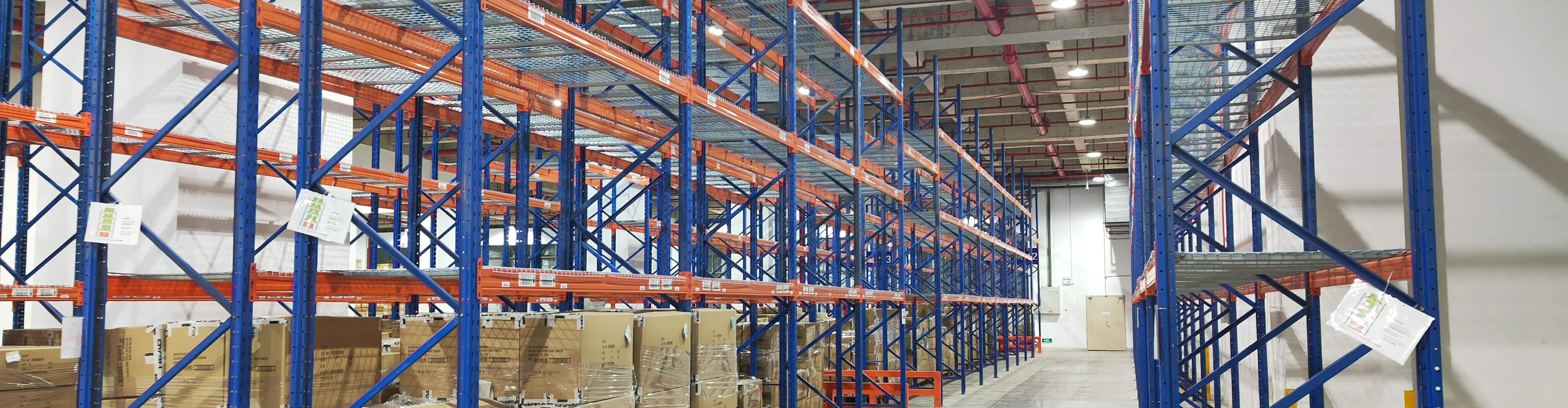
Selecting the right heavy duty metal shelving starts with a simple rule: match the shelving to the load, the picking method, the available space, and the way your warehouse actually operates. Many buying mistakes happen when shelving is chosen only by dimensions or price, without checking load capacity, SKU profile, aisle access, floor conditions, and future growth. A shelving system that works well for hand-loaded cartons in a parts room may be a poor fit for bulky items, frequent replenishment, or fast-moving industrial stock.
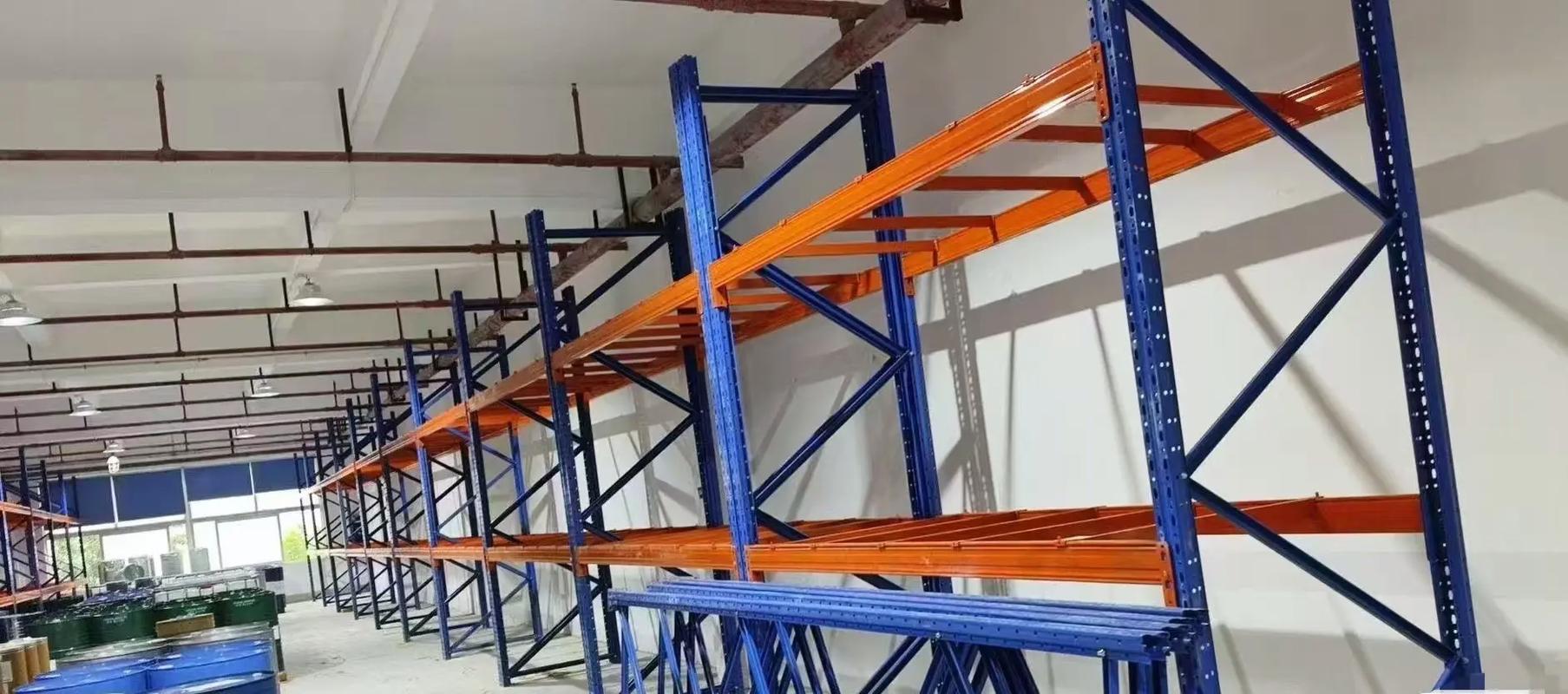
For most industrial buyers, the right decision comes down to five practical questions: what will be stored, how much weight each shelf must carry, who or what will access the shelving, how much selectivity is required, and whether the system can adapt as inventory changes. This guide explains how to evaluate heavy duty metal shelving in a way that supports safety, workflow efficiency, and long-term value.
What Heavy Duty Metal Shelving Is Best Suited For
Heavy duty metal shelving is commonly used for hand-loaded industrial storage where businesses need stronger shelf capacity than light-duty shelving but do not require pallet racking for every item. It is often a practical choice for spare parts, tools, maintenance inventory, archive boxes, components, cartons, and mixed-SKU stock that must remain visible and accessible.
In many facilities, this type of shelving fills the gap between standard warehouse racking and small storage cabinets. It is especially useful when staff need direct access to individual items rather than full pallets. That makes it relevant for maintenance stores, back-of-house industrial inventory, production support areas, e-commerce picking zones, and technical parts storage.
However, heavy duty metal shelving is not automatically the right solution for every warehouse. If your operation mainly stores full pallets moved by forklift, pallet racking is usually more suitable. If storage density matters more than immediate access, mobile shelving or a denser racking layout may be worth reviewing. The key is to choose shelving for the actual handling method, not just for the available floor area.
Start With the Load: Weight, Size, and Shelf Distribution
The first selection step is load planning. Buyers often focus on total bay dimensions and forget that shelf performance depends on how weight is distributed. A shelf holding evenly spread cartons behaves differently from one carrying dense metal parts concentrated in a few locations.
Questions to ask about the load
- What is the maximum weight per shelf level?
- What is the total load per bay?
- Will the weight be evenly distributed or point-loaded?
- Are items long, bulky, irregular, or stored in bins?
- Will shelf contents change over time?
When specifying heavy duty metal shelving, do not rely on rough estimates. If your operation stores mixed items, identify the heaviest realistic shelf condition, not just the average day-to-day load. This is especially important in maintenance stores and spare parts areas where item mix can change gradually and overload risk can go unnoticed.
It is also worth checking whether shelf levels need solid decks, open steel panels, or specific accessories for bins, dividers, or boxed inventory. The more varied the SKU profile, the more important shelf adjustability becomes.
Match the Shelving to Your Inventory Profile
The right heavy duty metal shelving depends heavily on what you store and how often you access it. A warehouse with many small SKUs and frequent order picking needs a different setup from a facility storing slow-moving maintenance stock.
Good fit scenarios
- High-SKU inventory that requires direct item visibility
- Manual picking of cartons, bins, tools, or components
- Industrial parts rooms and maintenance stores
- Back-up storage near production lines
- Mixed inventory where shelf heights need adjustment
Less suitable scenarios
- Predominantly palletized stock handled by forklift
- Very heavy unit loads better suited to racking systems
- Operations where high-density storage is the main priority
- Very long items that need cantilever storage instead of shelving
If your SKU count is high and pick frequency varies, consider whether the shelving layout should separate fast-moving items from reserve stock. In practice, poor slotting can reduce the benefit of even well-designed heavy duty metal shelving. Frequently picked items should be placed in the most accessible zones to reduce bending, reaching, and travel time.
Consider Access Method and Workflow
One of the most important buying decisions is how the shelving will be accessed. Some shelving installations are designed purely for hand picking, while others support a mix of manual handling, trolleys, ladders, or adjacent forklift replenishment.
Before selecting heavy duty metal shelving, review the real workflow:
- Will staff pick directly from the shelves all day?
- Will replenishment happen from cartons, totes, or pallets?
- Are picking trolleys used in the aisles?
- Do ladders or step platforms need safe clearance?
- Is there nearby forklift traffic that could create impact risk?
If aisles are too narrow, manual picking slows down and congestion increases. If aisles are too wide, you may waste valuable storage space. The right aisle width depends on whether the area is pedestrian-only, trolley-based, or shared with equipment. This is one reason shelving decisions should never be made from a product brochure alone.
Also think about replenishment logic. Some facilities place heavy duty metal shelving under mezzanines or along perimeter walls to save space, but this can make restocking awkward if access routes are not planned properly. Efficient storage is not just about fitting more shelves into the room; it is about keeping stock accessible without disrupting daily work.
Check Building Constraints Before You Buy
Industrial shelving has to work within the physical limits of the building. Ceiling height, column positions, door openings, sprinkler clearance, lighting, and floor condition all affect what layout is practical.
Key site factors to review
- Clear internal height and usable vertical space
- Floor levelness and floor load suitability
- Wall clearance and obstruction points
- Fire protection and access requirements
- Column spacing and building geometry
- Safe routes for people and handling equipment
In older buildings, floor condition deserves close attention. Even well-made heavy duty metal shelving can perform poorly if installed on uneven or damaged floors. Misalignment can affect stability, shelf fit, and long-term wear. If the shelving will be anchored or arranged in long continuous runs, floor variation becomes even more relevant.
Height planning also needs practical judgment. Tall shelving may improve cubic storage, but if upper levels are difficult to reach safely, the extra capacity may not be operationally useful. For many manual storage areas, accessible working height matters more than maximum frame height.
Evaluate Adjustability and Future Expansion
Inventory rarely stays the same. Product dimensions change, SKU counts increase, and picking patterns shift. That is why adjustability should be part of the initial decision, not an afterthought.
When comparing heavy duty metal shelving, ask how easy it is to:
- Change shelf heights
- Add extra levels
- Extend runs with add-on bays
- Integrate dividers, bin fronts, or labels
- Reconfigure the layout if workflow changes
A low-cost system can become expensive if every future change requires significant labor or replacement parts. Buyers should also consider whether the shelving range is likely to support phased expansion. In growing operations, standardization matters. Using a shelving format that can be expanded consistently across multiple areas often simplifies maintenance, training, and spare parts management.
Do Not Ignore Safety and Inspection Requirements
Heavy duty metal shelving should be selected with safe use in mind, not just storage capacity. Even manual shelving can be damaged by overloading, misuse, poor installation, or impact from nearby equipment. A system that looks simple still needs clear loading control and routine inspection.
Practical safety points to review
- Visible load information for shelves and bays
- Stable installation and correct assembly
- Anchoring or securing where required
- Protection in areas exposed to trolley or forklift contact
- Regular checks for bent components, loose fixings, or shelf deflection
- Housekeeping to prevent blocked aisles and unsafe stacking
If the shelving is placed near forklift routes, end-of-aisle protection or barriers may be worth considering. In many warehouses, damage occurs not because the shelving is poorly made, but because the surrounding traffic pattern was not considered during planning.
Inspection should also be realistic. If your team cannot easily see damage because shelves are overloaded with cartons or stacked beyond intended limits, the system becomes harder to manage safely. Good shelving selection supports not only storage, but also routine supervision and maintenance.
Compare Heavy Duty Metal Shelving With Other Storage Options
Buyers often evaluate heavy duty metal shelving against other systems. The right choice depends on the balance between selectivity, load type, and space efficiency.
Compared with pallet racking
Heavy duty metal shelving is generally better for hand-loaded items and higher SKU visibility. Pallet racking is more suitable for palletized loads and forklift handling. If staff regularly break down pallets and pick individual cartons, a combination of both systems may be more effective than forcing one system to do everything.
Compared with longspan shelving
Longspan configurations are often considered when storing cartons, archive boxes, or medium-bulk items. Depending on design, the distinction can overlap. The main evaluation point is still load requirement, shelf span, and how the goods are handled in practice.
Compared with cabinets or bin storage
Cabinets may suit small valuable items, tools, or controlled parts, while open heavy duty metal shelving works better where visibility and quick access are more important. Open shelving is usually faster for picking, but less suitable if dust control, security, or item segregation is a major concern.
Common Selection Mistakes to Avoid
Many shelving problems can be traced back to a few avoidable purchasing mistakes.
- Choosing shelving by price without checking actual load requirements
- Using shelf dimensions that do not match carton or bin sizes
- Ignoring aisle width and replenishment access
- Overbuilding height that staff cannot use efficiently
- Failing to plan for SKU growth or layout changes
- Placing shelving too close to forklift activity without protection
- Assuming all metal shelving performs the same under industrial use
A practical buying process should involve operations, maintenance, and safety input, not just procurement. The people who replenish, pick, inspect, and manage the area often identify issues that are missed in a purely price-driven review.
A Simple Selection Framework for Industrial Buyers
If you need a straightforward way to assess heavy duty metal shelving, use this sequence:
Define the inventory. List item sizes, weights, SKU count, and pick frequency.
Confirm the handling method. Decide whether storage is hand-loaded, trolley-served, or replenished from pallets nearby.
Measure the site. Check usable height, aisle space, obstructions, and floor condition.
Set load requirements. Review shelf load, bay load, and realistic future loading conditions.
Plan access and ergonomics. Place fast-moving items in easy reach and avoid layouts that create congestion.
Review safety needs. Include load control, damage prevention, and inspection access.
Check expandability. Make sure the system can adapt if inventory or workflow changes.
This approach helps buyers compare options on operational fit, not just upfront cost.
FAQ
How do I know if heavy duty metal shelving is better than pallet racking?
If staff need direct access to individual items, cartons, or bins, heavy duty metal shelving is often the better fit. If most stock is stored and moved as full pallets by forklift, pallet racking is usually more appropriate.
Can heavy duty metal shelving be used in a picking area?
Yes, it is commonly used in manual picking zones, especially for high-SKU inventory, spare parts, and carton storage. The layout should still be planned around aisle width, replenishment method, and picking frequency.
What is the most common mistake when buying heavy duty metal shelving?
The most common mistake is underestimating load requirements or assuming future stock will match current stock. Another frequent issue is failing to account for access, aisle congestion, and replenishment workflow.
Should heavy duty metal shelving be inspected regularly?
Yes. Even in manual storage areas, shelving should be checked for overload signs, bent members, loose fixings, damage, and poor housekeeping. Regular inspection supports both safety and service life.
Final Takeaway
The right heavy duty metal shelving is the system that fits your load, your inventory profile, your access method, and your building constraints without creating avoidable safety or workflow problems. Buyers get better results when they evaluate shelving as part of the full storage operation rather than as a standalone product. If the shelving supports safe loading, efficient picking, straightforward inspection, and future adjustment, it is far more likely to deliver long-term value in an industrial setting.